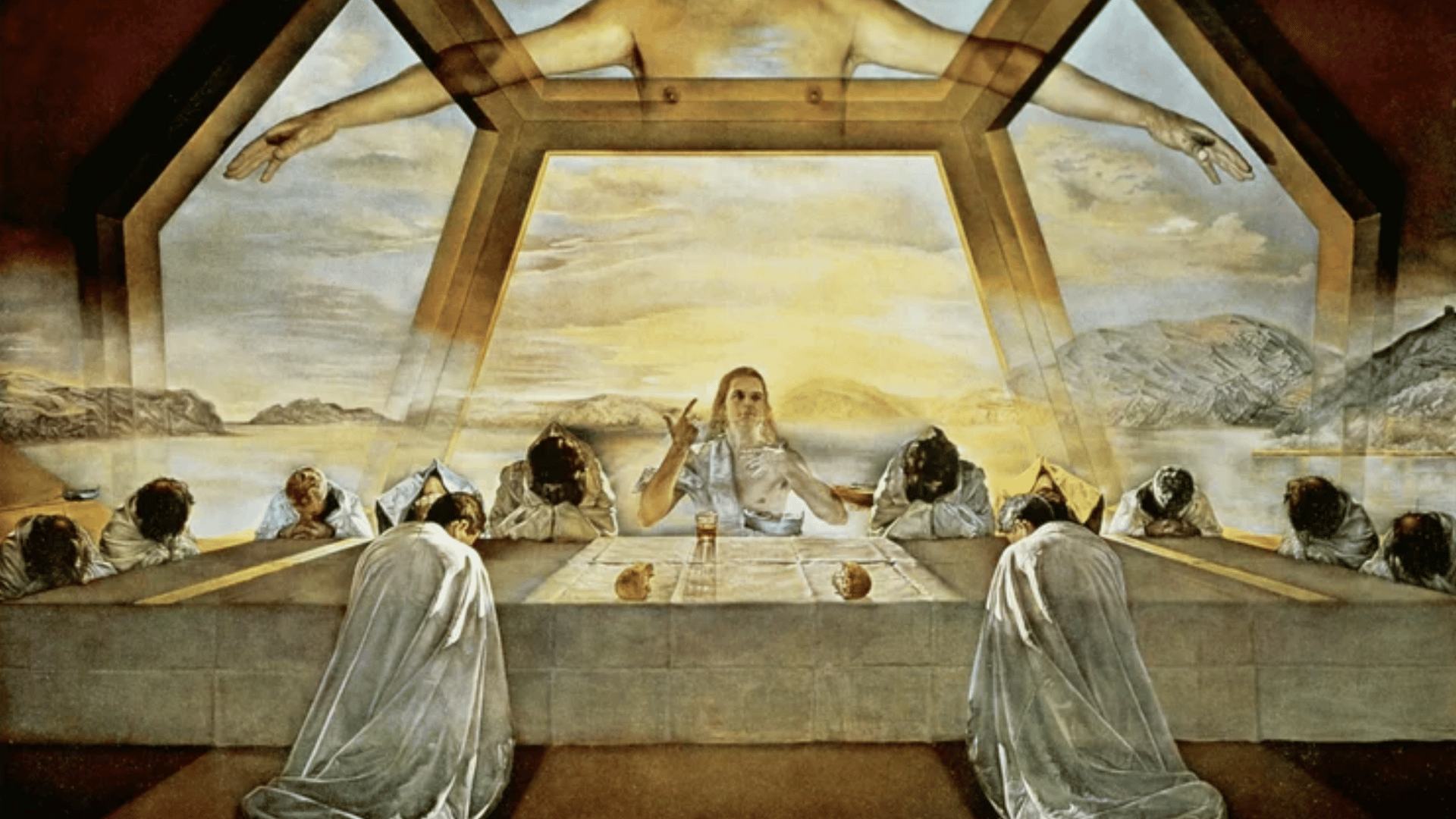
There is a reason your eye does not stop at the edge of a great painting; it keeps moving, looping back, finding new things to land on.
That is rhythm in art doing its job. Borrowed from music, where beats and patterns create movement through time, visual rhythm creates movement through space.
Artists use it to guide attention, set mood, and give a composition its energy. Understanding it changes the way you look at everything from Van Gogh’s swirling skies to the stripes on a coffee cup.
What is Rhythm in Art: The Exact Definition
Rhythm in art is the visual movement created when elements such as shapes, colors, or lines repeat throughout a composition to guide the viewer’s eye.
In simple words, rhythm is what makes a still artwork feel like it has movement. When your eyes naturally travel from one part of a piece to another, that is rhythm at work.
Artists create rhythm using repetition, pattern, contrast, variation, and spacing.
They might repeat a color, change the size of shapes, or place elements closer together to control how your eye moves.
Why is Rhythm in Art Significant?
Rhythm is important because it helps an artwork feel connected, balanced, and easy to follow. It gives the viewer’s eye a clear path through the piece, rather than making the composition feel random or scattered.
- Guides the viewer’s eye through the artwork
- Creates movement in a still image
- Connects different parts of the composition
- Makes the artwork feel balanced and complete
- Helps set the mood, whether calm, energetic, dramatic, or tense
- Makes the piece feel more intentional and engaging
Types of Rhythm in Art
Rhythm in art can feel calm, playful, smooth, powerful, or chaotic depending on how the artist repeats and arranges visual elements.
1. Regular Rhythm
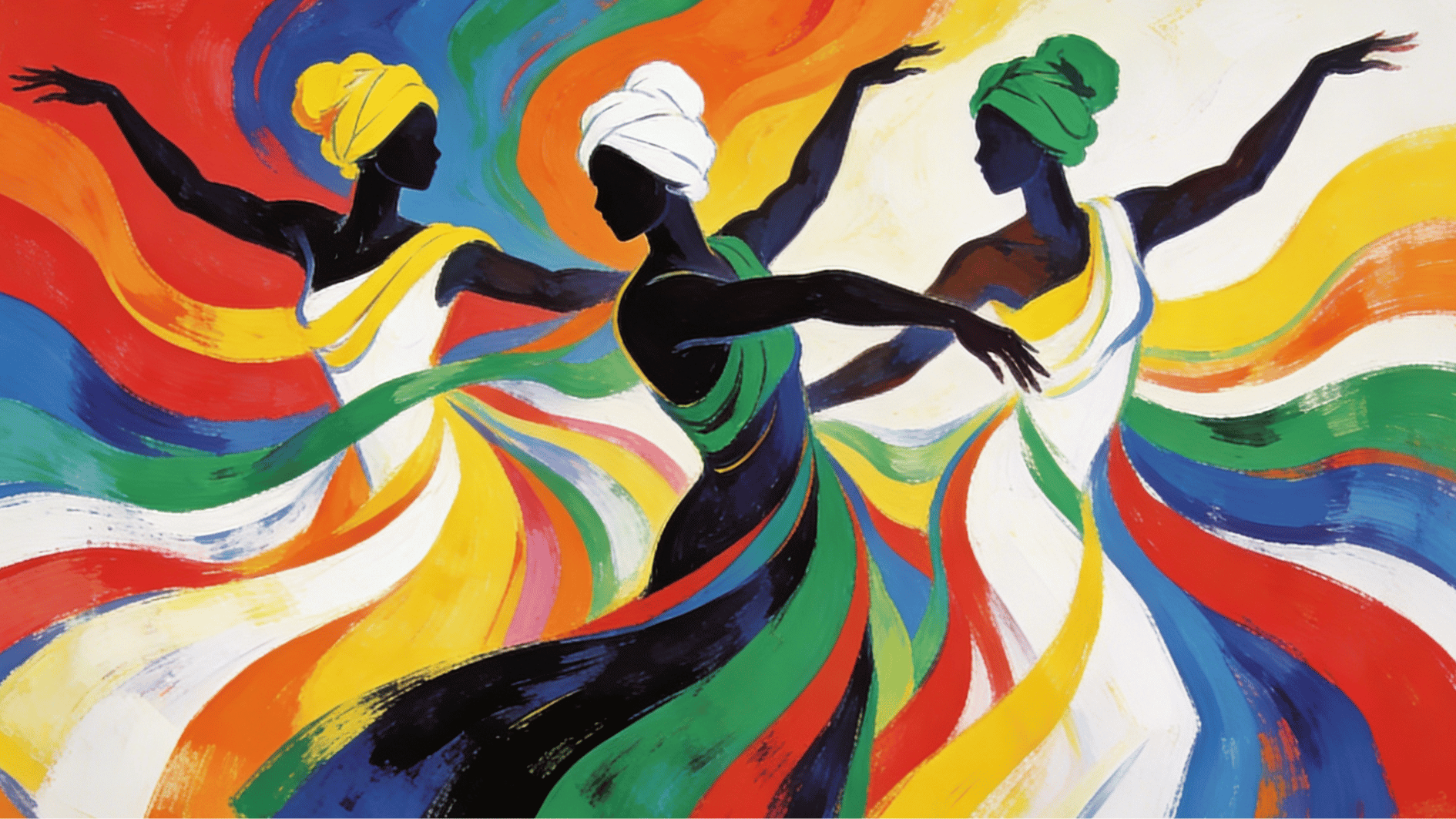
Regular rhythm happens when the same element repeats evenly. It feels steady, organized, and predictable, like a simple beat in music.
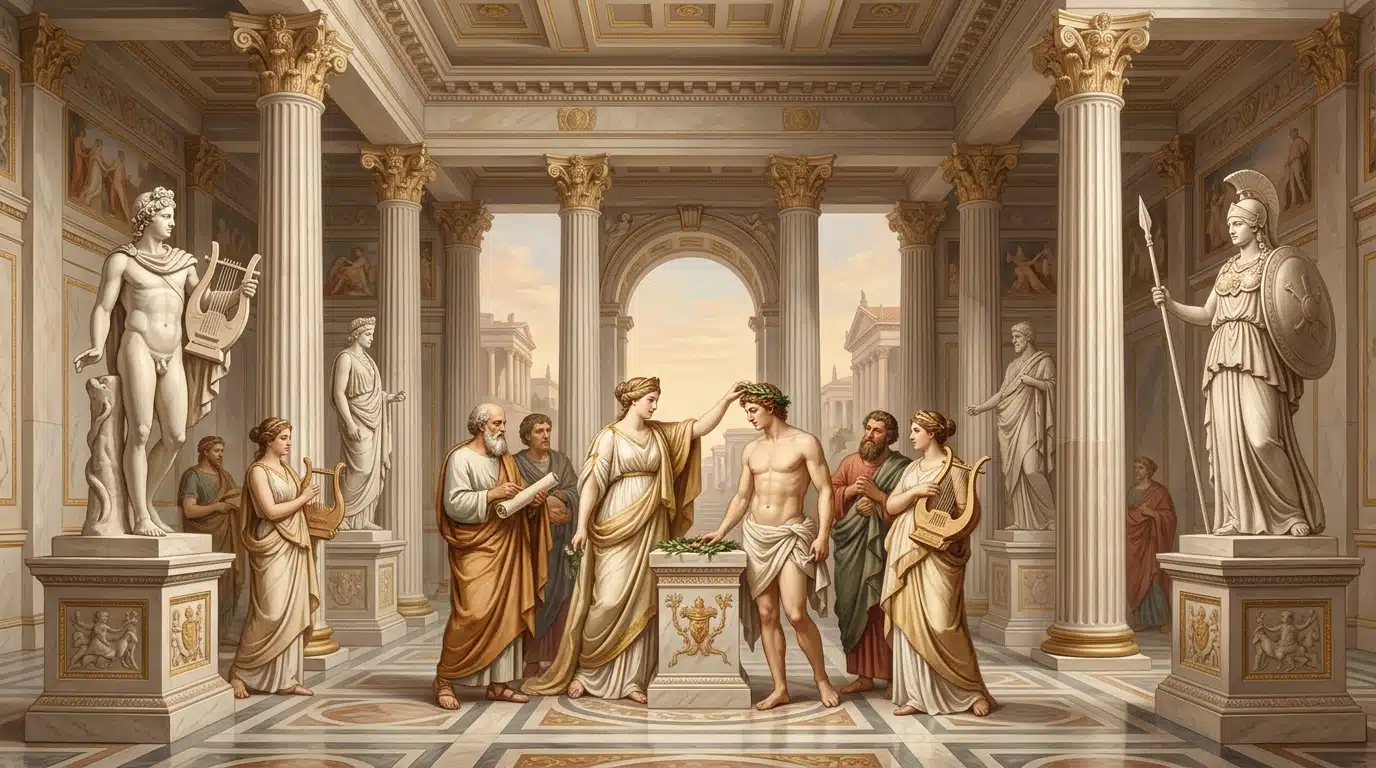
You can see this in a row of identical windows on a building, evenly spaced dots across a canvas, or repeated columns in architecture.
2. Alternating Rhythm
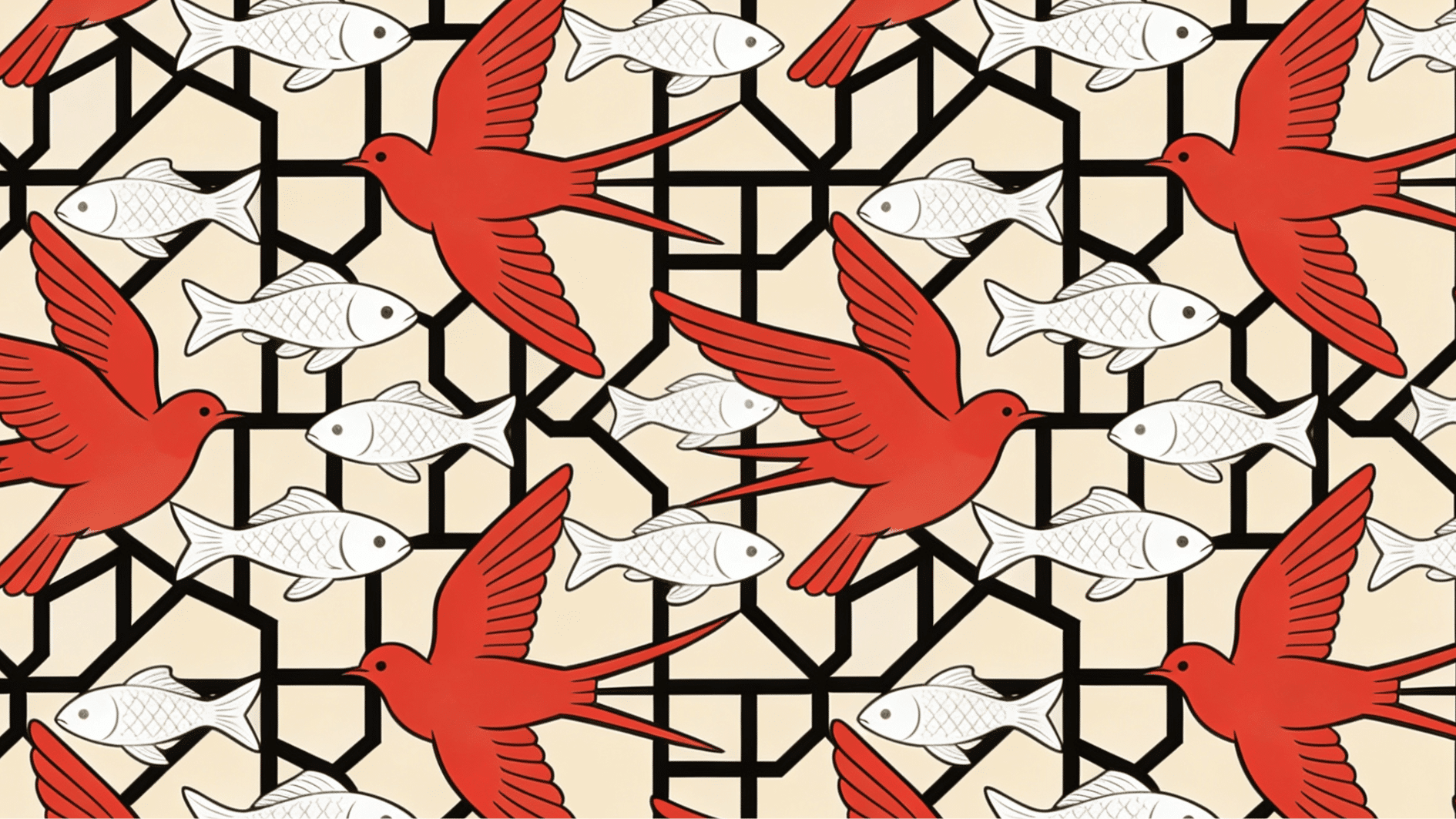
An alternating rhythm occurs when two or more elements repeat in a pattern. Instead of one thing repeating again and again, the elements take turns.
A red-blue-red-blue color pattern, thick-thin-thick-thin lines, or large-small-large-small shapes all create this kind of back-and-forth rhythm.
3. Flowing Rhythm
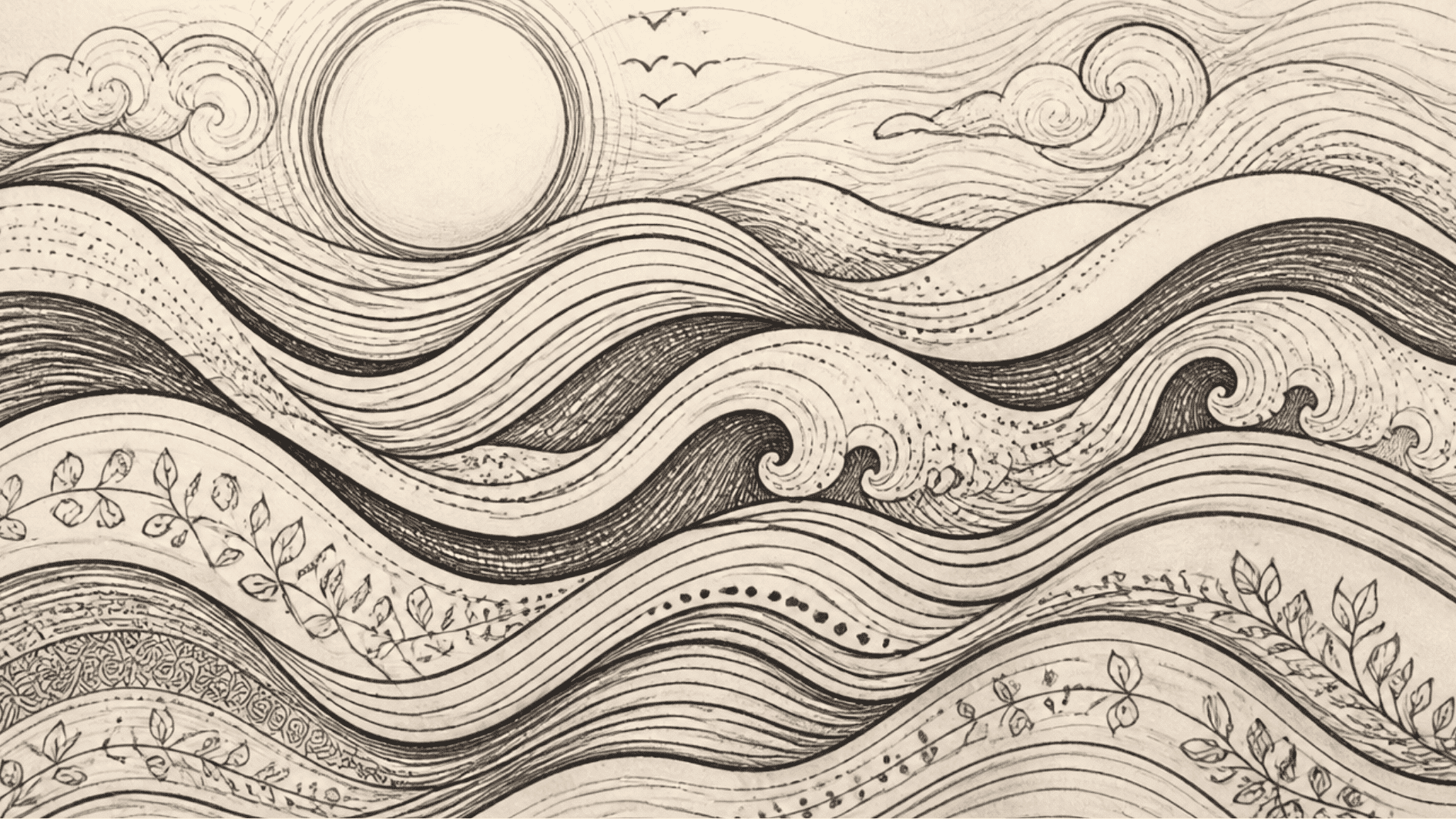
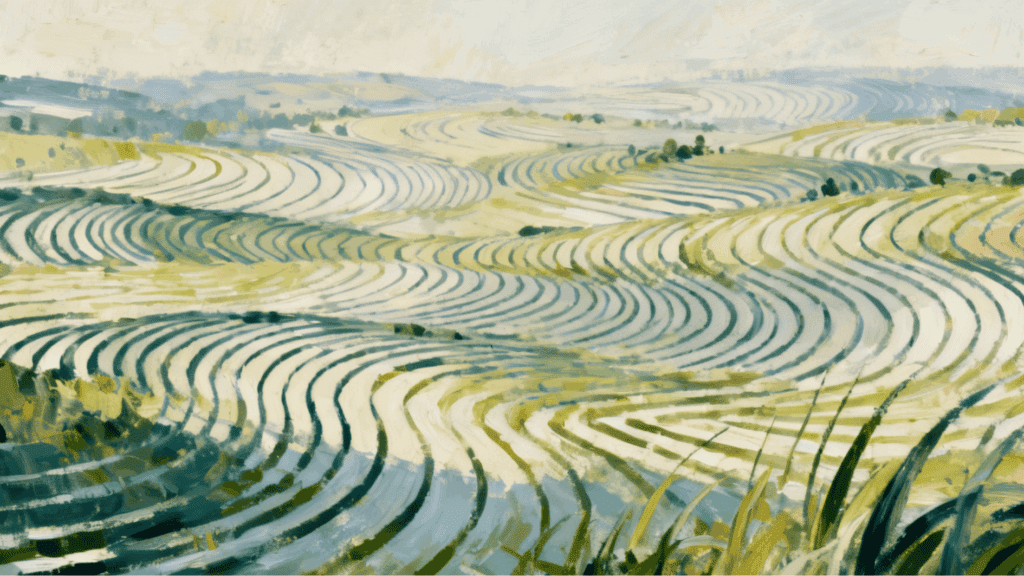
Flowing rhythm uses curved, wavy, or natural-looking lines to create smooth movement. It feels softer and more organic than a regular rhythm.
You’ll often notice it in ocean waves, curling smoke, flowing hair, or the swirling sky in Van Gogh’s The Starry Night.
4. Progressive Rhythm
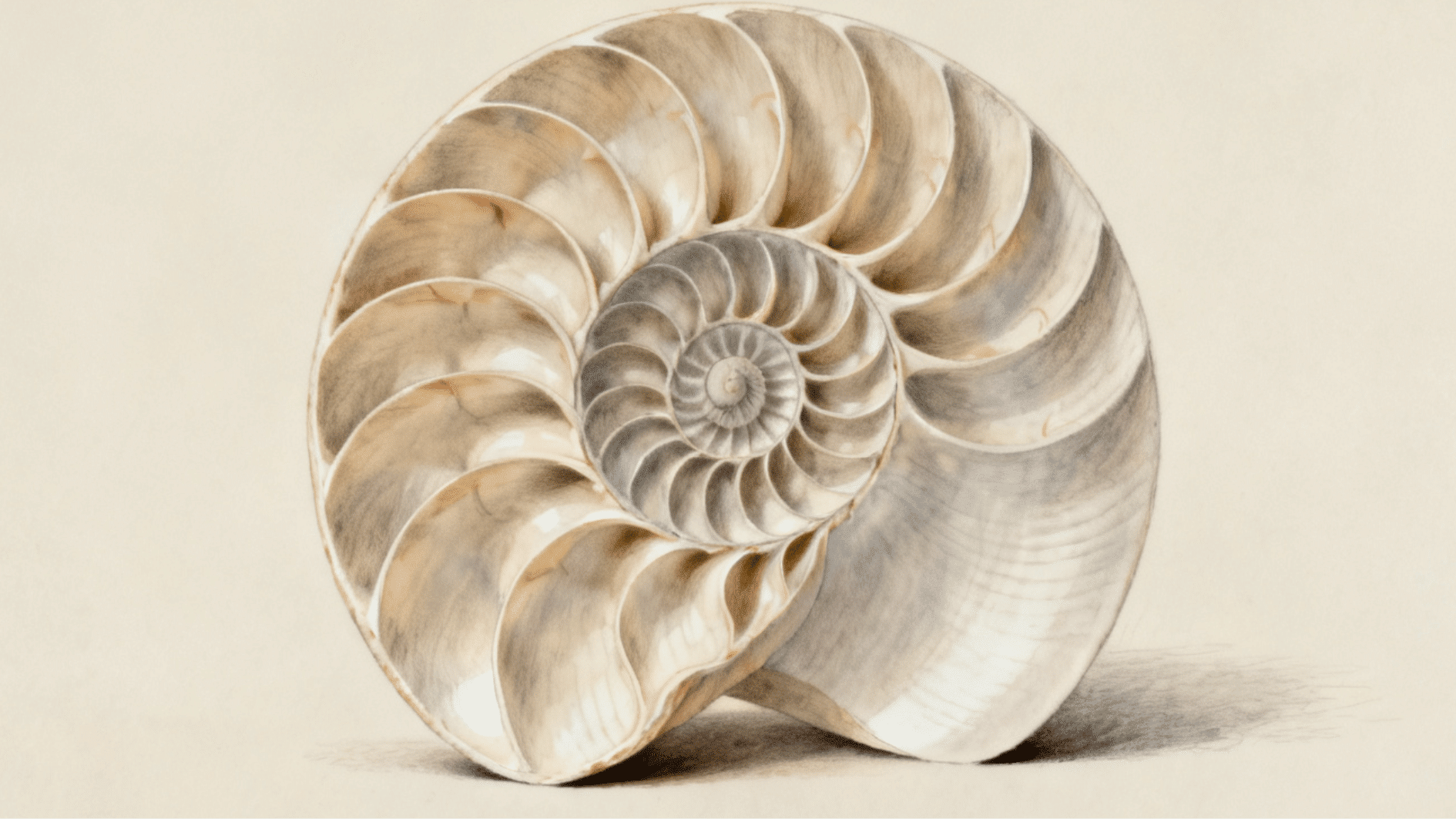
Progressive rhythm occurs when an element repeats while gradually changing. The change could be in size, color, spacing, direction, or shape.
Think of circles that gradually get bigger, colors that slowly fade from dark to light, or shapes that slowly shift direction across a page.
5. Random Rhythm
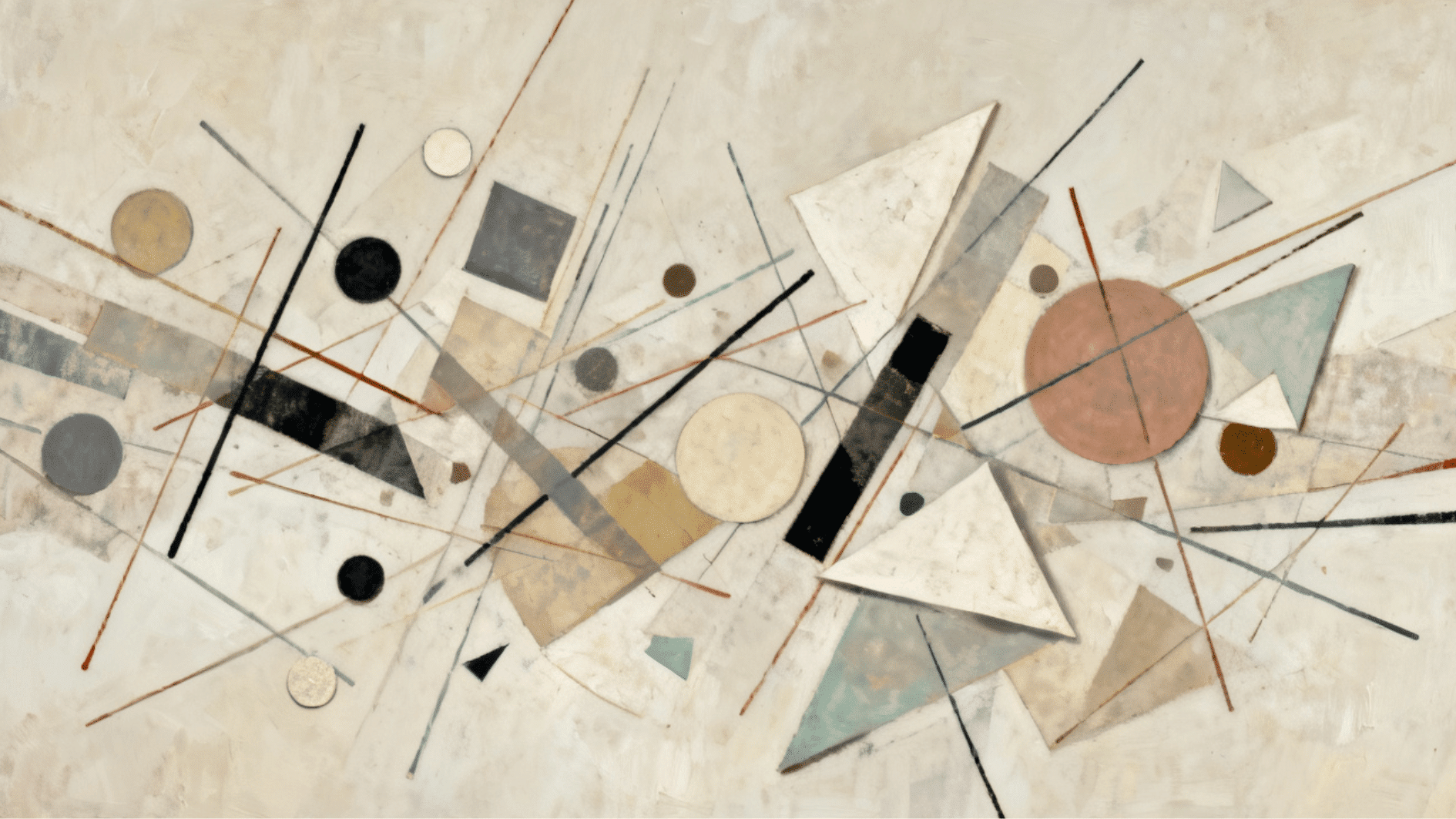
Random rhythm happens when elements repeat without a clear order or pattern. It may look loose or unplanned, but it still creates movement.
Paint splattering, scattered leaves, stars in the sky, or Jackson Pollock’s drip paintings all show how random rhythm can feel energetic and full of life.
How Does Rhythm Connect to Other Art Principles?
There are eight main principles of art, and Rhythm is one of these principles, but it also works closely with the others to make an artwork feel connected and easy to follow.
Understanding how patterns in art feed into rhythm is especially useful here, since the two concepts are tightly linked through repetition and visual beat.
| Principle | How It Connects to Rhythm |
|---|---|
| Balance | Helps repeated elements feel stable and well-arranged. |
| Proportion | Uses size and scale to guide how rhythm feels. |
| Emphasis | Breaks or changes the rhythm to make one area stand out. |
| Variety | Adds small changes so the rhythm does not feel boring. |
| Harmony | Makes repeated elements feel smooth and pleasing together. |
| Unity | Connects different parts of the artwork through repeated elements. |
| Movement | Guides the viewer’s eye from one area to another. |
The Rhythm Techniques
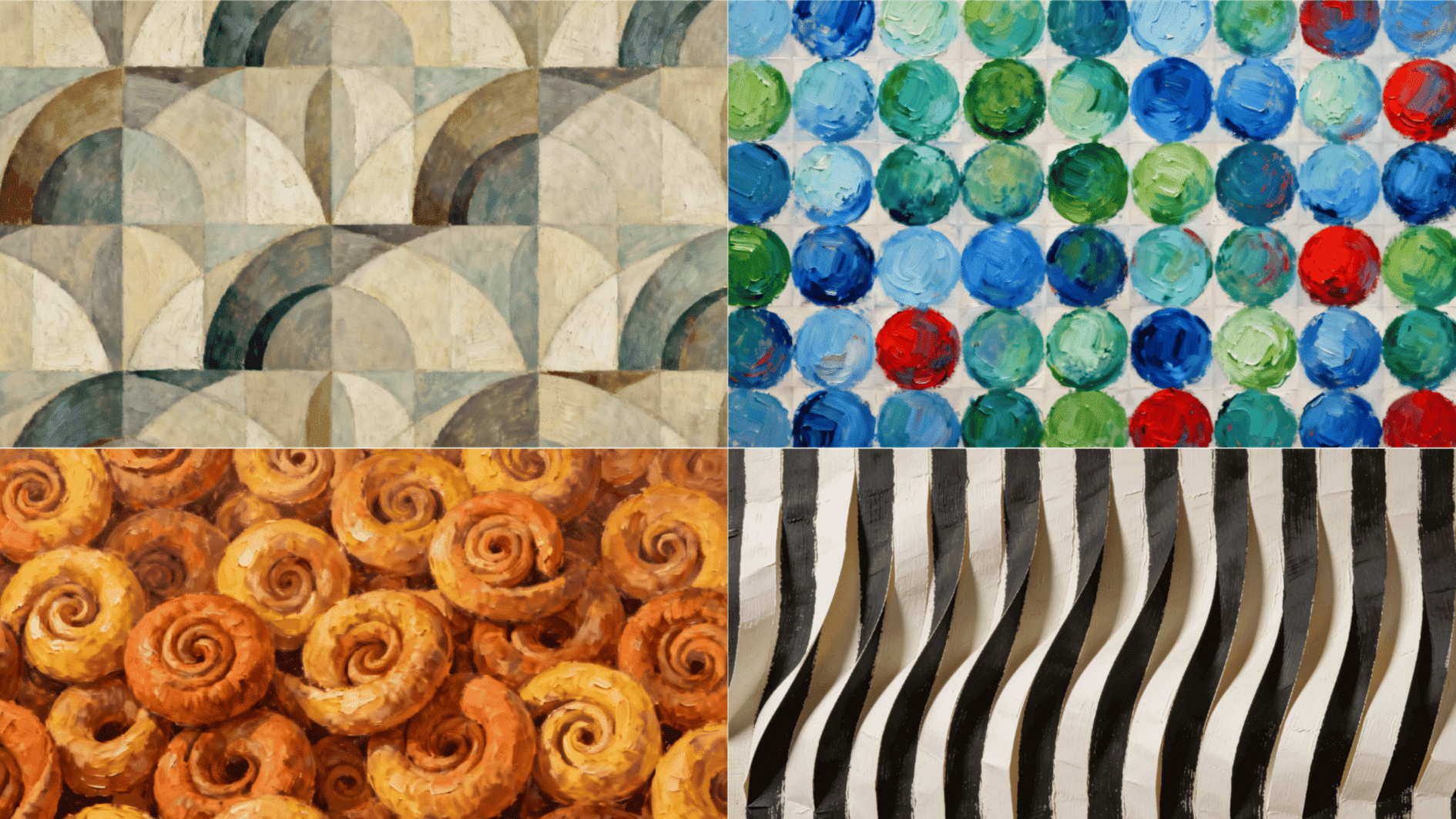
Creating rhythm in art does not have to be complicated. It usually comes down to simple choices: what you repeat, how you space it, and where you add small changes.
1. Repeat One Element
Repetition is the basis of rhythm in art. It happens when an artist uses the same element more than once, such as a line, shape, color, texture, or form.
When something repeats, your eye starts to notice it and follow it. This creates a visual beat and helps the artwork feel connected instead of random.
2. Add Small Changes
Variation means changing repeated elements slightly so the rhythm does not feel too plain or boring.
An artist might repeat the same shape but change its size, color, direction, or spacing. The repeated element keeps the rhythm clear, while the small changes make the artwork more interesting.
3. Create Contrast
Contrast occurs when different elements are placed next to each other, such as light and dark, big and small, smooth and rough, or thick and thin.
In rhythm, contrast helps create focus and energy. It can break a steady rhythm in a useful way and make certain parts of the artwork stand out.
4. Use Gradation
Gradation happens when an element changes slowly and smoothly. This could be a color fading from dark to light, shapes getting bigger, or lines moving closer together.
Gradation creates a gentle sense of movement and direction. It helps guide the viewer’s eye through the artwork step by step.
Final Thoughts
Rhythm in art is not a rule to memorize; it is something you start to feel.
Once you understand how repetition, spacing, and variation work together, you begin to see it in everything: the stripes on a building, the brushstrokes in a painting, the way a designer leads your eye across a page.
Study it, experiment with it, and let it quietly shape the way you make and experience art from here on.
Frequently Asked Questions
Why Is Rhythm Called Rhythm?
Rhythm is called rhythm because it comes from the Greek word rhythmos, meaning “measured flow,” which fits how rhythm creates movement and flow in both music and art.
What is the Rule of Rhythm?
The rule of rhythm in art says that repeating elements such as shapes, colors, lines, or textures helps create movement, flow, and connection in an artwork.
What Is Another Word for Rhythm?
Another word for rhythm in art is flow, though it can also mean movement, cadence, or visual beat depending on how it is used.