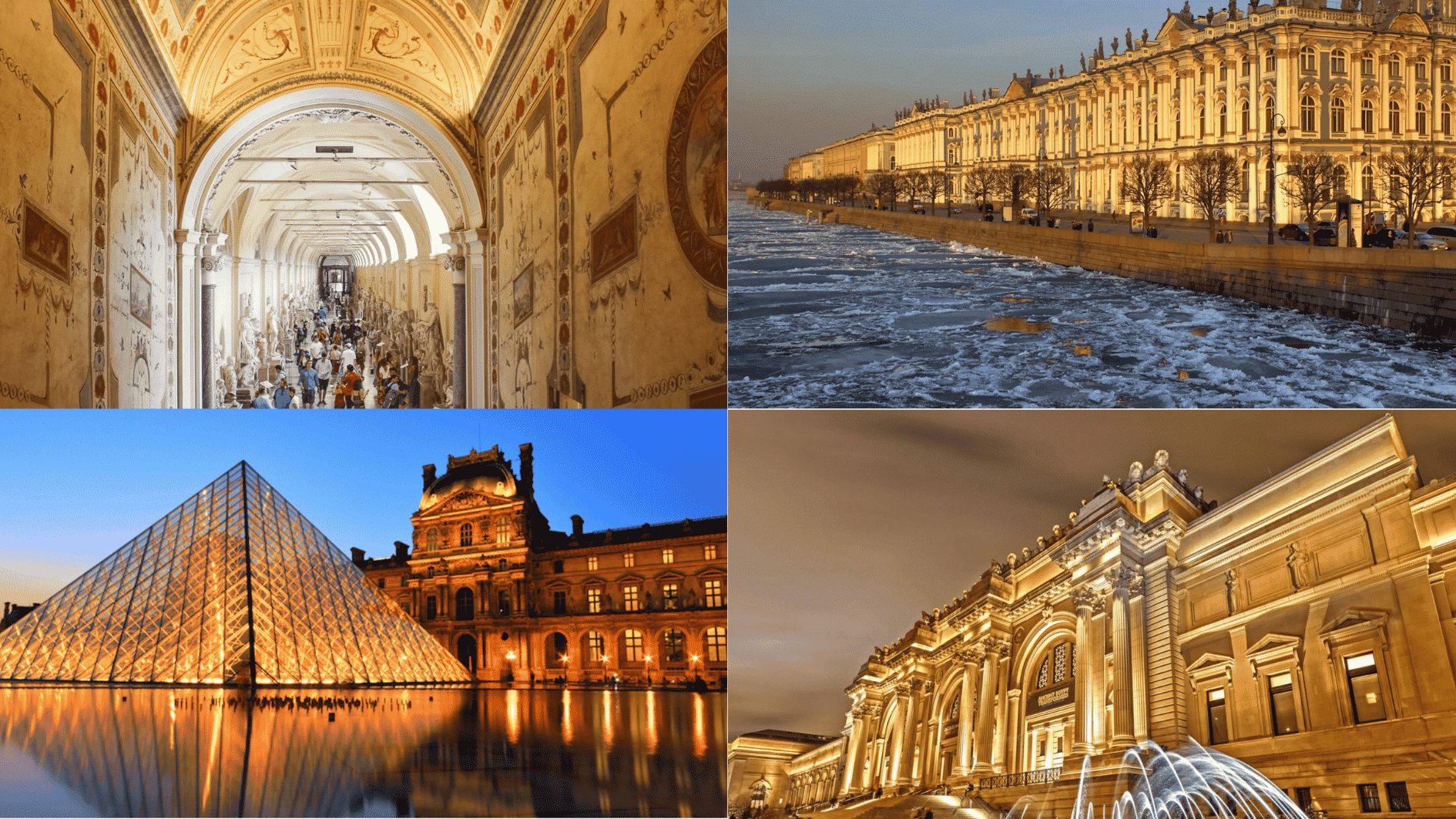
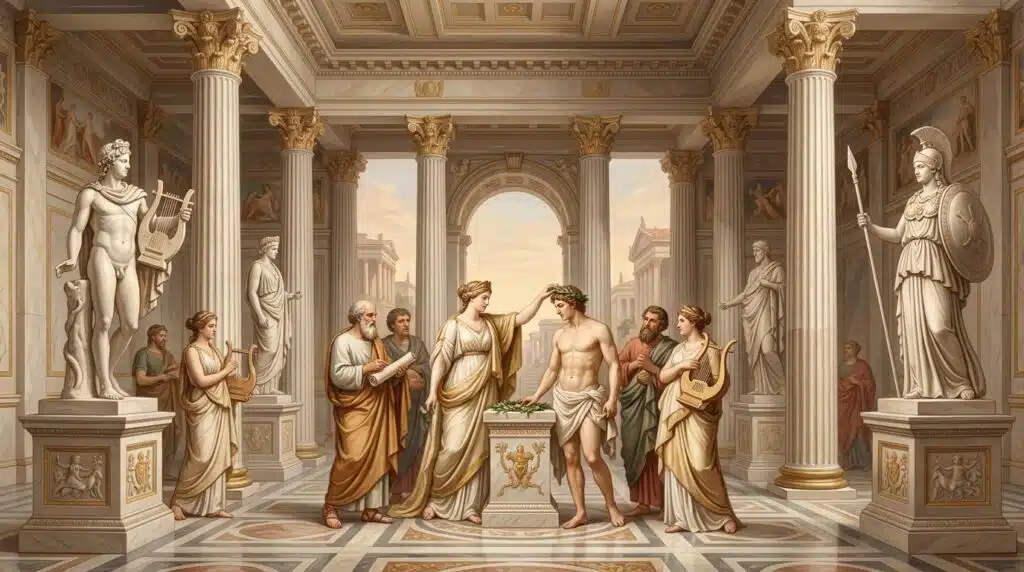
Have you ever stood in front of a painting and felt like it was speaking directly to you, even though it was made hundreds of years ago?
That connection doesn’t happen by chance. Classical art was built on purpose, precision, and a strong belief in human dignity.
From the foundations of early European artistic traditions to the refined studios of the Renaissance, Classicism influenced how artists interpreted beauty, order, and human dignity.
In this blog, you will understand what Classicism is, its key characteristics, and why it still matters today.
History of Classical Art
Classic art is a tradition of visual art rooted in the artistic principles of ancient Greece and Rome, defined by order, proportion, idealized form, and rational composition.
Artists of this period believed that beauty had rules, and that a well-made painting or sculpture reflected a stronger sense of balance and reason, which they saw as the foundation of a civilized world.
Classicism grew out of centuries of artistic and cultural shifts, beginning in ancient Greece and Rome and resurfacing at key moments throughout history, with its influence still felt in art today.
Key Characteristics of Classical Paintings
Classical paintings follow a clear set of principles that set them apart from other art movements. They reflect a strong belief in order, reason, and the ideal representation of the human experience.
- Balance and Proportion: Every element in a classical painting is placed with intention. Figures, objects, and space are arranged to create visual stability.
- Perfected Human Form: Classical painters did not paint people as they were. They painted them as they believed people should look, physically perfect, composed, and dignified.
- Clarity and Order: these are visually easy to read. The composition guides the eye naturally, with no unnecessary clutter or confusion.
- Moral and Historical Subjects Classical painting favored subjects drawn from mythology, history, and ancient texts.
- Restrained Emotion: Figures in these paintings express emotion, but always with control.
Classic Arts Through the Ages
Classic arts through the ages reveal how beauty, balance, storytelling, and human expression have evolved across different periods while still shaping the way you understand art today.
1. Classical Art in Ancient Greece and Rome
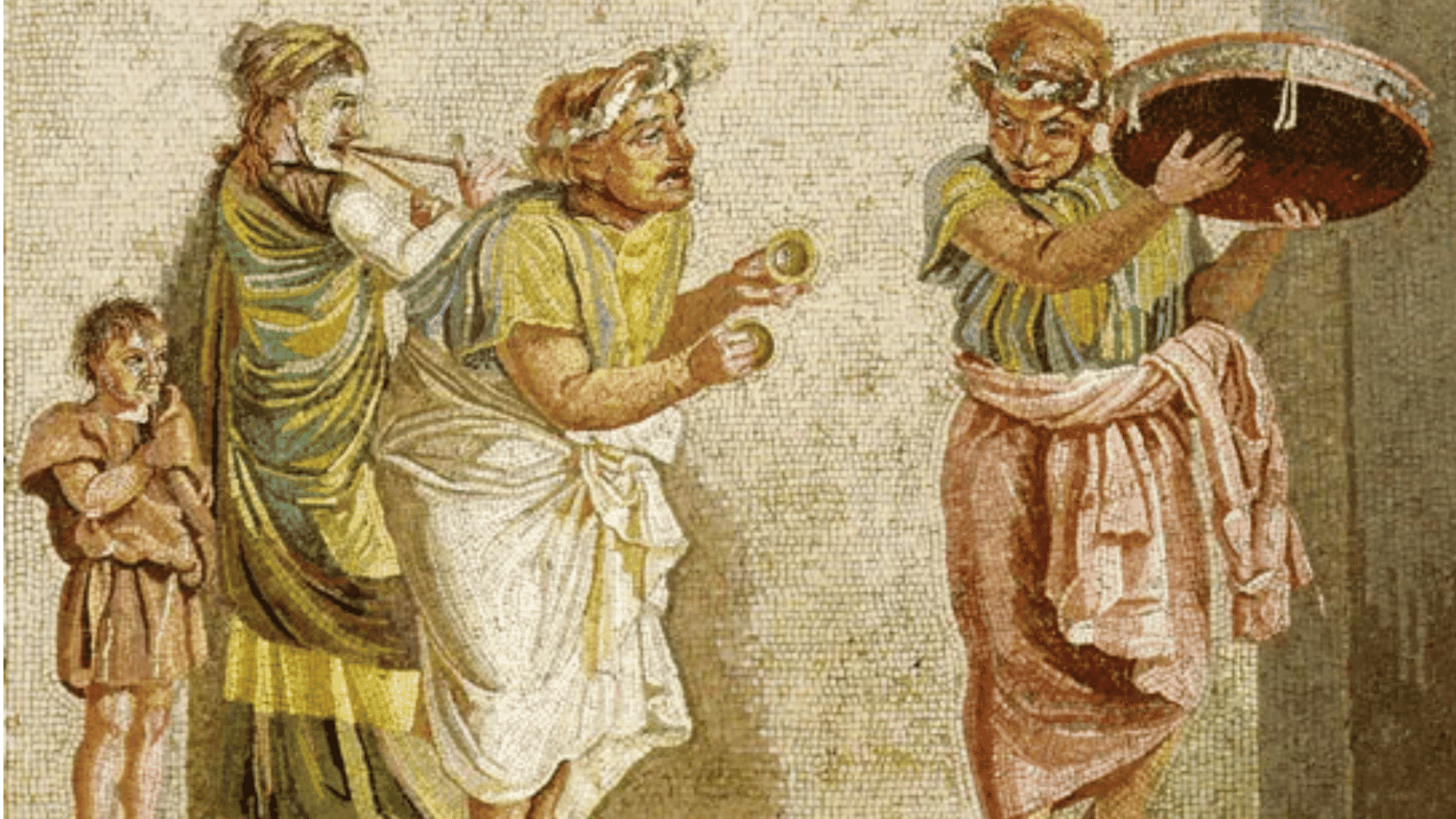
Sources: Britannica
Ancient Greece laid the groundwork for everything Classicism would become, with artists who prized proportion, balance, and the careful study of the human body.
When Rome rose to power, it adopted and built on these ideals, spreading that same commitment to order and balance across a vast empire.
The famous sculpture artists who followed, from Donatello to Canova, drew directly from Greek and Roman forms.
2. Classicism in the 17th and 18th Centuries
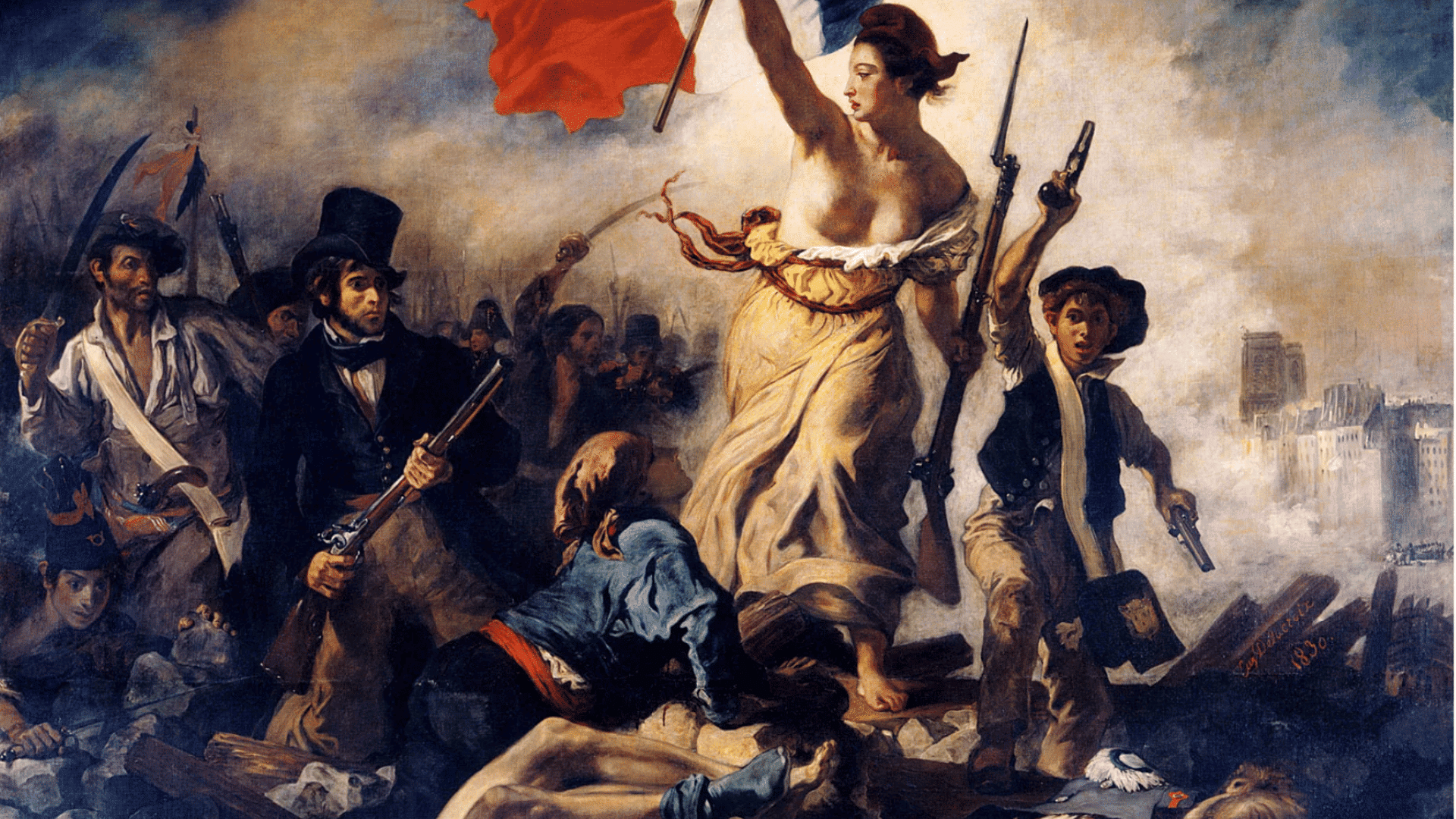
Sources: Britannica
By the 17th century, artists across Europe were looking back to ancient Greece and Rome, favoring clarity, structure, and reason.
They drew inspiration from classical sculpture, architecture, and mythology to create balanced, idealized works. This shift helped shape Neoclassicism, where art became more focused on order, harmony, and timeless beauty.
3. The Rise of Neoclassicism
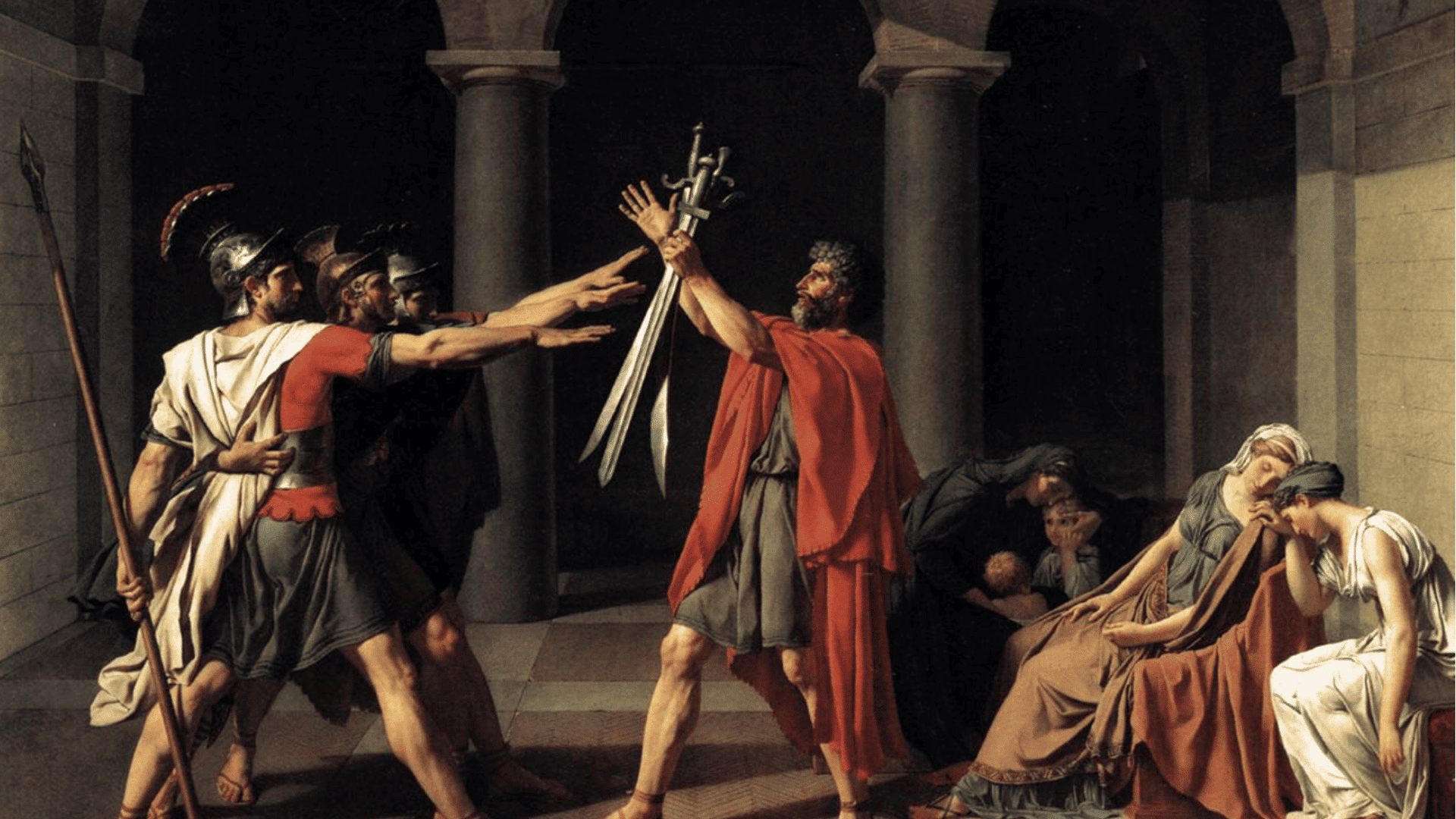
Sources: Wikipedia
Neoclassicism emerged in the mid-18th century as artists grew tired of the decorative excess of the Baroque and Rococo.
Inspired by the rediscovery of Pompeii and Herculaneum, they returned to clean lines, moral subjects, and disciplined compositions.
4. Classicism in the 19th Century
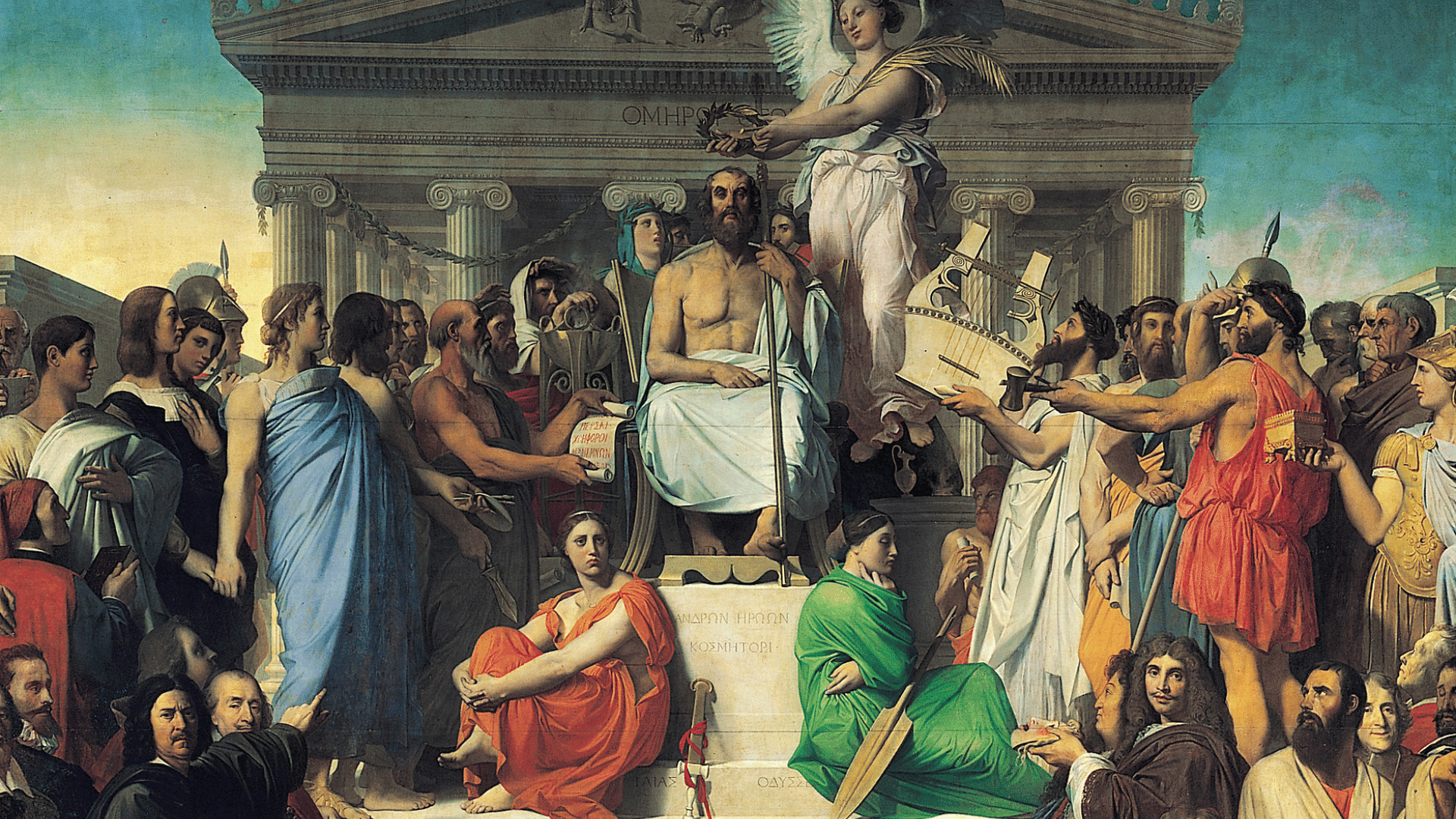
Sources: commons.wikimedia
Although Romanticism and Realism gained popularity during the 19th century, classical ideals remained influential in academic art schools across Europe.
Artists continued to emphasize technical precision, idealized figures, and subjects drawn from history, mythology, and literature.
5. Modern Interpretations of Classicism
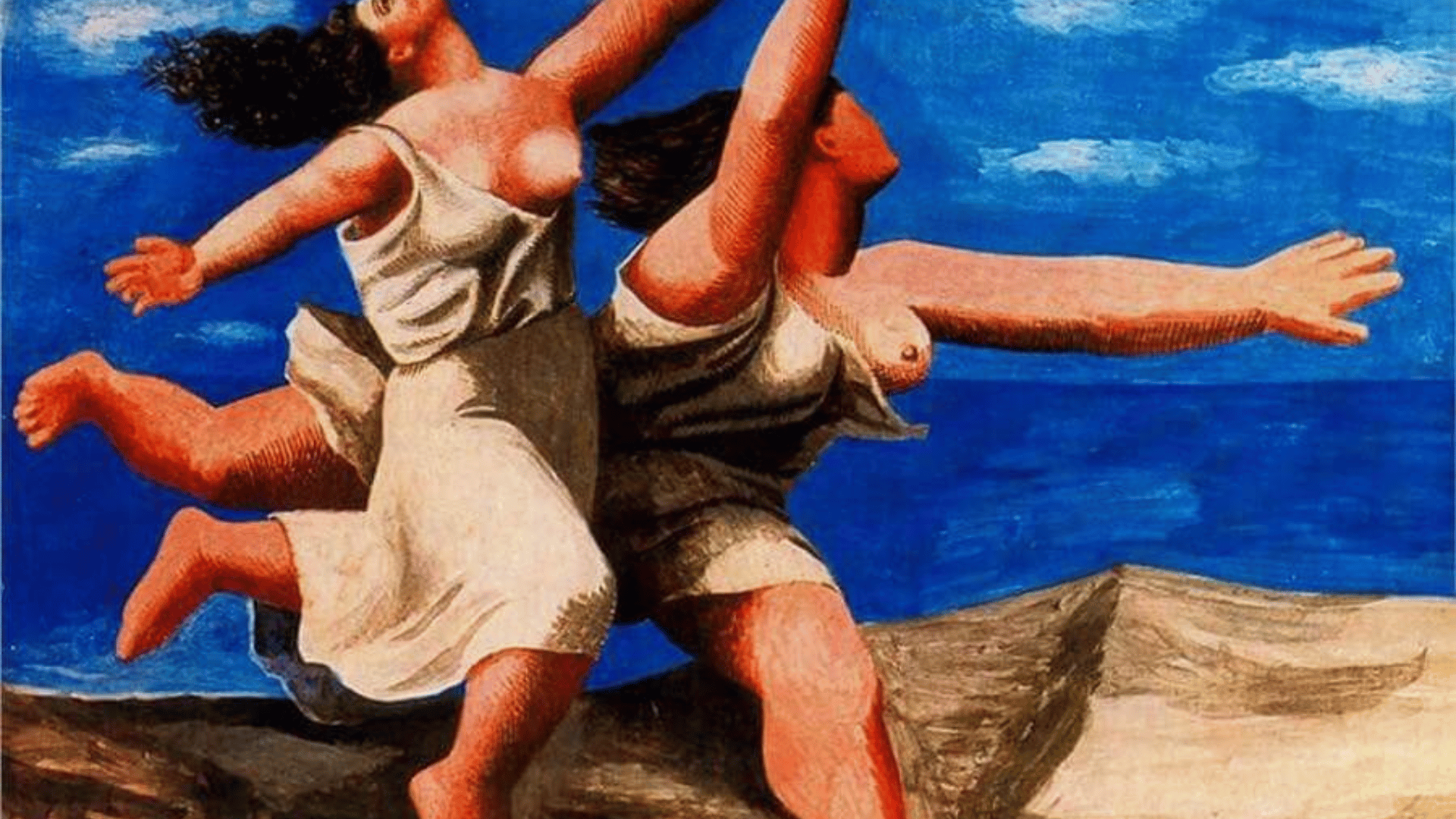
Sources: pablopicasso
As modern art movements emerged, some artists rejected classical traditions, while others reinterpreted them in new ways.
Painters and sculptors such as Pablo Picasso and Aristide Maillol borrowed classical themes and forms but adapted them to contemporary styles.
Famous Classical Painters and Paintings
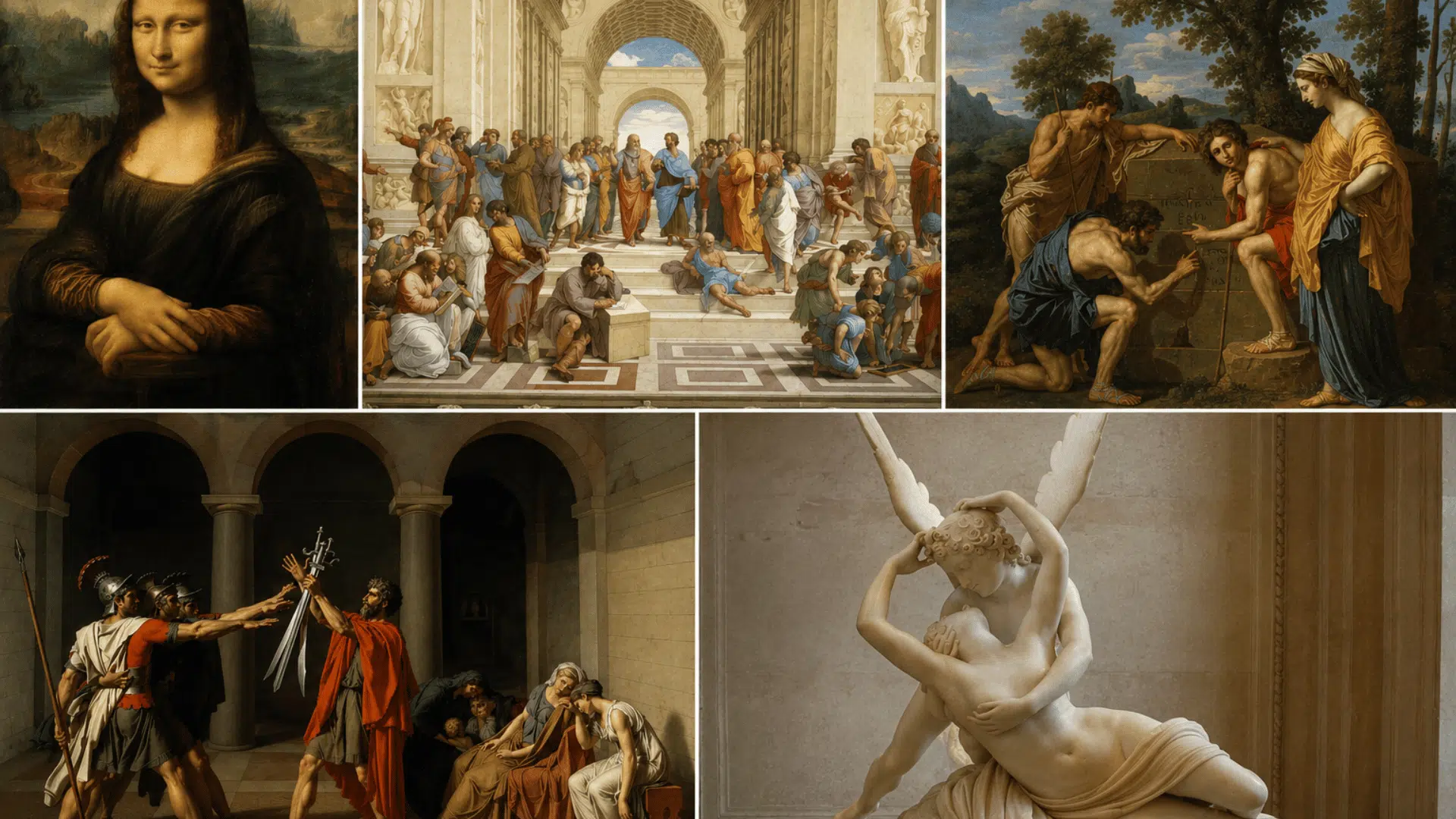
Each artist brought their own interpretation to the movement while staying true to its core principles of order, proportion, and the human form.
- Leonardo da Vinci, known for the Mona Lisa, combined scientific precision with classical ideals to produce some of the most studied paintings in history.
- Raphael, known for The School of Athens, mastered proportion and graceful composition, making him one of the greatest classical painters.
- Jacques-Louis David, known for the Oath of the Horatii, used classical composition and moral storytelling to become the leading painter of the Neoclassical movement.
- Nicolas Poussin, known for Et in Arcadia Ego, applied strict classical structure and mythological subject matter, becoming one of the defining painters of 17th-century Classicism.
- Antonio Canova, known for Psyche Revived by Cupid’s Kiss, brought Neoclassical ideals into sculpture through refined human forms, emotional restraint, and flawless marble technique.
Classical Arts Vs Other Arts Movement
It has a distinct identity, but it is best understood when placed alongside the movements that followed or challenged it.
| Features | classical Art | Other art |
| Period | 500 BC to 400 AD, revived across history | Varied across centuries |
| Composition | Balanced, ordered, structured | Ranges from dramatic to free and expressive |
| Subject Matter | Mythology, history, virtue, civic duty | Ranges from religion and power to everyday life |
| Emotion | Restrained and controlled | Ranges from theatrical to raw and personal |
| Human Form | Idealized and perfect | Ranges from realistic to emotional and expressive |
Legacy of Classical Art in Today’s World
This art never truly left. Its principles quietly shape the world around us in ways most people do not immediately recognize.
- Architecture: Government buildings, courthouses, and universities across the world still follow classical principles of symmetry, proportion, and column-based structure.
- Modern Art Education: Art schools still teach figure drawing, proportion, and composition rooted in classical standards.
- Film and Visual Media: Directors and cinematographers use classical composition principles to frame shots.
- Advertising and Design: Clean layouts, proportional grids, and the use of the human form in advertising all trace back to classical ideals.
- Fine Art: Contemporary painters and sculptors still reference classical works for technique, subject matter, and compositional structure.
The Bottom Line
Classical art is more than old paintings hanging in museums.
It is a tradition built on order, beauty, and a strong appreciation for the human form, one that shaped centuries of artistic history and continues to influence creators today.
From the balance of Greek sculpture to the bold strokes of Jacques-Louis David, you now have a solid foundation to recognize and appreciate Classicism wherever you find it.
If a painting ever caught your eye and you could not explain why, chances are Classicism had something to do with it. Read more art history posts on our blog and keep building your knowledge one movement at a time.
Frequently Asked Questions
Why Did Classical Artists Idealize the Human Body?
Classical artists viewed the human body as a symbol of beauty, reason, and perfection, emphasizing ideal proportions over realism.
Is Classical Art Only About Paintings?
No, it includes sculpture, architecture, pottery, mosaics, and other forms beyond painting.
Did Women Play a Role in Classical Art?
Women were common subjects in this art, though few were recognized as artists due to social restrictions.
Can Classical Art Be Found Outside Europe?
Yes, while rooted in Europe, it influenced cultures worldwide through trade, education, and cultural exchange.
What Role Did Mythology Play in Classical Art?
Mythology was a major source of inspiration. Artists used stories of gods, heroes, and legendary events to communicate cultural values, religious beliefs, and moral lessons.