Art has always been a powerful way to express feelings, ideas, and imagination. During the late eighteenth and early nineteenth centuries, many artists began moving away from strict artistic rules.
They created romanticism paintings that focused on emotion, dramatic storytelling, wild nature, personal freedom, and mysterious scenes.
These works often show storms, mountains, historical events, heroic figures, and moments of deep human feeling.
In this blog, you will learn about the most famous artworks, why it remain popular, and where to buy prints for your home or collection.
What are Romanticism Paintings?
Romanticism was an art movement that began in Europe during the late 18th century and remained influential through much of the 19th century.
It developed as a response to the order and logic valued during the Enlightenment.
Instead of following strict rules, Romantic artists focused on emotion, imagination, individual experience, and the power of nature.
Their works often featured dramatic landscapes, historical events, literature, and human emotion.
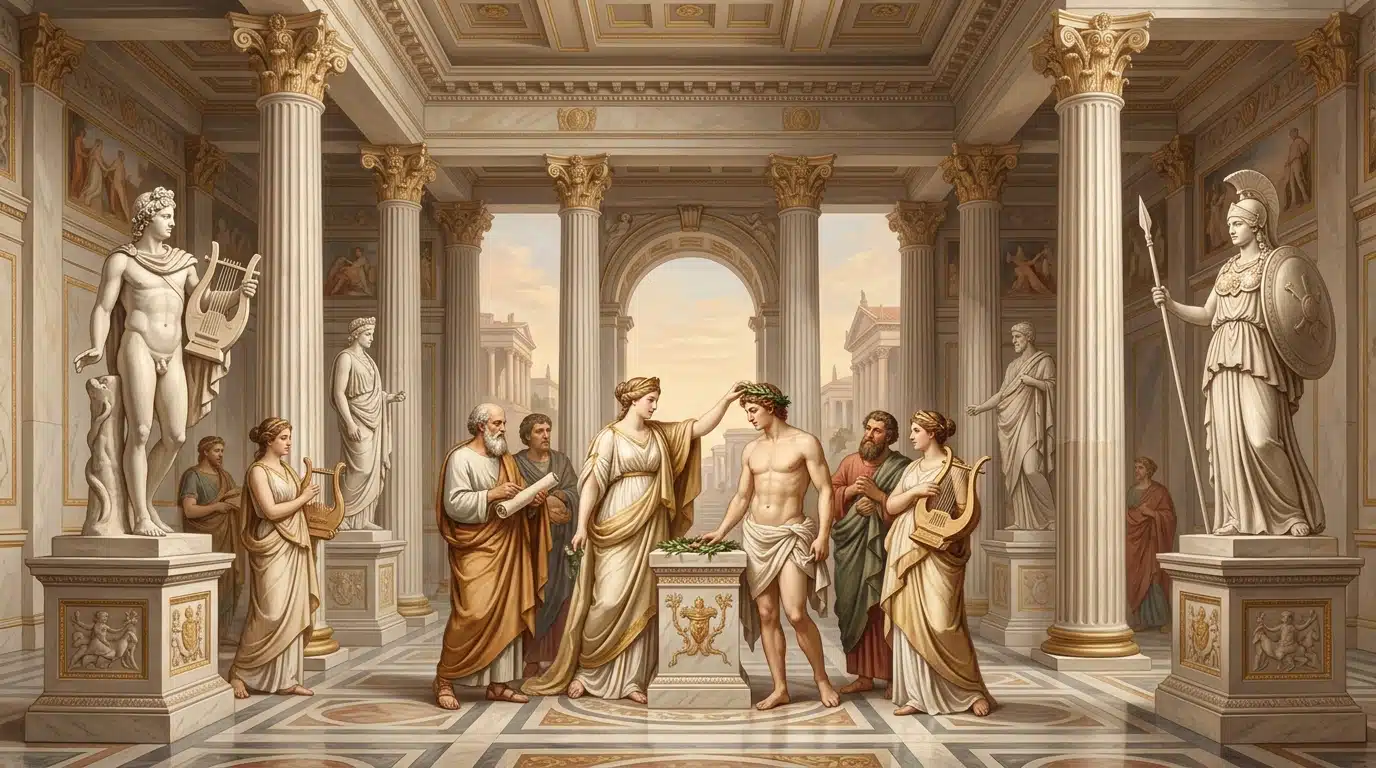
Unlike Neoclassicism, which emphasized balance, reason, and ideal forms inspired by ancient Greece and Rome, Romanticism celebrated feeling, freedom, mystery, and the beauty of the natural world.
Famous Romanticism Paintings Everyone Should Know
These iconic Romanticism art examples showcase emotional storytelling, dramatic landscapes, and powerful artistic expressions.
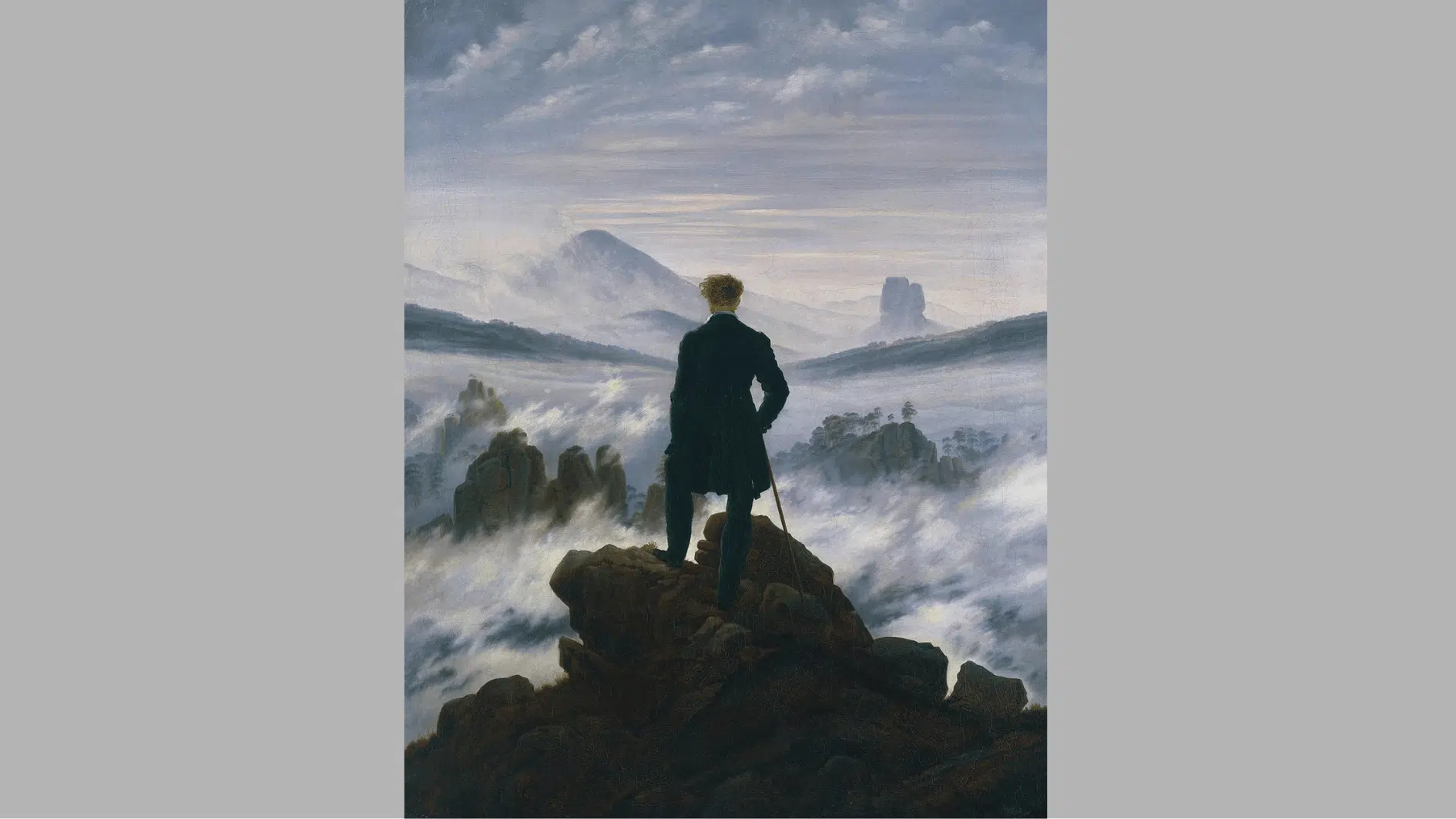
1. The Wanderer Above the Sea of Fog
Source: Britannica
A powerful symbol of Romanticism, this painting captures solitude, exploration, and the overwhelming beauty of the natural world.
- Artist: Caspar David Friedrich
- Year: 1818
- Location: Hamburger Kunsthalle, Hamburg, Germany
- Why it’s famous: This iconic painting depicts a lone traveler standing above a sea of mist, symbolizing self-reflection and humanity’s connection to nature.
2. Liberty Leading the People
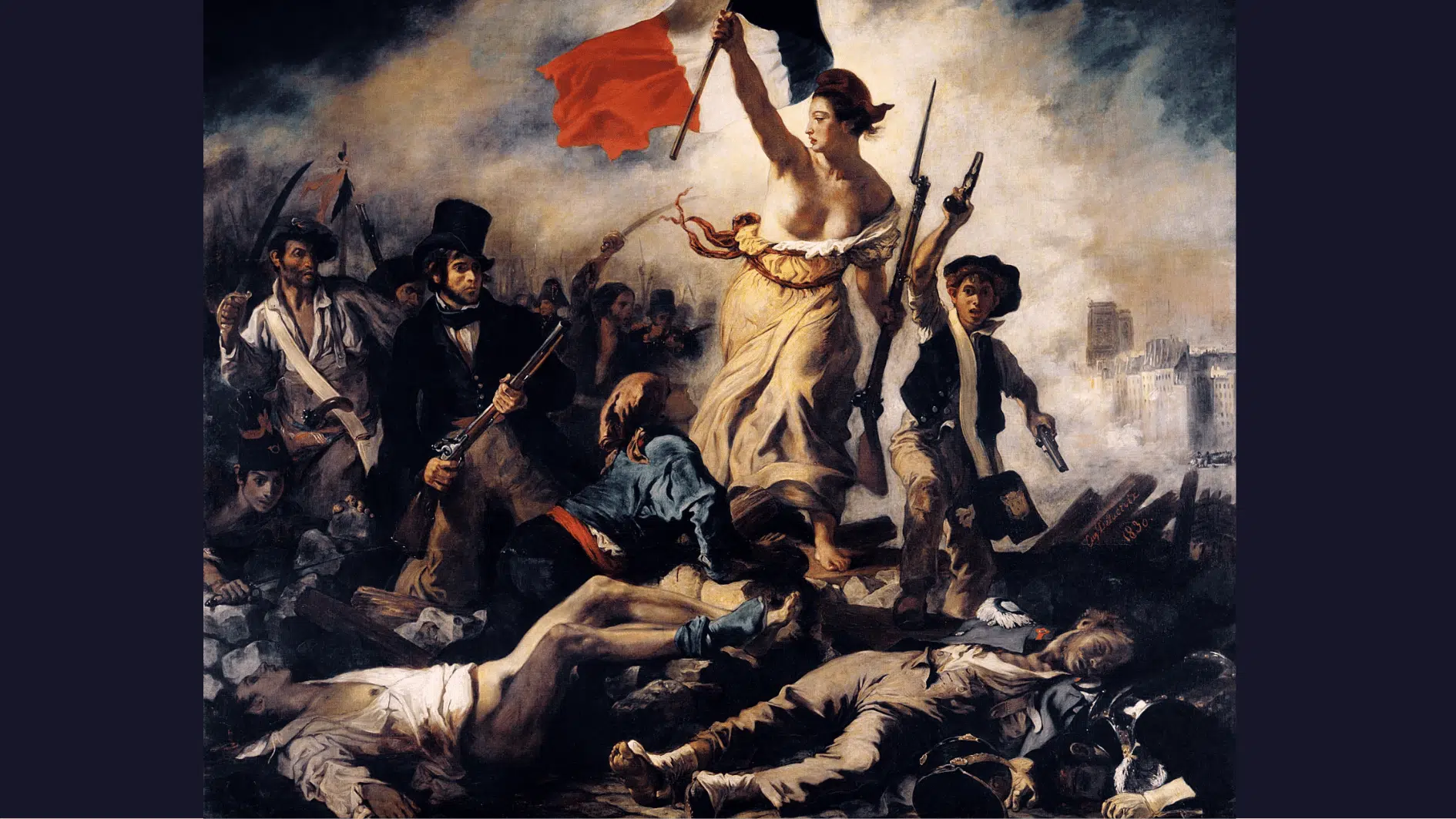
Source: Britannica
A dramatic celebration of freedom, this masterpiece combines history, emotion, and revolutionary spirit through powerful visual storytelling.
- Artist: Eugène Delacroix
- Year: 1830
- Location: Louver Museum, Paris, France
- Why it’s famous: This masterpiece captures the spirit of freedom and revolution through a dramatic scene filled with movement, emotion, and symbolism.
3. The Raft of the Medusa
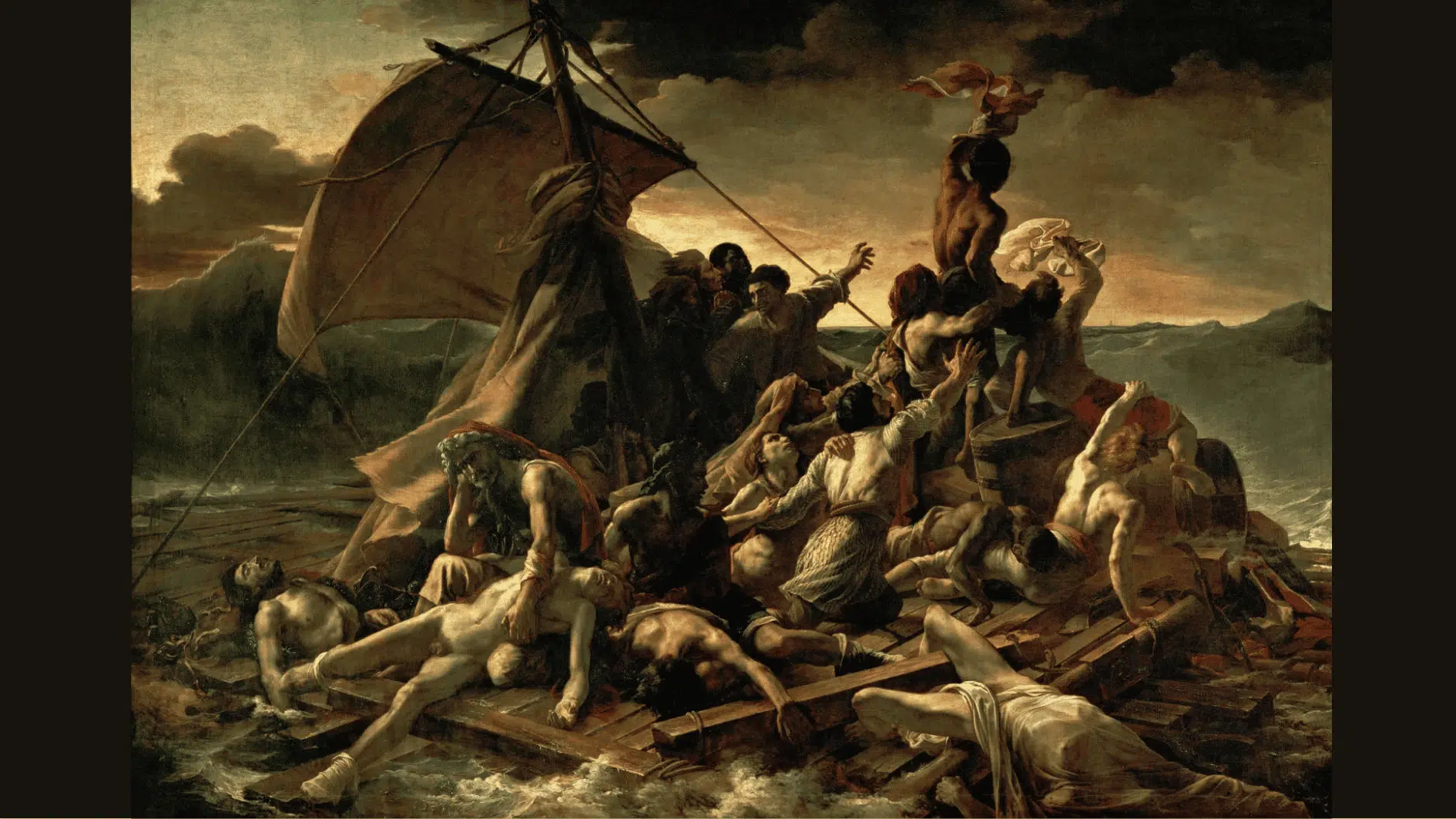
Source: Britannica
A haunting portrayal of survival, this painting captures human desperation, courage, and the struggle against impossible circumstances.
- Artist: Théodore Géricault
- Year: 1818–1819
- Location: Louver Museum, Paris, France
- Why it’s famous: This powerful painting portrays shipwreck survivors struggling for survival, highlighting human suffering, hope, and resilience.
4. The Fighting Temeraire
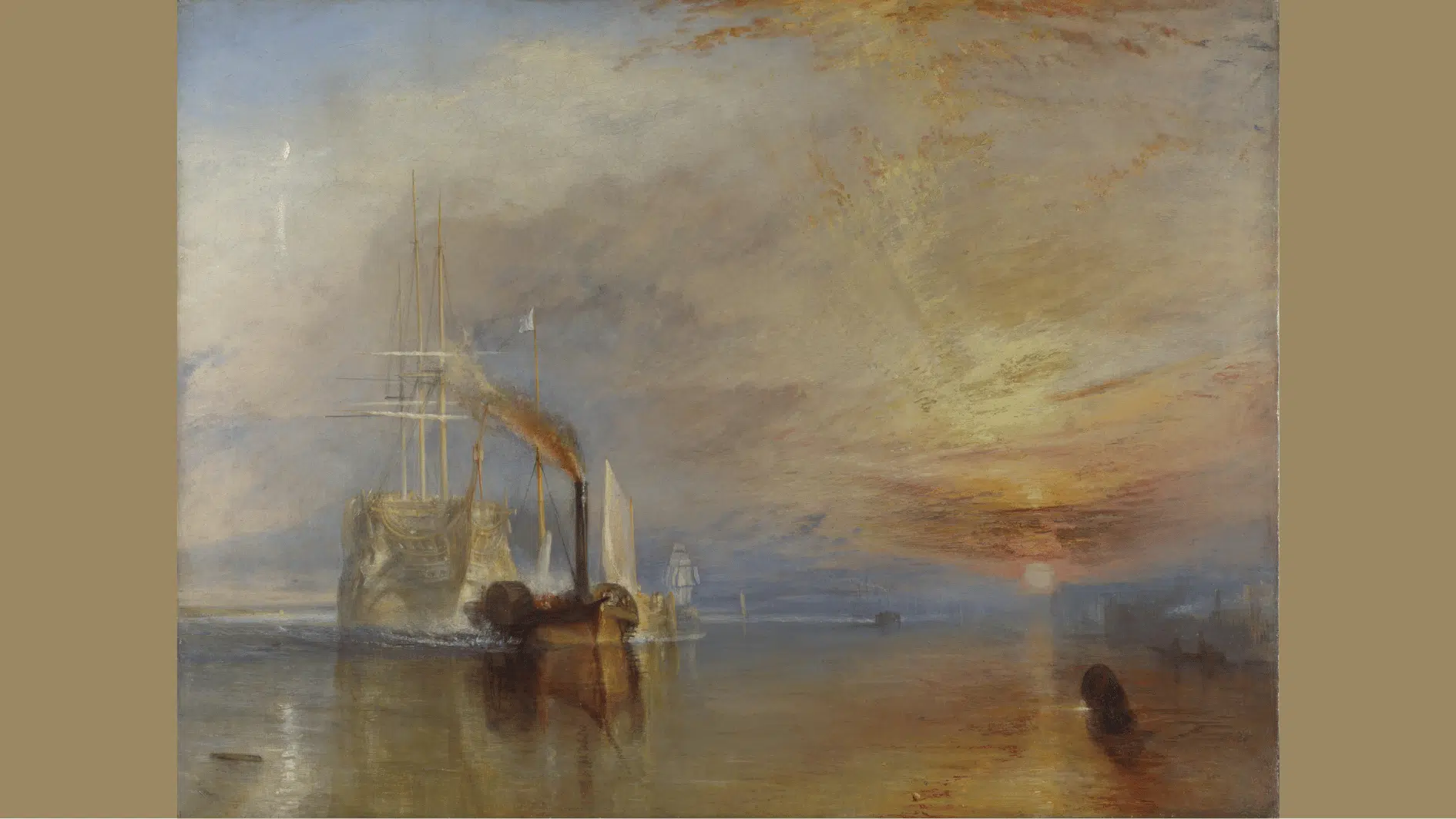
Source: Wikipedia
A poetic farewell to a legendary ship, this artwork reflects change, memory, and the beauty of a fading era.
- Artist: J. M. W. Turner
- Year: 1839
- Location: National Gallery, London, England
- Why it’s famous: Turner’s famous seascape shows a historic warship’s final journey, symbolizing change and the passing of an era.
5. The Third of May 1808
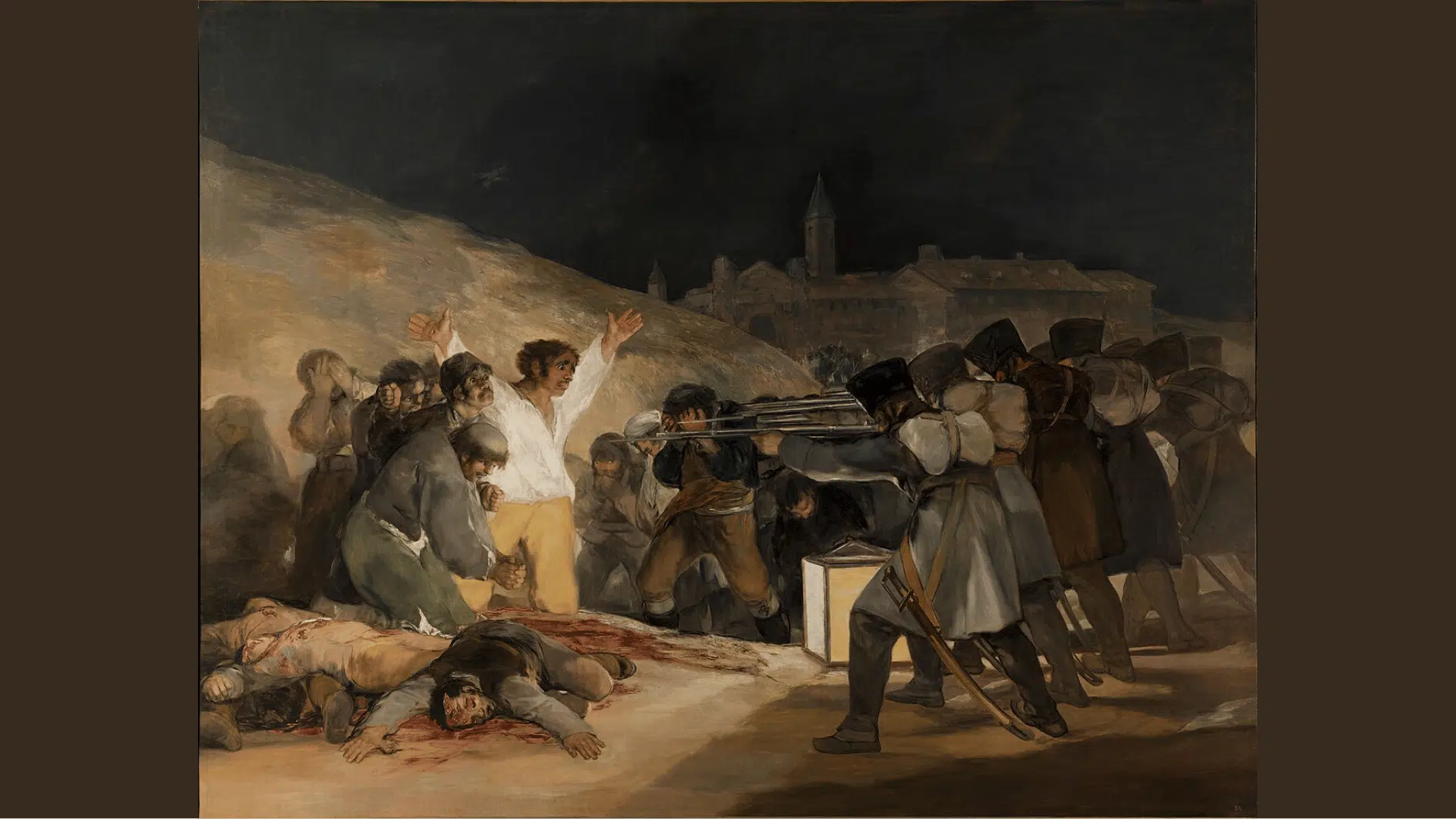
Source: Wikipedia
A powerful depiction of human suffering, this painting highlights the tragedy of war and the strength of resistance.
- Artist: Francisco Goya
- Year: 1814
- Location: Museo del Prado, Madrid, Spain
- Why it’s famous: Goya’s emotional masterpiece portrays the brutality of war and became a symbol of courage, suffering, and resistance.
6. The Hay Wain
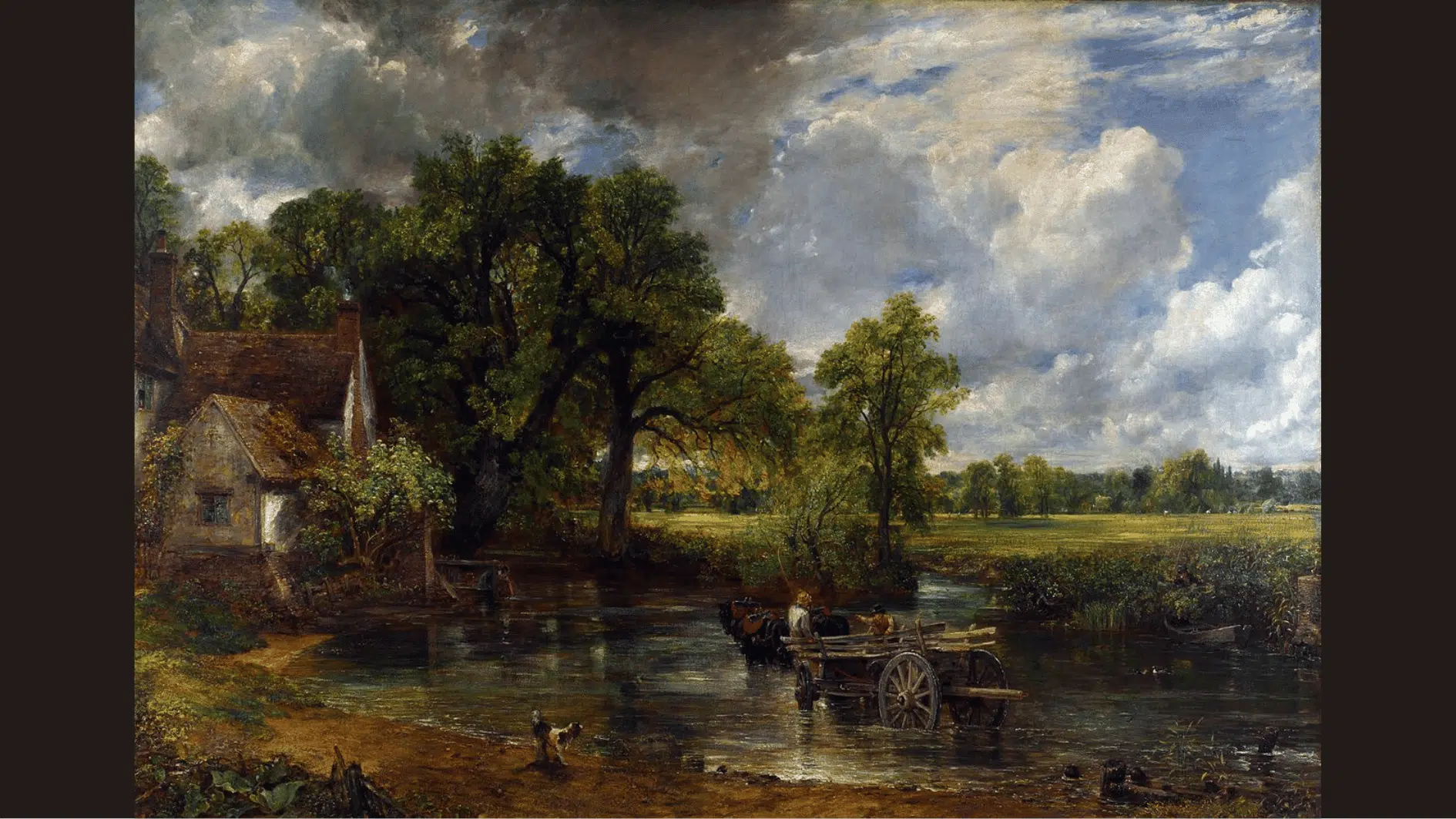
Source: Wikipedia
A peaceful celebration of rural life, this landscape showcases the beauty and simplicity of the English countryside.
- Artist: John Constable
- Year: 1821
- Location: National Gallery, London, England
- Why it’s famous: This peaceful countryside scene celebrates rural landscapes and Constable’s detailed appreciation of nature.
7. The Nightmare
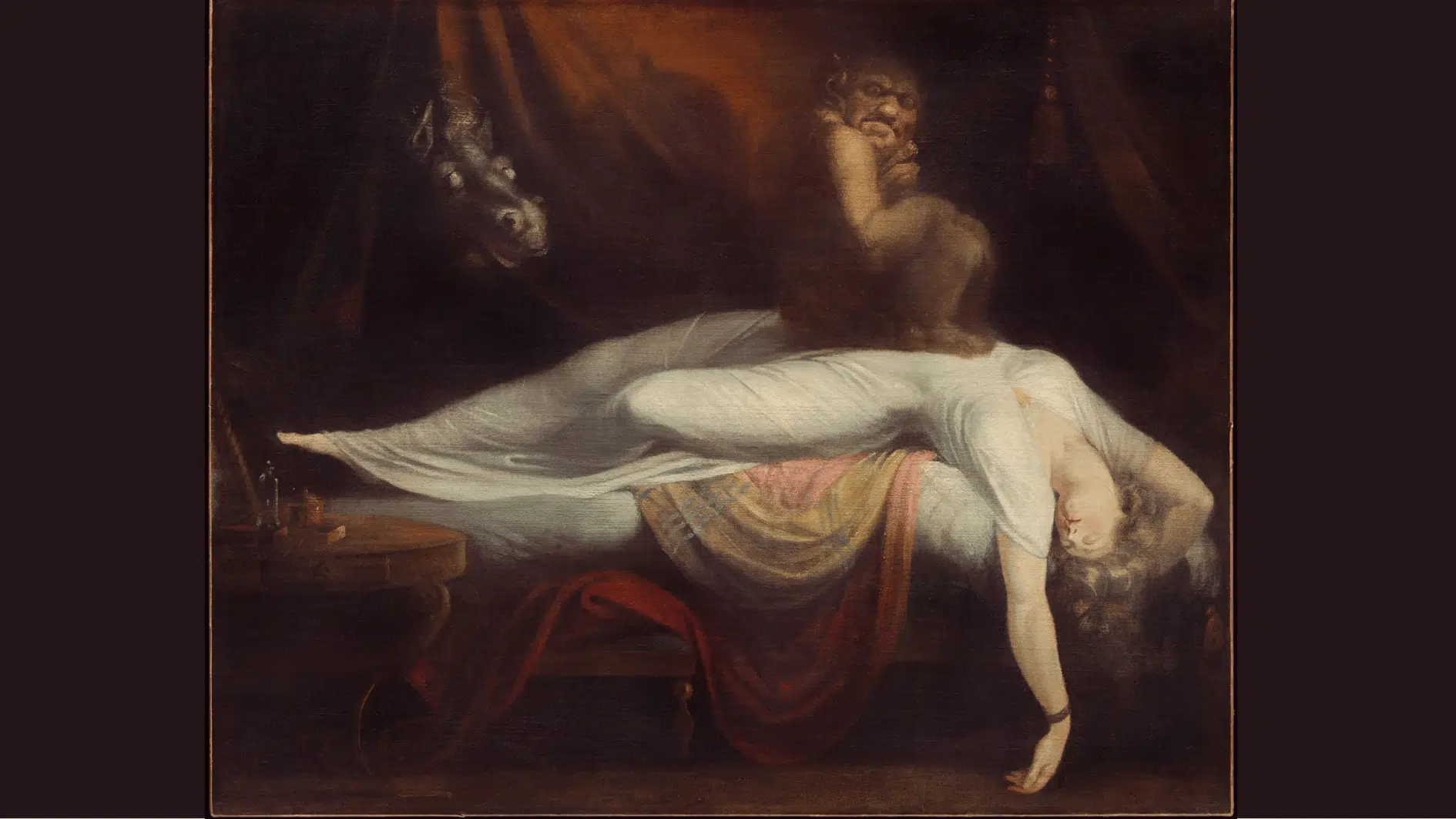
Source: Britannica
A mysterious and unsettling artwork, this painting examines dreams, fear, imagination, and the darker side of human emotions.
- Artist: Henry Fuseli
- Year: 1781
- Location: Detroit Institute of Arts, Detroit, USA
- Why it’s famous: This haunting artwork captures dreams, fear, and imagination, representing the darker side of Romanticism.
8. The Slave Ship
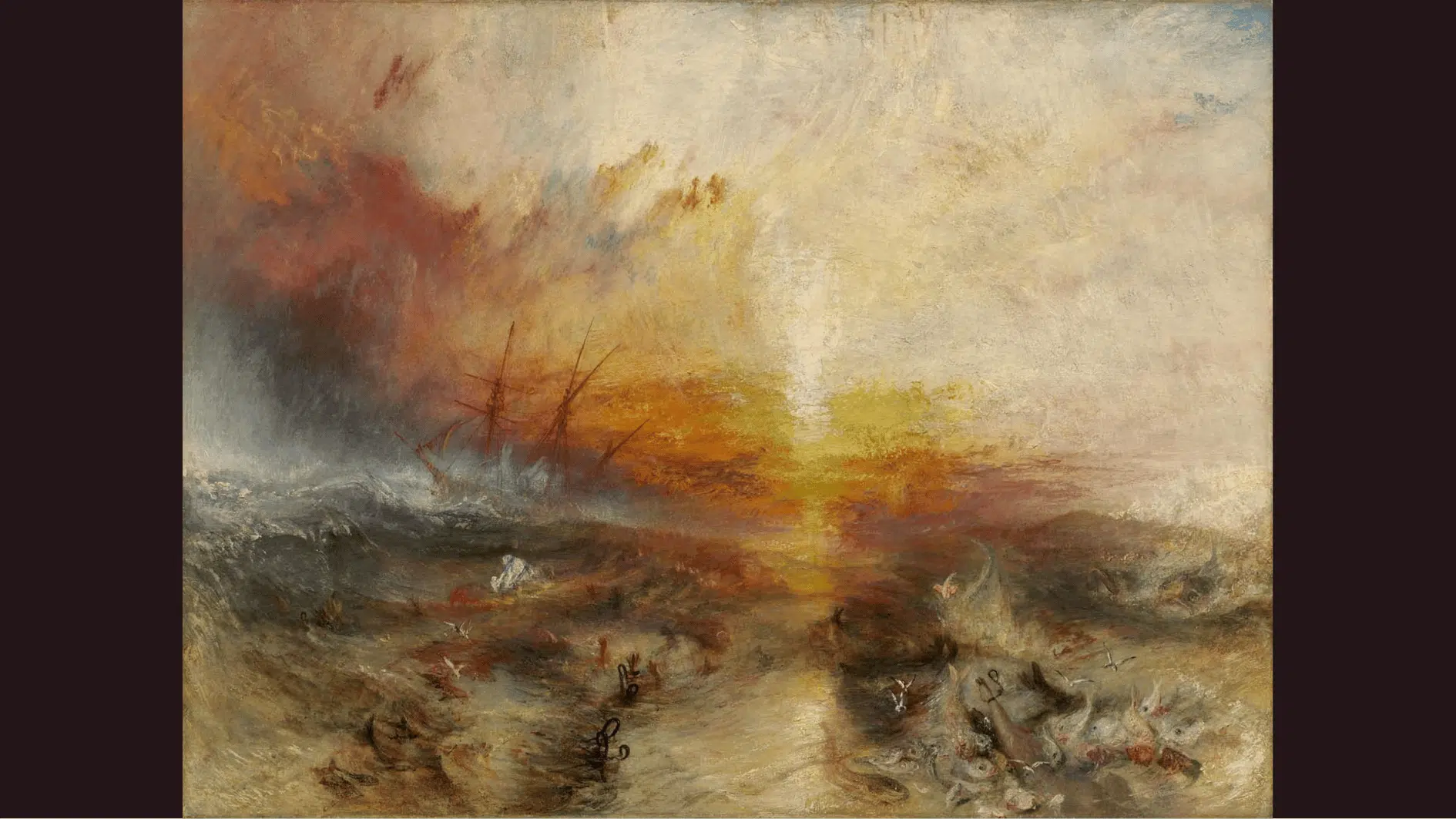
Source: Wikipedia
A dramatic reflection on human suffering, this painting combines powerful emotion with a turbulent vision of nature.
- Artist: J. M. W. Turner
- Year: 1840
- Location: Museum of Fine Arts, Boston, USA
- Why it’s famous: Turner combines a dramatic ocean scene with powerful social commentary, highlighting human suffering and injustice.
9. The Sea of Ice
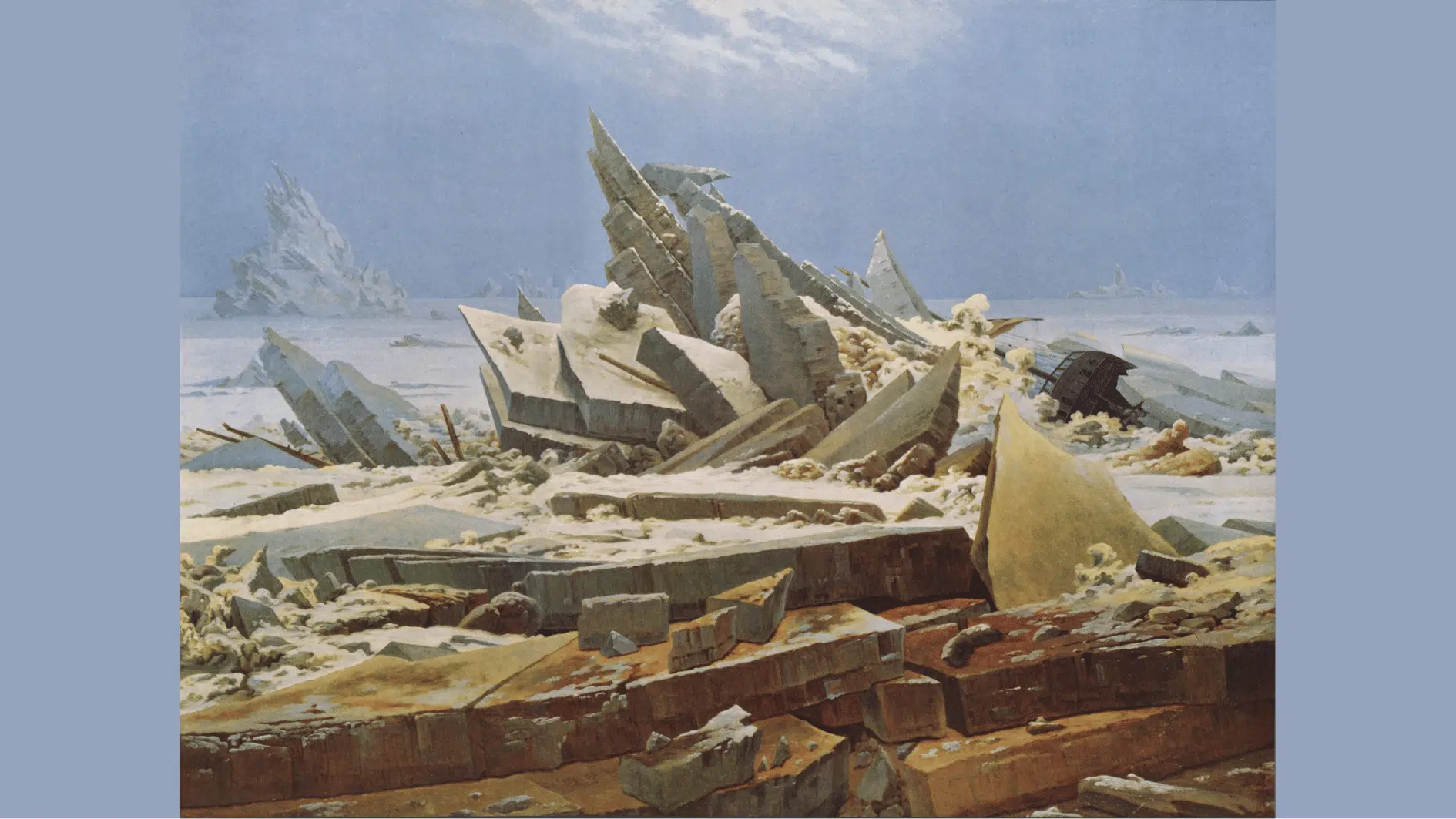
Source: Wikipedia
A breathtaking study of nature’s power, this painting shows humanity’s vulnerability in the face of an unforgiving landscape.
- Artist: Caspar David Friedrich
- Year: 1823–1824
- Location: Hamburger Kunsthalle, Hamburg, Germany
- Why it’s famous: This frozen landscape represents nature’s overwhelming power and humanity’s vulnerability.
10. Snow Storm: Steam-Boat off a Harbor’s Mouth
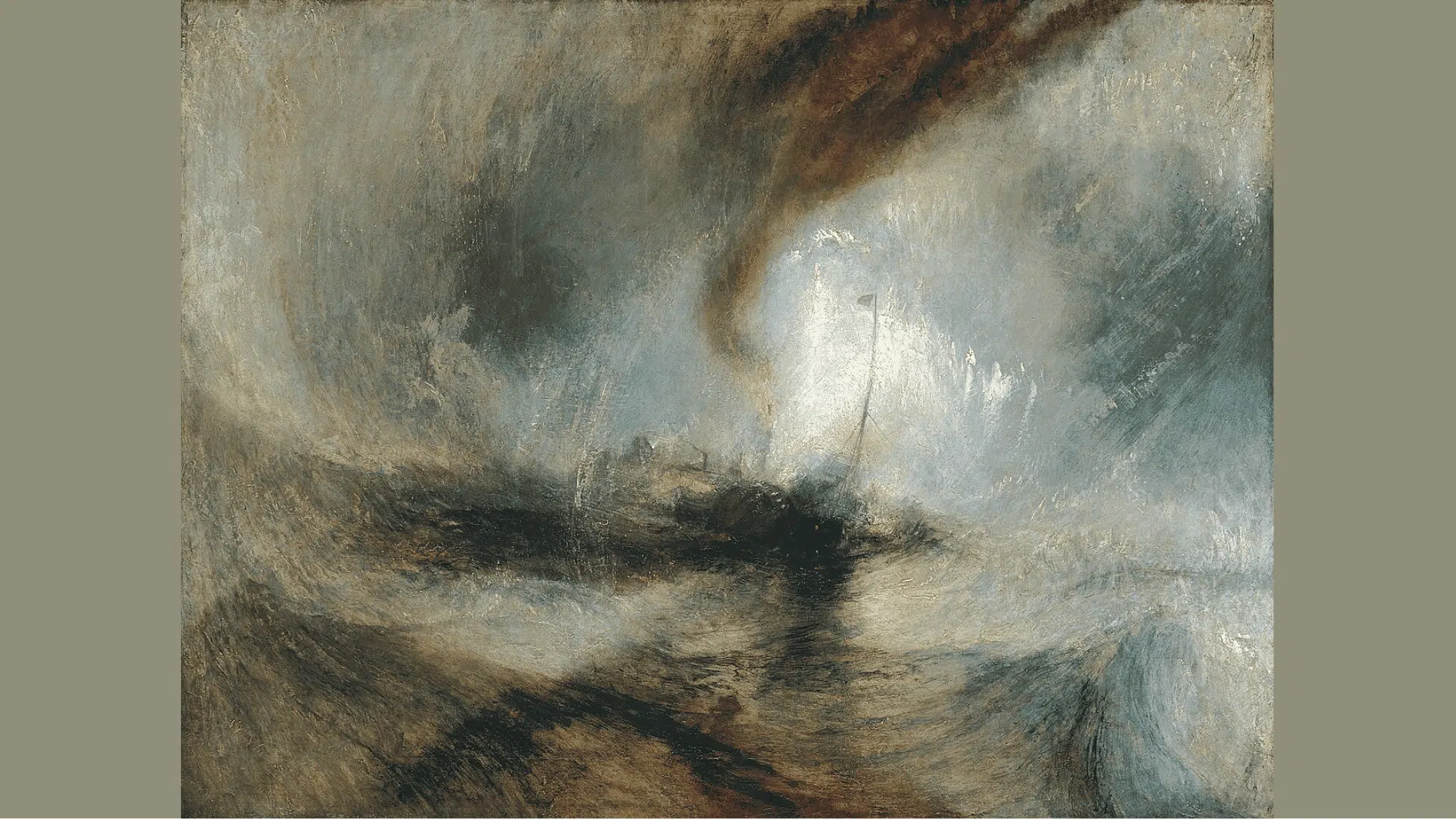
Source: Wikipedia
A bold exploration of movement and chaos, this painting captures the raw force of nature through light and atmosphere.
- Artist: J. M. W. Turner
- Year: 1842
- Location: Tate Britain, London, England
- Why it’s famous: Turner captures the force of nature through swirling movement, light, and atmosphere in this dramatic seascape.
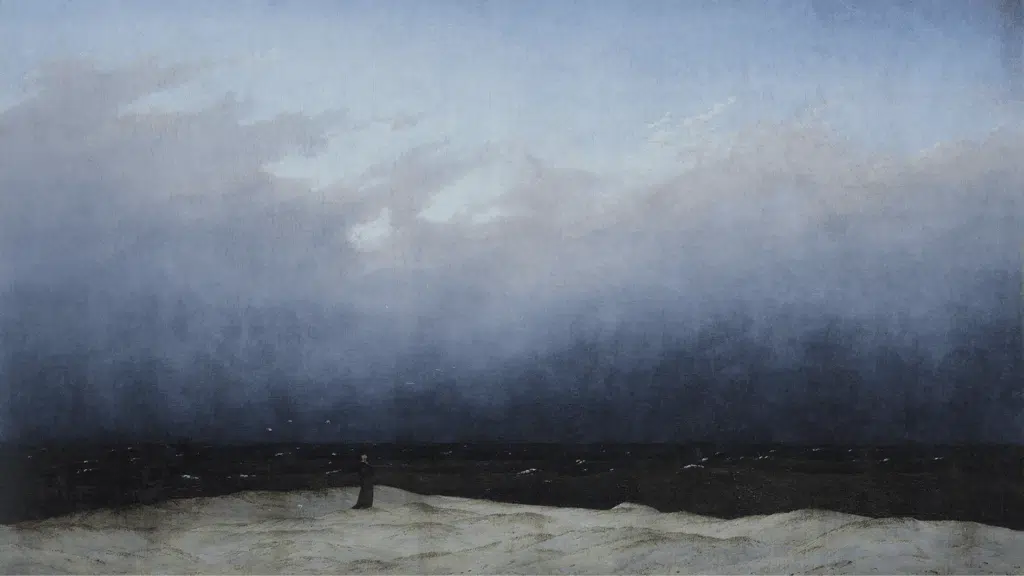
11. The Monk by the Sea
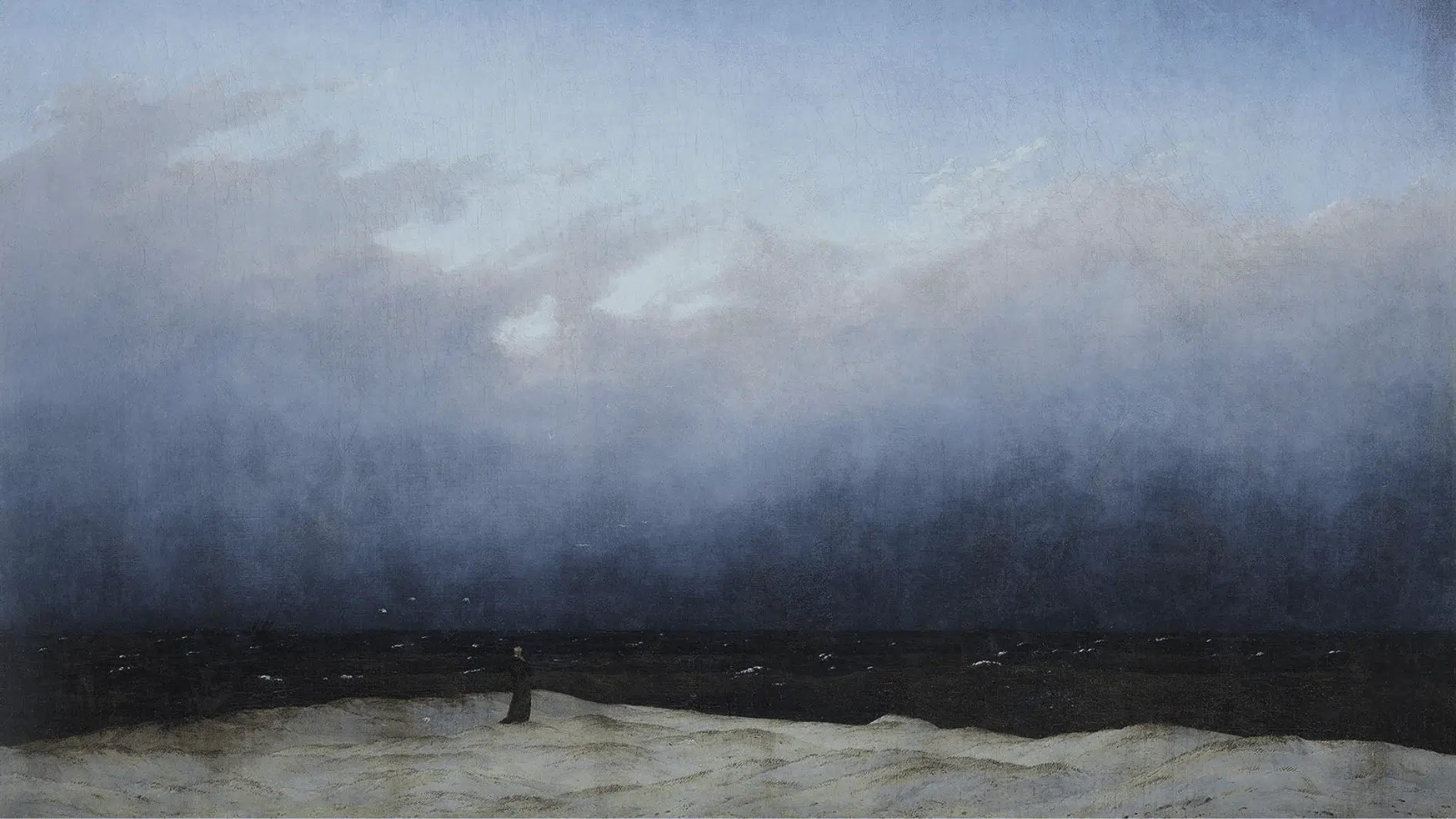
Source: Britannica
A quiet reflection on solitude, this painting expresses the relationship between humanity, nature, and the unknown.
- Artist: Caspar David Friedrich
- Year: 1808–1810
- Location: Alte Nationalgalerie, Berlin, Germany
- Why it’s famous: This minimalist landscape expresses solitude, infinity, and humanity’s relationship with the unknown. Its bare, almost abstract emptiness feels startlingly close to later minimalist art painted more than a century afterward.
Famous Romanticism Paintings by Era
Romanticism evolved across different periods, with artists using emotion, nature, and imagination to create powerful works that shaped the history of art.
| Era | Time Period | Key Artists | Defining Style |
|---|---|---|---|
| Early Romanticism | Late 1700s to Early 1800s | Caspar David Friedrich, Henry Fuseli, Francisco Goya | Focused on emotion, imagination, mystery, and the power of nature. |
| High Romanticism | 1810s to 1830s | Eugène Delacroix, Théodore Géricault, J. M. W. Turner | Known for dramatic compositions, intense emotions, movement, and historical storytelling. |
| Later Romanticism | 1830s to 1850s | John Constable, J. M. W. Turner, Caspar David Friedrich | Emphasized landscapes, atmosphere, light, and humanity’s connection with nature. |
You’ll spot several of these on lists of the most influential famous artists throughout history, since Romanticism reshaped what came after it.
Why Romanticism Paintings are Still Popular Today?
Romantic artworks remain popular because their emotional depth, striking scenery, and timeless subjects continue to suit both personal collections and modern interiors.
- Emotional appeal: These artworks show feelings such as love, fear, hope, sadness, and wonder, helping viewers form a strong personal connection.
- Timeless themes: Ideas like freedom, nature, heroism, imagination, and human struggle remain meaningful across different cultures and generations.
- Beautiful landscapes: Mountains, forests, oceans, storms, and glowing skies create dramatic scenes that hold attention and add visual interest.
- Home decoration: Prints can bring warmth, character, and a classic feel to living rooms, bedrooms, studies, offices, and hallways.
- Collector interest: Art lovers value these works for their history, artistic style, and cultural importance, while quality reproductions offer affordable collecting options.
Where to Buy Romanticism Paintings and Prints?
Museum gift shops are a reliable place to find licensed prints of well-known Romantic artworks.
Online art marketplaces offer more choices in size, style, and price, but seller reviews should be checked before buying. A few trusted options include 1000museums, OverstockArt, and GreatBigCanvas.
Licensed print stores often provide better paper quality and accurate colors. Local galleries may carry reproductions, vintage prints, or works inspired by the movement.
Compare material, print resolution, frame quality, return policies, and shipping costs before making a final choice.
The Bottom Line
Romantic art remains meaningful because it captures emotion, imagination, nature, and human experience in a powerful visual form.
Each artwork offers a different mood, from peaceful reflection to intense conflict.
For collectors and home decorators, romanticism paintings are available as museum prints, framed reproductions, and canvas copies.
Before buying, check the print quality, size, frame style, seller reputation, and return policy.
A carefully chosen piece can add history, depth, and personality to a room without making the space feel too formal.
Which Romantic artwork would you choose for your home or collection? Share your favorite painting in the comments below.
Frequently Asked Questions
What Makes Romanticism Paintings Unique?
They combine emotion, imagination, dramatic visuals, and the beauty of nature in powerful artistic expressions.
Who are the Most Famous Romanticism Artists?
Caspar David Friedrich, J. M. W. Turner, Eugène Delacroix, Théodore Géricault, and Francisco Goya are among the leading Romanticism artists.
How Do I Choose a Romanticism Art Print?
Consider the artwork’s theme, size, colors, print quality, and how it matches your space.
Why are Romanticism Paintings Popular for Décor?
Their emotional storytelling and dramatic beauty make them timeless choices for home and office interiors.