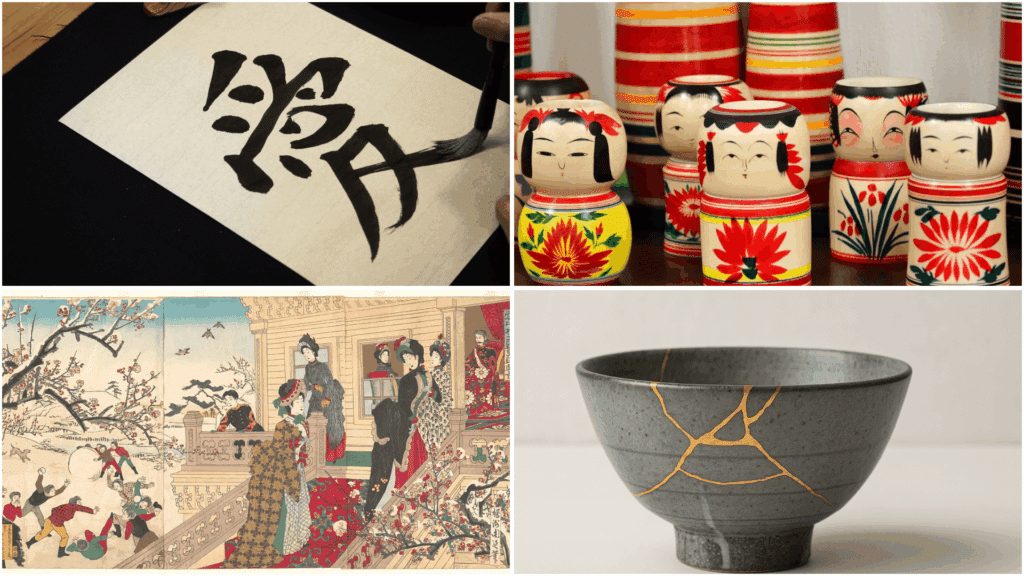
Imagine walking through ancient Japan and seeing beautiful paintings, sculptures, and crafts that tell stories of samurai, nature, and everyday life.
Traditional Japanese art spans over 1,000 years and includes incredible styles like delicate watercolor paintings, colorful woodblock prints, and graceful calligraphy.
Japanese artists drew inspiration from nature and legends, creating works on silk scrolls, woodblocks, ceramics, and folding screens that adorned homes and palaces.
The famous “Great Wave off Kanagawa” print was so popular that the artist, Hokusai, created over 5,000 copies! Back then, art prints were like today’s posters – affordable art that everyone could enjoy.
What type of Japanese art sounds most interesting to you, nature paintings, warrior scenes, or something else?
Why Traditional Japanese Art Matters Today?
Traditional Japanese art still influences our world today in amazing ways. Japanese ideas like wabi-sabi (finding beauty in imperfect things) and minimalism inspire modern designers and architects.
Many famous artists like Van Gogh and Monet were inspired by Japanese woodblock prints called ukiyo-e, which changed how they painted.
Today, you can see Japanese artistic ideas in fashion, home decoration, and graphic design everywhere. Japan is also mixing old traditions with new technology, for example, using computers to help create traditional silk weaving patterns.
This shows how ancient art forms can stay alive and relevant in our modern digital world while keeping their original beauty and meaning.
The Rich History of Traditional Japanese Art
Japanese art evolved over thousands of years, blending native traditions with foreign influences. This journey shows how artists adapted while maintaining their unique cultural identity.
| PERIOD | YEARS | KEY DEVELOPMENTS |
|---|---|---|
| Jomon | 10,000-300 BCE | First pottery with cord markings |
| Nara | 710-784 | Buddhist influence, clay figures, scroll paintings |
| Heian | 794-1185 | Yamato-e style, distinctly Japanese art, emerges |
| Kamakura | 1185-1333 | Literature integrated with the visual arts |
| Muromachi | 1336-1573 | Chinese Zen aesthetic influence |
| Edo | 1603-1867 | Ukiyo-e woodblock prints, merchant class art |
| Meiji | 1868-1912 | Western influence creates artistic duality |
This rich artistic timeline demonstrates Japan’s ability to absorb foreign influences while developing distinctive styles. It continues inspiring modern artists worldwide.
Major Traditional Japanese Art Styles and Movements
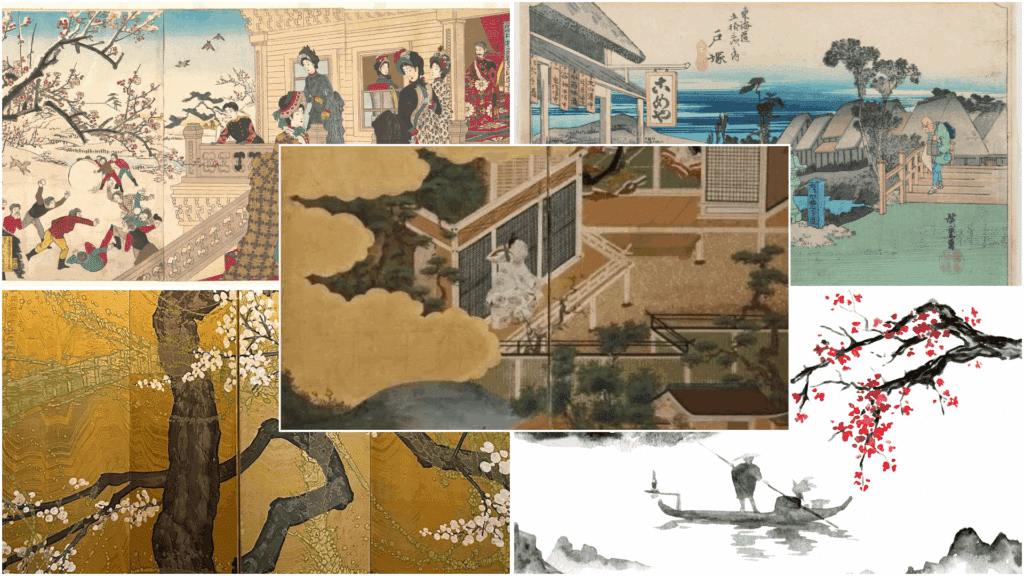
Japanese art developed many distinctive styles over centuries, each reflecting the culture and values of its time. These movements show how artists adapted techniques while maintaining uniquely Japanese aesthetics.
1. Yamato-e (Japanese-Style Painting)
Created during the 10th-11th century Heian period, Yamato-e featured seasonal themes, Japanese literature references, and soft rolling hills.
This became Japan’s first truly distinctive painting style, breaking away from Chinese artistic influence and establishing a uniquely Japanese visual language.
2. Ukiyo-e (Floating World Pictures)
Emerging in the 17th-19th centuries, Ukiyo-e used woodblock printing to show daily life, landscapes, actors, and sumo wrestlers.
Master artists like Hokusai and Hiroshige created affordable art for merchants, later influencing Western Impressionist painters like Van Gogh and Monet.
3. Nihonga (Japanese Painting)
This late 19th-century movement revived traditional techniques using natural pigments from minerals, shells, and corals.
Artists applied these materials with animal glue and gold leaf, creating a bridge between traditional Japanese art and modern artistic expression that continues today.
4. Sumi-e (Ink Wash Painting)
Influenced by Zen Buddhism, Sumi-e emphasizes minimalism using black ink brush painting.
Artists focus on empty space called “Ma,” painting subjects like landscapes, bamboo, and birds while treating the artistic process as meditation and spiritual practice.
5. Kanō and Tosa Schools
The Kanō School featured bold compositions with vibrant colors, while the Tosa School specialized in miniature illustrations for imperial court art.
Both schools influenced Japanese artistic development through their distinct approaches to color, composition, and subject matter.
These traditional art styles continue to influence contemporary Japanese and global artists. Their techniques and philosophies demonstrate the enduring power of Japanese aesthetic principles in modern creative expression.
Traditional Japanese Art Forms Beyond Painting
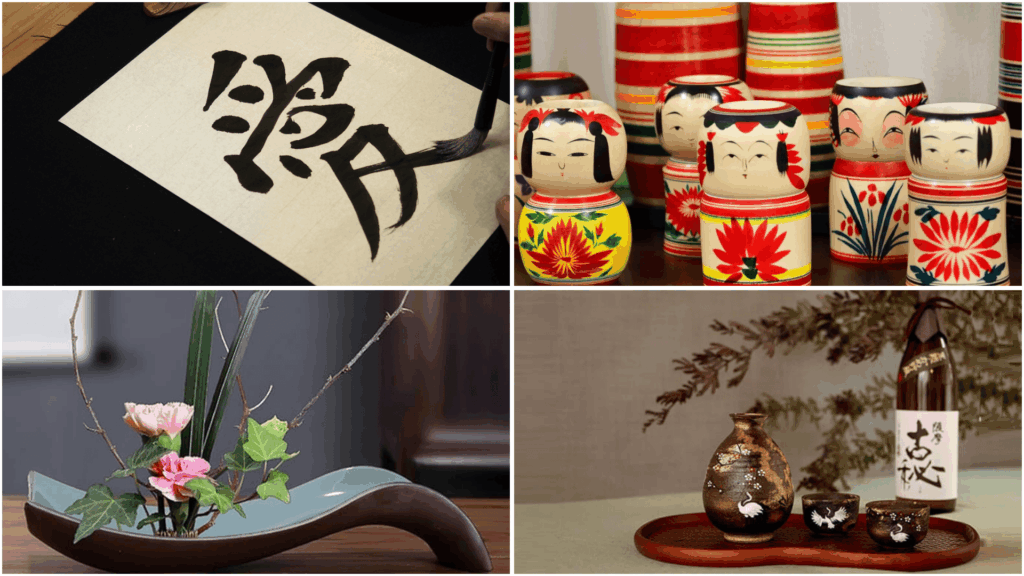
Japanese artistic expression goes beyond painting into diverse practices blending functionality with beauty, showing how daily activities can become profound artistic and spiritual disciplines.
1. Shodō (Japanese Calligraphy)
Adapted from Chinese writing traditions, Shodō features three main styles: Kaisho (block), Gyosho (semi-cursive), and Sosho (cursive).
This art form connects writing with artistic expression, making each character a beautiful visual element that carries both meaning and aesthetic value.
2. Ikebana (Flower Arrangement)
Originating from 7th-century Buddhist altar decorations, Ikebana emphasizes balance, harmony, and simplicity.
Multiple schools teach different techniques, but all treat flower arrangement as a meditative practice that connects practitioners with nature while creating temporary artistic beauty.
3. Japanese Ceramics (Tojiki)
With over 1,000 years of tradition, Japanese ceramics developed distinctive regional styles like Tokoname and Seto pottery.
Korean innovations in the 16th century enhanced techniques, creating functional art pieces essential for tea ceremonies that embody practical beauty.
4. Traditional Sculpture and Crafts
Religious sculpture influenced by Buddhism and Shinto created spiritual art pieces.
Decorative arts, including lacquerware, metalwork, and textiles, were integrated with architectural elements, showing how Japanese artists viewed buildings as complete artistic environments rather than separate structures.
These traditional art forms remain vital parts of Japanese culture today. They demonstrate how artistic practice can alter everyday activities into meaningful expressions of beauty, spirituality, and cultural identity.
Cultural Context and Philosophy of Traditional Japanese Art
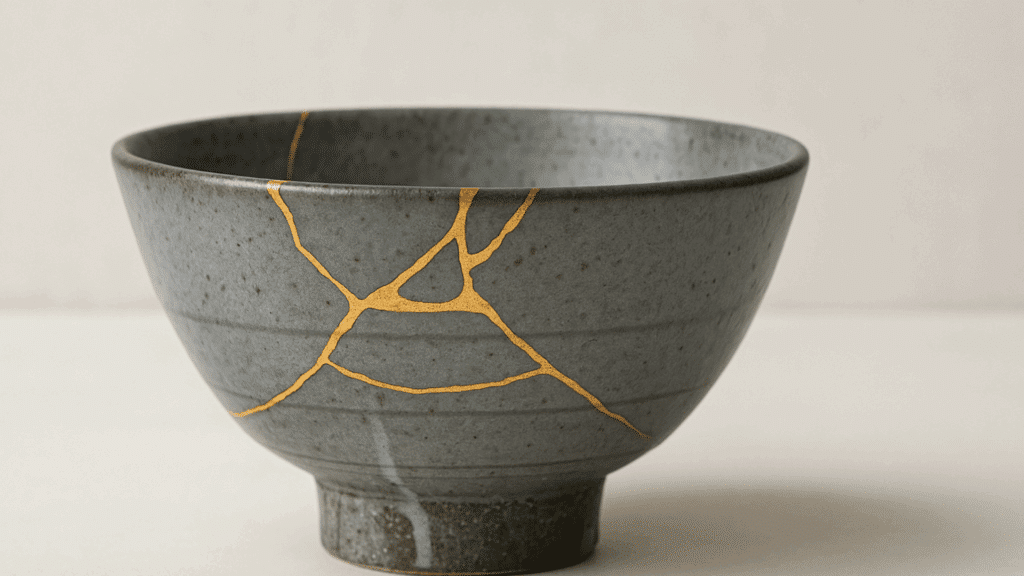
Japanese art follows unique beauty concepts. Wabi-sabi finds beauty in broken or aging things, like weathered wood. “Ma” values empty space equally with filled areas, creating balance. Mono no aware describes bittersweet feelings watching change, like cherry blossoms falling.
Religion deeply influenced art. Buddhism introduced spiritual stories and temple sculptures. Shinto connected art to nature spirits. Zen Buddhism promoted simple, meditative designs.
Different social groups supported various styles. Emperors funded court paintings, while merchants later supported woodblock prints, creating Japan’s rich artistic heritage.
Evolution into Modern Times
Japanese art underwent dramatic changes as the country opened to Western influence. This evolution created new artistic categories while preserving traditional techniques.
| Period | Key Changes | Art Forms |
|---|---|---|
| Meiji (1868-1912) | Western techniques introduced | Oil painting, Yōga vs. Nihonga division |
| Early 20th Century | Cultural identity preservation | Traditional techniques maintained |
| Post-WWII | Modernization accelerated | International museum recognition |
| Contemporary | Pop culture emergence | Manga, anime, digital art |
| Global Era | Worldwide influence | Japanese aesthetics in global design |
Modern Japanese art successfully balances tradition with innovation. Contemporary artists continue to honor ancient principles while embracing new technologies and global artistic movements.
Where to Experience Traditional Japanese Art Today?
You can explore it in many exciting ways, from visiting world-class museums to trying hands-on activities. These experiences help you understand and appreciate Japan’s rich artistic heritage.
- Major Museums: Tokyo National Museum and Kyoto National Museum house amazing collections of ancient paintings, sculptures, and crafts that show thousands of years of Japanese art history.
- Hands-On Classes: Take calligraphy, ikebana flower arranging, or pottery workshops at cultural centers to learn traditional techniques from expert teachers.
- Temple Visits: See religious art in its original setting by visiting Buddhist temples and Shinto shrines throughout Japan.
- Seasonal Festivals: Experience art during cultural celebrations where traditional crafts, performances, and decorations come alive.
- Virtual Tours: Explore online museum collections and watch educational videos to learn about Japanese art from anywhere in the world.
These experiences connect you directly with Japan’s artistic traditions. Whether visiting in person or exploring virtually, you’ll uncover the timeless beauty of traditional Japanese art.
The Final Brushstroke
Traditional Japanese art takes us on an incredible adventure through centuries of amazing creativity and deep cultural meaning.
From the earliest rope-patterned pottery to beautiful court paintings, from simple black ink drawings to vibrant woodblock prints, every art style shows Japan’s special way of seeing beauty.
These ancient traditions are still alive today, influencing artists, fashion designers, and creators around the world.
Whether you love the imperfect charm of wabi-sabi, the calming power of empty spaces, or the careful skill of handmade pottery, Japanese art offers something special for everyone.
These artistic ideas teach us to notice nature’s beauty, appreciate simple things, and treasure fleeting moments in our busy lives.
What Japanese art form speaks to you most? Have you tried any traditional techniques like calligraphy or flower arranging? Tell us about your favorite finds in the comments!