Navajo sand painting is one of the most meaningful art forms in Native American culture, and most people only know the surface of it.
These aren’t just pretty designs made from colored sand. They carry deep spiritual significance, with each symbol, color, and pattern telling a story passed down for generations.
So if you’ve ever wondered what makes them so special, the history behind it, the styles involved, and what those intricate designs actually mean, this article breaks it all down for you.
What Exactly is a Navajo Sand Painting?
Navajo sand painting is an important part of Navajo spiritual traditions and culture.
For many years, these paintings were used in healing ceremonies and sacred rituals led by Navajo medicine men, known as Hatałii.
Artists created detailed designs using colored sand, often showing Holy People, nature symbols, and traditional Navajo stories.
People believed these sacred paintings could bring balance, peace, and healing. Most ceremonial sand paintings were temporary and destroyed after the ritual because they were considered holy.
Today, Navajo artists also create sand paintings for collectors and home décor, helping preserve Native American culture while sharing the beauty and meaning of this traditional art form.
Natural Materials Used in Navajo Sand Paintings
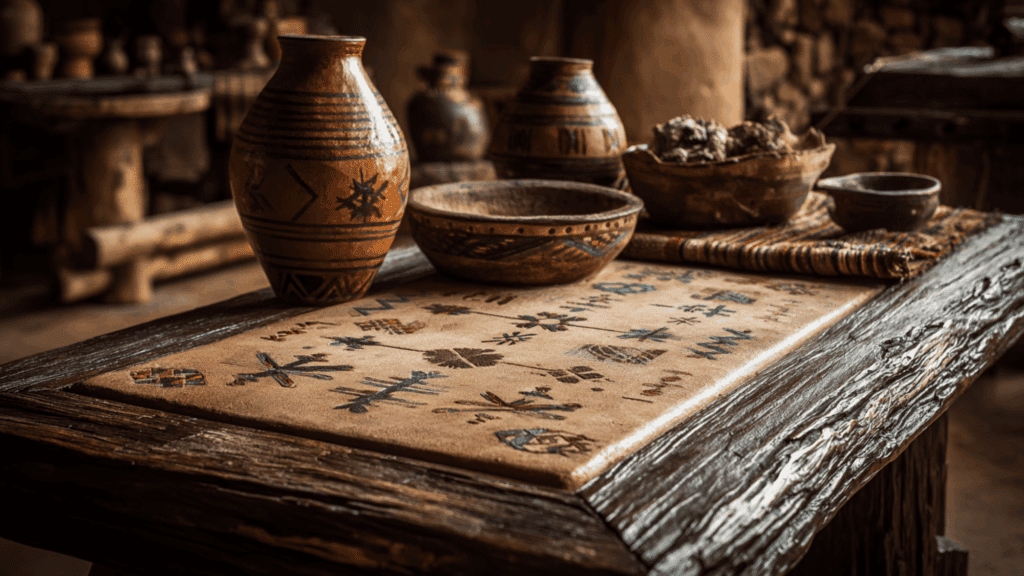
Navajo sand paintings are made using natural materials found in the earth. Below are some common materials used by Navajo artists.
- Crushed Sandstone: Navajo artists use crushed sandstone to create bright, natural colors in the paintings.
- Charcoal: Used to create dark, rich shades and add fine details to the artwork.
- Cornmeal: It is often included in sacred sand paintings because it holds spiritual significance in Navajo culture.
- Pollen: Used in traditional ceremonies, it represents life, blessings, and harmony.
- Natural Pigments: Artists also use pigments derived from rocks, plants, and minerals to create rich, earthy colors.
How are Navajo Sand Paintings Made?
Navajo sand paintings are handmade using natural sand and traditional techniques. Here are the main steps Navajo artists follow to create these detailed artworks.
| Step | Description |
|---|---|
| Sketching the Design | Artists carefully sketch traditional Navajo patterns, sacred symbols, and natural elements before adding colored sand. |
| Applying Adhesive | A thin layer of adhesive is applied to small sections to hold the sand securely in place. |
| Hand-Pouring Colored Sand | Different sand colors are carefully poured by hand to create detailed symbols, shapes, and patterns. |
| Detailing and Finishing | Artists smooth edges, refine fine details, and complete the sand painting to achieve a balanced final look. |
Popular Styles of Navajo Sand Paintings
Navajo sand paintings feature many unique styles inspired by culture, nature, and tradition. Knowing different painting styles can deepen your appreciation for just how distinct Navajo sand art really is.
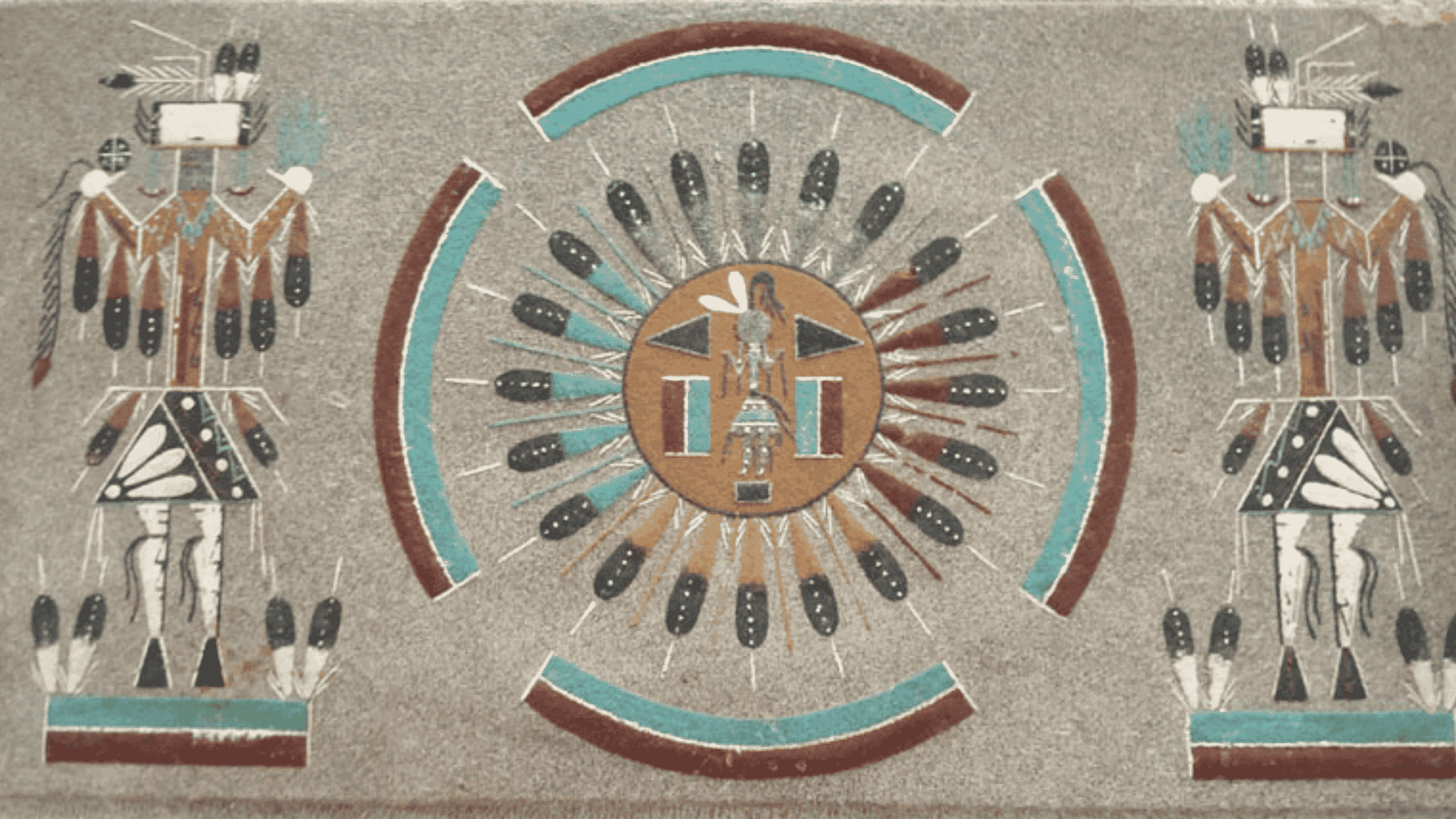
1. Traditional Yei Sand Paintings
Source: Facebook
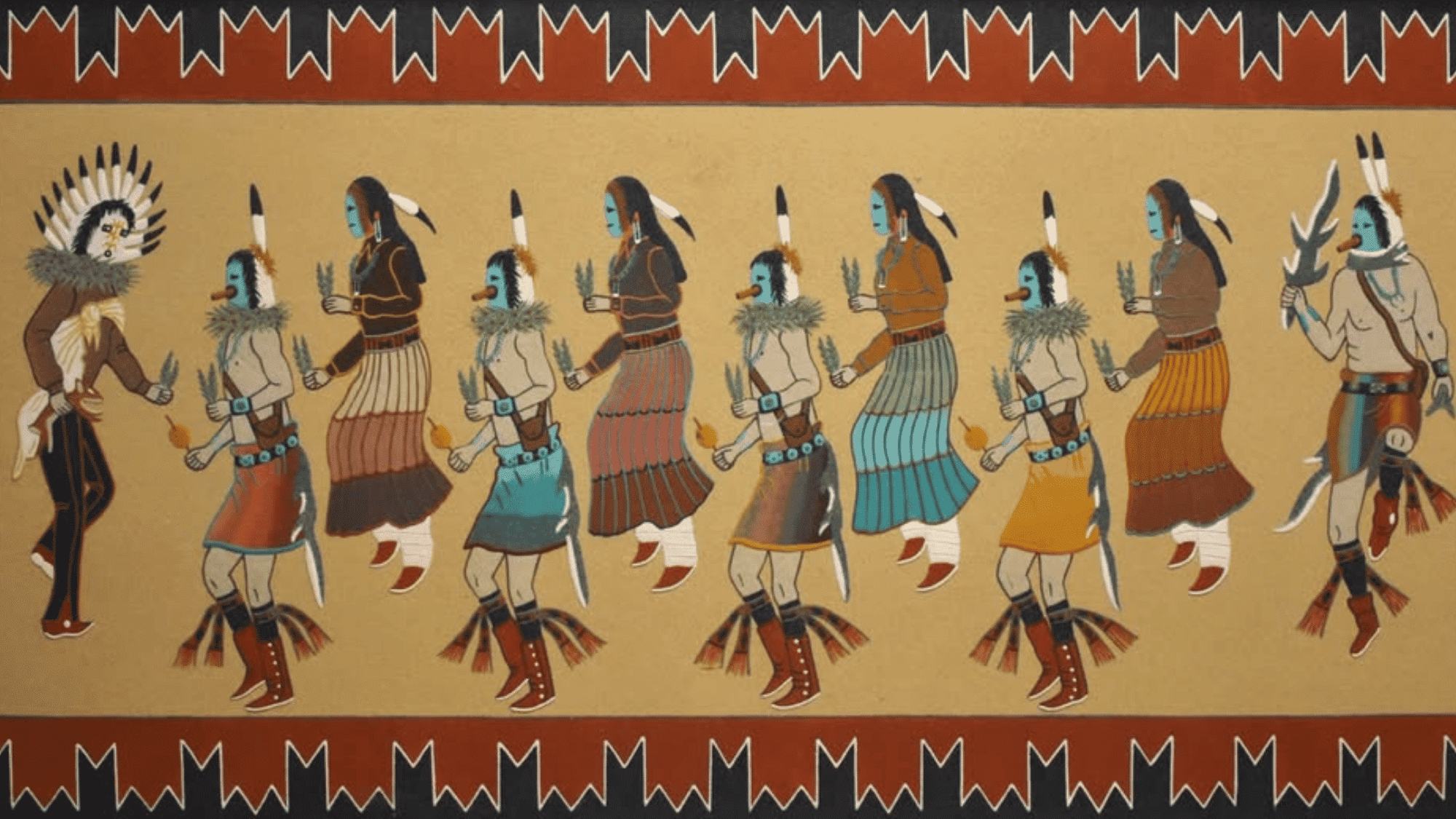
Many Navajo sand paintings include spiritual guardians known as Yei figures. These sacred beings are believed to protect people and bring healing, balance, and peace.
The symbols used in the artwork often represent nature, the four directions, and Navajo spiritual beliefs. Different colors and patterns also carry special meanings.
These traditional designs make Navajo sand paintings both beautiful and deeply meaningful in Native American culture.
2. Geometric Southwestern Design
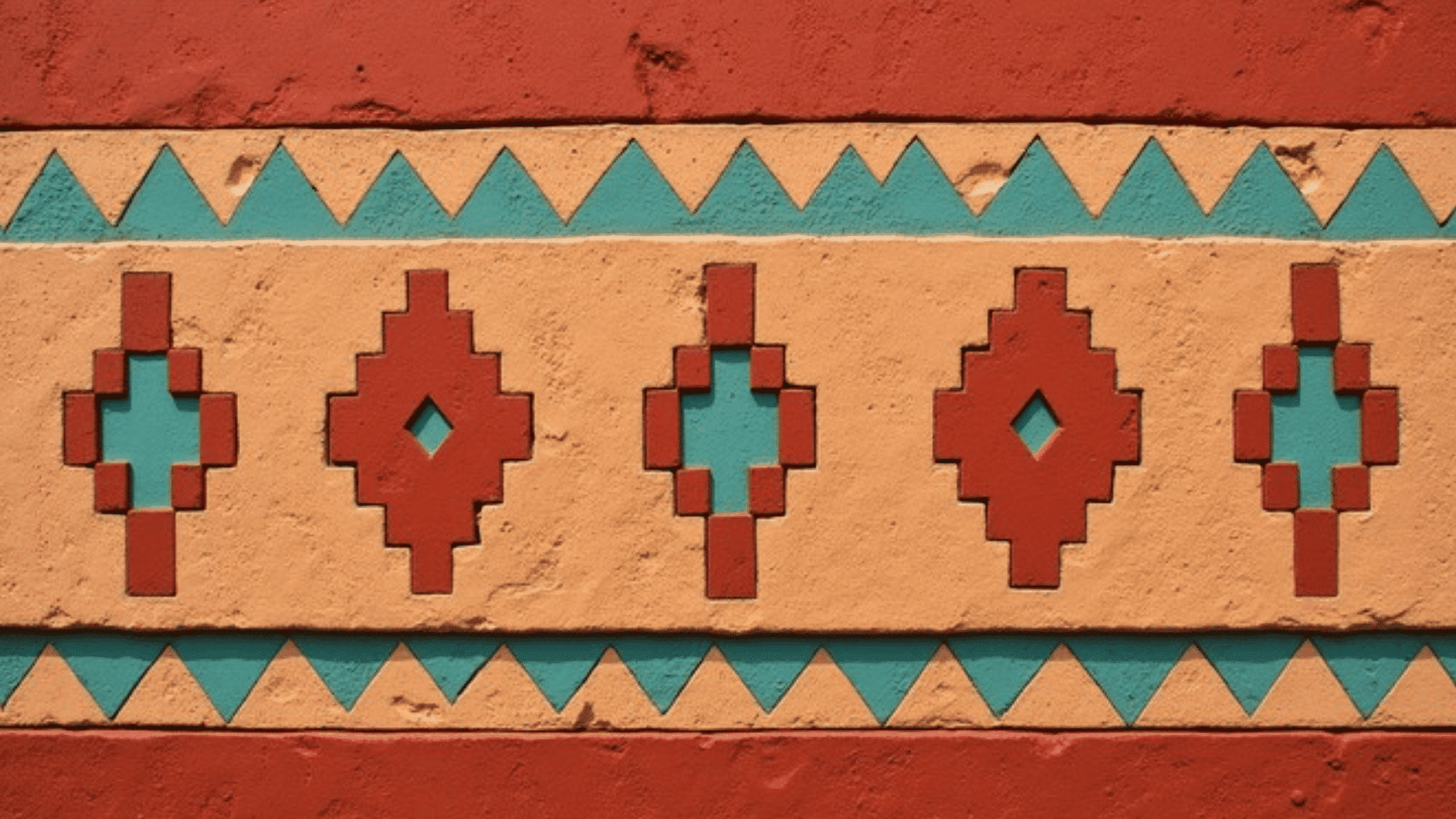
Source: Stockcake
Navajo sand paintings are popular in modern home décor because of their natural colors and unique patterns. Many people use them to add a warm Southwestern style to living rooms, offices, and hallways.
Their handmade look and cultural beauty make them a great choice for both traditional and modern interior spaces.
3. Nature and Wildlife Themes
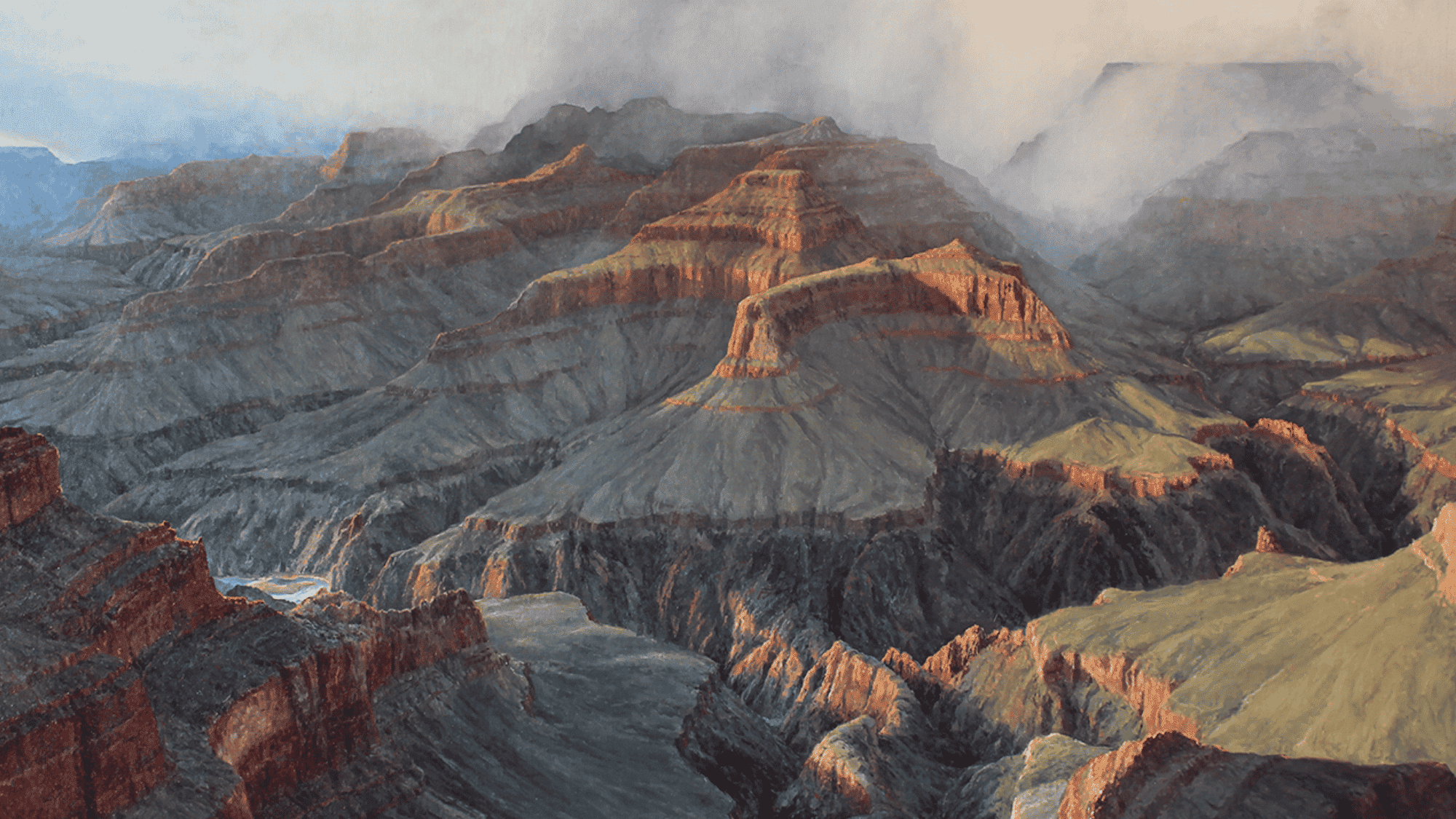
Source: Faust Gallery
Many Navajo sand paintings feature nature and wildlife themes inspired by the Southwest desert. Eagles often represent strength and freedom, while horses symbolize power and connection to nature.
Desert landscapes, mountains, and sunsets are also common in these artworks.
These natural elements add beauty and cultural meaning, making Navajo sand paintings popular for both art collections and home décor.
4. Contemporary Navajo Sand Art
Source: Artsology
Contemporary Navajo sand paintings combine traditional symbols with modern artistic styles. Artists often mix classic Navajo patterns with new colors, shapes, and creative designs.
This blend makes the artwork attractive to modern buyers while still honoring Navajo culture and traditions.
These paintings are popular in homes, galleries, and offices because they offer both cultural meaning and stylish Southwestern décor appeal.
Best Places to Buy Navajo Sand Paintings
Navajo sand paintings are available from trusted Native American art stores and skilled Navajo artists. Here are some popular places to buy genuine handmade Navajo sand paintings.
1. Eagle Dance Navajo Sand Painting
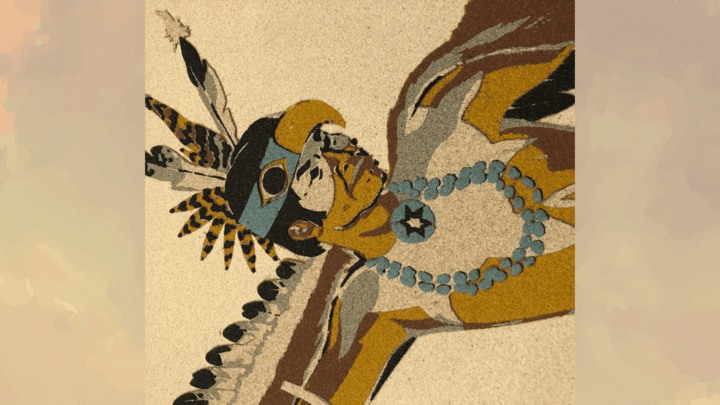
The Eagle Dance Navajo Sand Painting symbolizes strength, freedom, and protection, featuring detailed tribal patterns and warm Southwestern colors.
- Weight: 1–1.5 lbs
- Dimensions: 12 x 12 inches (approx.)
- Base Material: Natural colored sand on a wooden board with a frame
2. Sunface Navajo Sand Painting
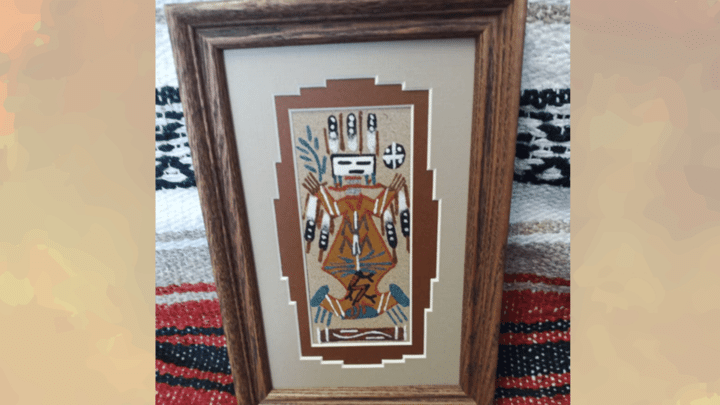
The Sunface represents warmth, life, and spiritual energy with bright colors and traditional Southwestern tribal patterns.
- Weight: 1–2 lbs (depends on frame size)
- Dimensions: 6×6 inches to 13.5×13.5 inches with frame
- Base Material: Natural colored sand on a wooden board with matting and frame
3. Mother Earth Navajo Sand Painting
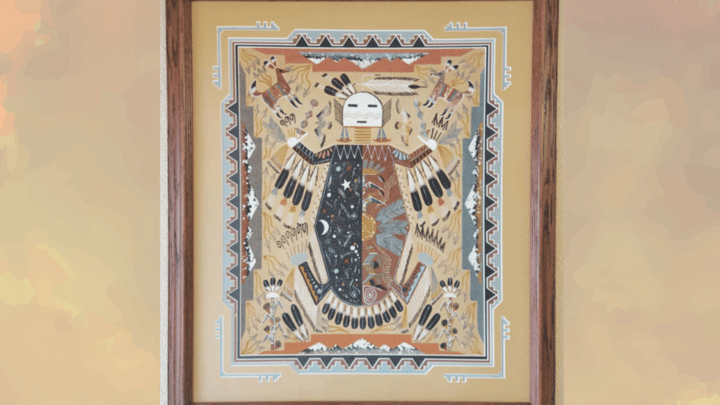
The Mother Earth represents nature, balance, and life through traditional tribal symbols and warm Southwestern colors.
- Weight: 1–2 lbs
- Dimensions: Approx. 10 x 10 inches to 18 x 18 inches
- Base Material: Natural colored sand on a wood panel with a frame
4. Traditional Healing Ceremony Sand Painting
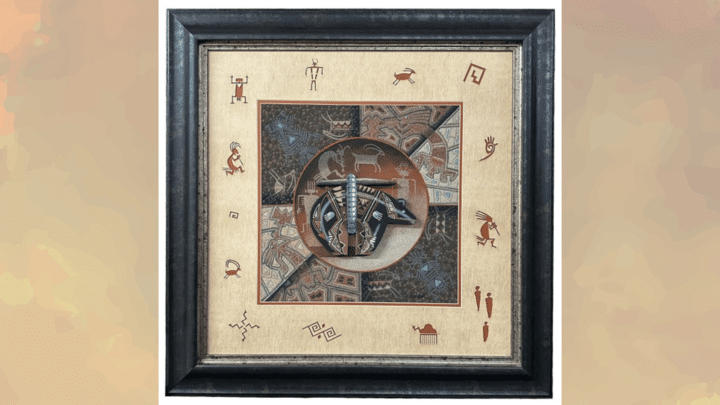
Traditional Healing Ceremony Sand Paintings represent balance, peace, and spiritual healing through sacred Navajo symbols and detailed tribal artwork.
- Weight: 1–2 lbs
- Dimensions: Sizes range from small framed pieces to larger wall art designs
- Base Material: Natural colored sand on a wood panel with framed finish
5. Horse Spirit Navajo Sand Painting
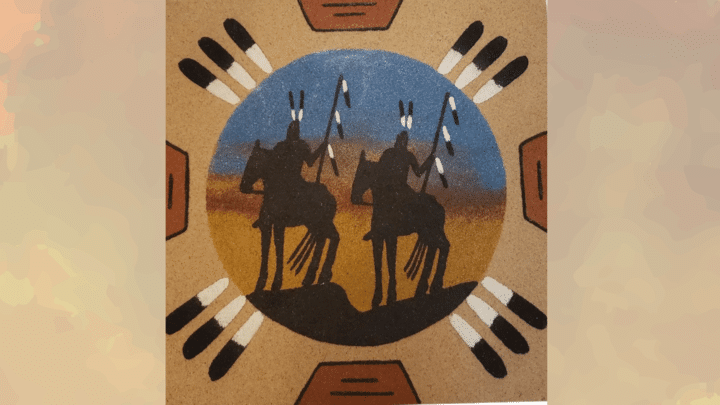
The Horse Spirit Navajo Sand Painting represents freedom, strength, and connection to nature through traditional Southwestern tribal artwork and symbols.
- Weight: Approx. 1 lb
- Dimensions: 8 x 8 inches
- Base Material: Natural colored sand on wooden board
6. Rain Dance Navajo Sand Painting
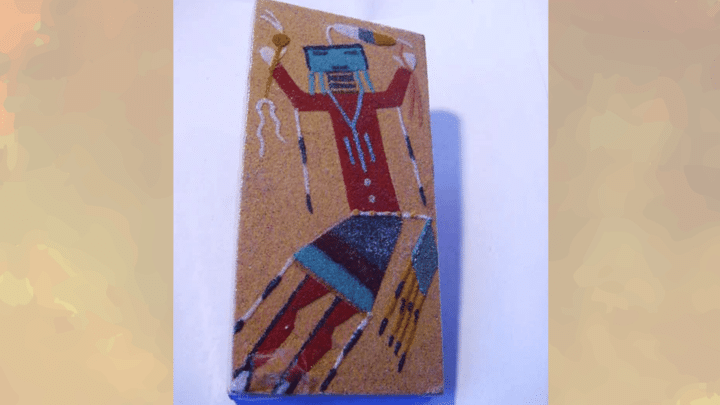
The Rain Dance represents hope, blessings, and nature through traditional tribal symbols and colorful Southwestern art.
- Weight: Approx. 1–1.5 lbs
- Dimensions: Approx. 8 x 10 inches
- Base Material: Natural colored sand on a wood board with a frame
Ways of Decorating Your Home with These Paintings
Navajo sand paintings bring cultural beauty and Southwestern style to any room. Below are some simple ways to display and decorate with Navajo sand art.
- Living Room Display: Hang Navajo sand paintings to create a warm, artistic focal point.
- Hallway Decoration: Display Southwestern artwork to add color and cultural charm to the space.
- Office Styling: Use Navajo sand art to create a calm, creative atmosphere.
- Rustic Interior Match: These paintings look beautiful with rustic wooden furniture and Southwestern décor.
- Earth-Tone Color Themes: Pair the artwork with brown, beige, and desert-inspired colors for a natural look.
- Turquoise Accents: Add turquoise décor pieces to complement the traditional Southwestern style of the paintings.
Handmade Vs Mass-Produced Navajo Sand Paintings
Handmade Navajo sand paintings offer unique craftsmanship and cultural meaning, while mass-produced pieces are made quickly with less detail.
When you study the famous artists throughout history who built their legacies through years of dedicated practice, it becomes clear why handmade work carries so much more value.
| Feature | Handmade Navajo Sand Paintings | Mass-Produced Sand Paintings |
|---|---|---|
| Quality | Detailed handwork with natural textures and unique patterns. | Repeated designs with less detail and originality. |
| Value | More valuable because each artwork is handmade. | Lower value due to factory-made production. |
| Time Required | Small paintings take hours, while larger pieces can take days or weeks. | Made quickly in large numbers. |
| Design Style | Often includes intricate ceremonial-inspired symbols and traditional themes. | Usually focuses on simple decorative designs. |
Final Thoughts
Navajo sand painting is more than just art; it’s a living tradition carried forward by skilled hands and deep cultural meaning.
Knowing the difference between genuine work and cheap imitations helps you respect that tradition and make smarter choices as a collector or admirer.
So next time you come across a piece, you’ll know exactly what to look for. The symbols, the materials, and the craftsmanship all tell a story worth understanding.