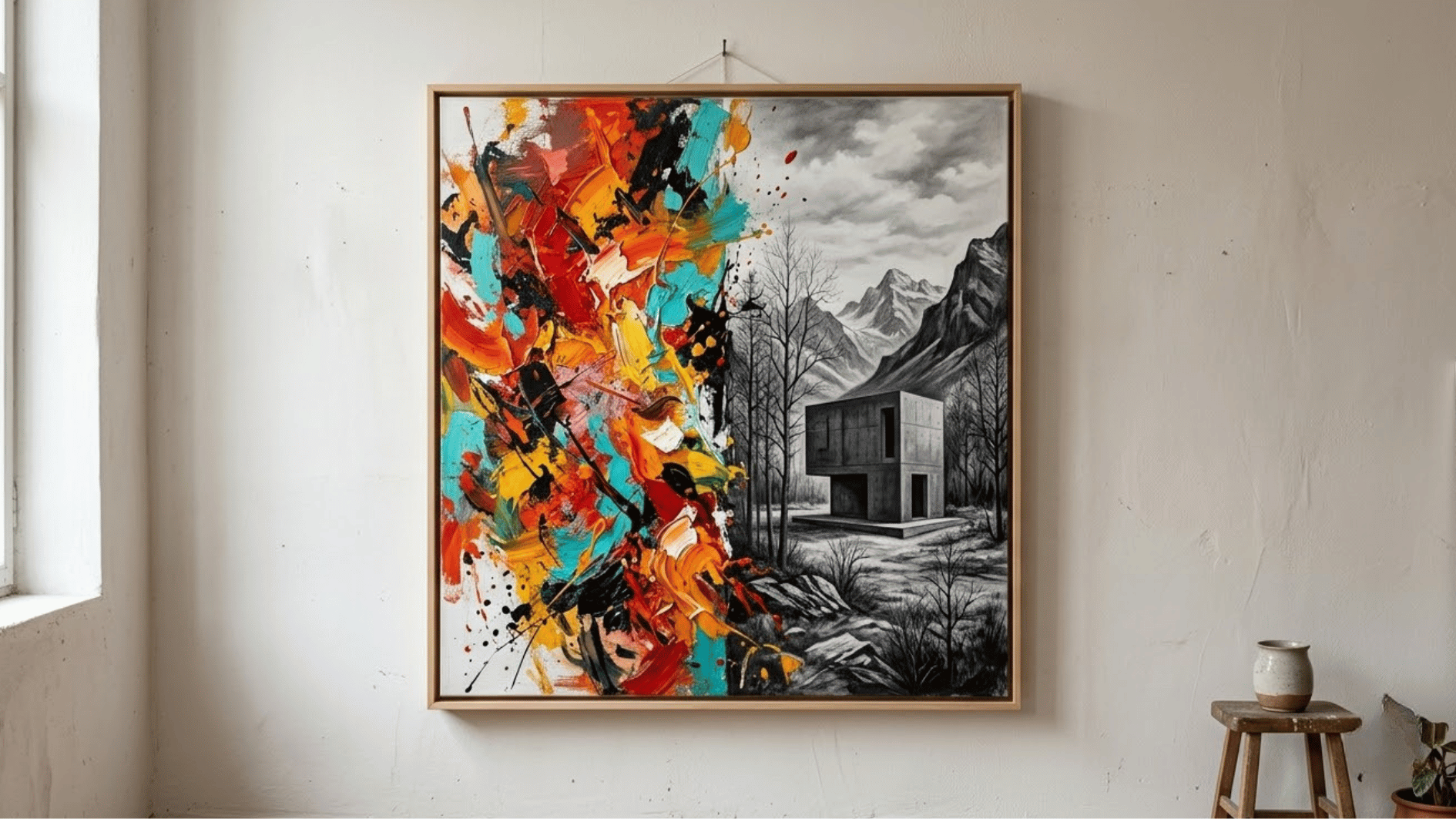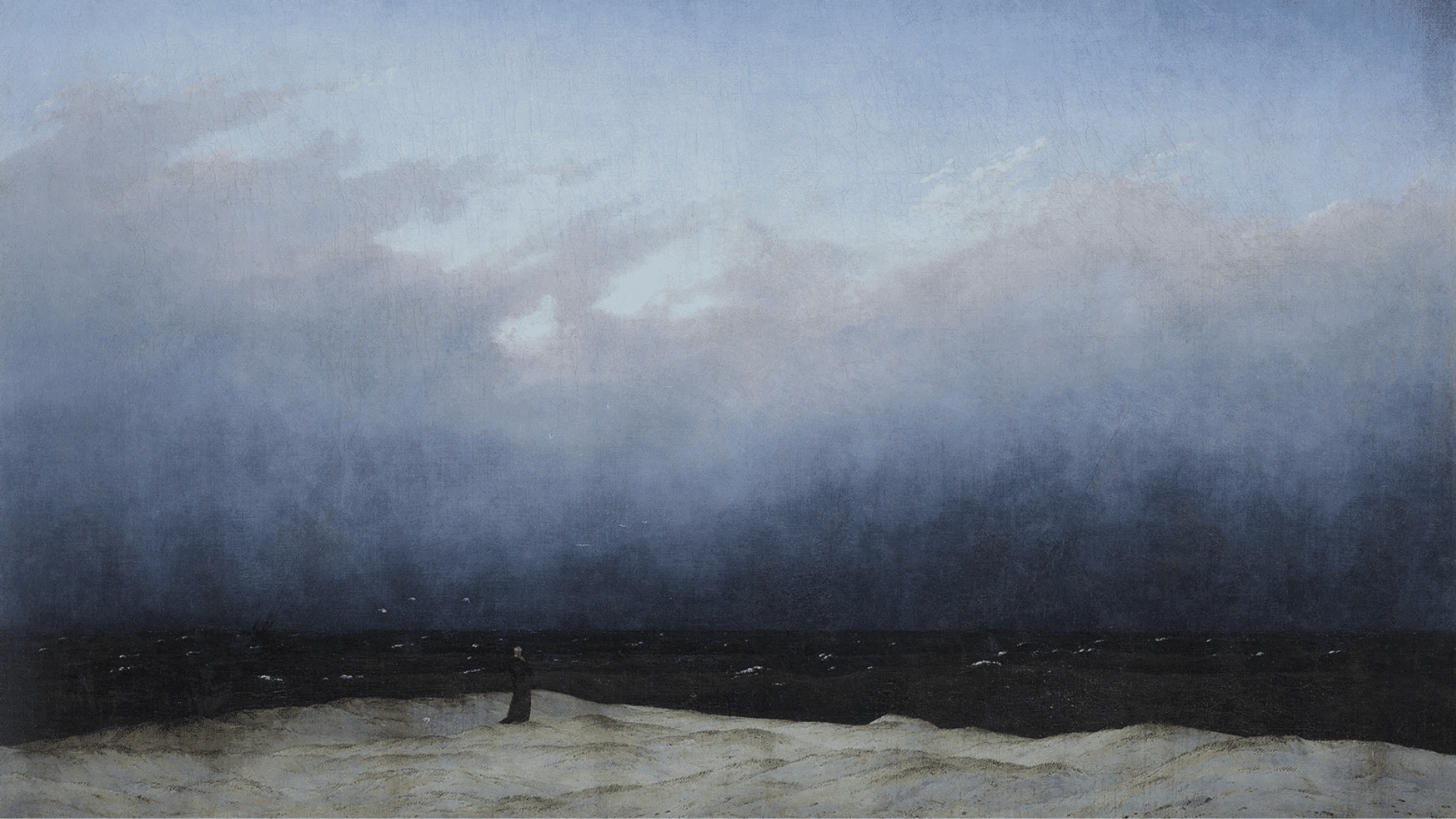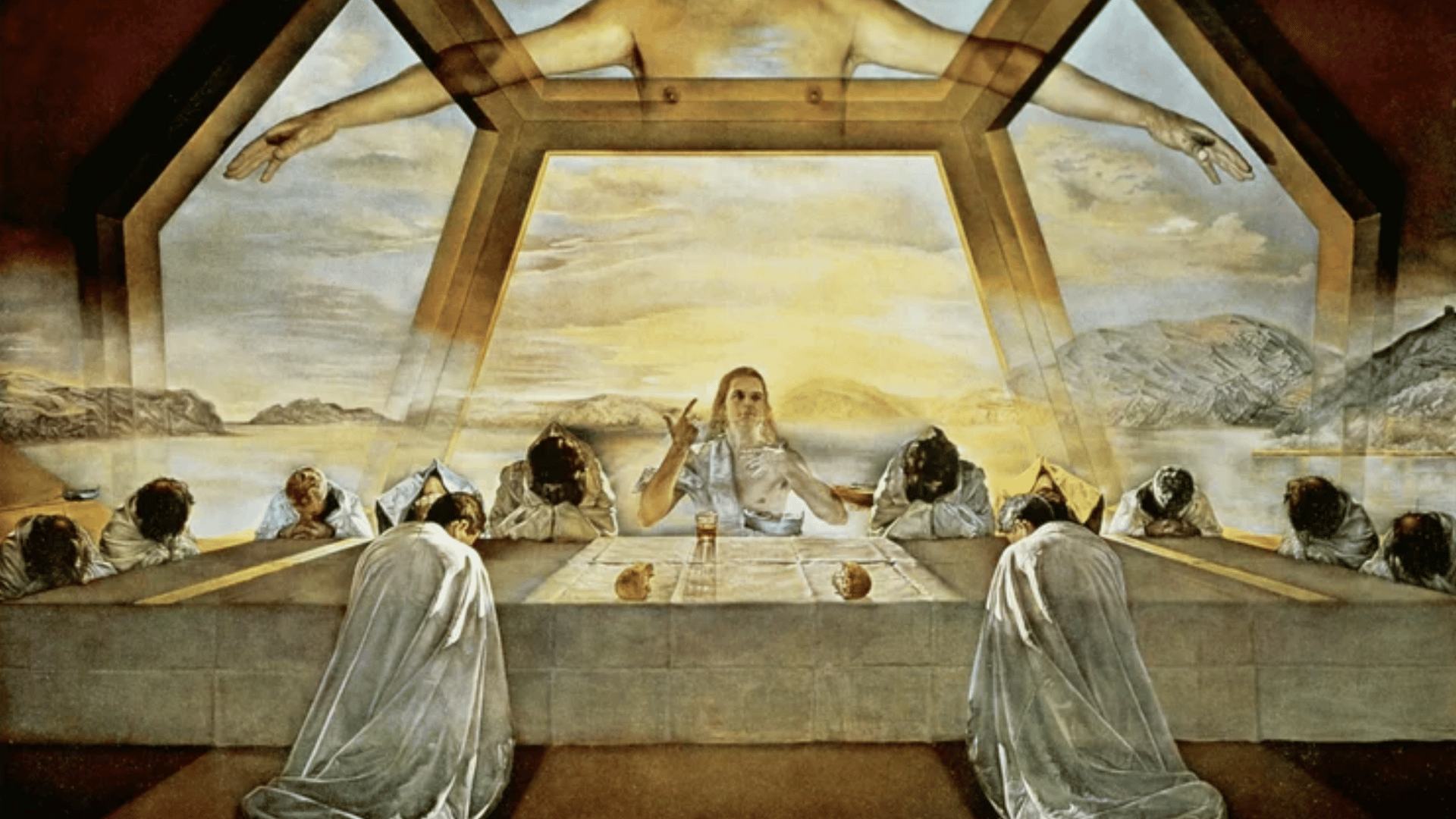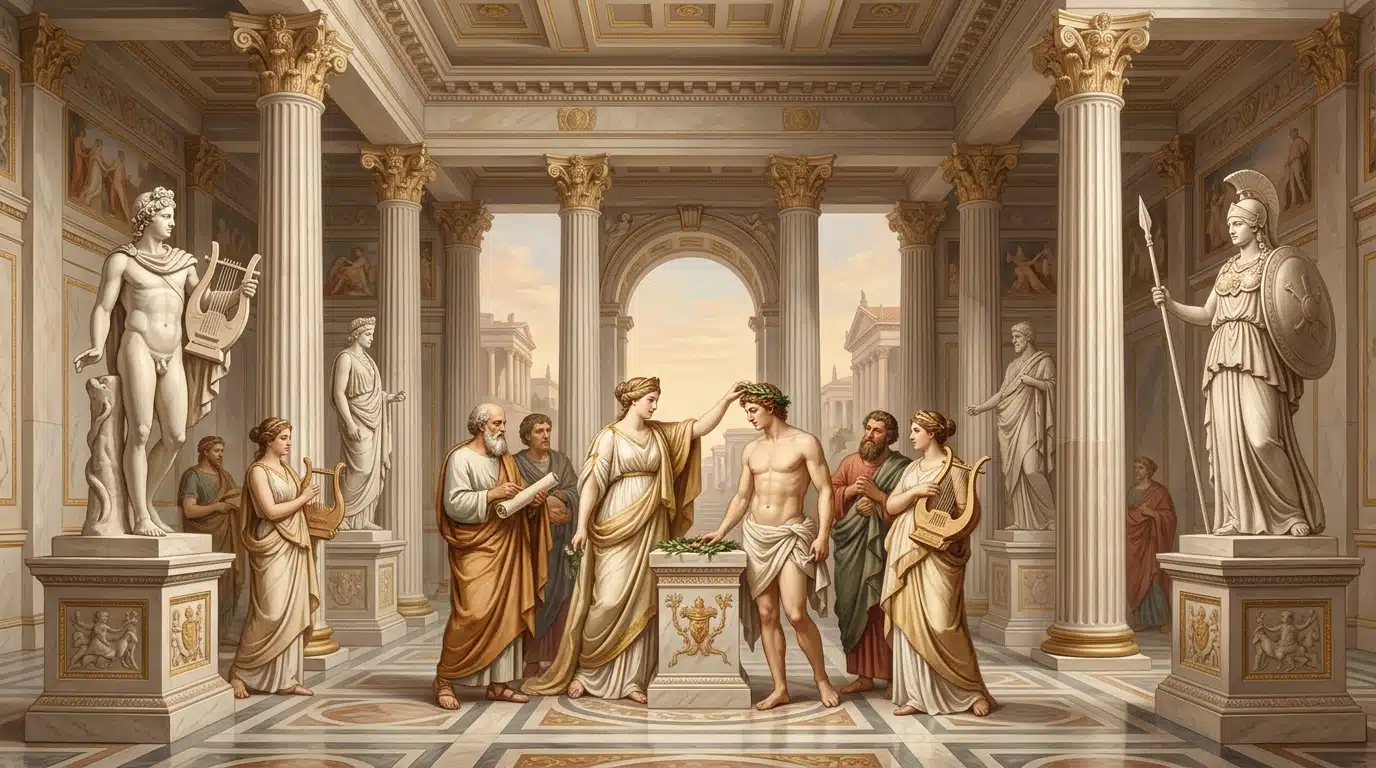
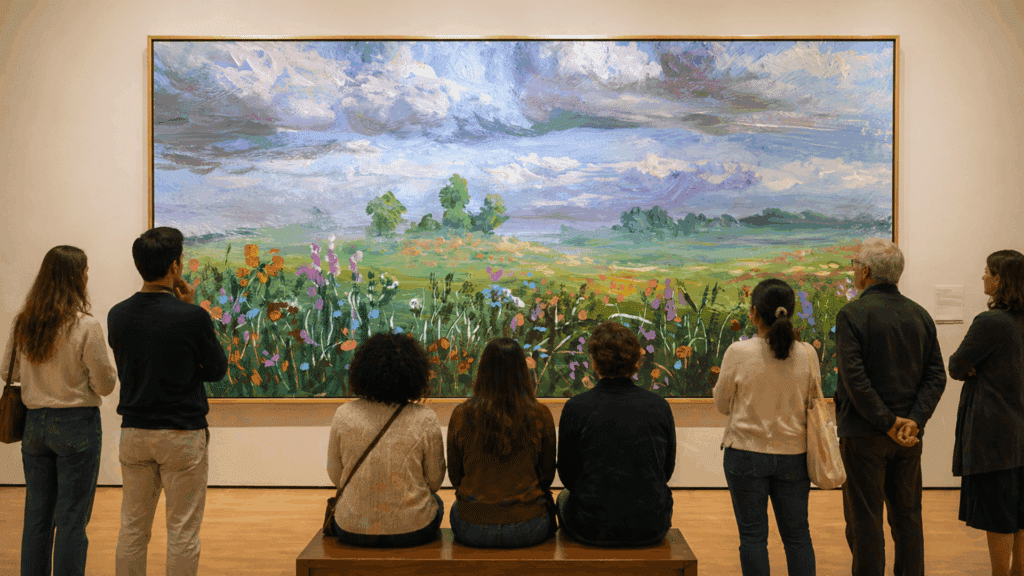
Beneath every great artwork lies a hidden pulse, and movement art examples speak it fluently, in frozen dancers, swirling color, and lines that never quite settle.
They don’t just hang, they hum, they shift, they breathe, and refuse to stay still.
They pull you closer, whispering of forces unseen. Art, it turns out, was never still. It was always waiting to move.
What Is Movement in Art?
Movement in art refers to a shared style or idea adopted by a group of artists during a given period. These groups often form in response to earlier styles, bringing new ways of thinking and creating.
Art movements matter because they reflect society, culture, and politics, and help organize art history.
The term “movement” can also mean visual motion within an artwork, such as lines or shapes that guide the viewer’s eye.
Classical and Early Art Movements:800 BC to 1400 AD
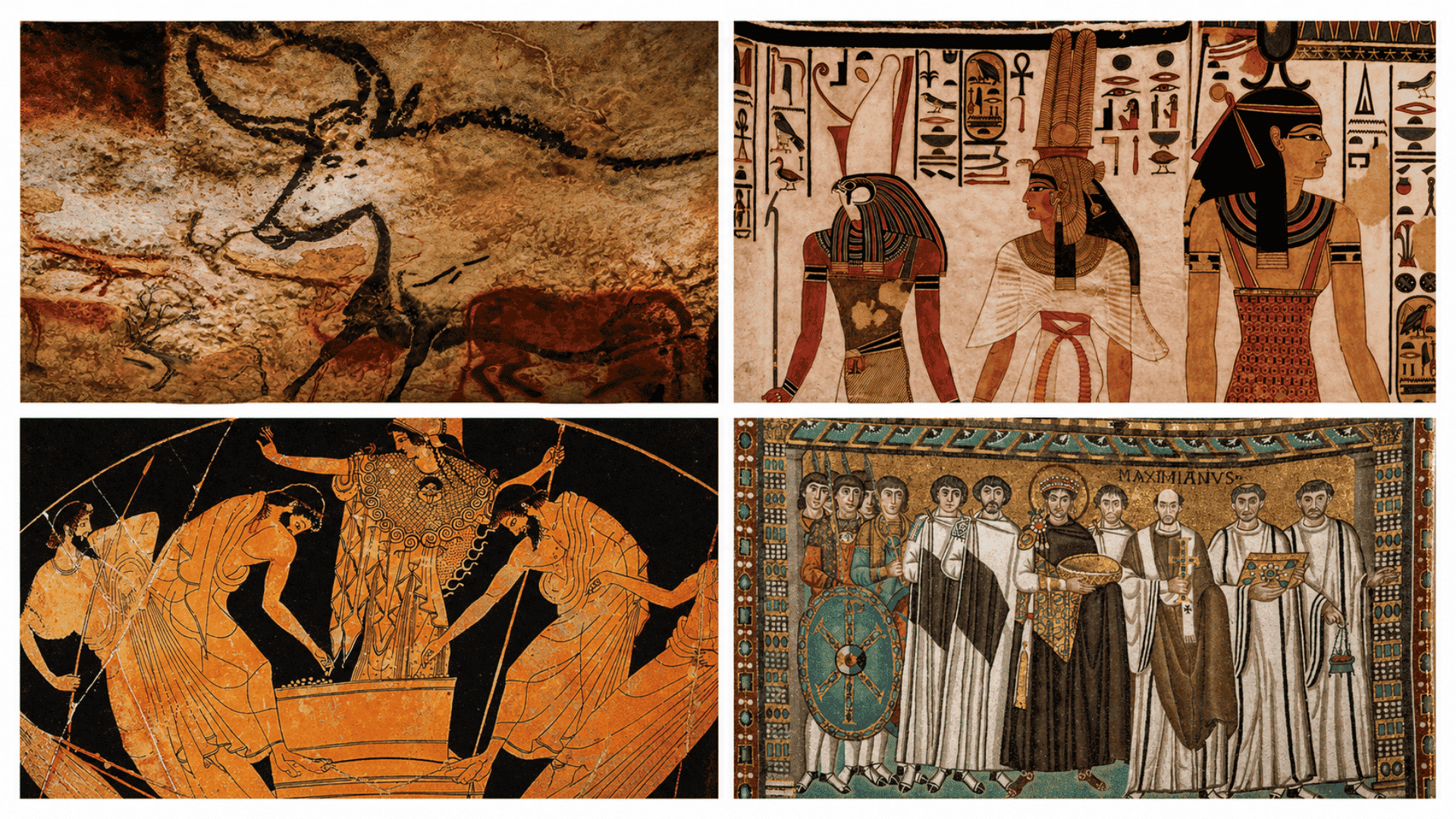
Early movements shaped how artists approached realism, religion, and classical ideals. These foundational styles influenced nearly every art movement that followed.
1. Prehistoric Art
The earliest known art was created on cave walls using natural pigments. These paintings depicted animals and hunting scenes, giving us a window into early human life.
Where to see it: Lascaux Caves, France.
2. Ancient Egyptian Art
Highly symbolic and rigid in style, Egyptian art served religious and political purposes. Figures were drawn in flat and profile views, following strict rules.
Where to see it: Egyptian Museum, Cairo.
3. Classical Greek and Roman Art
Greek and Roman artists pursued idealized human forms through sculpture, pottery, and architecture. Their work celebrated beauty, balance, and proportion.
Where to see it: The British Museum, London.
4. Byzantine Art
Religious art defined by gold backgrounds, flat figures, and intense spiritual symbolism. It was meant to inspire devotion rather than imitate real life.
Where to see it: Hagia Sophia, Istanbul.
5. Romanesque Art
Heavy, solid architecture and bold religious imagery marked this medieval style. Churches were decorated with dramatic carvings and thick stone walls.
Where to see it: Cathedral of Santiago de Compostela, Spain.
6. Gothic Art
Gothic art introduced soaring cathedrals, pointed arches, and stained glass windows filled with light. It aimed to lift the human spirit toward the divine.
Where to see it: Notre Dame Cathedral, Paris.
7. Renaissance
A rebirth of classical ideas that brought realism, perspective, and human anatomy into art. Artists like Leonardo da Vinci and Michelangelo defined this era.
Where to see it: The Uffizi Gallery, Florence.
Traditional to Pre-Modern Movements: 1500–1850
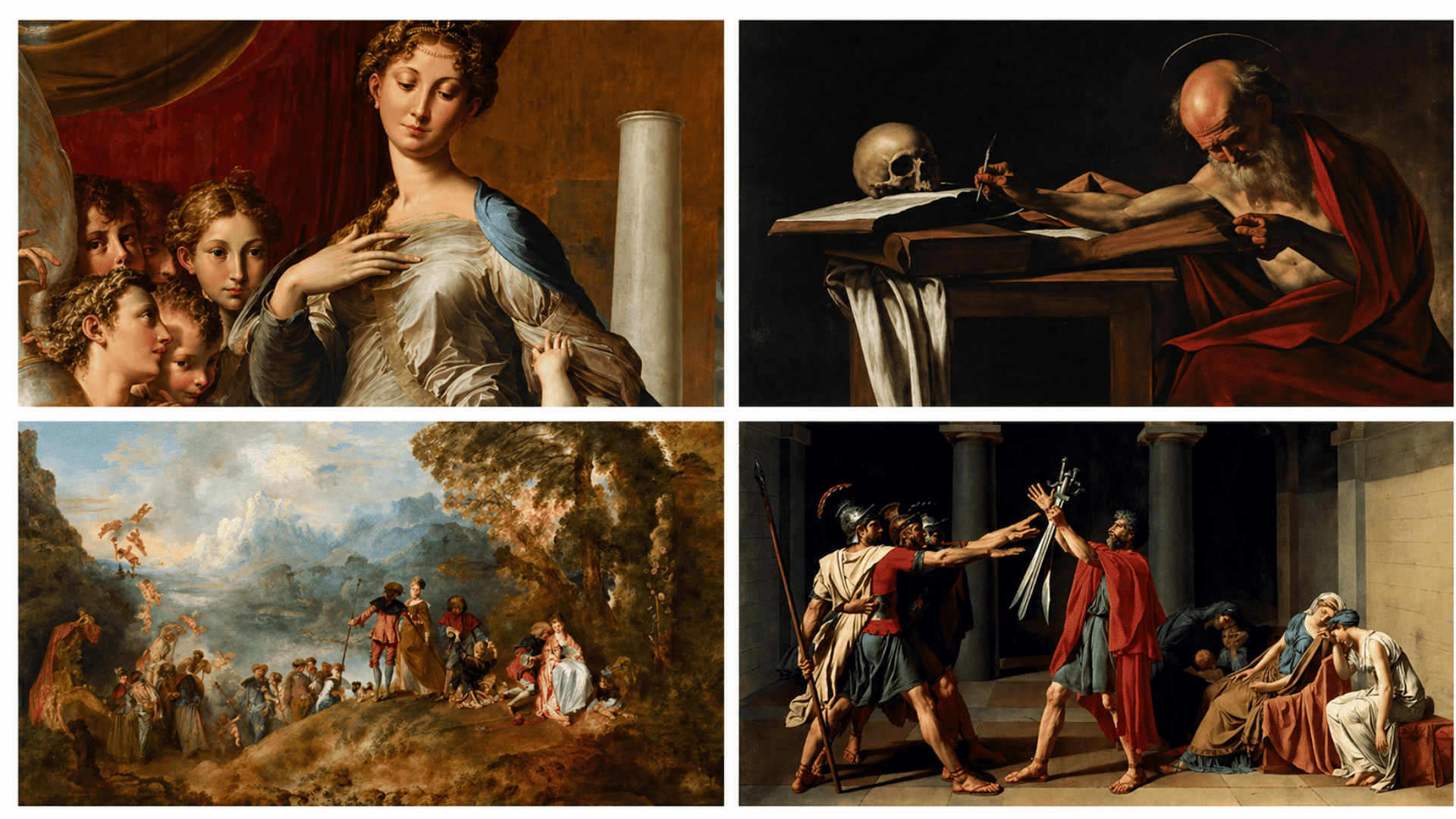
As art progressed, artists began shifting toward realism, raw emotion, and dramatic storytelling. These movements laid the groundwork for the modern art world.
8. Mannerism
A reaction to Renaissance perfection, Mannerism stretched and distorted figures for dramatic effect. It prioritized style and artifice over natural balance.
Where to see it: Palazzo Te, Mantua, Italy.
9. Baroque
Baroque art used intense light, shadow, and movement to create a powerful emotional impact. It was often used by the Church to inspire awe and devotion.
Where to see it: Galleria Borghese, Rome.
10. Rococo
A lighter, more playful style that replaced Baroque drama with pastel colors and decorative charm. It reflected the leisure and luxury of French aristocratic life.
Where to see it: Palace of Versailles, France.
11. Neoclassicism
Inspired by ancient Greek and Roman art, Neoclassicism brought back order, clarity, and moral themes. It rose alongside the Age of Enlightenment and reason.
Where to see it: The Louvre, Paris.
12. Romanticism
Romanticism celebrated nature, emotion, and individual freedom over logic and reason. Artists used dramatic scenes to capture the power of human feeling.
Where to see it: Musée du Louvre, Paris.
13. Realism
Realism rejected idealized beauty and focused on ordinary people and everyday life. It was a direct response to the social changes brought by industrialization.
Where to see it: Musée d’Orsay, Paris.
14. Academic Art
Produced under strict guidelines from European art academies, this style valued technical skill and historical subjects above all else.
Where to see it: École des Beaux-Arts, Paris.
Modern Art Movements:1850–1950
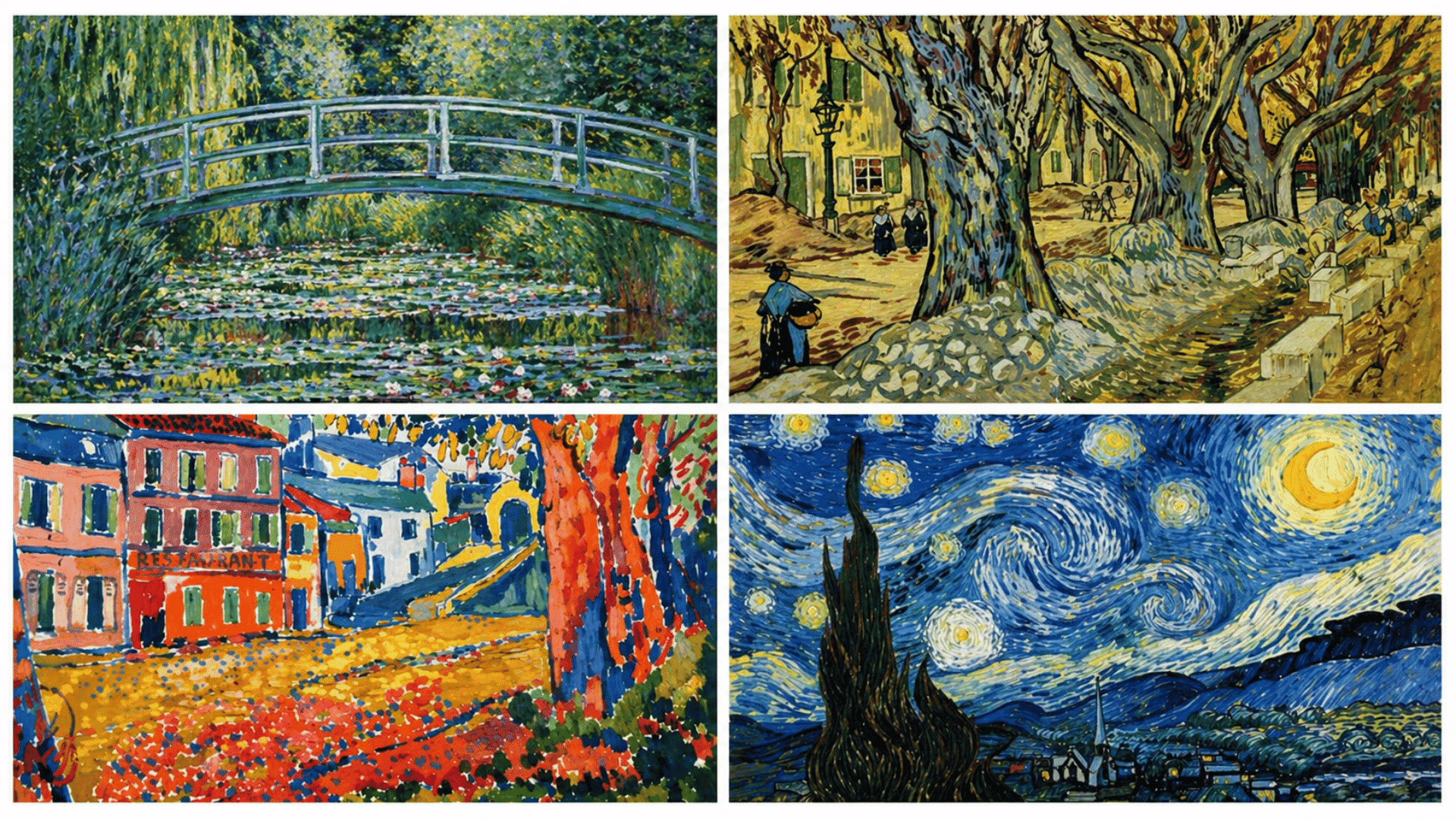
Artists began rejecting tradition and experimenting rapidly with color, form, and meaning. This era transformed what art could look like and what it could say.
15. Impressionism
Impressionist painters captured fleeting moments of light and atmosphere using loose, visible brushstrokes. They painted outdoors, breaking away from studio conventions.
Where to see it: Musée d’Orsay, Paris.
16. Post-Impressionism
Building on Impressionism, these artists pushed further into personal expression and bold color. Each artist developed a deeply individual style and vision.
Where to see it: Museum of Modern Art, New York.
17. Fauvism
Fauvist artists used wild, unnatural colors and bold brushwork to express emotion over accuracy. The name means “wild beasts,” coined by a shocked critic.
Where to see it: Center Pompidou, Paris.
18. Expressionism
Expressionism distorted reality to reflect inner emotions, anxiety, and psychological tension. It emerged in Germany as a response to modern urban life.
Where to see it: Neue Nationalgalerie, Berlin.
19. Cubism
Cubism broke objects into geometric shapes and presented multiple viewpoints simultaneously. Picasso and Braque pioneered this radical rethinking of space and form.
Where to see it: Museo Reina Sofía, Madrid.
20. Dada
Dada was an anti-art movement that used humor, absurdity, and provocation to challenge artistic norms. It emerged as a protest against war and society.
Where to see it: Kunsthaus Zürich, Switzerland.
21. Surrealism
Surrealism drew from dreams and the unconscious mind to create bizarre, thought-provoking imagery. Salvador Dalí and René Magritte are its most recognized figures.
Where to see it: Tate Modern, London.
Contemporary and Experimental Movements:1950–Present
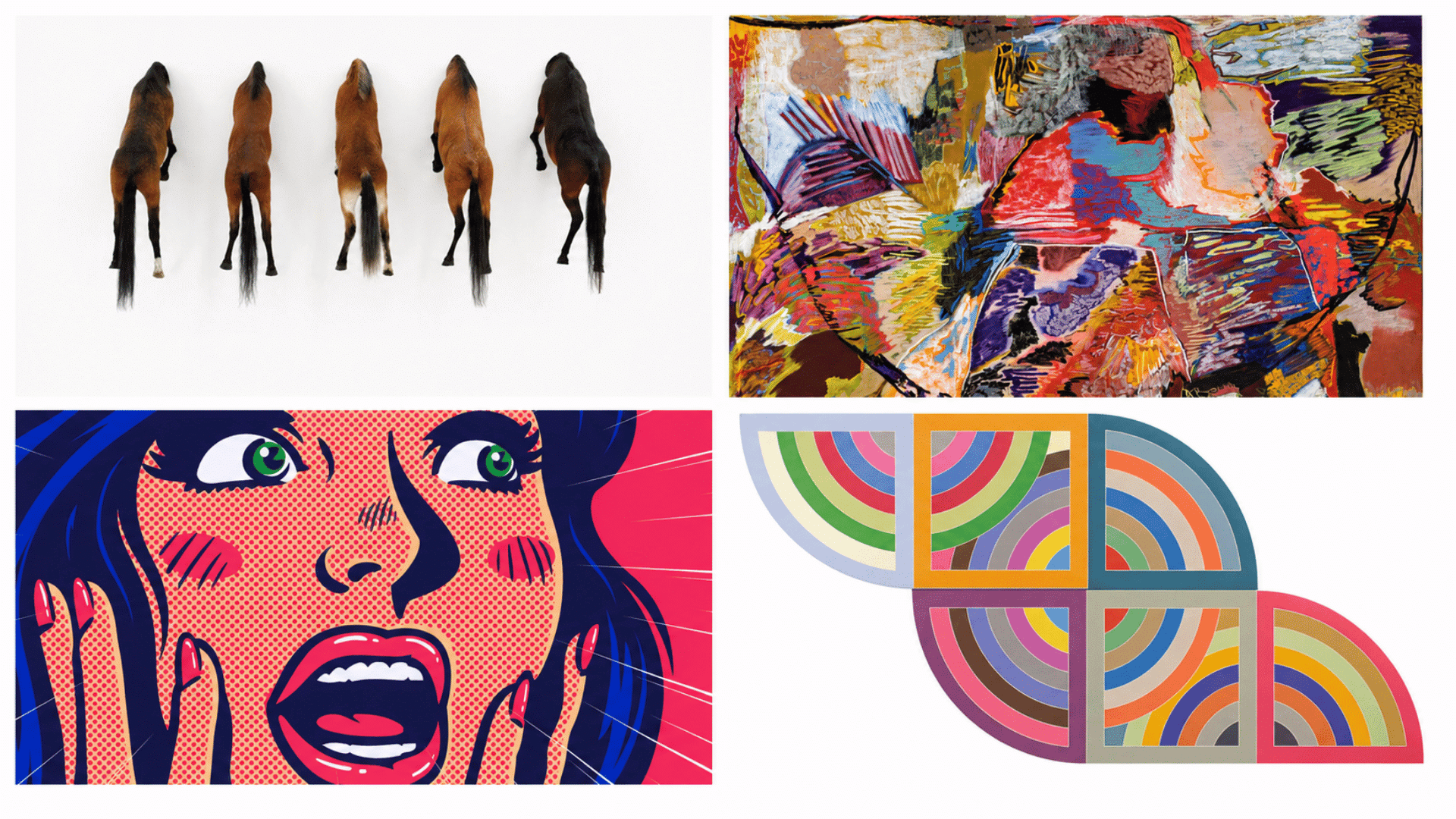
Art became increasingly conceptual, abstract, and technology-driven. Artists began questioning what art even is and pushing its boundaries further than ever before.
22. Abstract Expressionism
Large, gestural paintings that prioritized raw emotion over recognizable subjects. Artists like Jackson Pollock used dripping and physical movement to create their work.
Where to see it: Museum of Modern Art, New York.
23. Pop Art
Pop Art pulled imagery from advertising, comics, and consumer culture to challenge fine art traditions. Andy Warhol and Roy Lichtenstein made everyday objects iconic.
Where to see it: Tate Modern, London.
24. Minimalism
Minimalism stripped art down to basic shapes, colors, and materials. It rejected emotional expression in favor of pure form and industrial simplicity.
Where to see it: Dia Beacon, New York.
25. Conceptual Art
In Conceptual Art, the idea behind the work matters more than the finished object. It challenged traditional notions of skill, beauty, and what art should be.
Where to see it: Museum of Contemporary Art, Los Angeles.
26. Kinetic Art
Kinetic Art incorporates actual physical movement into the artwork itself. Sculptures move through motors, wind, or viewer interaction, making motion the main subject.
Where to see it: Tinguely Museum, Basel, Switzerland.
27. Digital and New Media Art
Artists use technology, code, and digital tools to create immersive and interactive experiences. This movement continues to grow alongside advancements in AI and virtual reality.
Where to see it: Ars Electronica Center, Linz, Austria.
Key Characteristics of Art Movements
Understanding what defines an art movement helps you see patterns across history. Most movements share a few core traits that set them apart from individual artistic styles.
- Shared ideology: Artists within a movement agree on core beliefs about what art should look like and what it should communicate.
- Time-bound: Most movements peak during a specific era, shaped by the political and cultural conditions of that moment.
- Reactionary nature: Nearly every movement forms as a direct response to what came before, either building on it or rejecting it entirely.
- Overlapping timelines: Movements rarely end cleanly. Multiple styles coexist, with artists often working across more than one tradition.
- Driven by change: Industrial revolutions, world wars, and digital innovation have all pushed artists to develop entirely new ways of working and thinking.
How to Identify an Art Movement
To identify an art movement, start by examining the style and techniques used in the artwork. Notice brushstrokes, colors, and materials.
Next, study the historical context. Understand when and why the artwork was created, including major events at the time. Finally, analyze the subject matter.
Look at what the artist chose to show and how it is presented. These clues, when combined, can help you place the artwork within a specific movement.
Wrapping It Up
The world is full of stillness pretending to be art. But the ones that truly linger, the ones that follow you home, are movement art examples that refuse to stay quiet.
Every brushstroke, every arc, every silent rhythm, now it’s your turn.
Take your time to look aroound and be open to surprises, sometimes the greatest gems are the ones still awaiting you.