Who would have thought bright colors, soup cans, pop icons, and images from comic strips could be considered important art?
In response, pop artists and painters have converted aspects of everyday popular culture into art, challenging notions of what art traditionally can be.
Through this blog, you’ll see how Pop art originated, its defining characteristics and style, and some of the most famous Pop Art pieces that led this movement.
What is Pop Art and Where Did It Come From?
Pop Art is an art movement that uses images from popular culture, such as adverts, comics, celebrities, and everyday products, and turns them into fine art.
With bold colors, repeated patterns, and familiar symbols, it gave ordinary objects a new artistic value.
The movement began in the 1950s in Britain and America, with the This Is Tomorrow exhibition at London’s Whitechapel Gallery in 1956 helping introduce its ideas.
In the 1960s, artists like Andy Warhol and Roy Lichtenstein made Pop Art one of the most recognized art movements of the 20th century.
Famous Pop Art Artists Who Started the Movement
These pioneering Pop Art artists changed everyday objects and popular culture into some of the world’s most recognizable works of art.
1. Andy Warhol
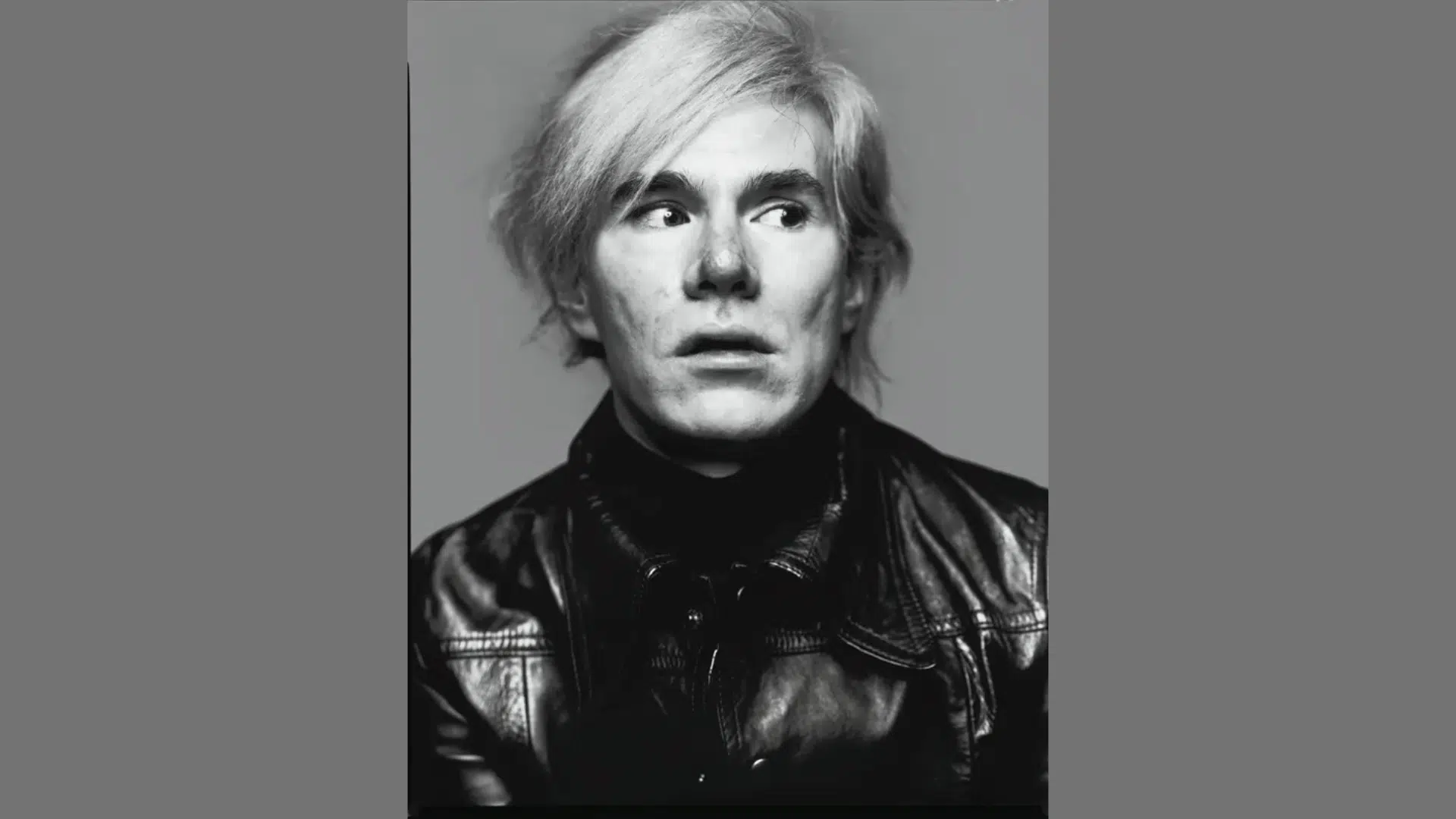
Source: The New Yorker
In 1962, Andy Warhol changed Campbell’s Soup cans into indelible art icons for a series of 32 paintings, each the image of one flavor.
He ran his studio The Factory like a small factory with silkscreen techniques turning out multiples of a glamorous portrait of Marilyn Monroe and Elvis Presley.
2. Roy Lichtenstein
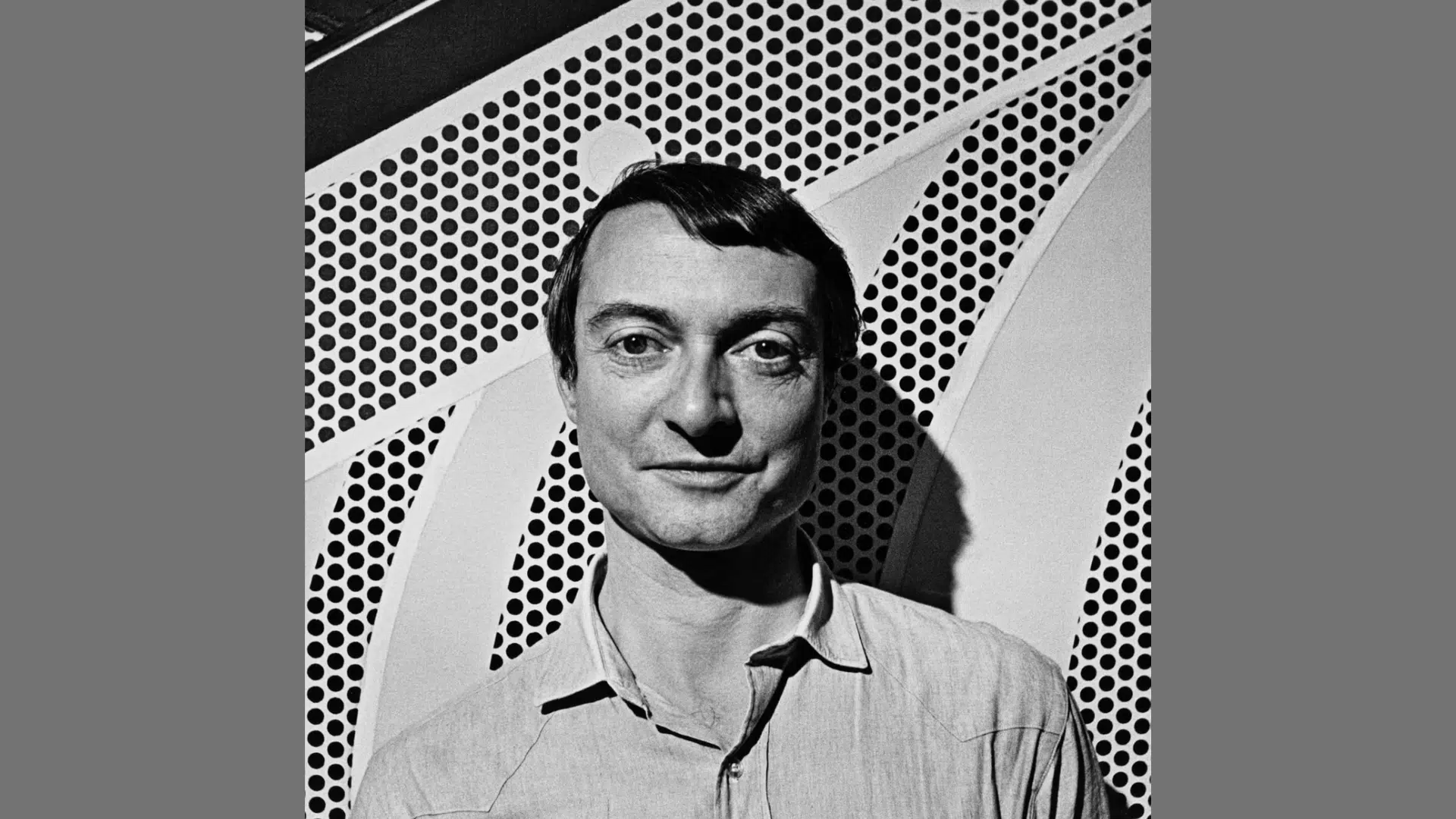
Source: Biography
His 1963 painting Whaam! Is a direct copy of a comic book spread, right down to the Ben-Day dots characteristic of newspaper reproduction. Lichtenstein blew up his chosen panels to a monumental size, including the dots.
This famous pattern became his visual signature and helped define his distinctive Pop Art style. The National Gallery of Art traces this dot technique back to his 1961 painting Look, Mickey.
3. Claes Oldenburg

Source: Pace Gallery
Oldenburg altered the dimensions and material of the everyday objects, from tiny souvenirs to enormous monuments in public plazas, from soft, yielding vinyl hamburgers to colossal plastic clothespins or spoons.
Their 1988 Spoonbridge and Cherry was coauthored by Coosje van Bruggen. It still provides the visual heart of the Walker Sculpture Garden in Minneapolis.
His sculptures became popular landmarks, attracting visitors while showing that even the simplest objects could inspire memorable works of art.
4. James Rosenquist
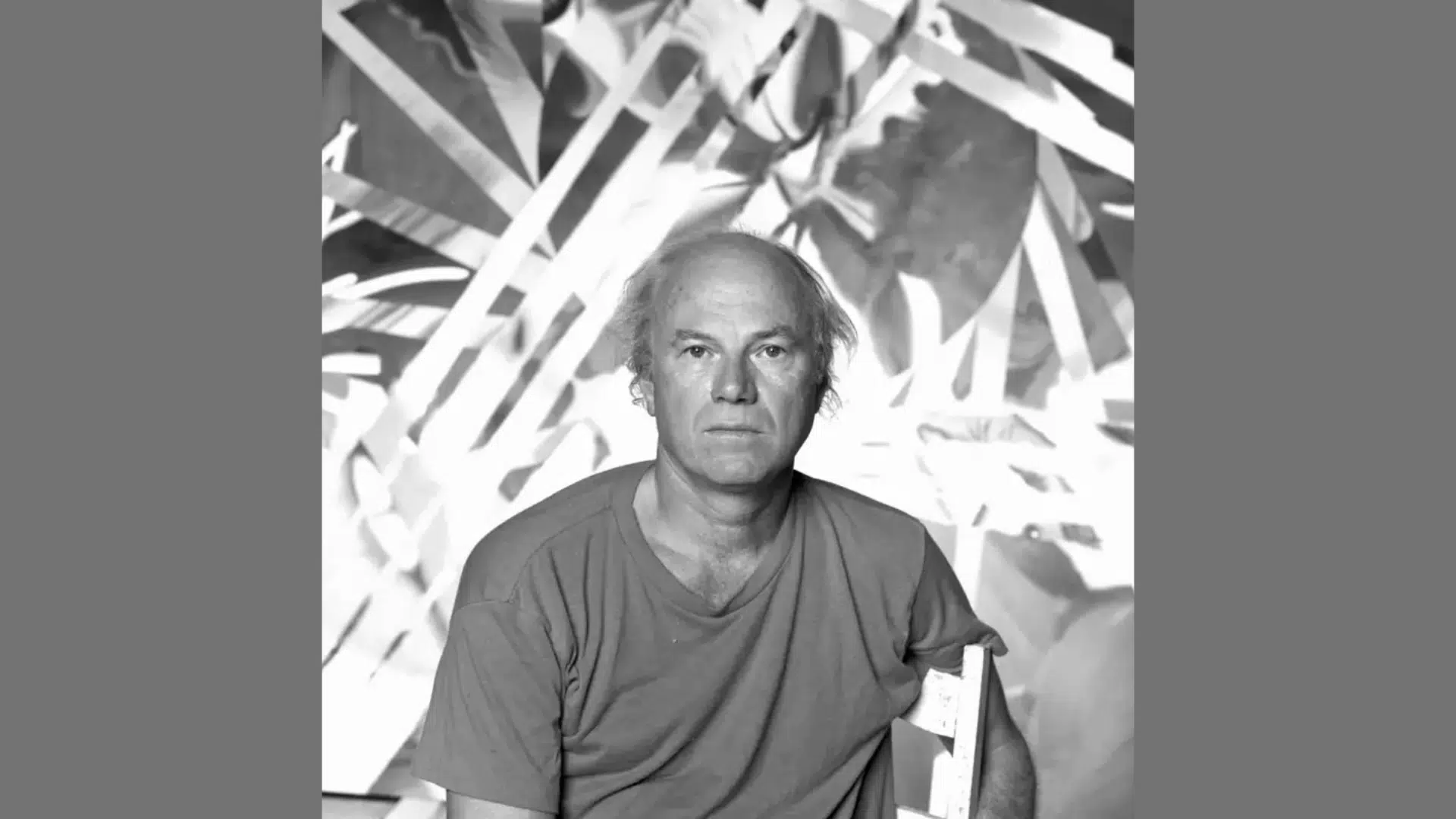
Source: Heather James Fine Art
Even before he was an artist in the finest art sense, he was an artist making billboard paintings, and his flair for working on a huge scale is illustrated by F-111, which stretches over 80 feet.
He folds up a jet plane, a Miss America smile, and an atomic bomb in a single, messy tableau. He always said he loathed being considered a Pop artist, but his billboard of art couldn’t better explain the term if it tried.
5. Tom Wesselmann

Source: Tom Wesselmann
Wesselmann’s another one of the famous pop art artists omitted from Pop art lists; his 1961 project Great American Nude began pairing these simplified forms with cutouts of actual commercial items.
He collaged original advertisements directly onto his canvas; that’s why the supermarket was within the painting. Rather than copying anything, he just glued the art into it.
6. Robert Indiana
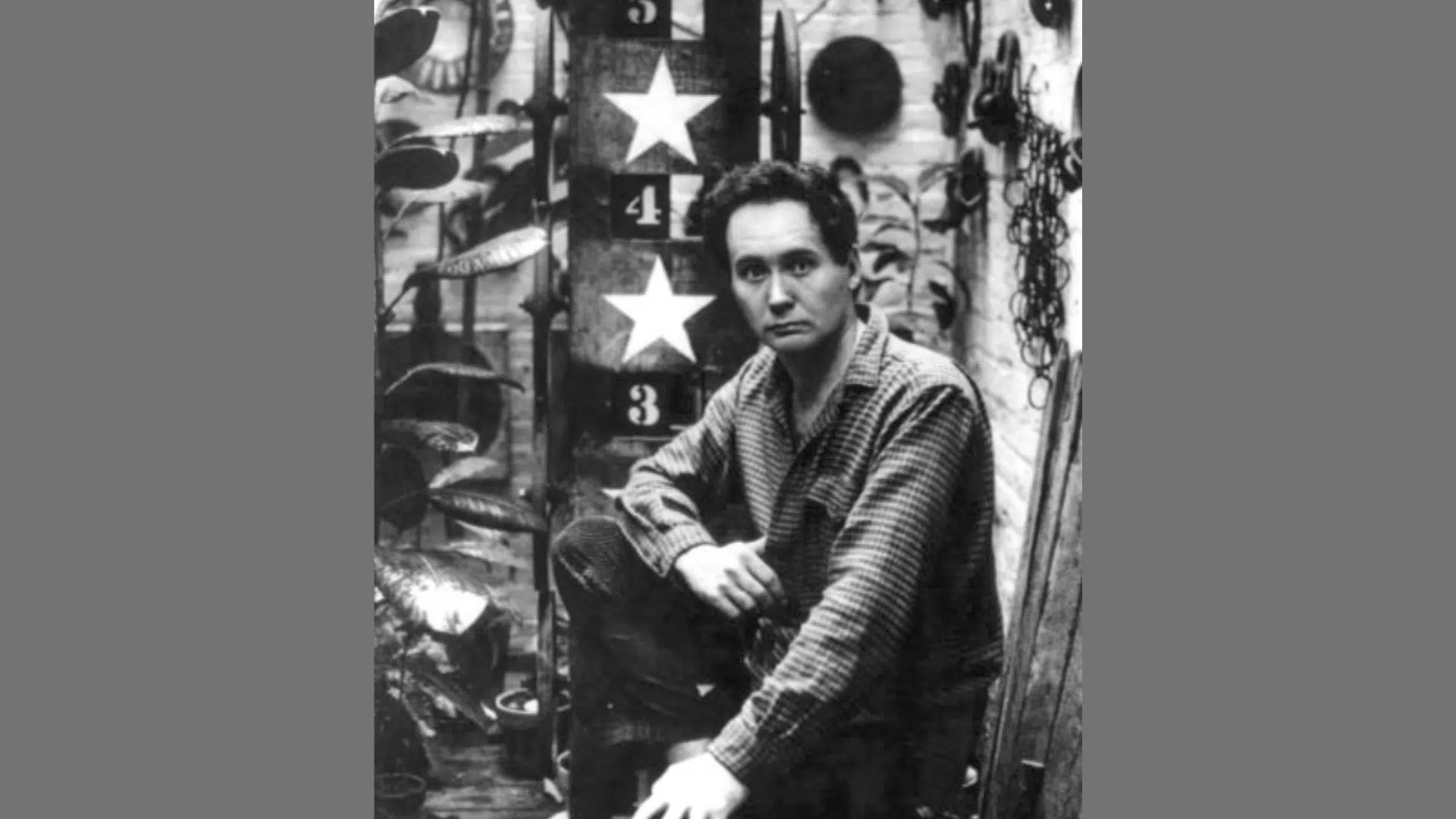
Source: Indianapolis Business Journal
Indiana called himself “a painter of signs.” In 1966, he made his iconic LOVE – stacked letters with a canted “O”, and it has since spawned a sculpture, a U.S. Postage stamp, and any number of reproductions.
Indiana’s own career he based squarely on letter painting signs for the roadway in loud slabs of color. That’s how American advertisers style their product.
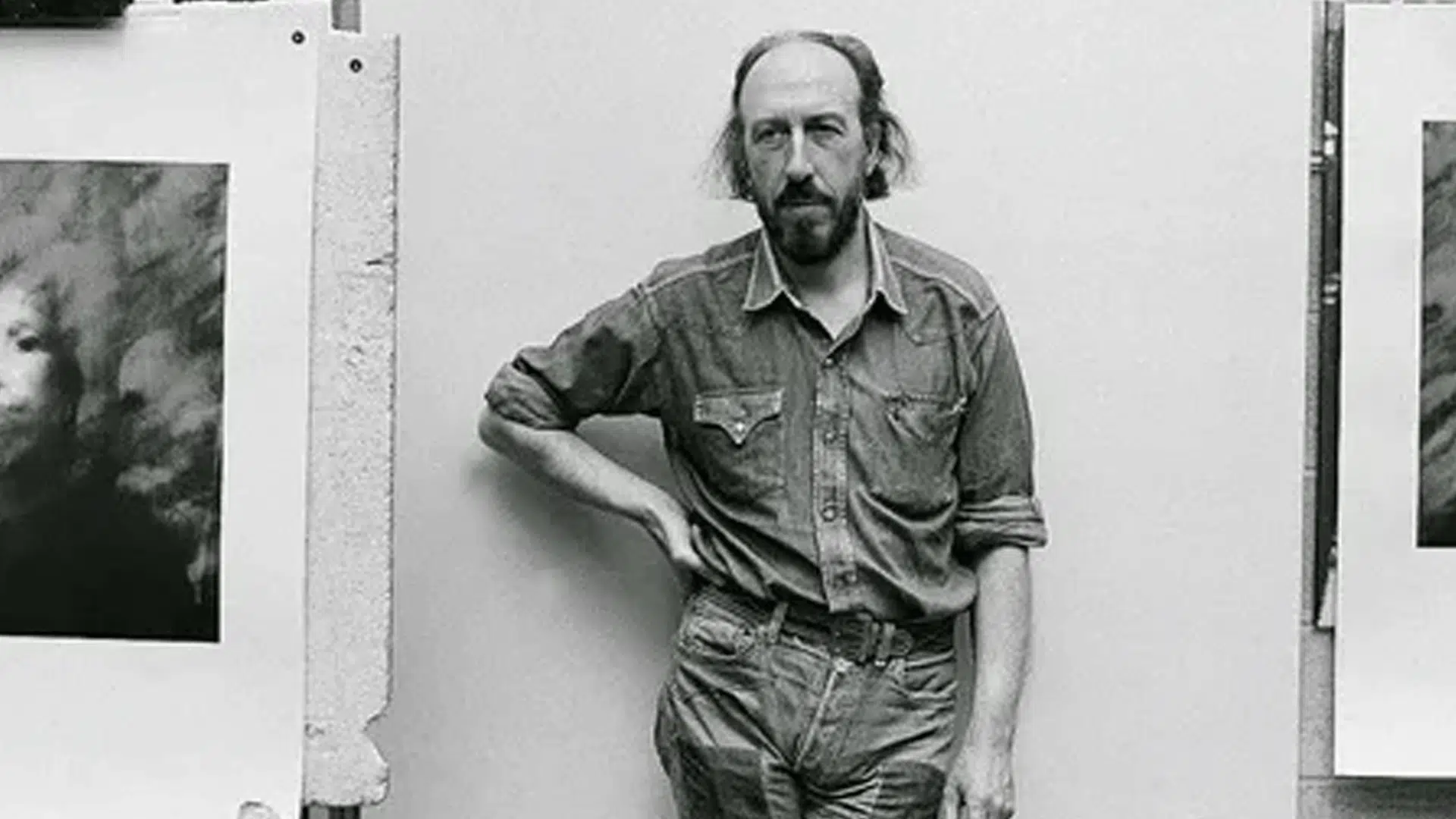
7. Richard Hamilton
Source: Marl Littler Ltd
Hamilton is often called the father of British pop art. He put together a 1956 collage called a living room which included a muscle-bound lummox, and, most famously, a lollipop stuck with the letters POP and a tin of ham.
Many consider it the movement’s founding image. Hamilton also helped co-author the initial working definition of what the pop art movement should comprise.
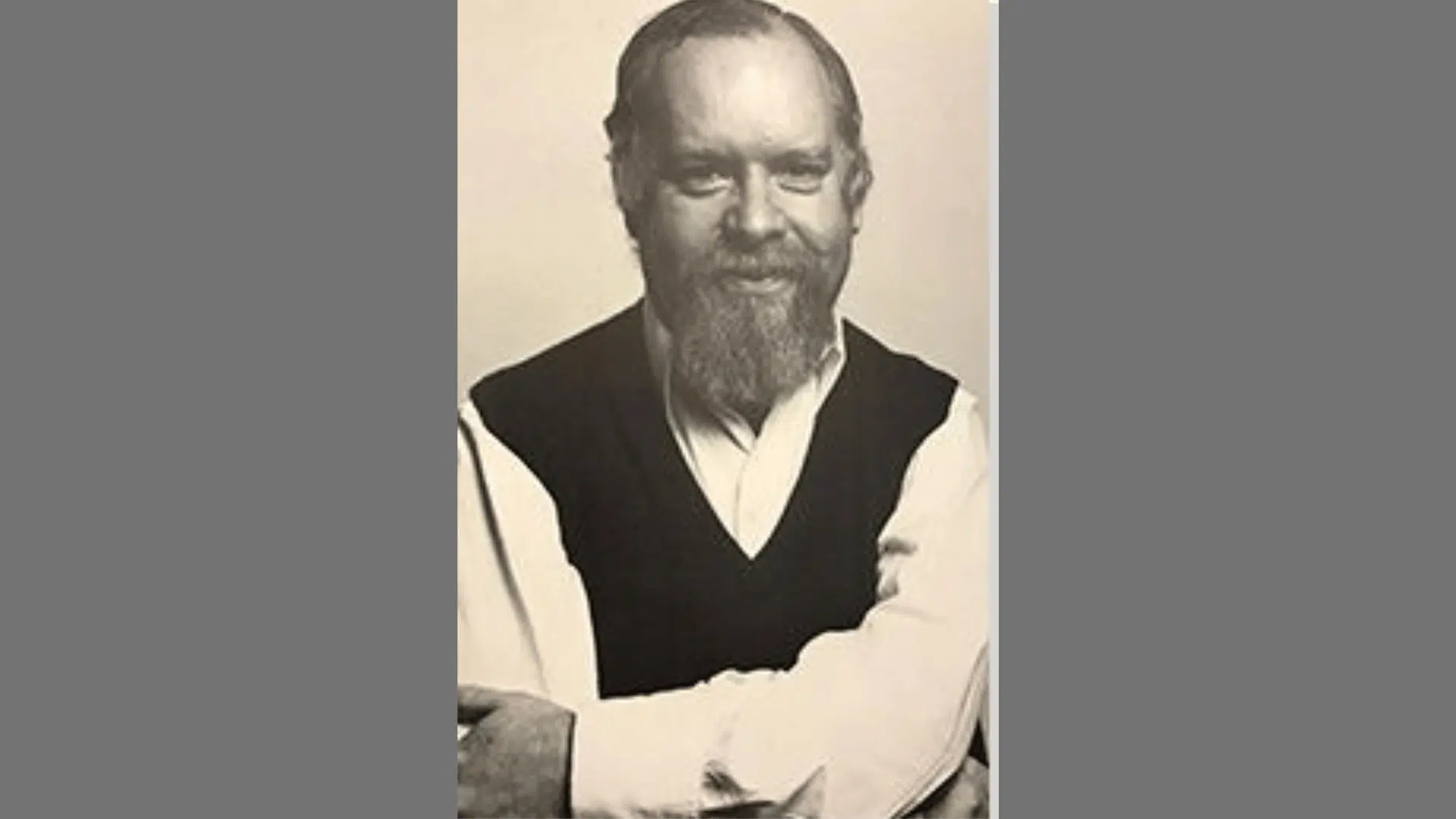
8. Peter Blake
Source: The Art Today
He produced, with Jann Haworth, the album cover art of the Beatles’ ‘Sergeant Pepper’s Lonely Hearts Club Band’ album, perhaps one of the most recognizable cultural images of the decade.
Before it was de rigueur, he folded badges into comic strips and pinups into portraits, turning fandom into something more earnest and worthwhile.
His bold experiments with images and design challenged traditional artistic boundaries and expanded the possibilities of contemporary art.
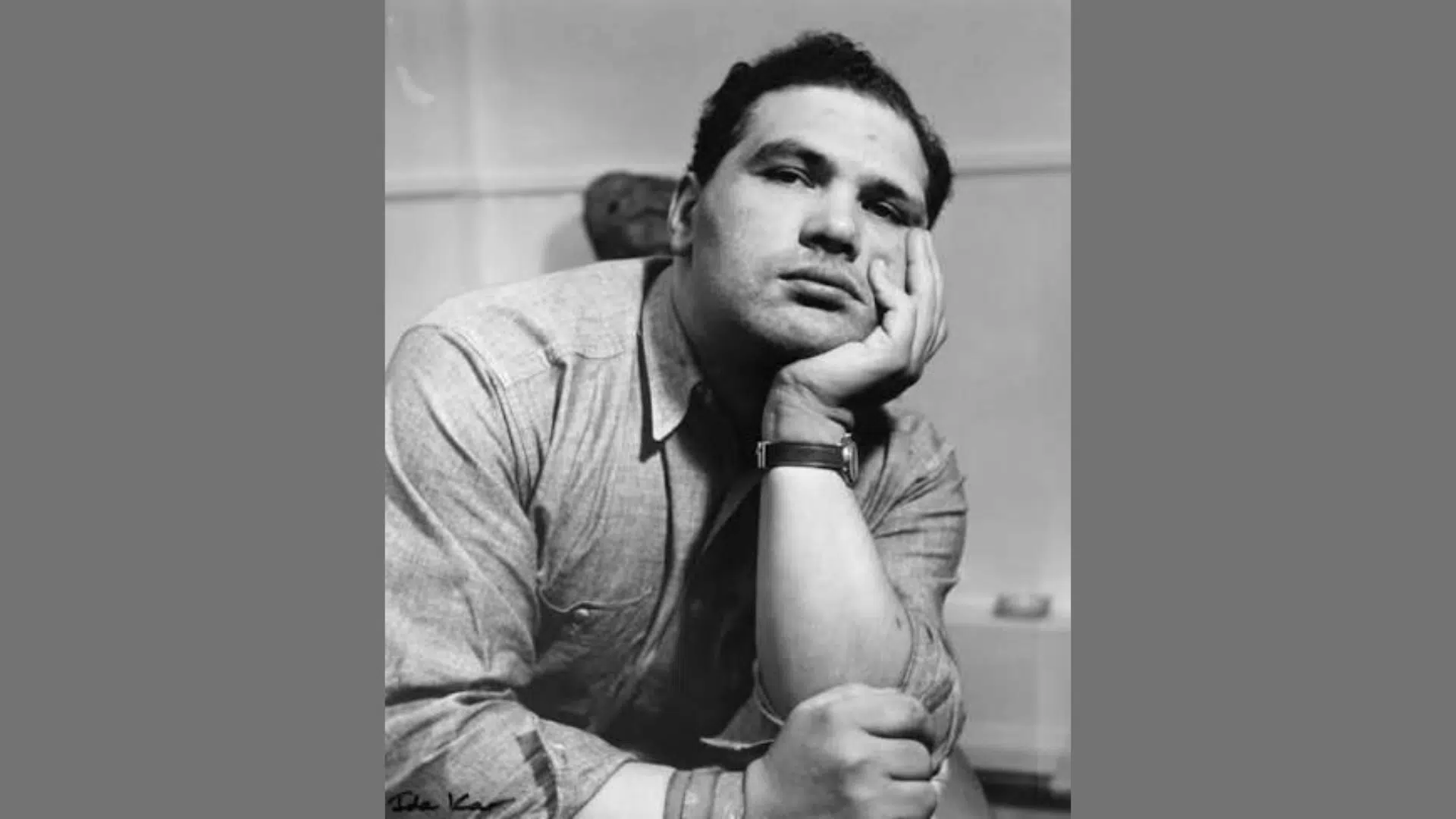
9. Eduardo Paolozzi
Source: National Portrait Gallery
Scottish artist and Independent Group co-founder, Paolozzi created this collage,1947 I Was a Rich Man’s Plaything, which includes the word “POP,” well before the word was formally defined.
He pieced together early creations using clippings from American magazines, pulp cover art, and advertisements, an American visual language that would prove foundational for an artist’s movement a decade later.
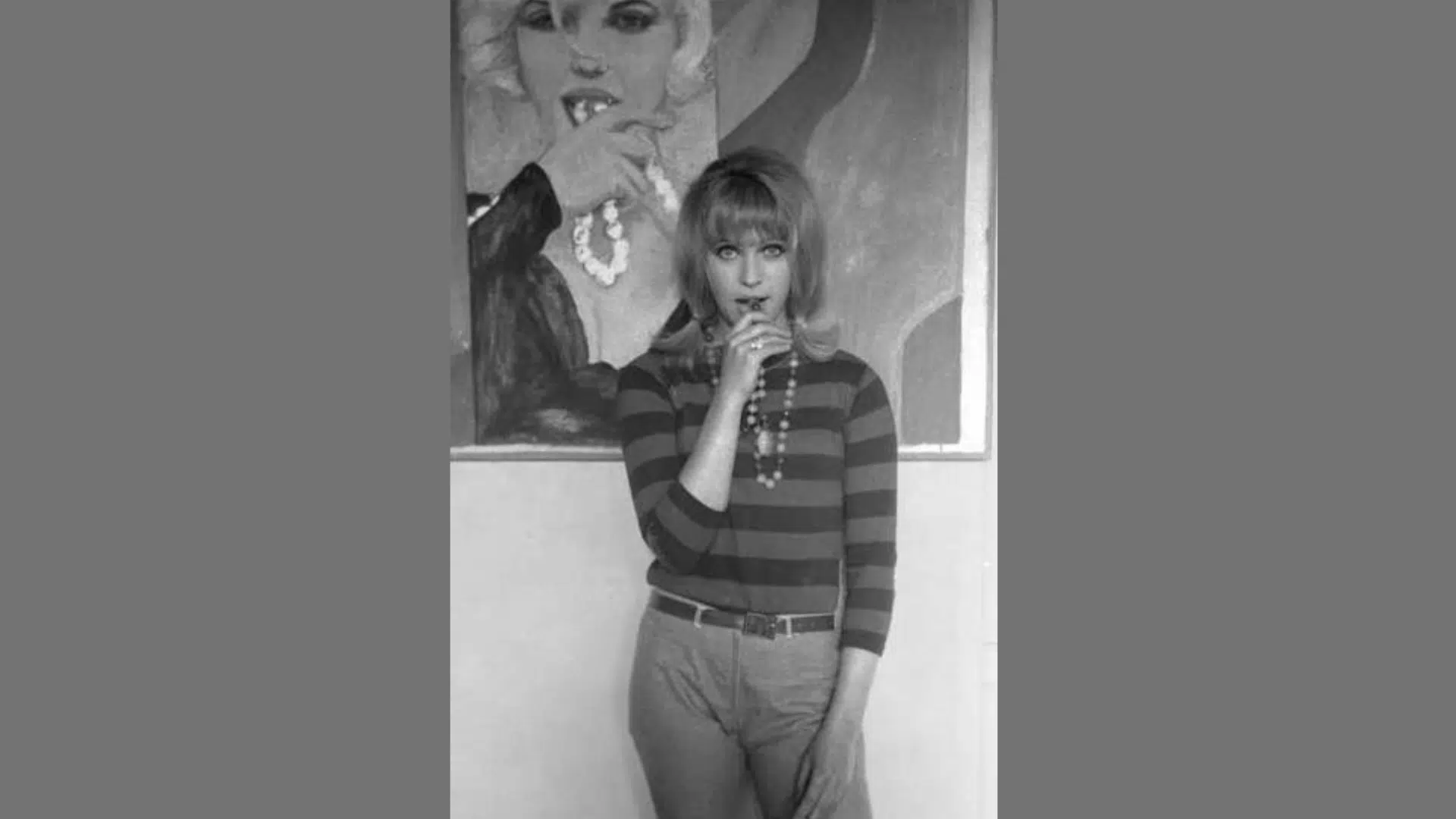
10. Pauline Boty
Source: National Portrait Gallery
Pauline Boty was the British Pop Art set’s sole woman artist, and for years, the most neglected. Her painting ‘The Only Blonde in the World’, created in 1963, pictures Marilyn Monroe in full stride between two blocks of color.
“She writes about the concept of fame and female lust from a female perspective, something you almost don’t find in the rest of the movement,” says one commentator. She died at the age of 28 in 1966.
Although her career was brief, Boty’s vibrant paintings and fresh perspective have earned renewed recognition, establishing her as a pioneering figure in British Pop Art.
11. Marisol Escobar
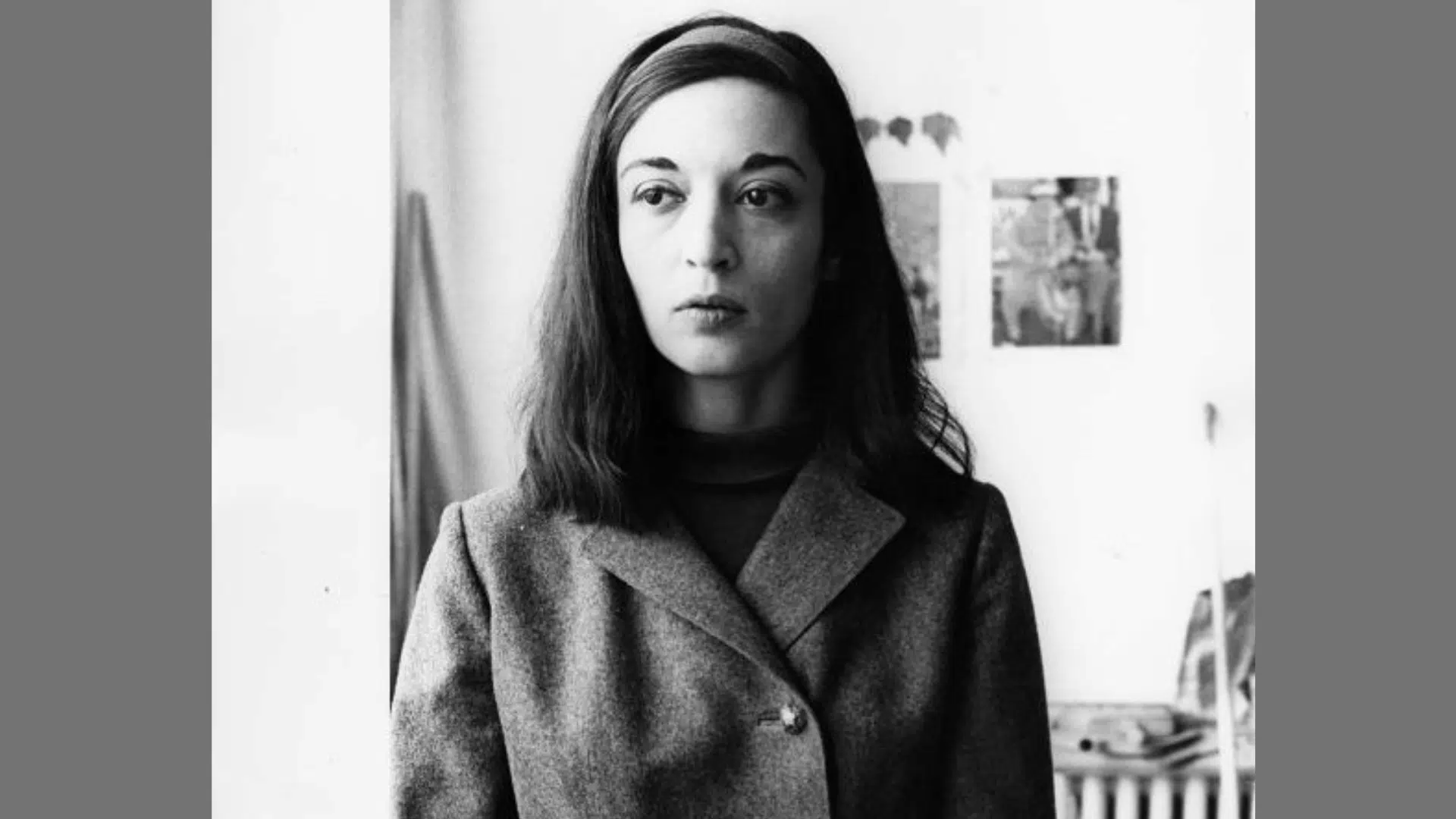
Source: QCC Art Gallery CUNY
Venezuelan-American sculptor is one of the famous pop art artists who turned Pop into a sculptural practice, carving and cobbling together blocky wooden people before painting the portraits and photos onto them (usually to take a crack at the rich and famous).
She’s exhibited with Warhol in the early 1960s and generated enthusiastic attendance, but history tended to gloss over her, in common Pop-Art narrative, for decades.
12. David Hockney
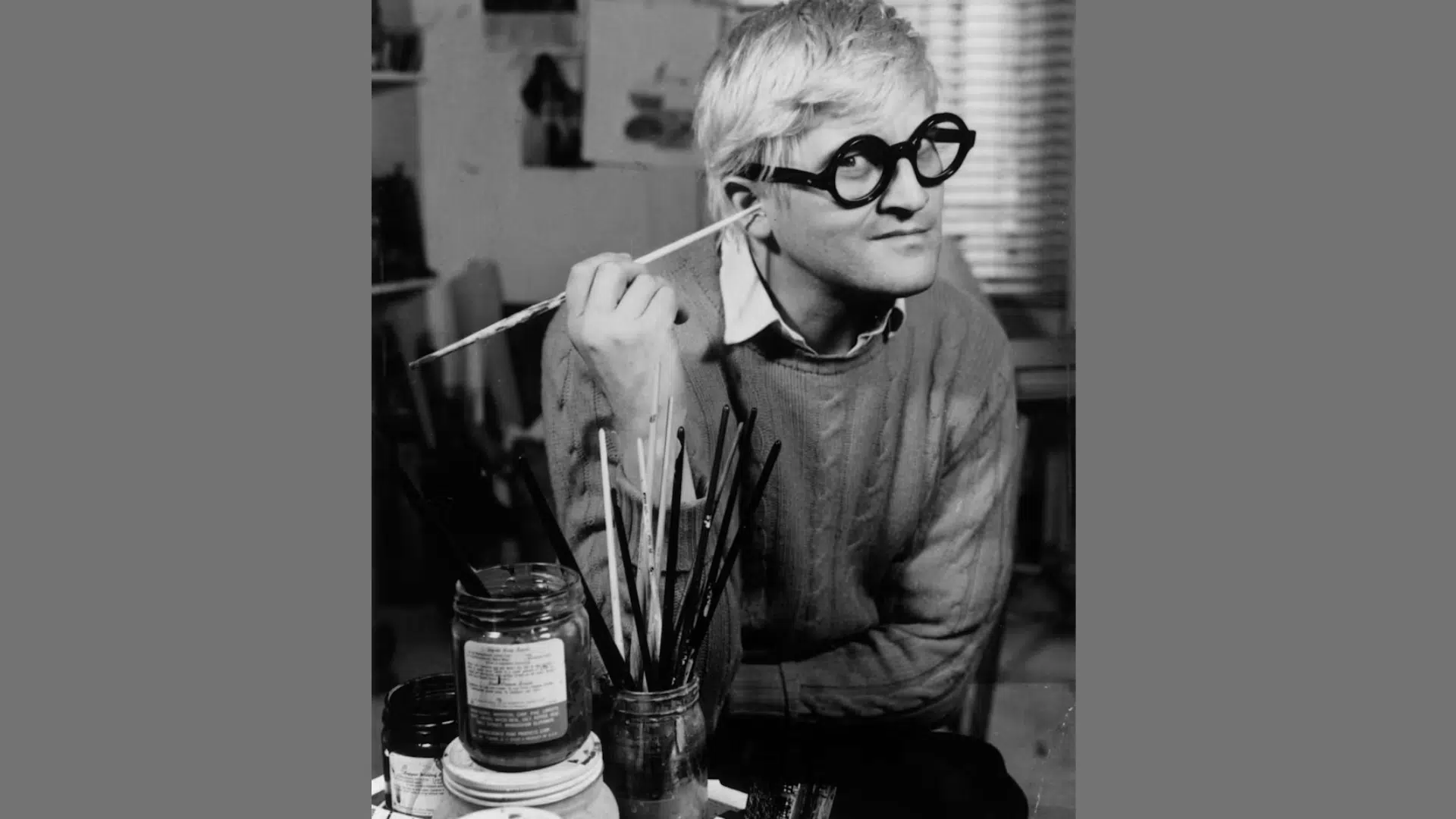
Source: W Magazine
His 1967 painting A Bigger Splash depicts a diving board and a splash of water beside an empty pool, rendered in flat, vibrant colors.
This California-inspired series firmly linked Hockney to Pop Art, even though his work later evolved to explore many other artistic styles.
13. Keith Haring
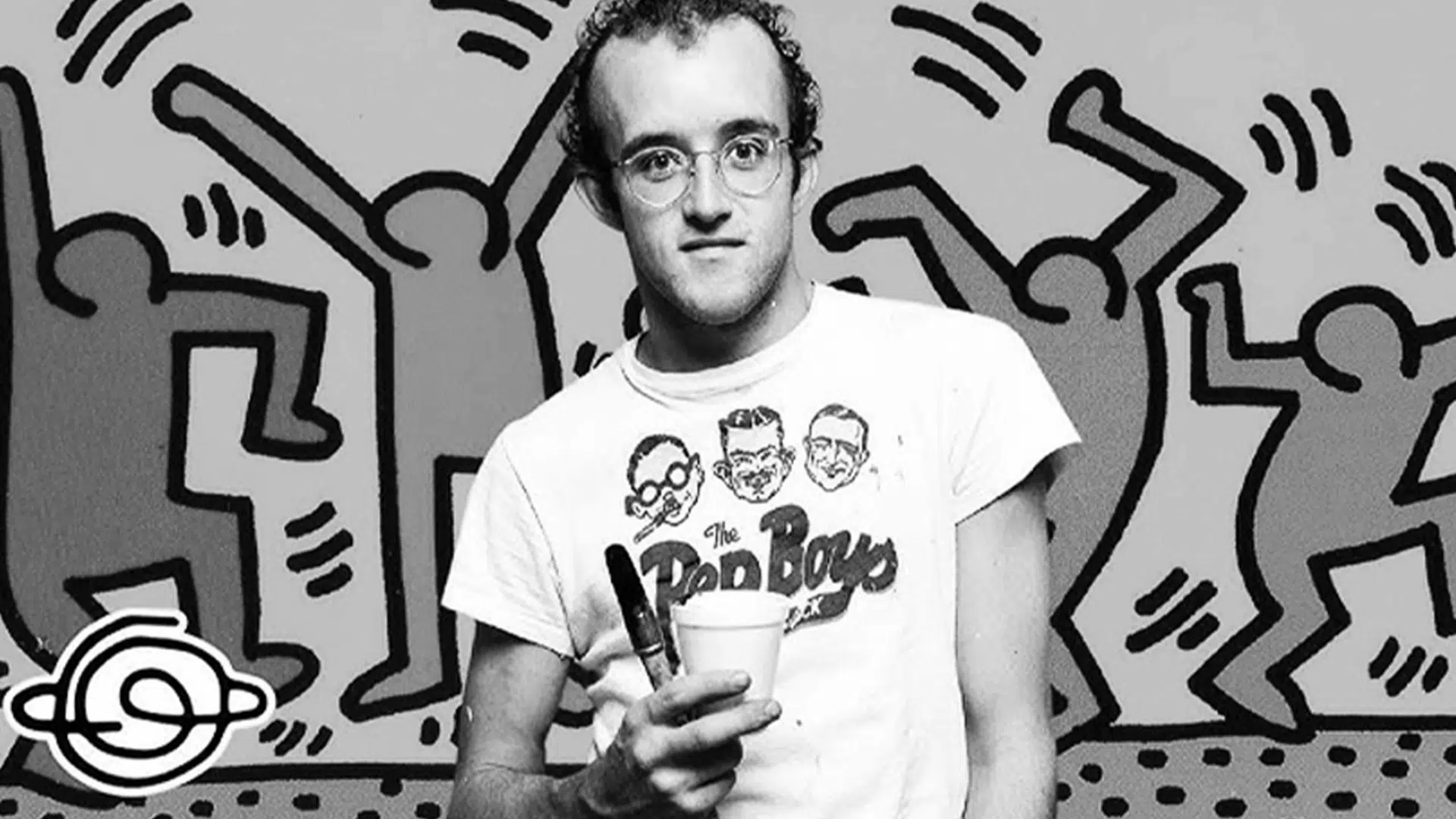
Source: Living Edge
By the early 80s, Haring was leaving his iconic bold, outlined characters all over the New York City subway system, and the advertising posters that remained in there became his canvas. A direct extension of graffiti’s history as an art form rather than a break from it.
His Radiant Baby and Barking Dog pictures made their way onto tunnel walls, the inside of buses, shirts, stickers, and countless little toys and plastic versions of Radiant Baby.
The National Library of Medicine documents how his foundation continues to fund AIDS research, care, and education today.
The Precursors Who Opened the Door
Before Pop Art became a movement, several artists introduced ideas and techniques, some drawing on adjacent movements like Surrealism, that helped shape its distinctive style.
14. Jasper Johns
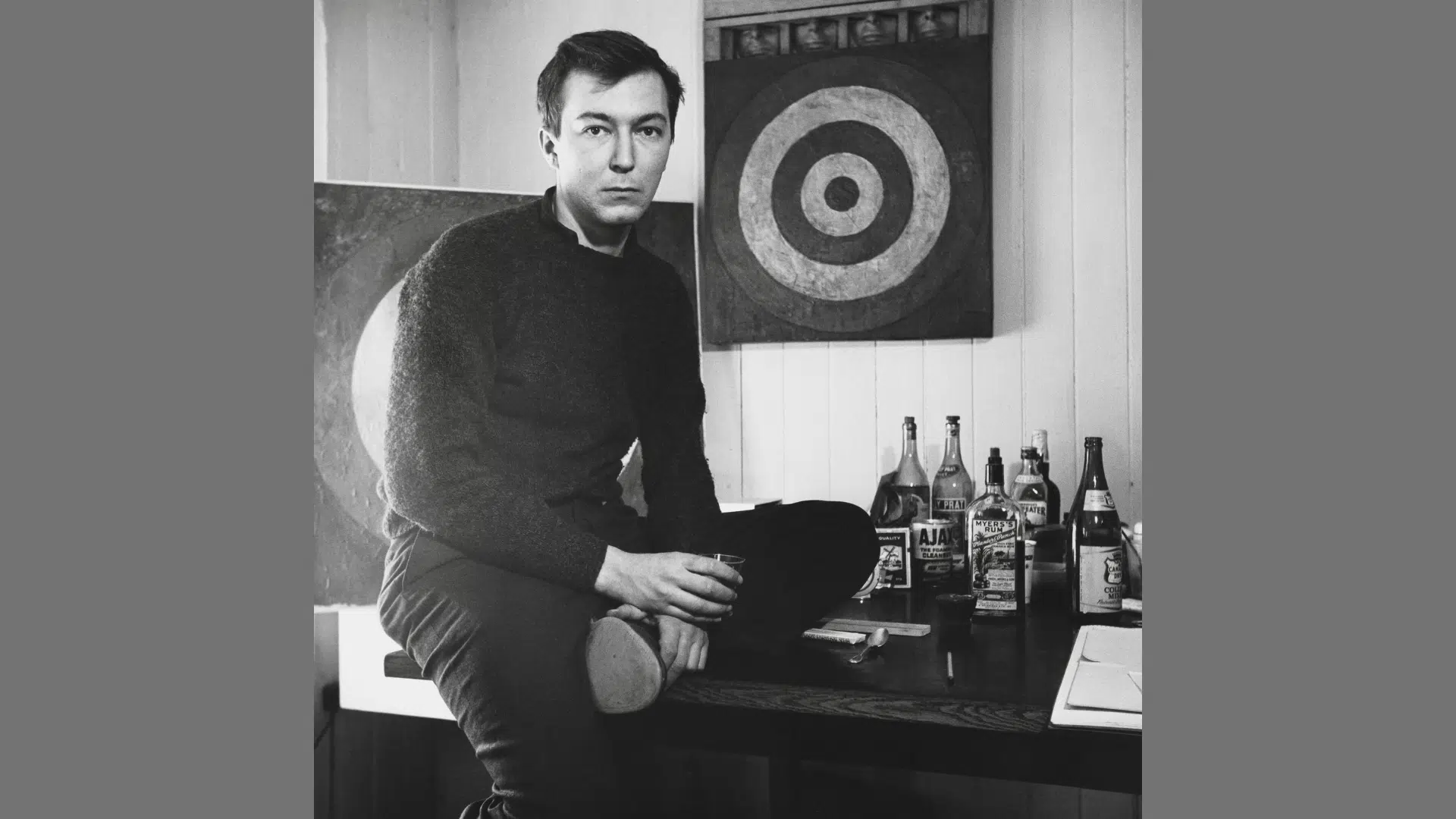
Source: Whitney Museum of American Art
Johns painted flags, targets, and numbers, images you already know by heart. His canvases lie at the threshold of actual Pop Art.
Otherwise, his style is grouped under Neo-Dada in his era. Yet his slick, representational, symbol-laden pictures helped open the door for his artistic offspring in the Pop Art movement.
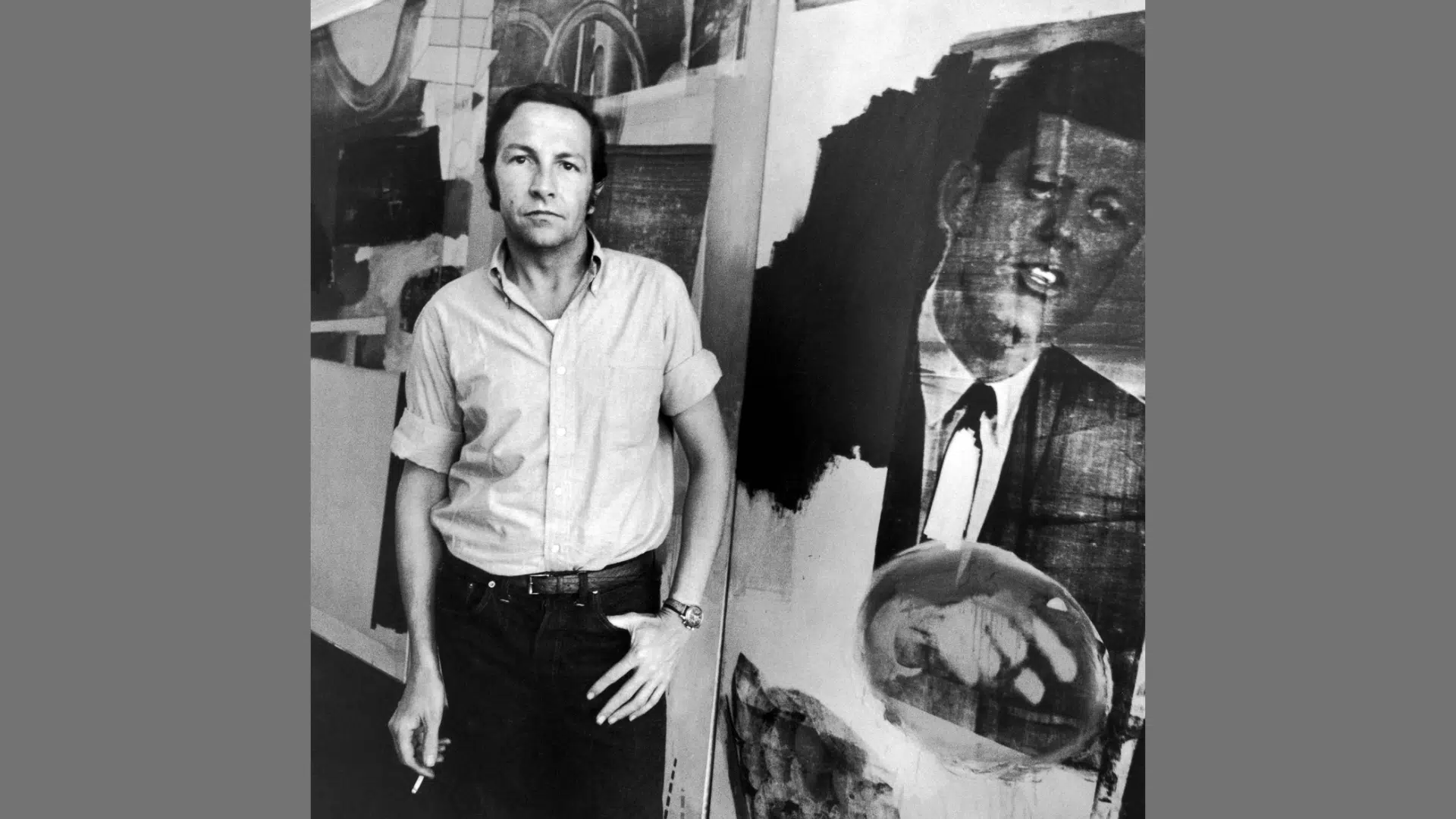
15. Robert Rauschenberg
Source: The Guardian
These works, entitled Combines, consist of mixed-media assemblages of real, ready-made, and painted objects. In the early 1960s, he began using the silkscreen process on his canvases.
Rauschenberg used these ordinary materials in combination with painting to form a transition between Neo-Dada and Pop Art.
Rauschenberg’s innovative techniques challenged traditional artistic boundaries and helped shape the direction of contemporary art in the decades that followed.
Contemporary Pop Art Artists to Know Today
These contemporary artists have reimagined Pop Art by blending its iconic style with modern culture and creative techniques
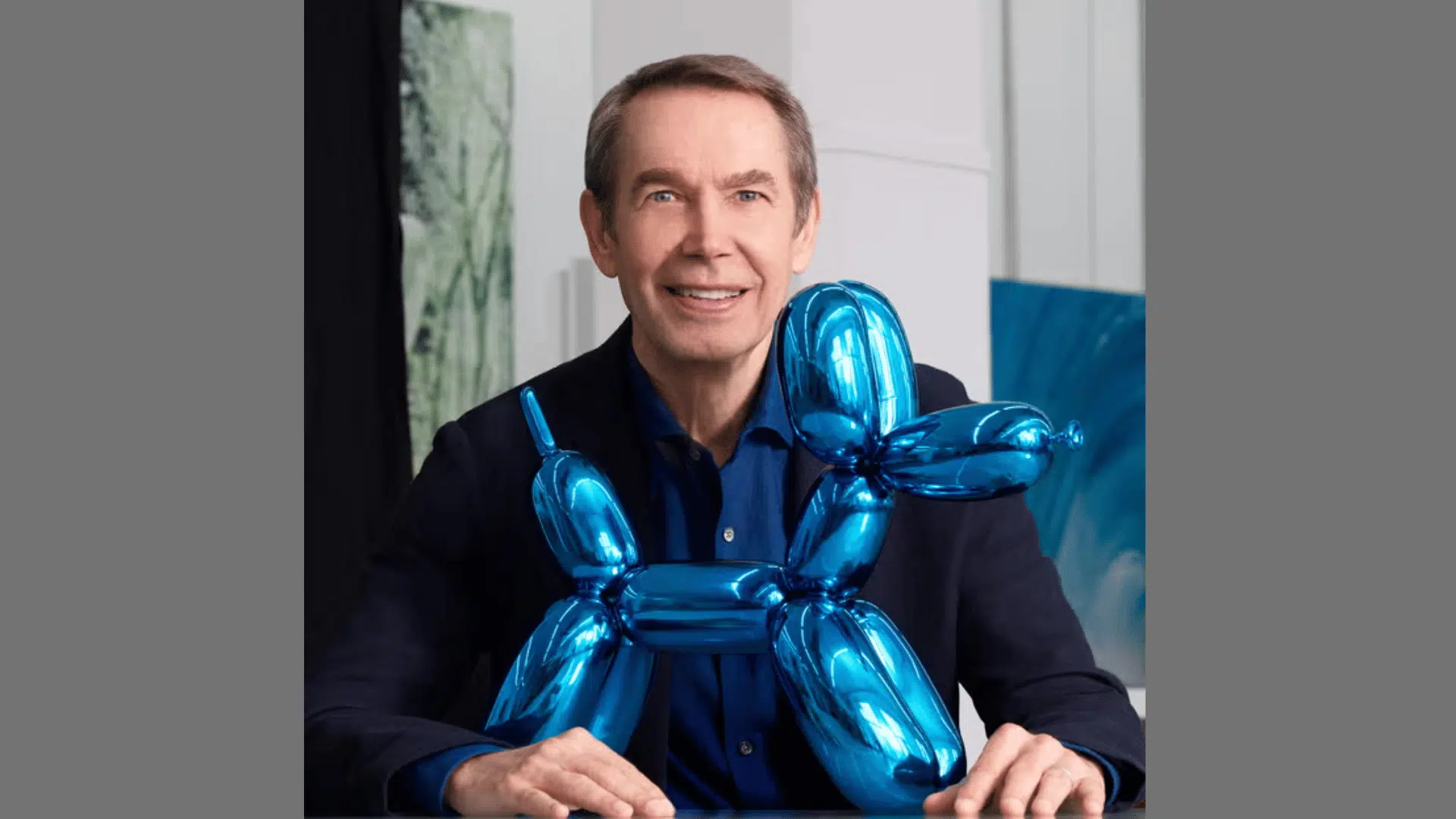
16. Jeff Koons
Source: Veranda
Jeff Koons inflates common children’s toys, such as balloon animals, children’s items, and inflatable items, into large stainless steel sculptures.
He began his balloon dog sculptures in 1994. It’s the old Oldenburg switch of changing scale with material, but making it out of that soft vinyl in high-sheen “mirror polished”.
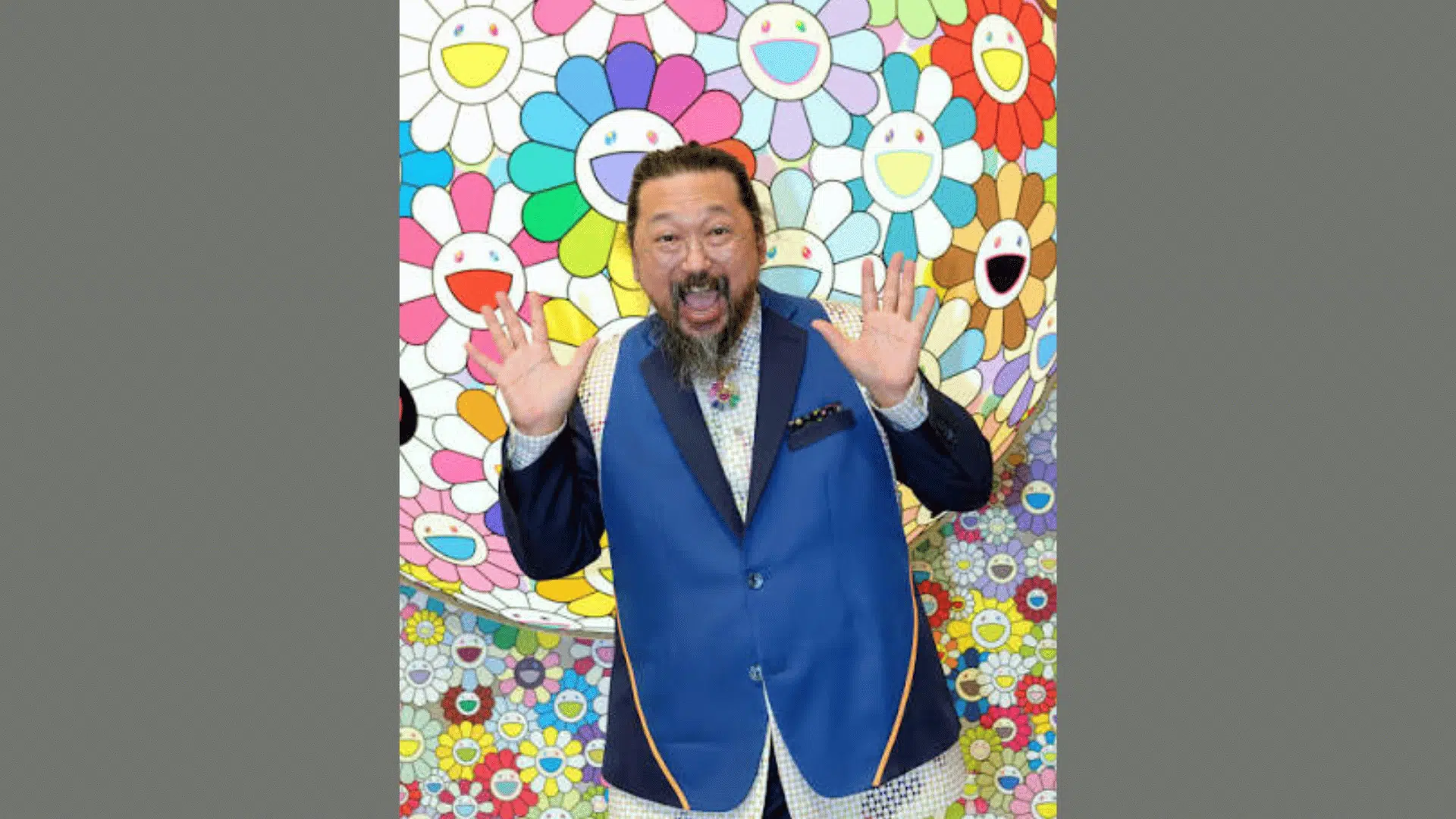
17. Takashi Murakami
Source: Fondation Louis Vuitton
Murakami brought Pop Art up to date by melding fine art with fashion, design, and contemporary popular culture, drawing heavily on traditional Japanese art history even as he modernized it.
His colorful, grinning flower can be seen in paintings and sculptures, and has been used for the Louis Vuitton collaborative projects spanning many years.
By blending traditional Japanese influences with modern creativity, Murakami created a distinctive artistic style that remains widely celebrated today.
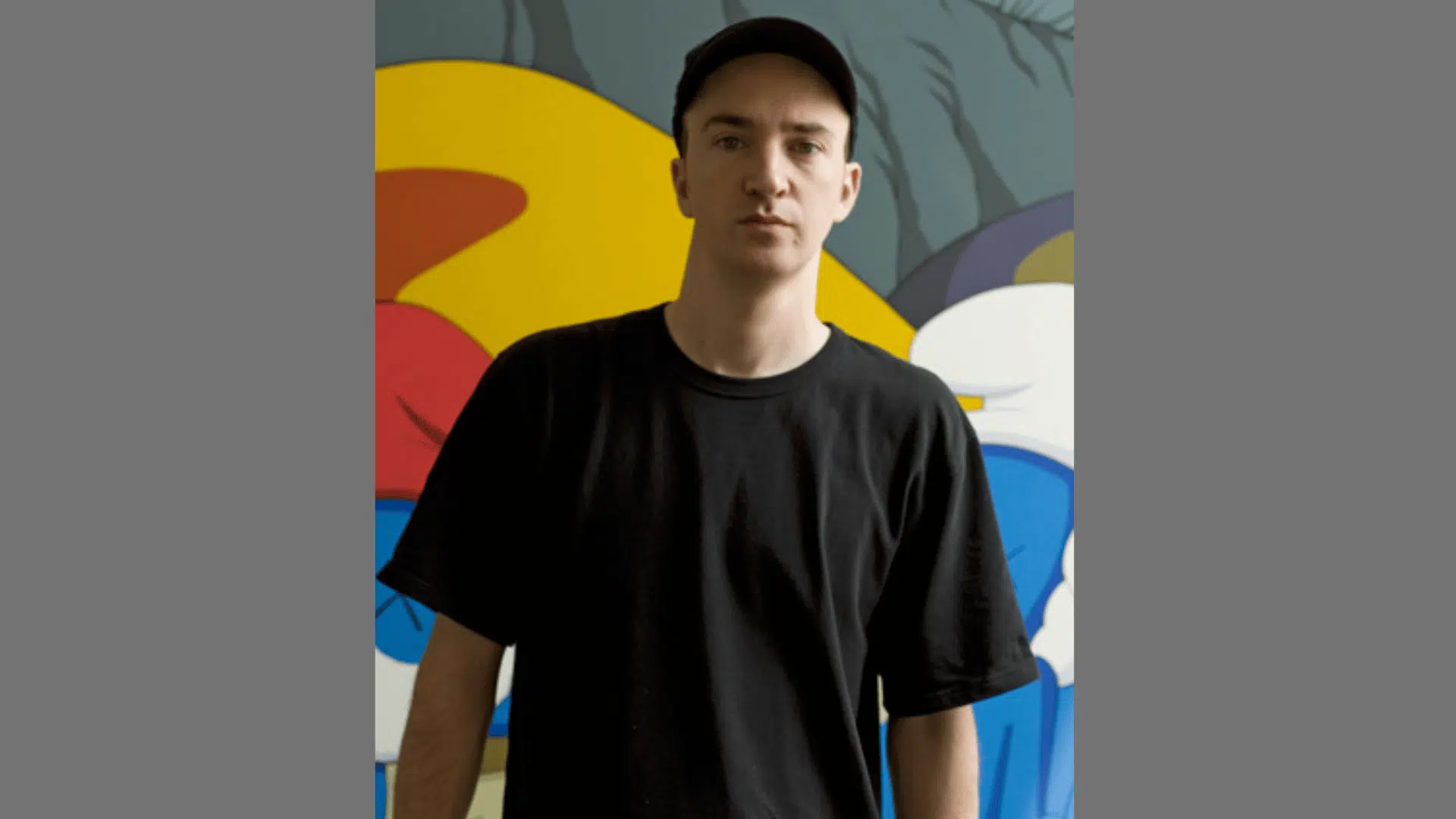
18. Kaws
Source: T Magazine Blog
It all began with KAWS, otherwise known as Brian Donnelly, who started out spray-painting graffiti across the city and defacing bus stop advertisements before entering galleries.
His iconic character, Companion, is a man in a skull suit with an “X” over his eyes. It’s found in paintings, massive outdoor statues, and in collectible vinyl toys sold around the globe.
19. Yayoi Kusama
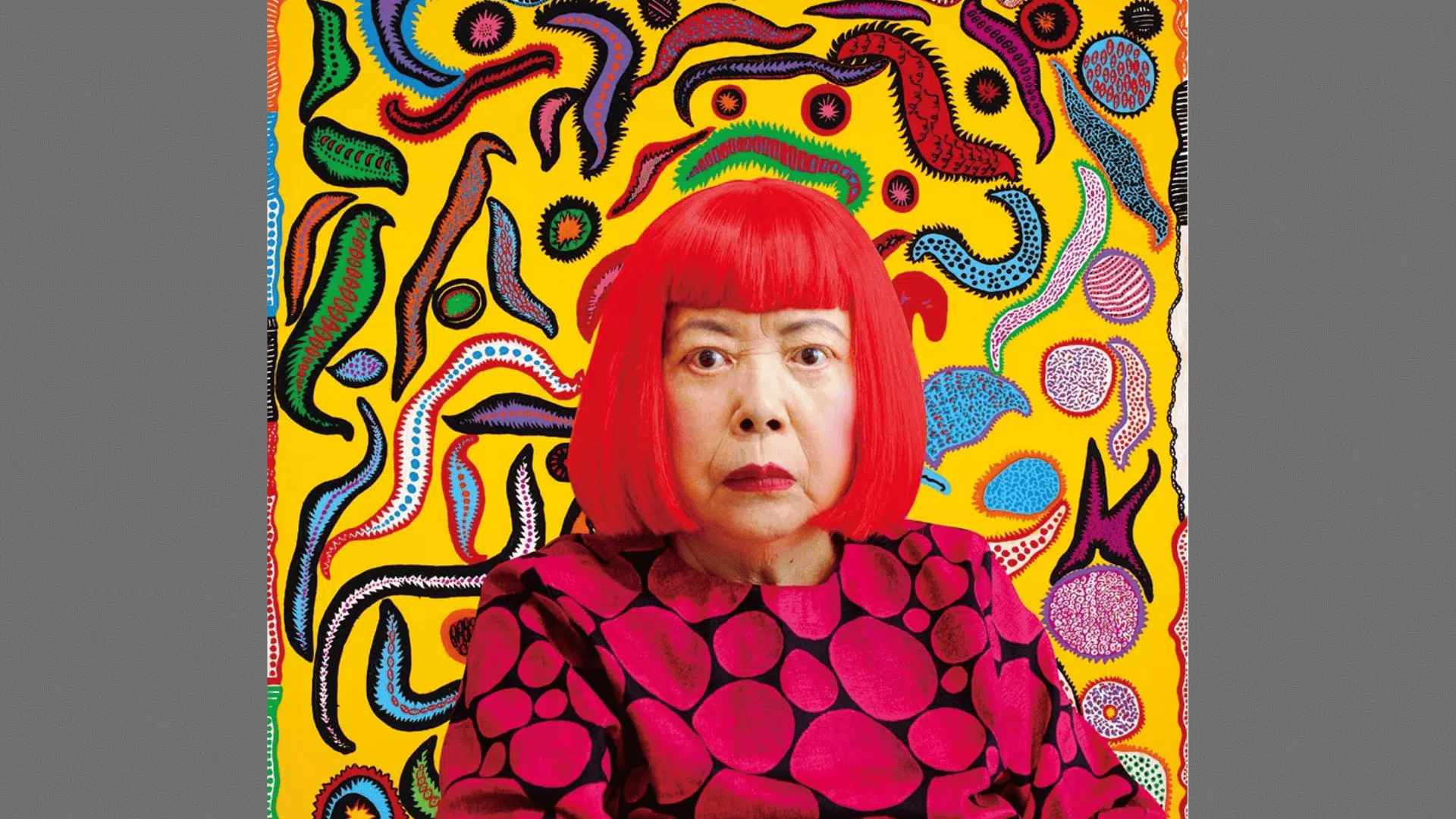
Source: Greater Des Moines Public Art Foundation
Kusama has put polka dots on everything from canvases and entire rooms to pumpkins (which she’s been decorating since the 1960s). During that time, she also shared space with New York’s Pop Art set.
She translates the repetition inherent to Pop Art and expounds on it in the room installations or walk-in mirrors as her infinity mirrorrooms.
Over the years, Kusama has continued to create paintings, sculptures, and installations that have influenced artists around the world.
Pop Art Artists at A Glance
This quick reference highlights some of the most influential Pop Art artists, their signature works, and what made each one famous.
| Artist | Signature Work | What They Are Known For |
|---|---|---|
| Andy Warhol | Campbell’s Soup Cans (1962) | Silkscreen celebrity portraits, repetition |
| Roy Lichtenstein | Whaam! (1963) | Comic panels and Ben-Day dots |
| Claes Oldenburg | Spoonbridge and Cherry (1988) | Giant soft and public sculptures |
| Richard Hamilton | Just What Is It… (1956) | Father of British Pop Art |
| Eduardo Paolozzi | I Was a Rich Man’s Plaything (1947) | Early collage, first use of “POP” |
| Pauline Boty | The Only Blonde in the World (1963) | The movement’s key female voice |
| David Hockney | A Bigger Splash (1967) | Flat, sunlit California scenes |
| Jeff Koons | Balloon Dog (1994) | Mirror-finish steel sculptures |
| Yayoi Kusama | Infinity Mirror Rooms | Polka dots and immersive rooms |
| KAWS | Companion | Cartoon figures and collectible toys |
What Makes Pop Art Different from Other Styles?
Pop art’s differences from previous movements are evident in several respects.
- Familiar images: The objects and familiar images in pop art, instead of landscapes or portraits, are things like soup, cans, comic cartoons, product packaging, etc.
- Bright, flat color: Areas of intense color that would look quite flat if there were no shading or texture within the areas.
- Replication: A similar image repeated many times, representing in painting or print both the act of reproduction.
- Solid outlining: There are areas with hard outlines rather than a soft blur, with areas where something had been brushed on.
- Irony and Parody: Instead of glorifying its subjects in either style, pop art sometimes seems to laugh at its subjects. The same image painted more times than that was the intended process.
How to Recognize and Collect Pop Art
But pop art isn’t hard to identify if you know where to look for it, as it tends to feature vibrant colors, heavy outlines, cartoon graphics, and celebrity, product, and repeating images.
The Pop artist was inspired by print media, including packaging, magazines, advertisements, as well as the modern elements of mass culture; thus, they reflected the commercial world in a playful yet appealing way.
When starting a Pop Art collection, the first point to consider is what types of art you want: original paintings, limited editions, or open editions.
When buying an original work, investigate the provenance, authenticity, and the artwork’s condition prior to the purchase.
Conclusion
What started as an eccentric experiment by an avant-gardist has now become one of the most famous schools of art in the world.
Every single person, Pop artists and the painters in our list, has their own angle, their own perspective that led them to this pop art-creating movement, and if you want to dig deeper into the broader cast of characters, our roundup of famous artists in history is a good next stop.
For newbies or those wanting to know more about Pop Art, these Pop pioneers are a good starting point. Which of these do you like most? Let us know below in the comments.
Frequently Asked Questions
Where Can You See Pop Art in Person Today?
Major collections are housed at the Whitney Museum, MoMA, and the National Gallery of Art in the U.S., as well as at Tate Modern in London and in public installations such as the Walker Sculpture Garden.
Is Pop Art Still Made Today?
Yes. Jeff Koons, Takashi Murakami, KAWS, and Yayoi Kusama all remain true to the Pop Art concept of mass reproduction, repetition, and scale.
What’s the Difference Between Pop Art and Street Art?
Pop art traditionally starts in the studio, borrowing from existing media and advertising. Street Art is created on streets, with artists rarely obtaining a permit; it’s public, often created illegally.