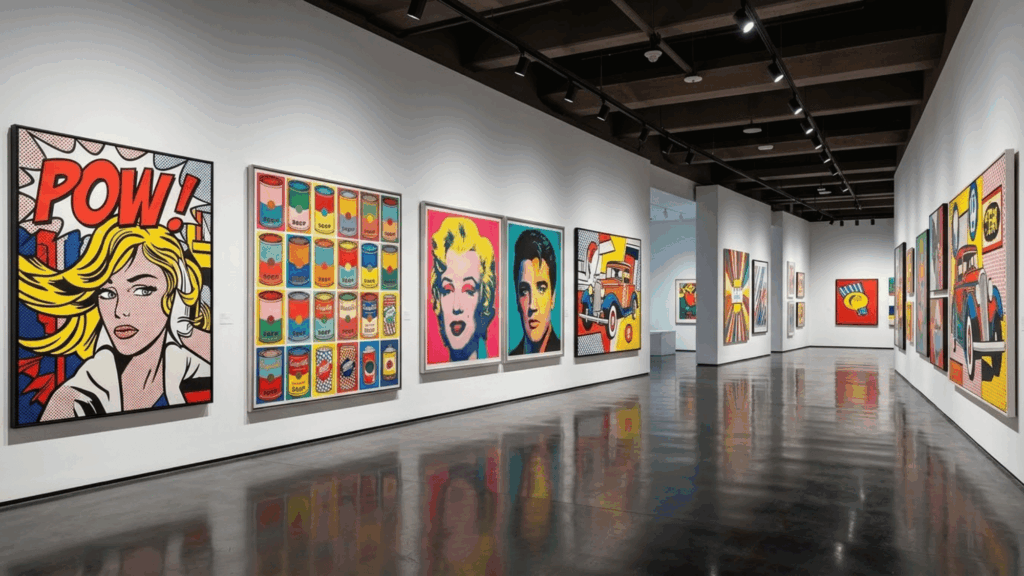
A soup can, a comic-book panel, Marilyn Monroe’s face. Images that once belonged to supermarket shelves, movie screens, and magazine pages ended up on gallery walls and changed the art world in the process.
So, what is Pop Art, and what makes the Pop Art style so instantly recognizable? Artists such as Andy Warhol and Roy Lichtenstein turned familiar images into bold artworks that questioned what fine art could be.
It looks into why the movement emerged, its defining characteristics and styles, the artists who shaped it, and the iconic artworks that continue to define the movement today.
What is Pop Art, and When Did It Start?
Pop art is an art movement that uses images from popular culture as its main subject, one of many movements covered in this broader different painting styles guide.
Pop artists shifted attention away from the dominant tradition of Abstract Expressionism and toward recognizable imagery pulled from advertising, mass media, and consumer culture.
- Started in Britain: Emerged in the mid-1950s through artists studying mass media and advertising.
- Inspired by consumer culture: British artists used magazines, films, and ads as creative influences.
- Moved to the US: Became popular in the late 1950s and 1960s with artists like Warhol and Lichtenstein.
- Focused on everyday images: American pop art used products, celebrities, and comic styles.
Why Did Pop Art Emerge?
Pop Art emerged in response to the growing influence of mass media, advertising, consumer culture, and popular entertainment after World War II.
Television, magazines, billboards, and mass-produced products became part of everyday life, giving artists a new visual world to draw from.
In Britain, the Independent Group began discussing these changes in the 1950s, while American artists later drew heavily on advertising, comics, products, and celebrity culture.
Pop Art also contrasted with the emotional abstraction of Abstract Expressionism by bringing recognizable images from everyday life into fine art.
What are the Main Characteristics of Pop Art?
Pop art uses bright colors, flat compositions, and commercial imagery to challenge traditional ideas about fine art. It draws heavily on advertising, everyday products, and objects people recognize at a glance.
| Characteristic | What It Means |
|---|---|
| Bold Colors | Bright colors inspired by comics and ads. |
| Flat Compositions | Simple designs with little shading or depth. |
| Everyday Subjects | Common items, products, and celebrities as art. |
| Repetition | Repeated images showing mass production. |
| Appropriation | Reused media images with new meanings. |
Common Styles and Themes in Pop Art
Pop art appeared in several forms as artists experimented with images from advertising, media, and everyday life. Each style used familiar subjects but presented them differently to reflect modern culture.
1. Consumer Products and Advertising
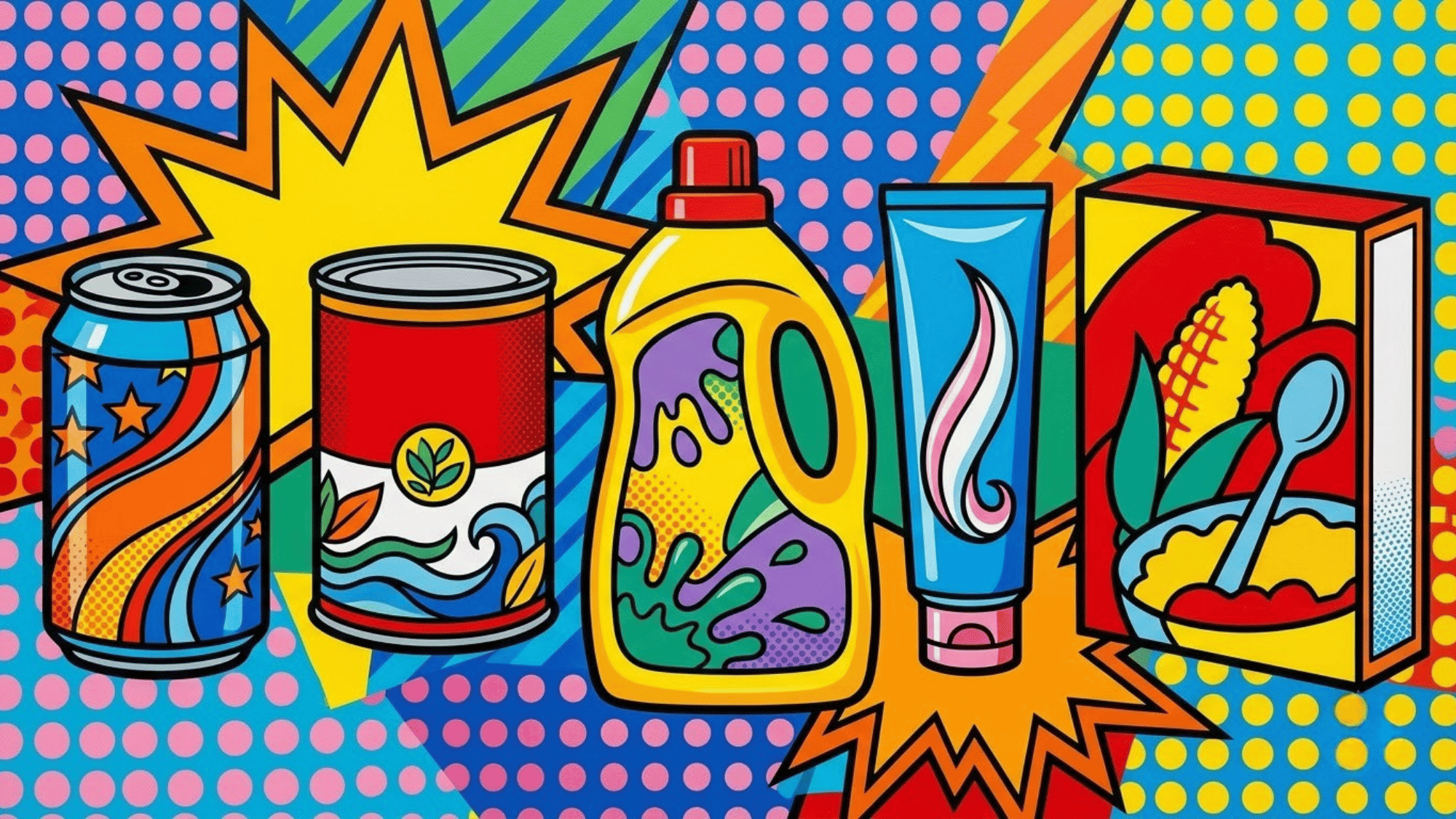
Soup cans, cereal boxes, and detergent labels: pop artists turned supermarket shelves into subject matter. They copied packaging almost exactly, changing only scale or color, to show how deeply brands had worked their way into daily life.
Andy Warhol’s soup can paintings are the clearest example: a product most people walked past without a second thought became the centerpiece of a gallery wall, and remains a fixture in most rankings of the greatest artworks in history.
2. Comic Books and Mass Media
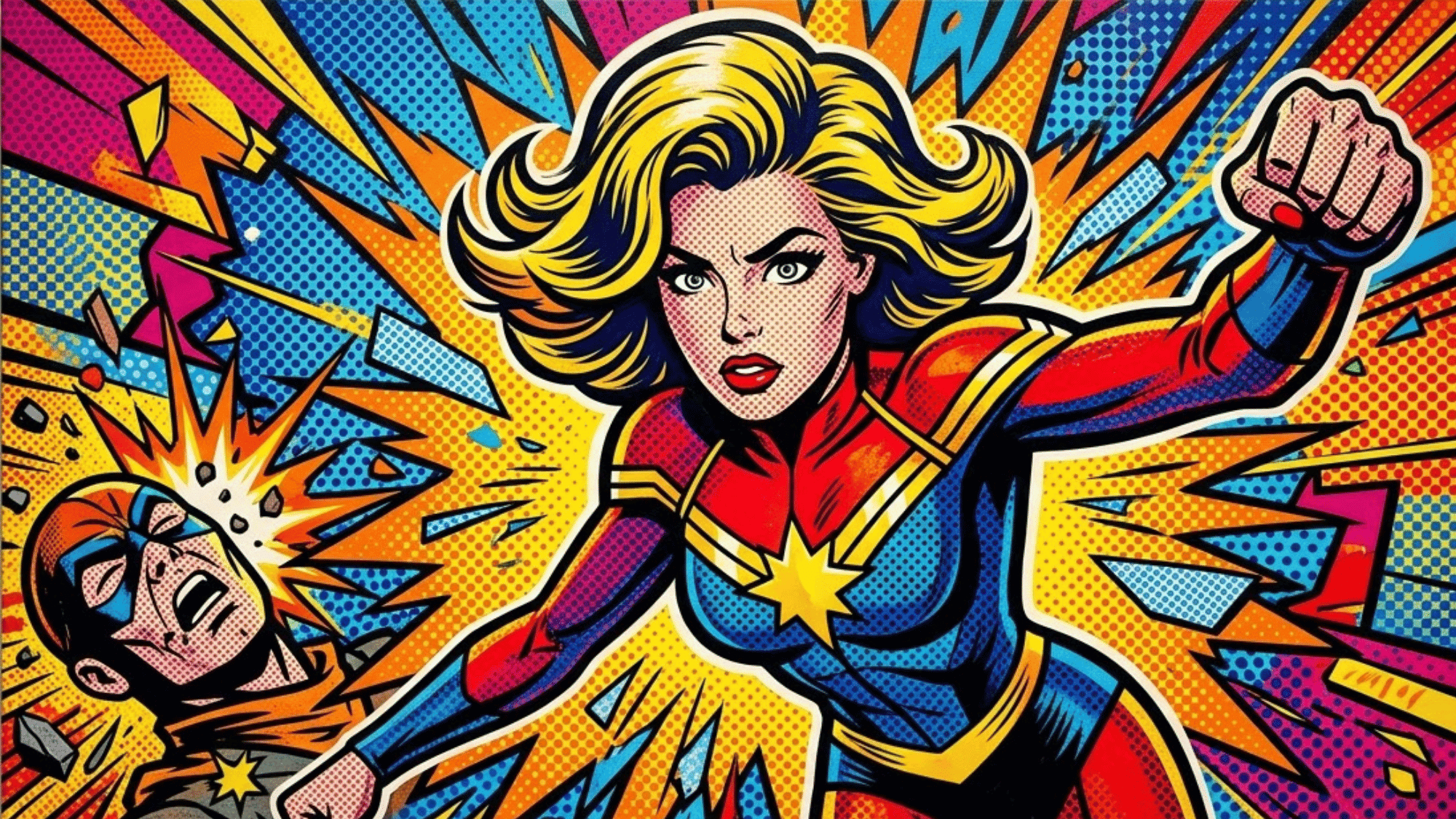
Ben-Day dots, thick black outlines, and dramatic captions: Pop Art borrowed the entire visual language of comic books and blew it up to canvas size.
Roy Lichtenstein didn’t just reference comics; he recreated their printing technique by hand, dot by dot, connecting fine art to something most adults had grown up reading.
3. Celebrity and Fame
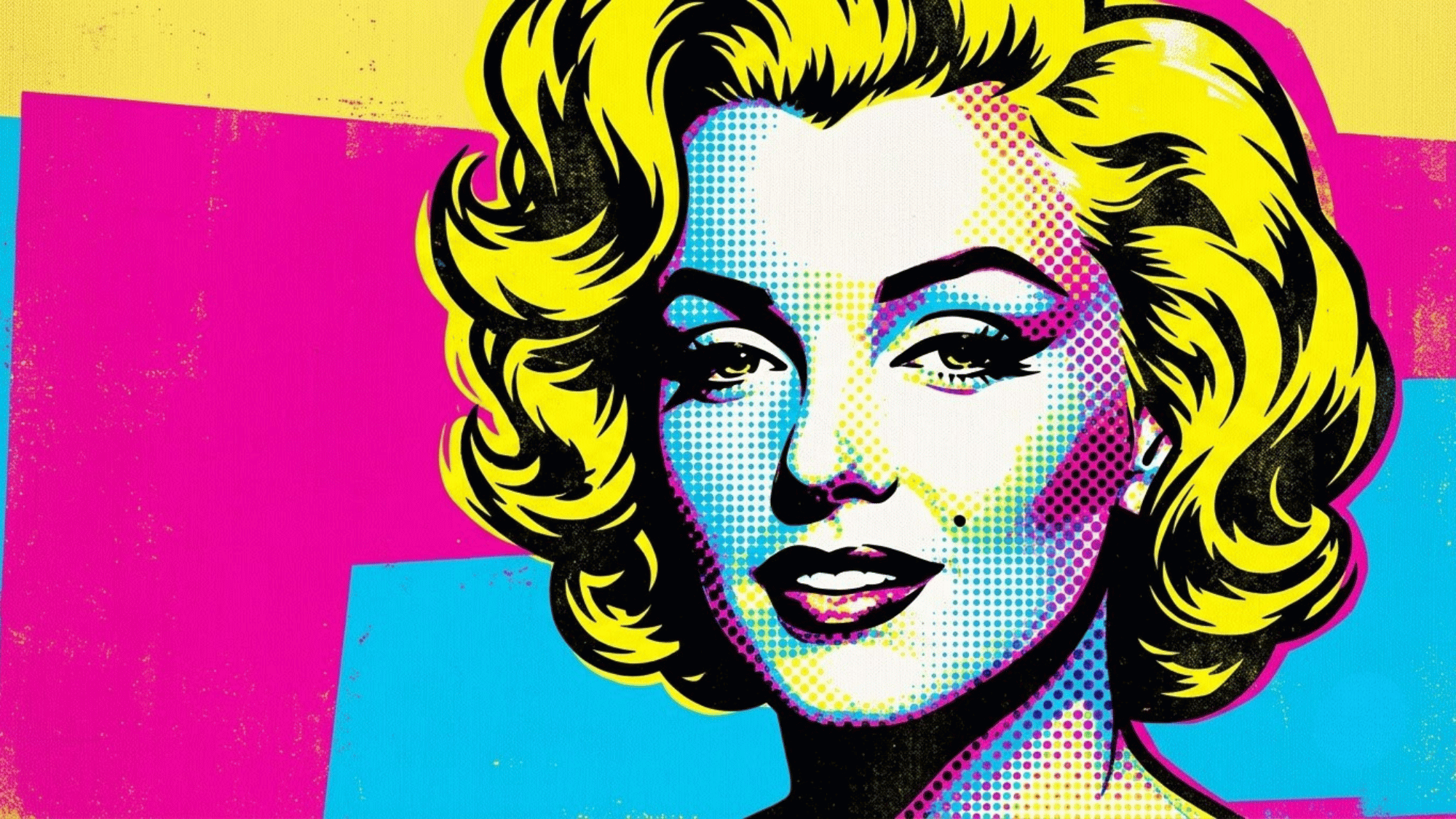
Marilyn Monroe’s face, repeated in clashing colors across a single canvas, says more about fame than one portrait ever could.
Pop artists treated celebrities the way advertisers treated products: repeat an image enough times, and it stops feeling like a person and starts feeling like a symbol.
Warhol’s celebrity prints remain some of the most recognized artworks of the 20th century for exactly that reason.
4. Repetition and Mass Production
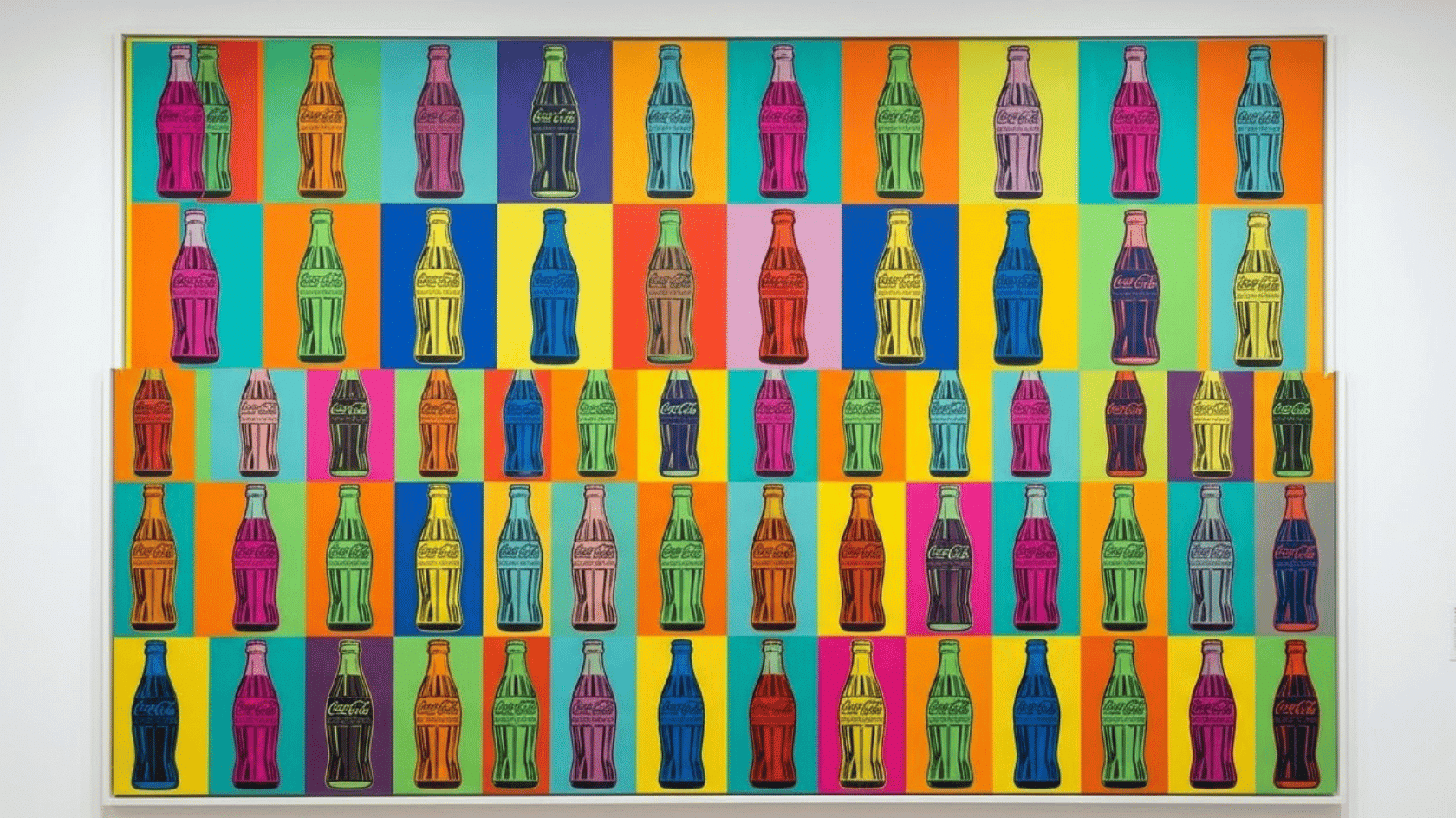
A single image, printed dozens of times in a grid, is one of pop art’s most recognizable tricks. The repeated image creates a pattern that makes one familiar subject feel almost mechanical.
Repetition mimicked the assembly lines and ad campaigns artists saw around them, and it stripped emotion out of the image in a way a single painted portrait never could.
5. Appropriation and Reinvented Imagery
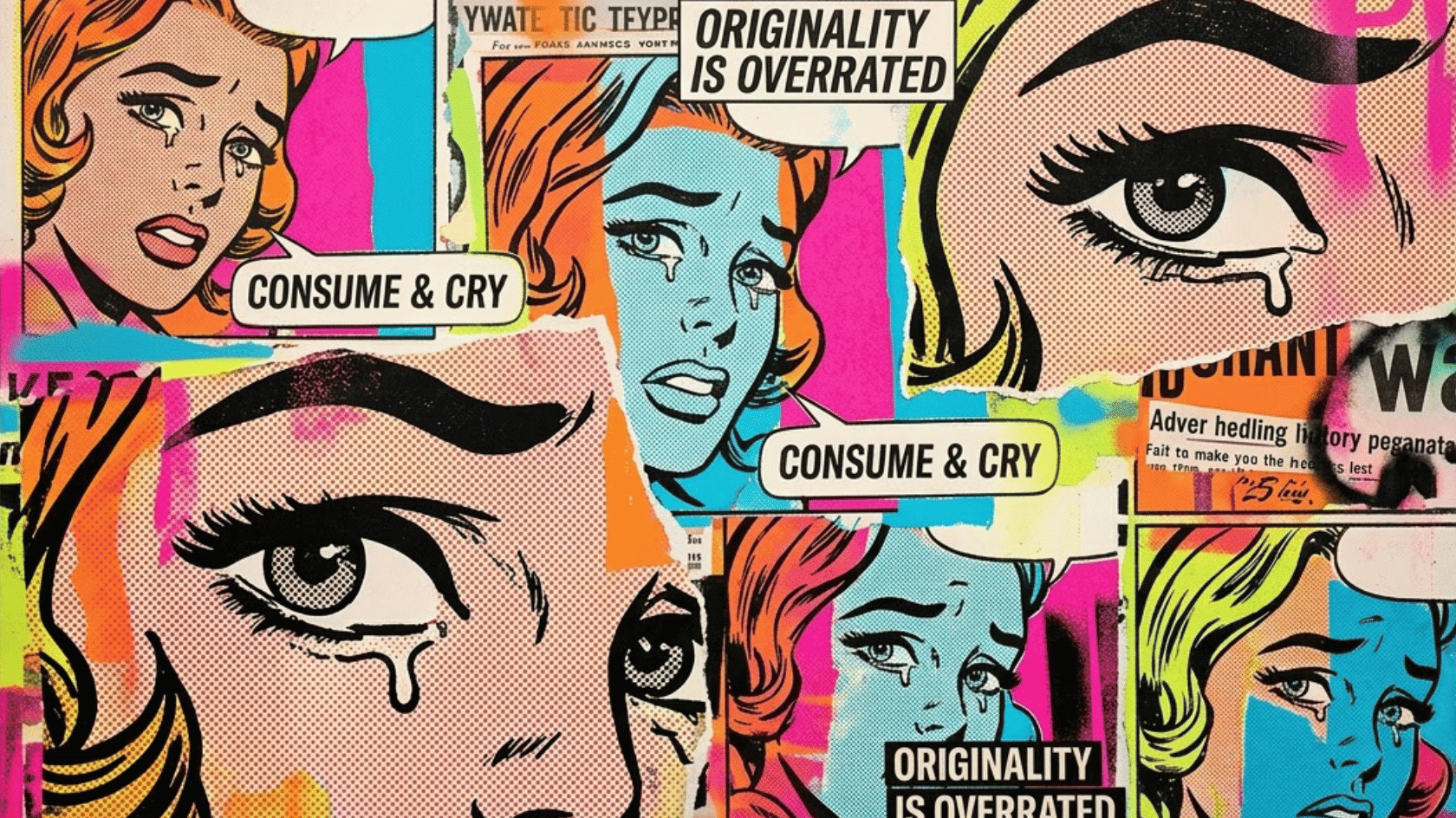
Pop artists rarely built an image from scratch. They re-cut, resized, or recolored something that already existed until it meant something new.
That act of borrowing and recontextualizing is arguably pop art’s biggest lasting influence on artists working today, from street art to digital collage.
Who Are the Most Famous Pop Art Artists?
Several artists helped define pop art by turning popular culture, advertisements, and everyday images into fine art.
Each artist used different techniques to show how media and consumer culture shaped modern life. This roundup of famous pop art artists covers even more names beyond the six below.
| Artist | Country | Known For | Example Artwork |
|---|---|---|---|
| Andy Warhol | United States | Soup can and celebrity prints, screen printing | Campbell’s Soup Cans |
| Roy Lichtenstein | United States | Comic-panel style paintings, Ben-Day dots | Whaam! |
| Richard Hamilton | United Kingdom | Early collage works on consumer life | Just What Is It That Makes Today’s Homes So Different, So Appealing? |
| James Rosenquist | United States | Large-scale advertising imagery | F-111 |
| Eduardo Paolozzi | United Kingdom | Collage and mass-media imagery | I Was a Rich Man’s Plaything |
| Claes Oldenburg | United States | Oversized everyday objects | Soft sculptures of food and household items |
How Did Pop Art Influence Modern Culture?
Pop Art changed how people viewed everyday objects, advertising, celebrities, and mass media by turning popular imagery into widely recognized art, one thread among several traced in this look at modern artists who changed the direction of 20th-century art.
- Advertising and Branding: Bold colors, repeated images, and commercial graphics became common in modern branding.
- Fashion and Clothing: Designers began using bright prints, comic imagery, product logos, and celebrity portraits.
- Music and Album Design: Pop Art influenced colorful album covers, stage visuals, posters, and musician branding.
- Film and Television: Its exaggerated colors and graphic style shaped title sequences, set designs, and visual effects.
- Celebrity Culture: Portraits of famous people blurred the boundary between fine art, fame, and mass entertainment.
- Street Art: Artists adopted familiar symbols and commercial images to create public art with social meaning.
- Digital Media: Memes, filters, social graphics, and online artwork continue to use repetition and bold visual contrast.
- Consumer Awareness: Pop Art encouraged audiences to question shopping habits, mass production, and the influence of advertising.
Wrapping It Up
Pop art changed how people view the connection between fine art, advertising, and everyday culture.
It proved that ordinary images a soup can, a comic panel, a movie star’s face could carry as much weight in a gallery as any traditional painting.
Its influence can still be seen in advertising, street art, and social media designs today. Bold colors, simple shapes, and familiar images continue to reflect pop art’s visual style.
Warhol, Lichtenstein, Hamilton, and the artists who worked alongside them didn’t just start a movement; they changed what people were willing to call art.
Frequently Asked Questions
Is Pop Art Considered Fine Art or Commercial Art?
Pop art sits in both categories. It uses commercial techniques and subjects but is shown and sold as fine art in galleries and museums.
What Materials Did Pop Artists Use?
Pop artists worked with oil paint, acrylic, and screen printing. Screen printing let Warhol repeat images fast and cheaply.
How Much Do Original Pop Art Pieces Sell For?
Prices vary a lot. Warhol prints can sell for a few thousand dollars. His major paintings have sold for over 100 million dollars at auction.