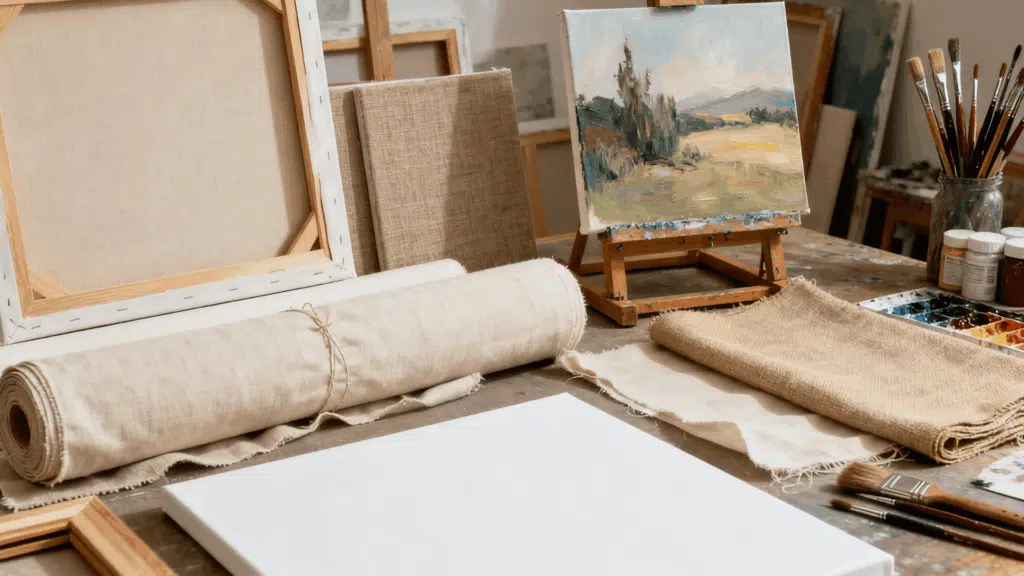
What is canvas material, and why has it stayed popular for so many years? At first glance, canvas looks simple and rough, yet it quietly appears in fashion, art, outdoor gear, and home decor.
Its thick texture and lasting strength give it a timeless appeal that feels both practical and mysterious.
From old sailing ships to modern backpacks, canvas has evolved in surprising ways while keeping the same rugged character people continue to trust today.
What Is Canvas Material?
Canvas material is a strong, heavy-duty fabric made with a plain weave construction. It was first made from hemp and linen many years ago, but today most canvas is made from cotton or cotton blends.
The tight weave gives the fabric excellent strength and durability, which makes it useful for bags, shoes, tents, furniture, and art canvases.
Canvas is popular because it can withstand daily wear while remaining flexible and easy to work with.
What Is Canvas Made Of?
Canvas may seem simple at first, but the materials that go into it play a big role in its texture, strength, and everyday use.
| Canvas Type | Main Material | Texture | Durability | Common Uses |
|---|---|---|---|---|
| Pure Cotton Canvas | 100% Cotton | Soft and natural | High | Bags, painting canvas, clothing |
| Polyester Canvas | Synthetic fibers | Smooth and slightly stiff | Very High | Outdoor furniture, tents, covers |
| Cotton-Poly Blend Canvas | Cotton + Polyester | Balanced texture | High | Shoes, backpacks, upholstery |
| Recycled Canvas | Recycled cotton or polyester | Slightly textured | Moderate to High | Eco-friendly bags and accessories |
How Is Canvas Fabric Made?
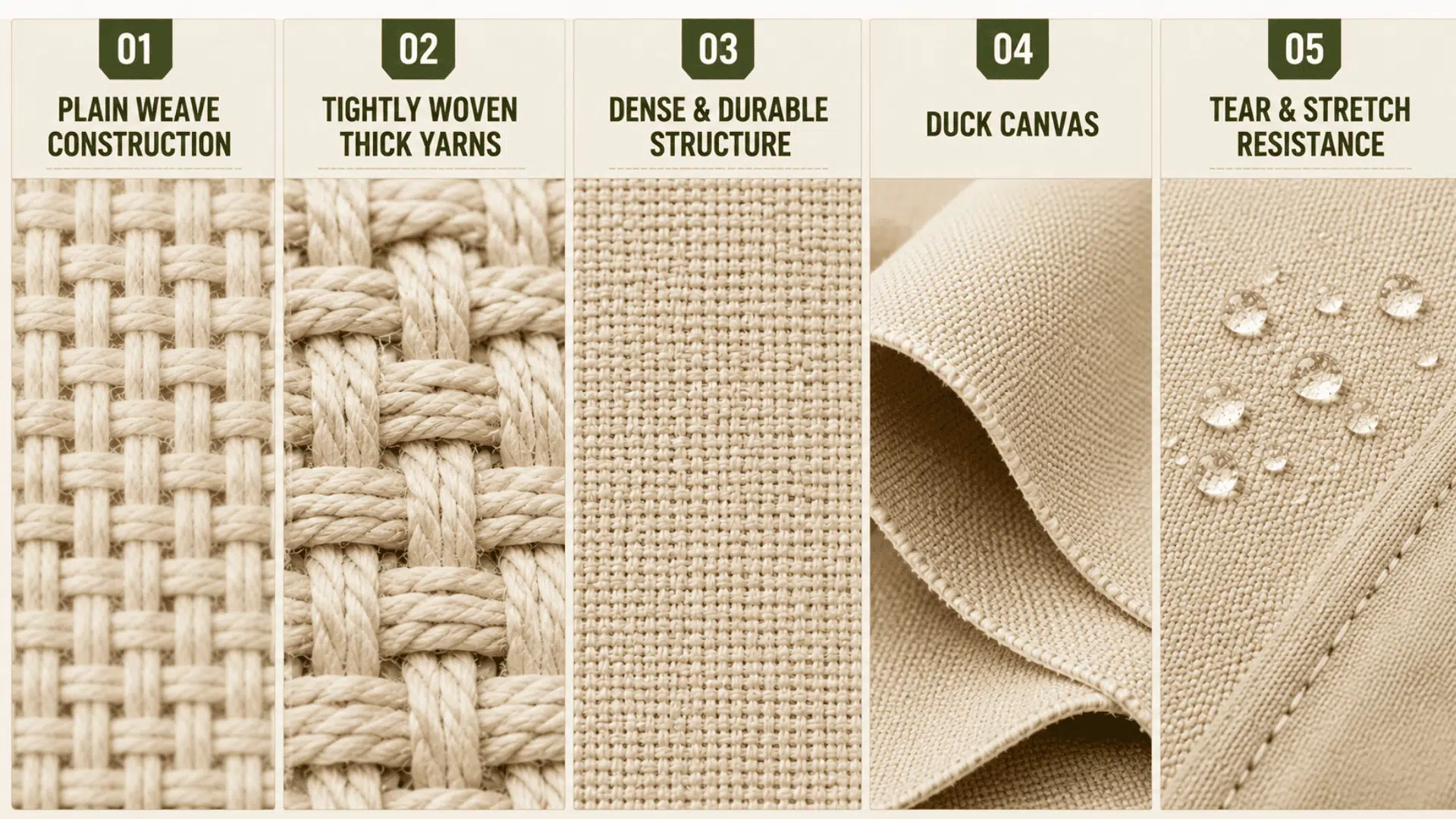
Canvas fabric gets its strength from its weave, not just from the fibers used to make it. Its thick texture and tightly woven material help it handle heavy everyday use.
- Canvas uses a plain weave construction, in which threads cross at even intervals for extra strength.
- Thick yarns are woven tightly together to create a heavy-duty fabric.
- Unlike regular cotton fabric, canvas has a denser and more durable weave.
- Duck canvas is a popular type known for its smooth surface and strong structure.
- The tight weave helps resist tearing, stretching, and rough outdoor conditions.
Types of Canvas Fabric
Canvas comes in many forms, each designed for different needs and environments. Some are soft and breathable, while others are built for strength, weather resistance, or artistic use.
1. Cotton Canvas
Cotton canvas is soft, breathable, and easy to work with. It is widely used for tote bags, shoes, and painting surfaces.
- Weight: Medium to heavy
- Texture: Soft, natural feel
- Durability: Strong everyday use
- Best Uses: Bags, art, clothing
2. Duck Canvas
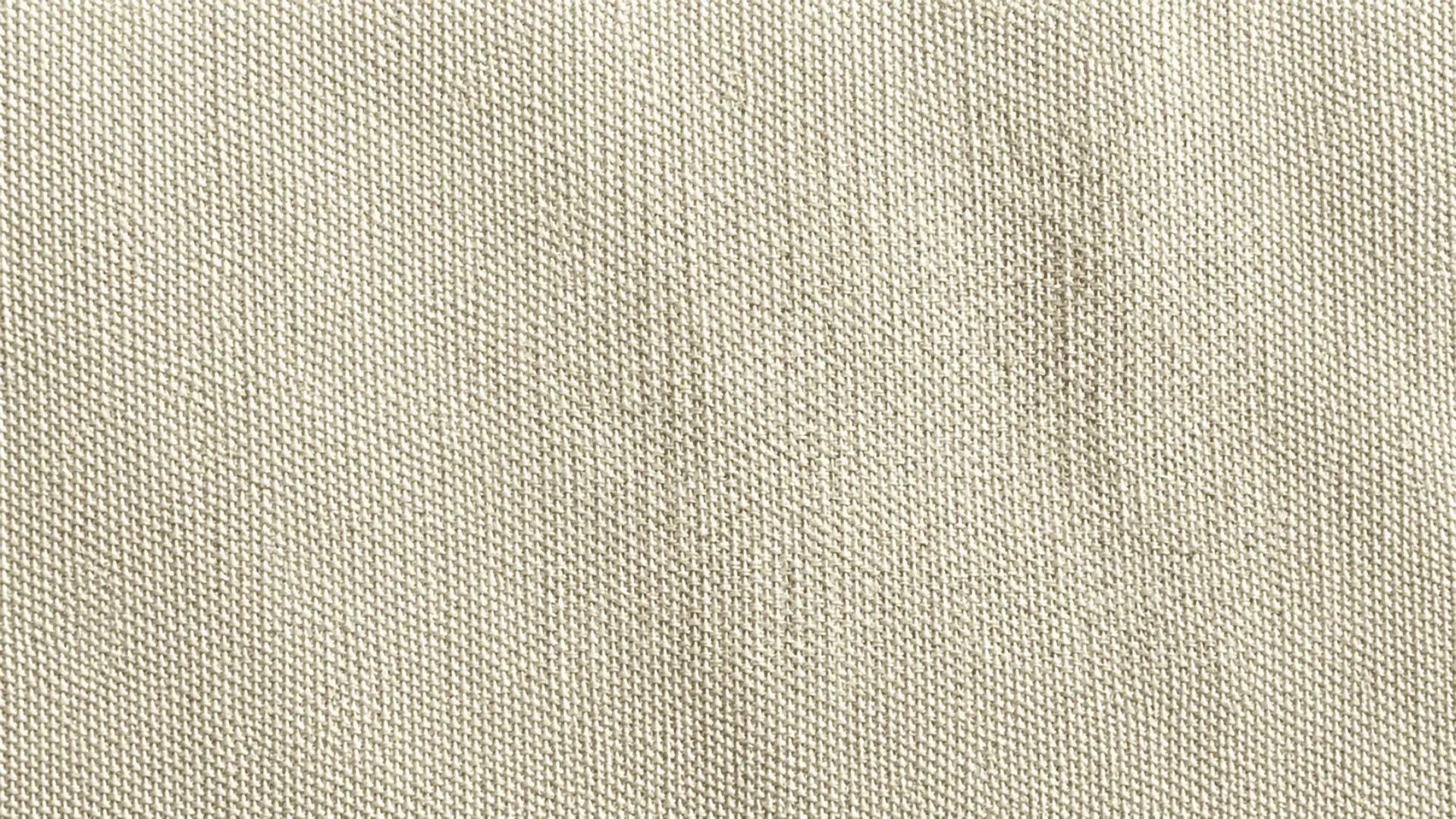
Duck canvas has a tighter weave, making it smoother and stronger than regular canvas. It is often used in industrial and heavy-duty products.
- Weight: Heavy
- Texture: Smooth, dense surface
- Durability: Very high strength
- Best Uses: Tents, workwear, covers
3. Waxed Canvas
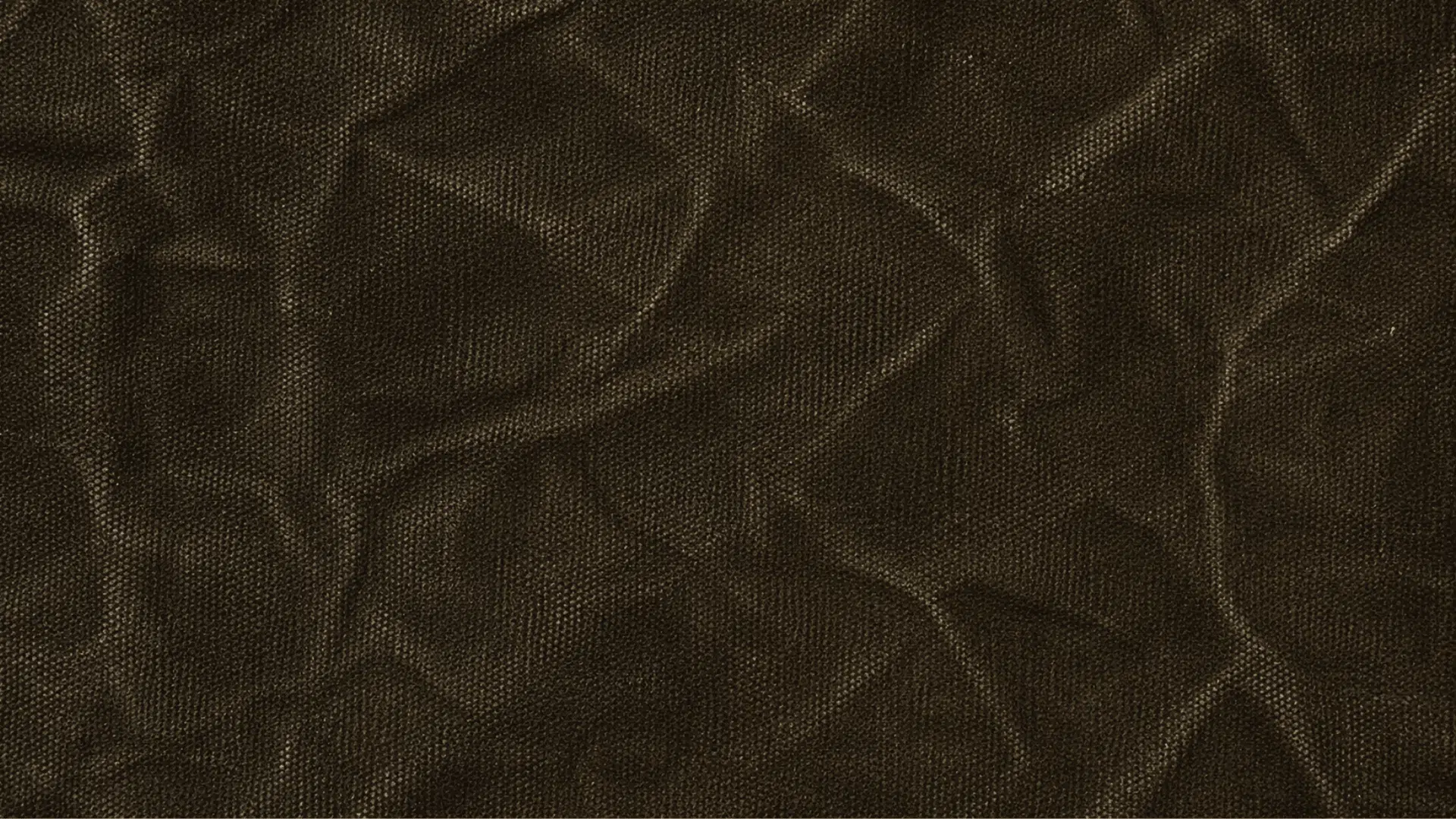
Waxed canvas is coated for extra water resistance and outdoor protection. It is common in rugged backpacks and outdoor gear.
- Weight: Medium to heavy
- Texture: Slightly waxy finish
- Durability: Weather-resistant, long-lasting
- Best Uses: Backpacks, outdoor gear
4. Polyester Canvas
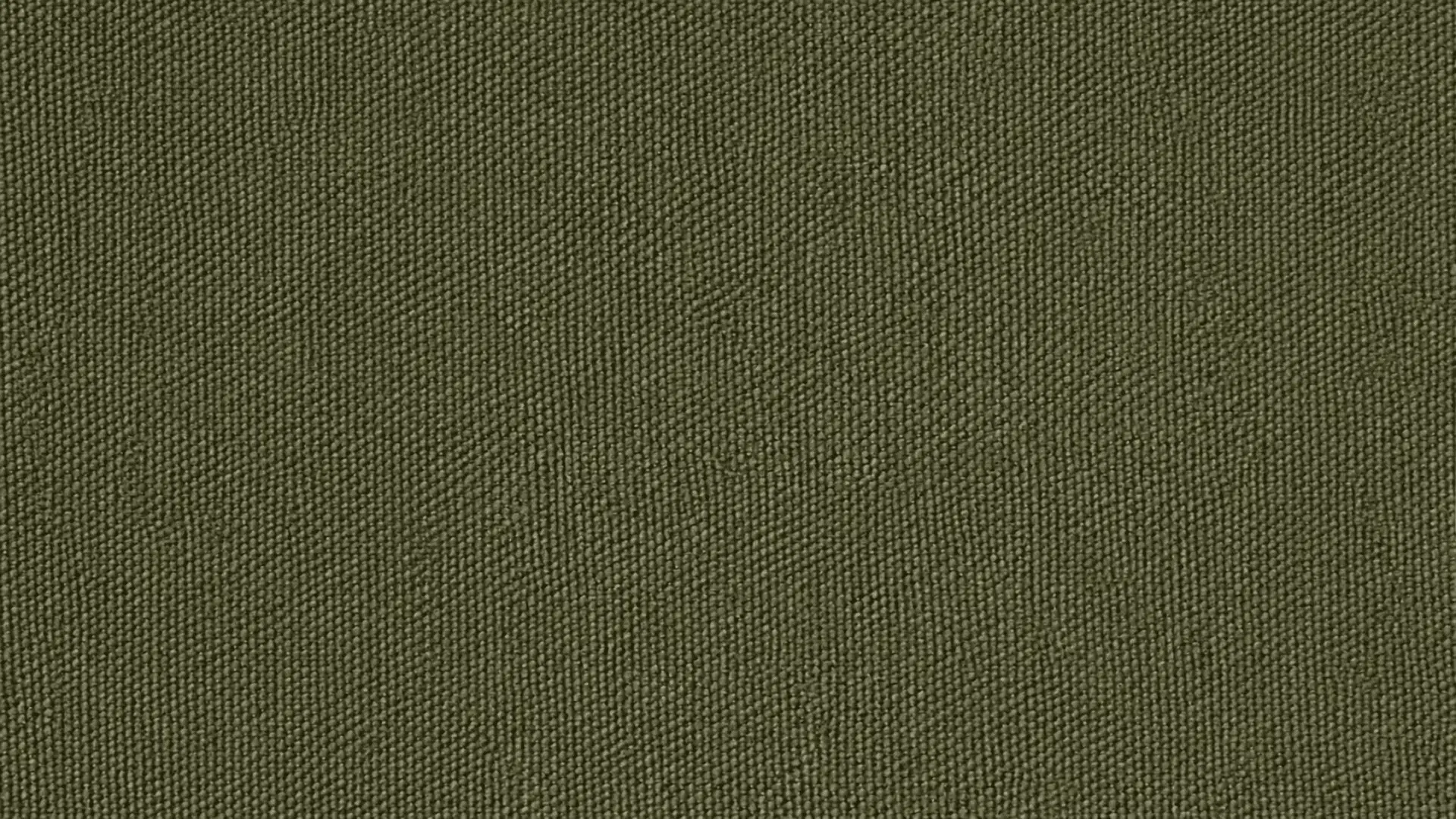
Polyester canvas is lightweight, moisture-resistant, and simple to maintain. It works well for frequently used outdoor products.
- Weight: Lightweight to medium
- Texture: Smooth synthetic feel
- Durability: Fade and moisture resistant
- Best Uses: Furniture, awnings, covers
5. Linen Canvas
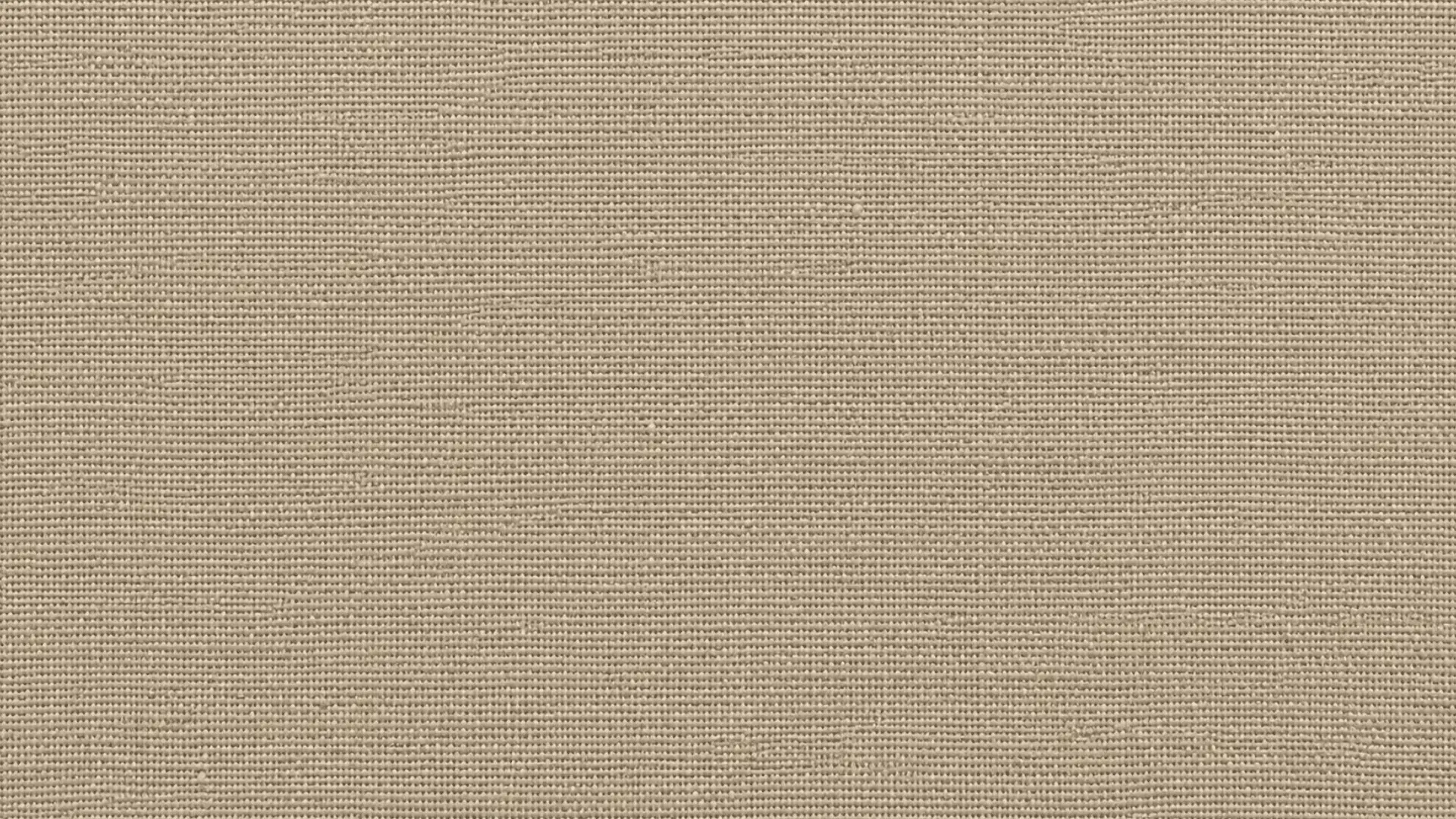
Linen canvas is a premium material known for its fine texture and long lifespan. Artists often choose it for high-end painting projects.
- Weight: Medium
- Texture: Fine-woven surface
- Durability: Premium lasting quality
- Best Uses: Professional art canvas
Common Uses of Canvas Material
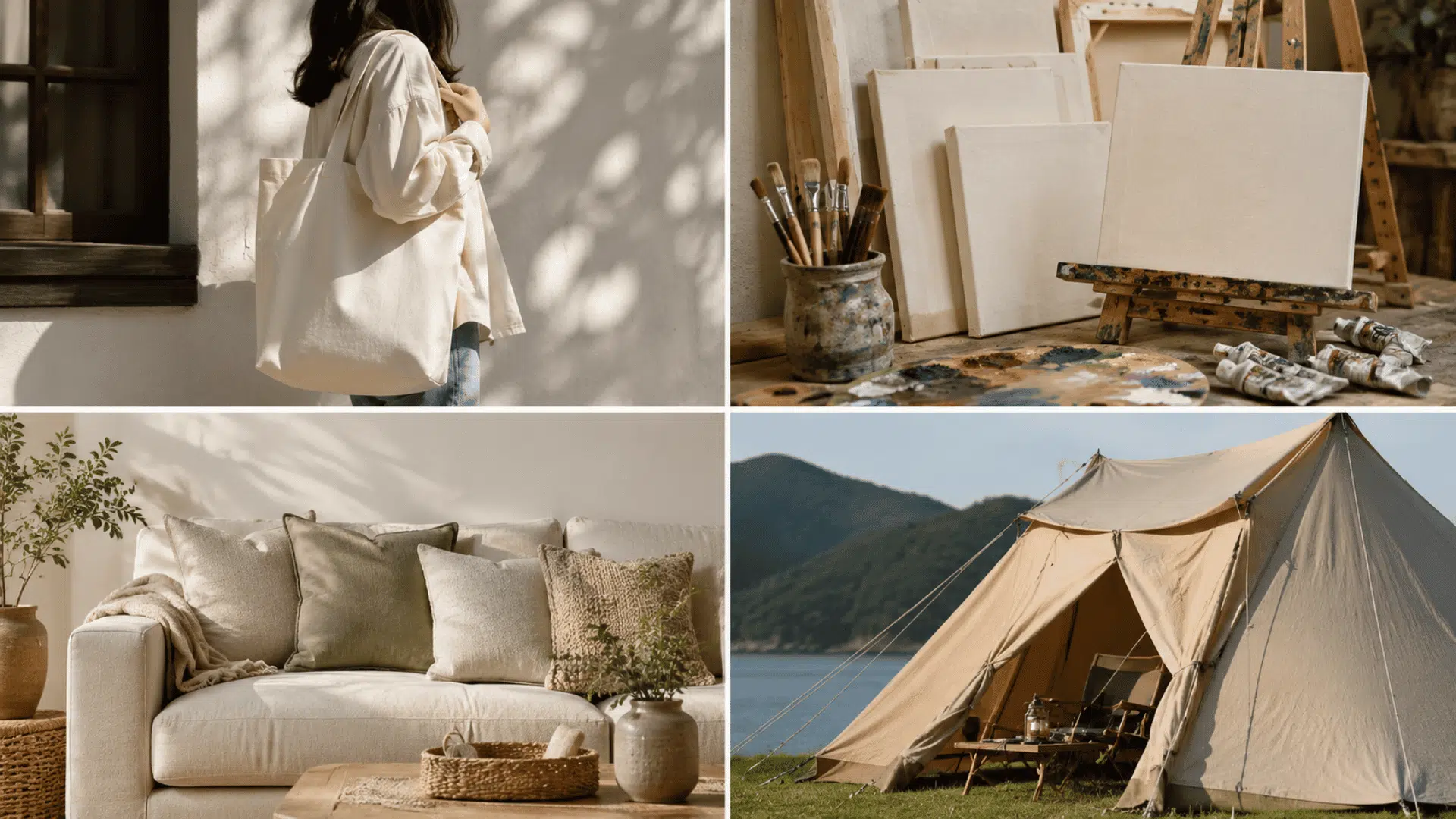
Canvas is valued for its strength, flexibility, and long-lasting performance in daily life. From fashion products to industrial equipment, the use of canvas fabric continues to grow across many industries.
1. Fashion and Accessories
Canvas is widely used in fashion because it is durable yet comfortable for everyday wear. Many tote bags, shoes, jackets, and backpacks are made of canvas for a casual, sturdy look.
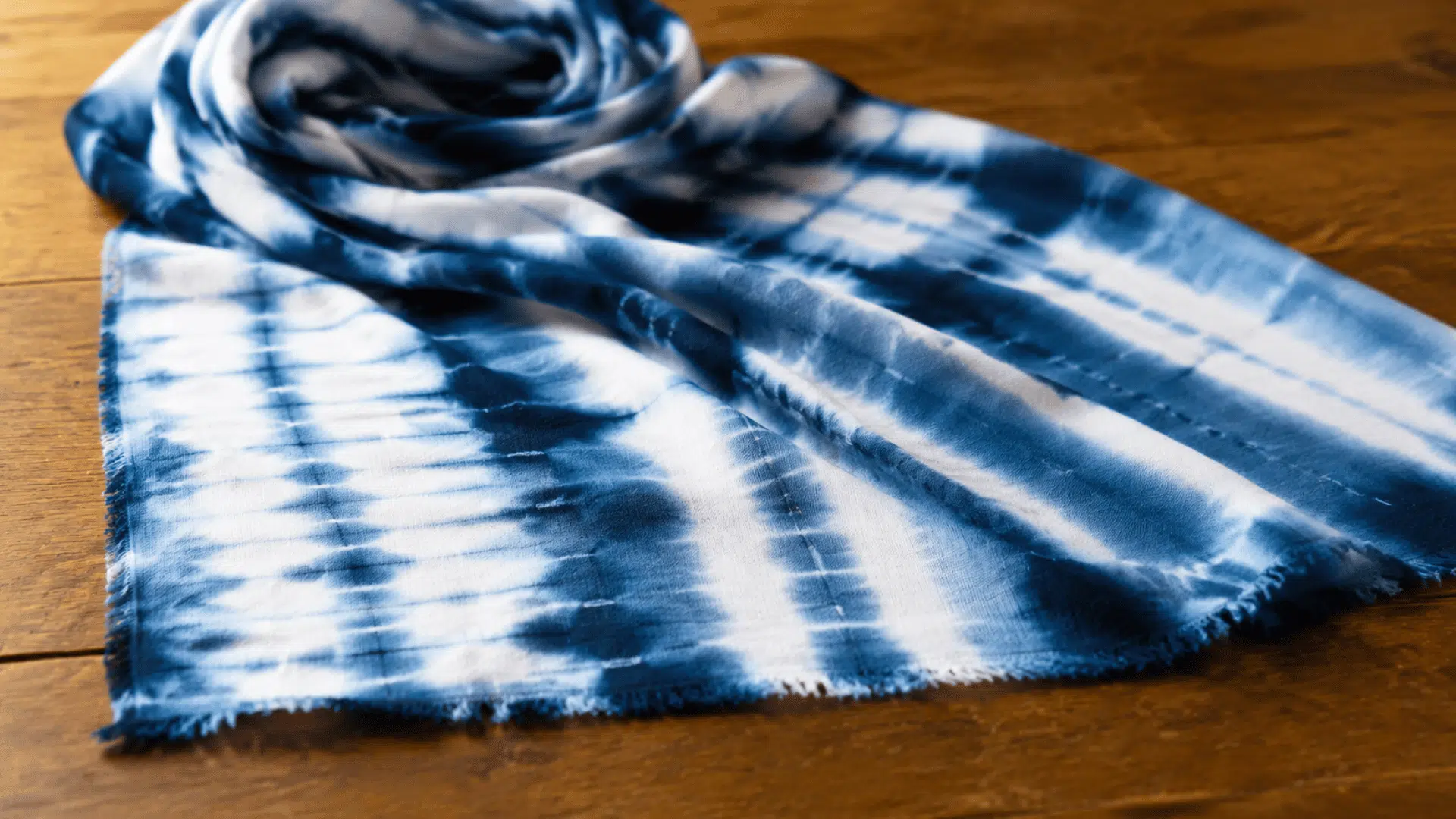
The fabric is also easy to dye and print on, which is why techniques like block printing on canvas bags and fabric have become so popular for both DIY projects and artistic expression. Its lightweight feel and durability make it ideal for daily use.
2. Art and Painting
Artist canvases are among the most recognized uses of canvas. The fabric works well for acrylic and oil painting because of its strong surface and ability to hold paint evenly.
If you are new to painting, knowing whether to start with acrylics or oils can help you choose the right canvas weight and texture for your medium.
3. Home Decor
Canvas adds texture and durability to home decor products without feeling too heavy. It is commonly used for upholstery, cushion covers, and curtains in modern and rustic interiors.
Its thick weave helps furniture and decor items handle regular use while keeping a clean appearance. Canvas also blends well with natural and minimalist home styles.
4. Outdoor and Industrial Uses
Heavy-duty canvas is trusted for outdoor and industrial products that face rough conditions. Common examples include tents, tarps, and boat sails because the material resists wear and tearing.
Some canvas fabrics are treated for water resistance, making them useful in outdoor environments. Their strength and tightly woven structure help them perform well in demanding conditions.
Canvas vs Cotton: What’s the Difference?
Canvas and regular cotton may look similar at first, but they are made for very different purposes. The way each fabric is woven changes its strength, texture, and everyday use.
| Feature | Canvas | Regular Cotton |
|---|---|---|
| Thickness | Thick | Thin |
| Durability | High | Medium |
| Weave | Tight plain weave | Various |
| Common Uses | Bags, tents | Clothing, bedding |
Is Canvas Waterproof?
Standard canvas is not fully waterproof, but it is naturally water-resistant due to its thick, tightly woven fabric.
This means it can handle light moisture for a short time without soaking through quickly. Waxed and coated canvas materials offer better protection against rain and outdoor conditions.
Water-resistant canvas slows water absorption, while waterproof canvas blocks water completely. That is why treated canvas is often used for tents, backpacks, and outdoor covers.’
Advantages and Disadvantages of Canvas Fabric
Canvas remains popular today because of its strength, durability, and wide range of uses. At the same time, some types of canvas can feel heavy or require extra care depending on the material.
| Advantages | Disadvantages |
|---|---|
| Durable and long-lasting | Can feel stiff initially |
| Breathable and comfortable | Heavier than regular fabrics |
| Eco-friendly natural options | Pure cotton may shrink |
| Easy to dye and print | An untreated canvas absorbs water |
| Versatile for many uses | Requires maintenance outdoors |
How to Care for Canvas Fabric
Canvas fabric lasts longer when cleaned and stored the right way. Simple care habits can help maintain its texture, strength, and shape over time.
- Wash cotton canvas with cold water and mild detergent.
- Air drying is better for reducing shrinkage and fabric damage.
- Spot cleaning works best for small stains and waxed canvas.
- Avoid strong bleach or harsh chemicals on natural canvas.
- Store canvas items in a dry place to prevent moisture buildup.
How to Identify High-Quality Canvas Material
Good canvas material feels strong, balanced, and well-made even before it is used. Checking a few key details can help buyers choose a canvas that lasts longer and performs better.
- Check fabric weight in GSM or ounces for strength.
- Look for a tight and even weave structure.
- Feel the texture for thickness and durability.
- Review the material composition, like cotton or blended canvas.
- Inspect stitching and tear resistance before buying.
Once you know your canvas quality, experimenting with different acrylic painting techniques can help you get the most out of whatever surface you choose.
Wrapping It Up
What is canvas material, and why has it stayed popular for so many years? At first glance, canvas looks simple and rough, yet it quietly appears in fashion, art, outdoor gear, and home decor.
Its thick texture and lasting strength give it a timeless appeal that feels both practical and mysterious.
From old sailing ships to modern backpacks, canvas has evolved in surprising ways while keeping the same rugged character people continue to trust today.