Most people have seen Renaissance paintings in textbooks or museums and thought, “How did someone make this?” The detail, the depth, the raw human emotion, it stops you in your tracks.
But beyond the beauty, there’s a real story behind every brushstroke. Renaissance artwork didn’t just change art; it changed the world. It changed how humans saw themselves.
The most famous Renaissance artists in history, who they were, what drove them, and the masterpieces that made them legends. Get ready to see their work in a whole new light.
All About the Renaissance Period
The Renaissance began in Italy during the 14th century and later spread across Europe. It was a time of great change in art, science, and culture.
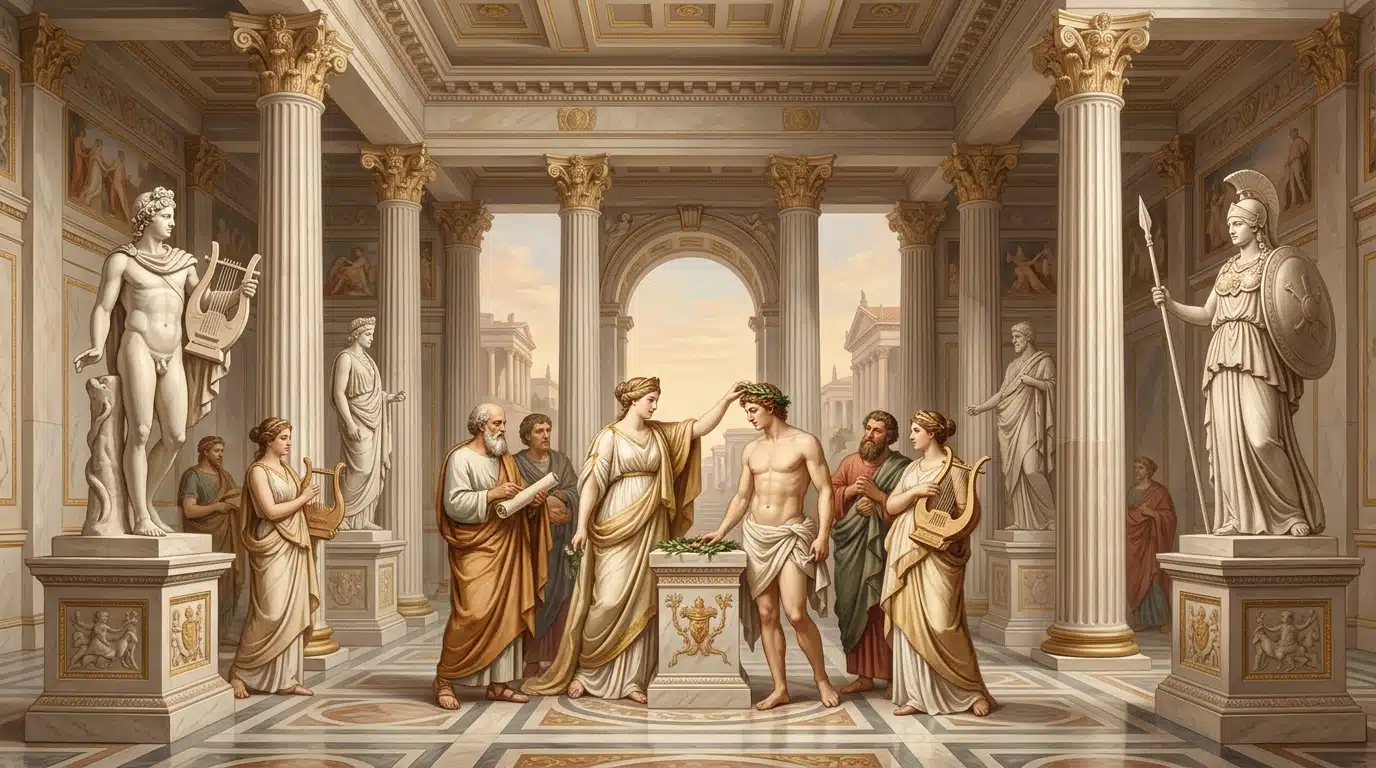
Florence became the heart of the Renaissance because it was rich, powerful, and full of creative ideas. Artists, writers, and thinkers gathered there to study ancient Greek and Roman works.
Wealthy families like the Medici family supported painters, sculptors, and architects by paying for their work. Their support helped artists create famous masterpieces and develop new techniques.
During this period, art became more realistic and focused on human emotions, nature, and beauty. The Renaissance changed the way people viewed art and inspired future generations around the world.
Characteristics of Renaissance Art
Renaissance art introduced new styles and ideas that made paintings and sculptures look more realistic and expressive.
Here are some of the main characteristics that defined Renaissance art and made it different from earlier artistic styles.
- Realism: Renaissance artists painted people, objects, and nature in a more naturalistic, lifelike manner.
- Perspective: Artists used perspective to create depth and make paintings look more three-dimensional.
- Human Anatomy: Painters and sculptors studied the human body to show accurate muscles, movement, and expressions.
- Classical Influence: Renaissance art was inspired by ancient Greek and Roman ideas, architecture, and stories.
- Light and Shadow: Artists used light and shadow techniques to add detail, emotion, and realism to their artwork.
The Most Famous Renaissance Artists
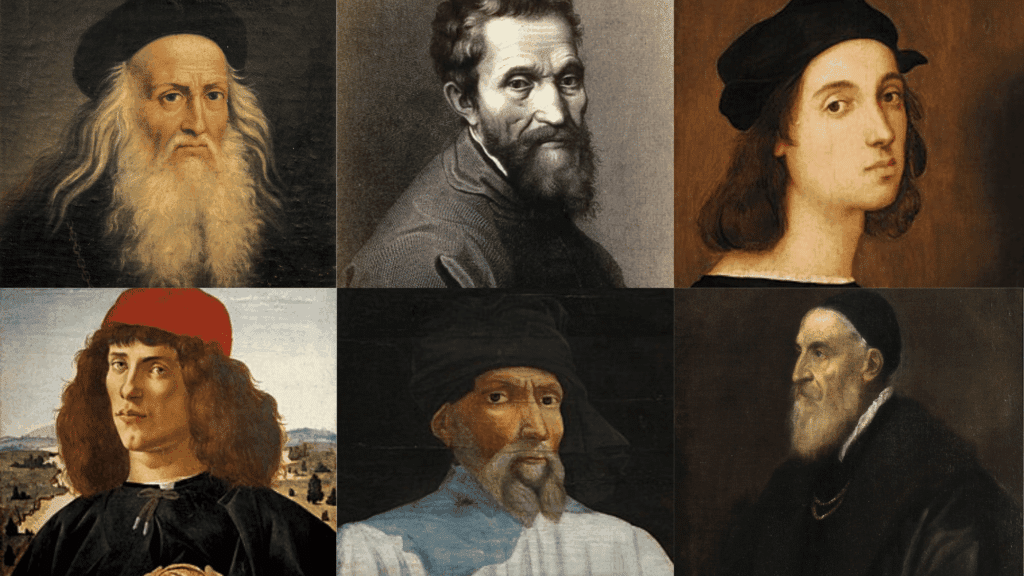
The Renaissance gave the world many legendary artists known for their creativity and classic masterpieces.Here are some of the most famous artists and their iconic works.
1. Leonardo da Vinci
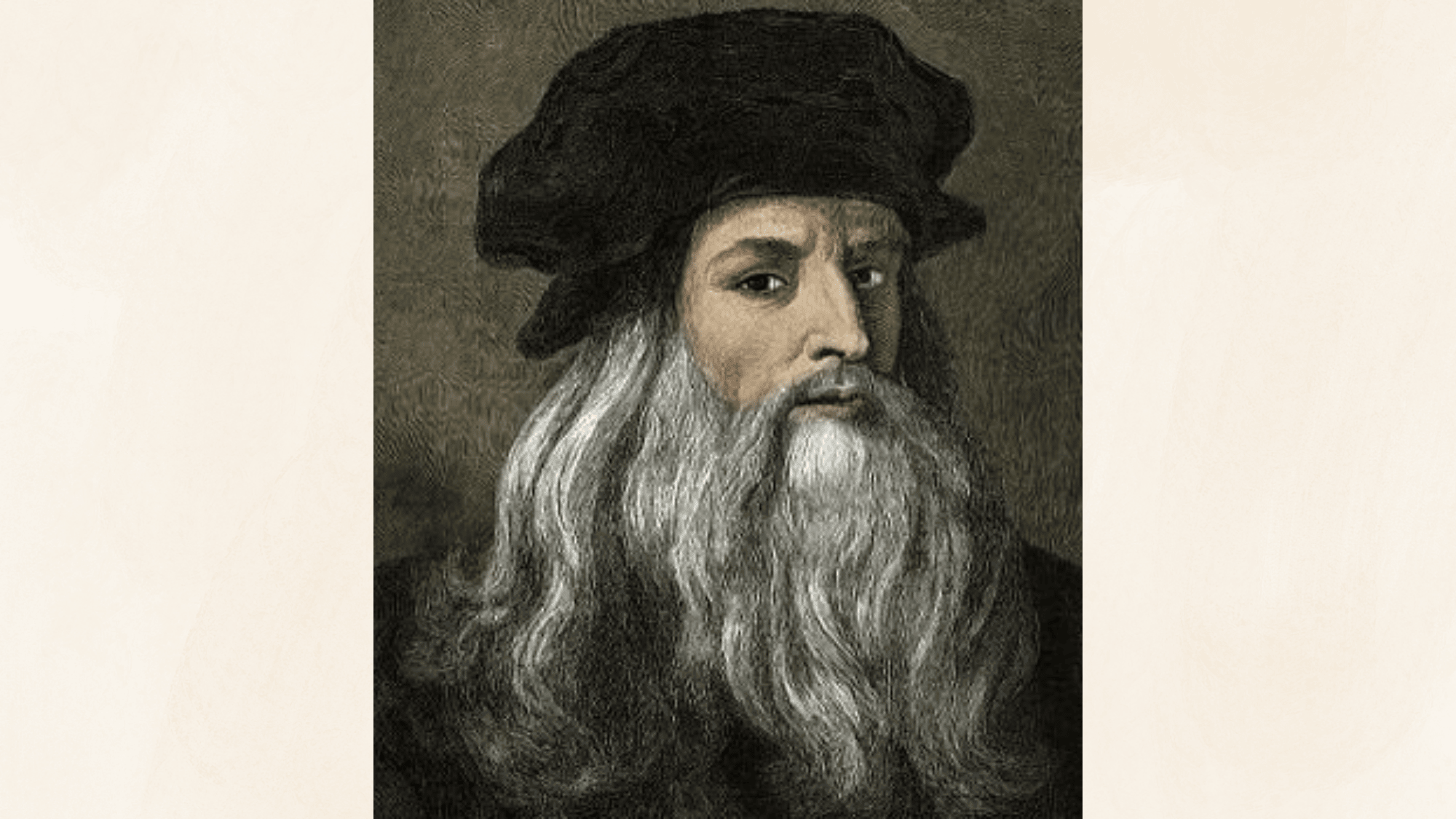
Leonardo da Vinci was one of the greatest Renaissance artists and a brilliant thinker of his time. He became famous for his realistic painting style, creative ideas, and detailed sketches.
It includes the Mona Lisa, The Last Supper, and the Vitruvian Man, which are still admired around the world today.
Leonardo also studied science, anatomy, engineering, and nature, which helped him create lifelike artwork with deep emotion and fine detail.
His talent and discoveries continue to inspire artists, scientists, and historians even today.
2. Michelangelo Buonarroti
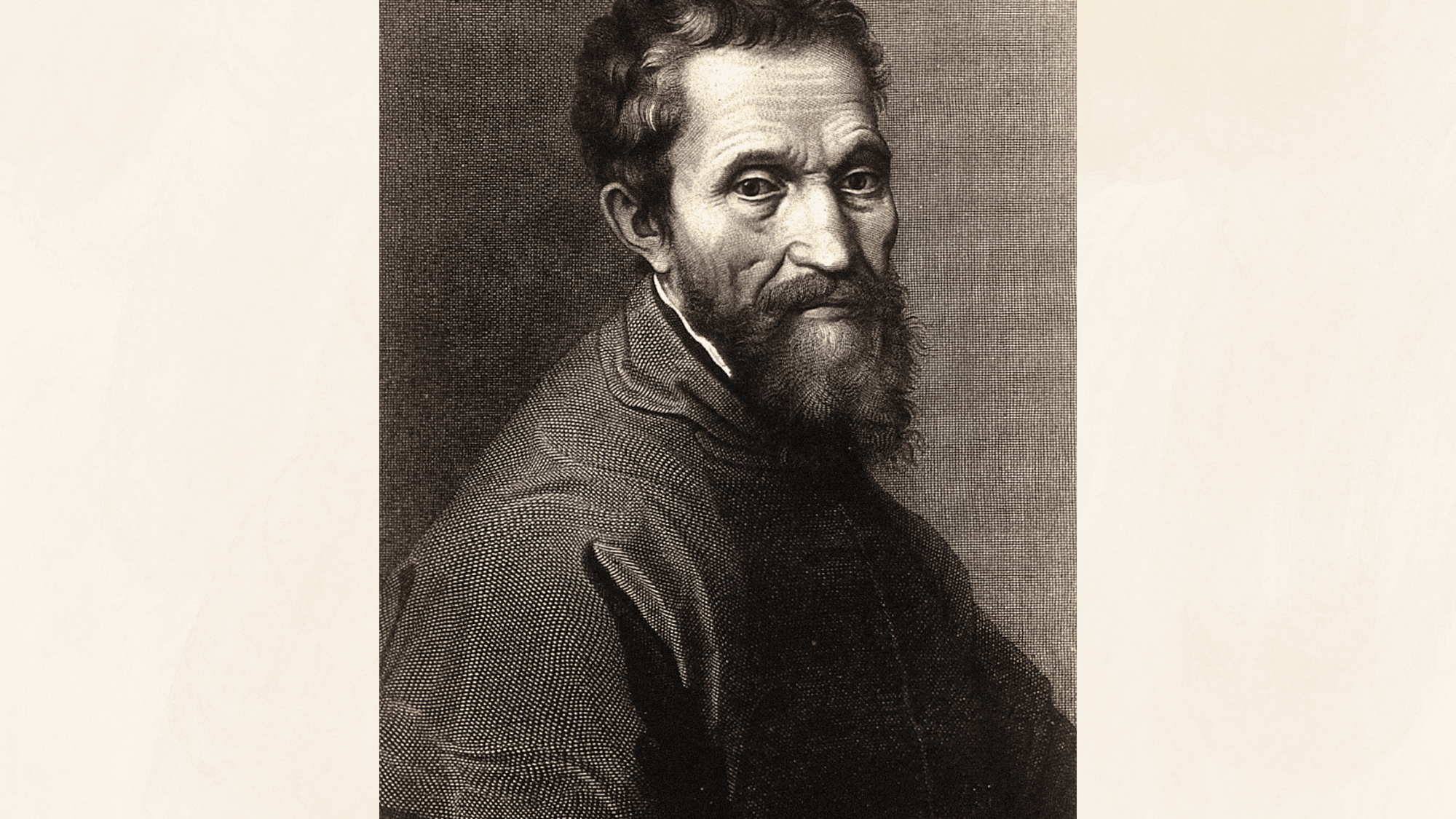
Michelangelo was one of the most talented Renaissance artists, famous for both sculpture and painting. It included the Sistine Chapel ceiling, David, and Pietà, which showed incredible detail, strength, and emotion.
He had a deep understanding of the human body, which made his artwork look realistic and powerful.
Michelangelo’s creative style and artistic skill helped shape Renaissance art and inspired many future artists around the world.
3. Raphael
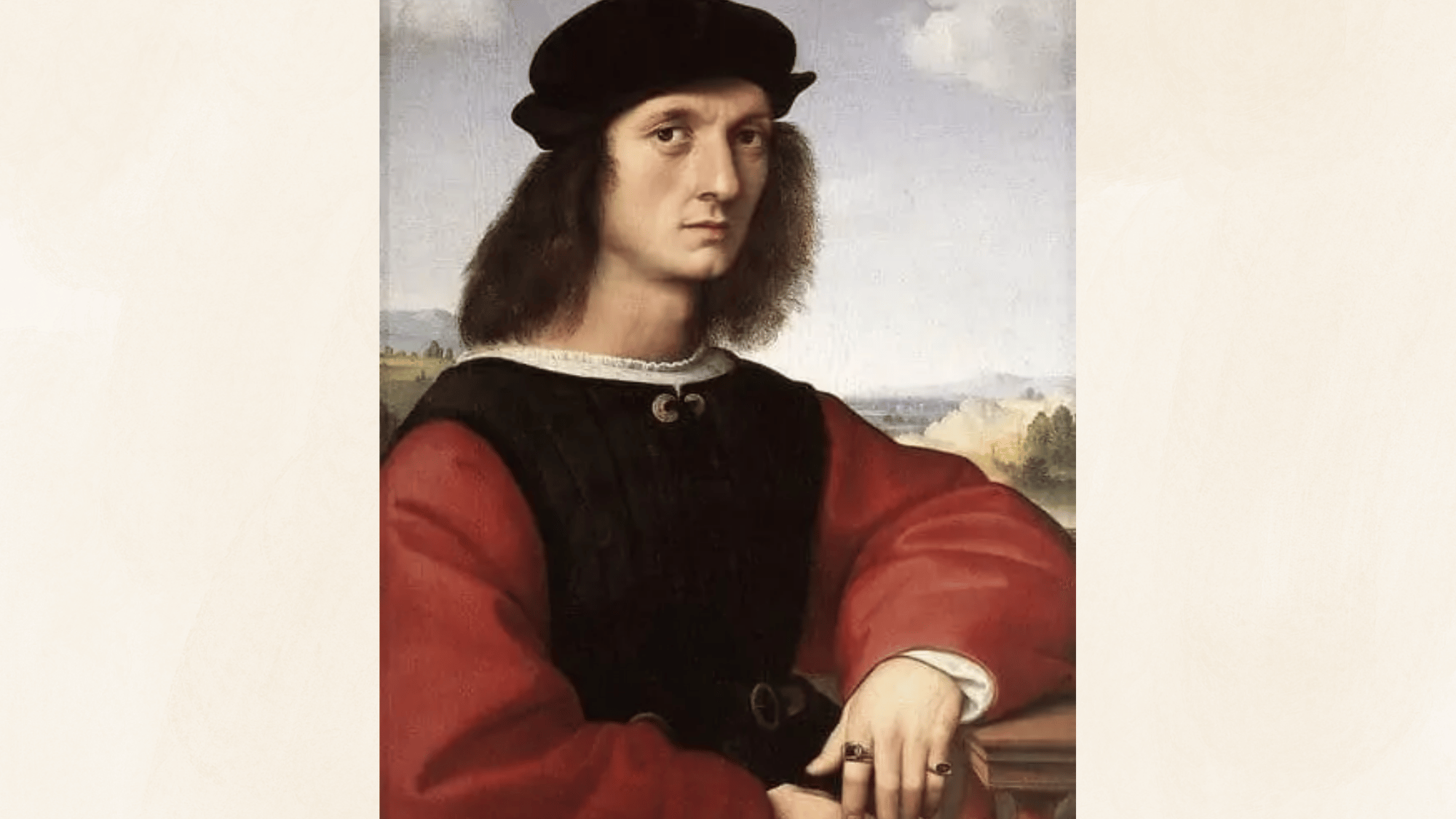
Raphael was one of the most admired Renaissance artists, known for his balanced compositions and graceful painting style.
It includes The School of Athens and the Sistine Madonna, which show harmony, beauty, and realistic human expressions.
He became famous for his stunning frescoes in the Vatican, which combined style with detailed artistic design.
His creative vision and calm painting style made him one of the leading artists of the Renaissance period.
4. Sandro Botticelli
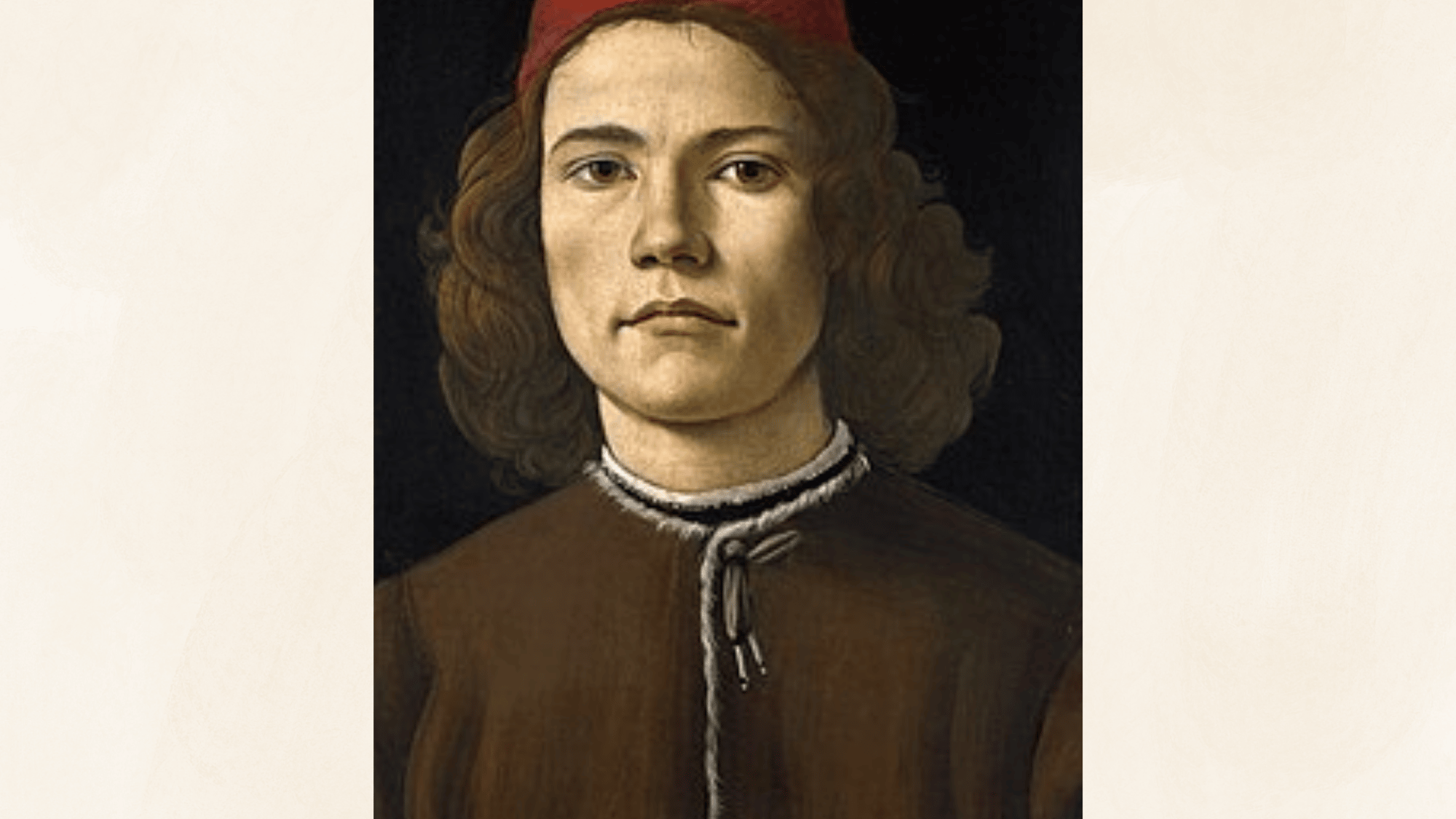
Sandro Botticelli was a famous Renaissance painter known for his mythological themes and artistic style.
His paintings often focused on beauty, love, and stories from ancient Greek and Roman culture. The Birth of Venus and Primavera became among the most celebrated artworks of the Renaissance.
Botticelli used soft lines, graceful figures, and detailed expressions, which made his paintings unique and admired by art lovers around the world.
5. Donatello
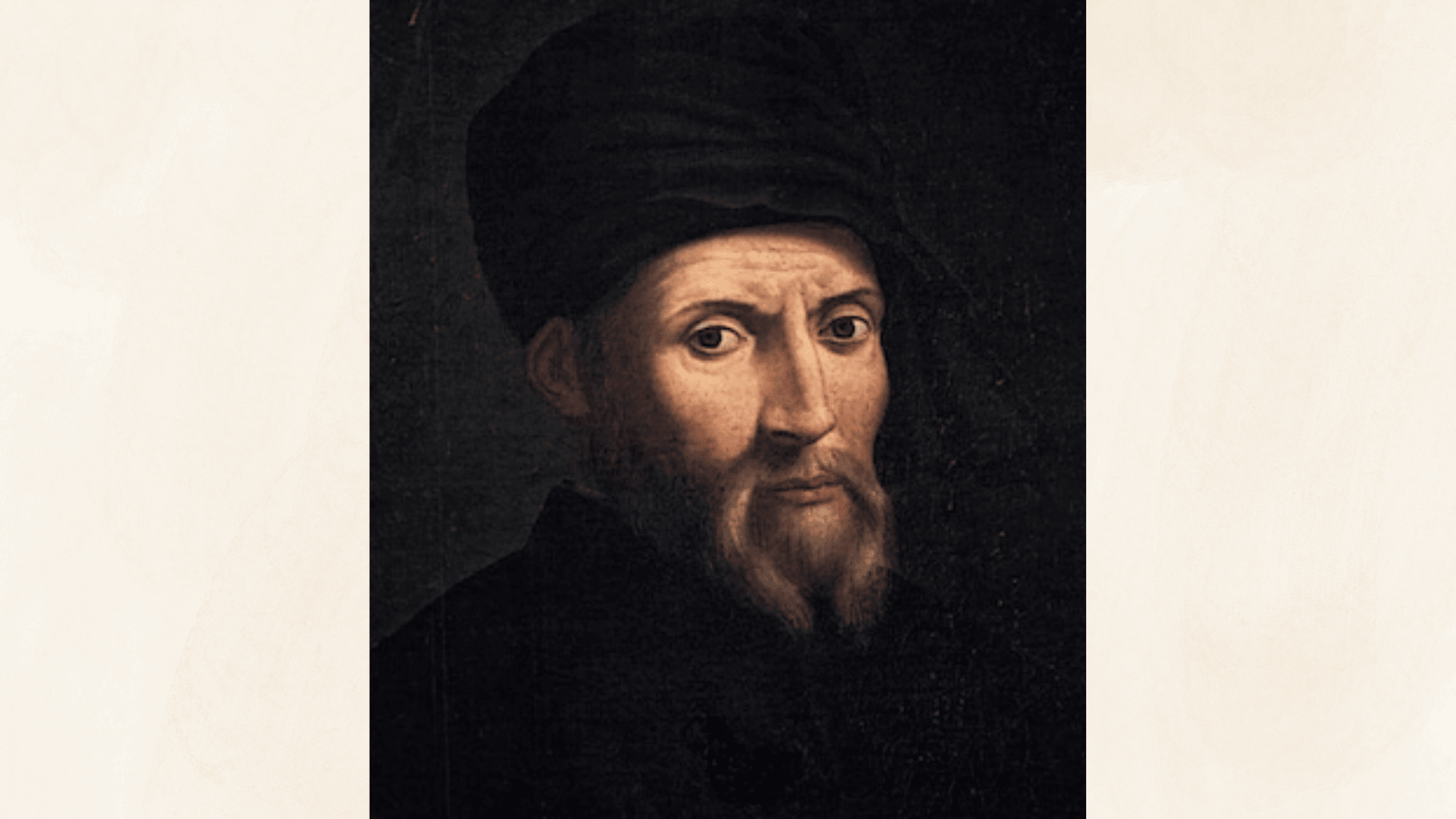
Donatello was a leading Renaissance sculptor who transformed the style of European sculpture with his realistic, detailed creations.
He became famous for works such as David, Saint Mark, and Gattamelata, which demonstrated natural posture, emotion, and fine craftsmanship.
Donatello was especially skilled in bronze sculpture techniques, making his statues look lifelike and expressive.
His creative ideas and artistic style inspired many later Renaissance artists and helped shape the future of sculpture.
6. Titian
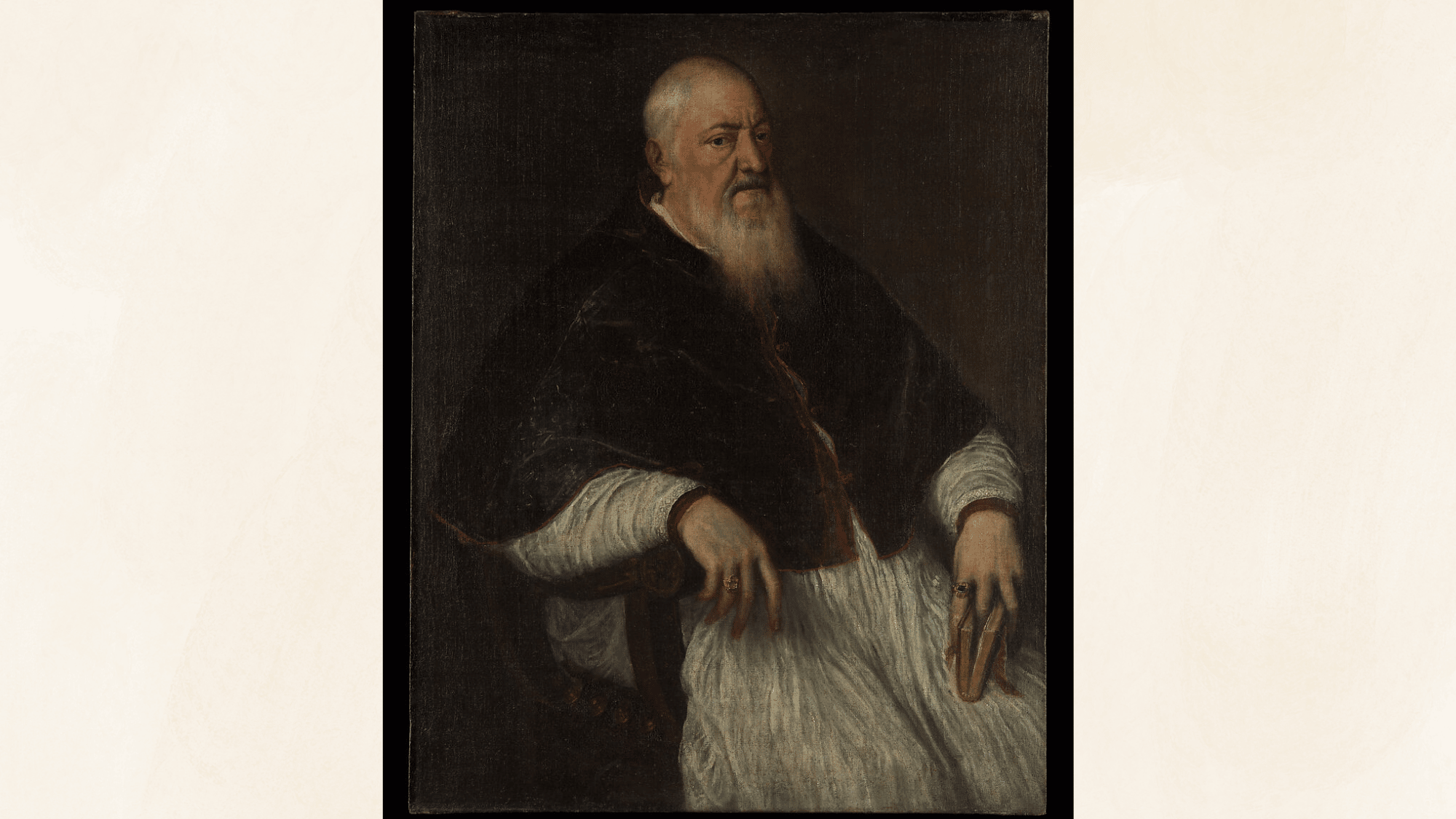
Titian was one of the greatest artists of the Venetian Renaissance and was famous for his rich use of color and realistic painting style.
His works, including Venus of Urbino, Assumption of the Virgin, and Bacchus and Ariadne, showed deep emotion, soft lighting, and fine detail.
Titian created many portraits and religious paintings that became popular across Europe. His mastery of color and artistic techniques greatly influenced future generations of painters.
Renaissance Art Techniques That Changed History
Artists developed new techniques that made art more realistic and lifelike. Below are some important techniques that changed the history of art.
- Linear Perspective: Artists used linear perspective to create depth and make scenes look more realistic and three-dimensional.
- Chiaroscuro: This technique uses light and shadow to add depth, detail, and emotion to paintings.
- Sfumato: Leonardo da Vinci used sfumato to blend colors and edges softly without sharp lines.
- Fresco Painting: Fresco painting was done on wet plaster walls and was commonly used in churches and chapels.
- Realistic Details: Renaissance artists focused on realistic faces, clothing, nature, and human expressions in their artwork.
The Role of Religion in Renaissance Art
Religion played a major role in Renaissance art, as the Catholic Church funded many famous artworks and buildings. Artists created paintings and sculptures based on Biblical stories, saints, and religious events.
The Vatican became an important center of Renaissance art and supported talented artists such as Michelangelo and Leonardo da Vinci.
Famous works such as the Sistine Chapel ceiling and The Last Supper featured strong religious themes and became masterpieces of the Renaissance.
Interesting Facts About Renaissance Artists
These artists had unique talents, habits, and life stories that still amaze people today. Here are some interesting facts about these legendary artists and their creative lives.
- Leonardo often wrote his notes backward using mirror writing, making them difficult to read.
- Michelangelo considered himself a sculptor first, even though he painted the famous Sistine Chapel ceiling.
- Raphael died at the young age of 37 but became one of the greatest painters of his time.
- Botticelli’s paintings were forgotten for centuries before becoming popular again in modern times.
- Many artists studied science, math, and anatomy to create more realistic and detailed artwork.
Final Thoughts
Renaissance artists didn’t just paint pretty pictures. They changed how the world sees beauty, humanity, and creativity, and that impact hasn’t faded one bit.
From the technical brilliance of Renaissance paintings to the sheer ambition of every Renaissance work, these masters set a standard that still holds up today.
And the silver lining? Their stories are just as compelling as the work itself.
So next time you look at a Renaissance painting, you’re not just seeing art. You’re seeing centuries of passion, conflict, and vision staring right back at you.