
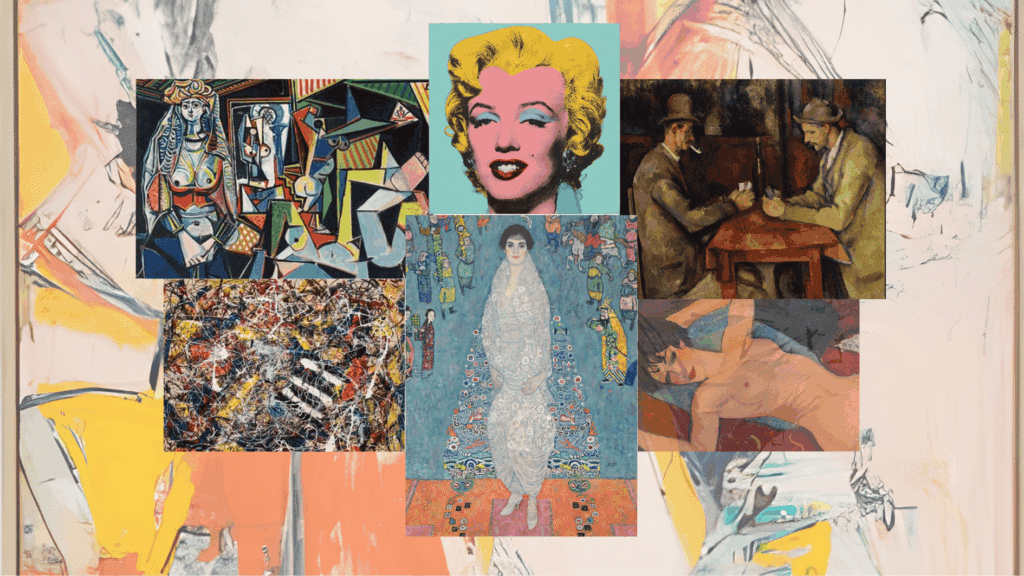
The most expensive painting in the world is more than just a work of art hanging on a wall; it tells a story, carries deep meaning, and often becomes a symbol of status and history.
Some paintings have sold for prices so high that they leave people shocked and curious at the same time. But what makes a canvas worth millions or even hundreds of millions of dollars?
That’s what makes the world of the
Disclaimer: Some artworks featured in this blog include mature themes and nude imagery for historical and educational purposes.
What Makes Certain Paintings So Valuable?
Some paintings become extremely valuable because they combine rarity, historical significance, and artistic influence in a single work.
Original works by artists increase their demand among collectors and museums worldwide.
The story behind a painting also plays a major role in its value, as artworks associated with important historical periods, famous owners, or major exhibitions often fetch higher prices at auction.
In addition, condition, authenticity, and public interest can greatly affect market value. For many buyers, these paintings are more than artworks.
They represent culture, legacy, and long-term investment, making them among the most sought-after pieces in the art world.
The Most Expensive Paintings From Globe
Some paintings have sold for hundreds of millions because of their rarity, history, and cultural value. From Leonardo da Vinci to Pablo Picasso, these artworks continue to shape the global art market and attract collectors worldwide.
Here are the most expensive paintings ever sold, along with their prices, artists, and the stories behind their record-breaking sales.
1. Salvator Mundi – Leonardo da Vinci ($450.3 Million)
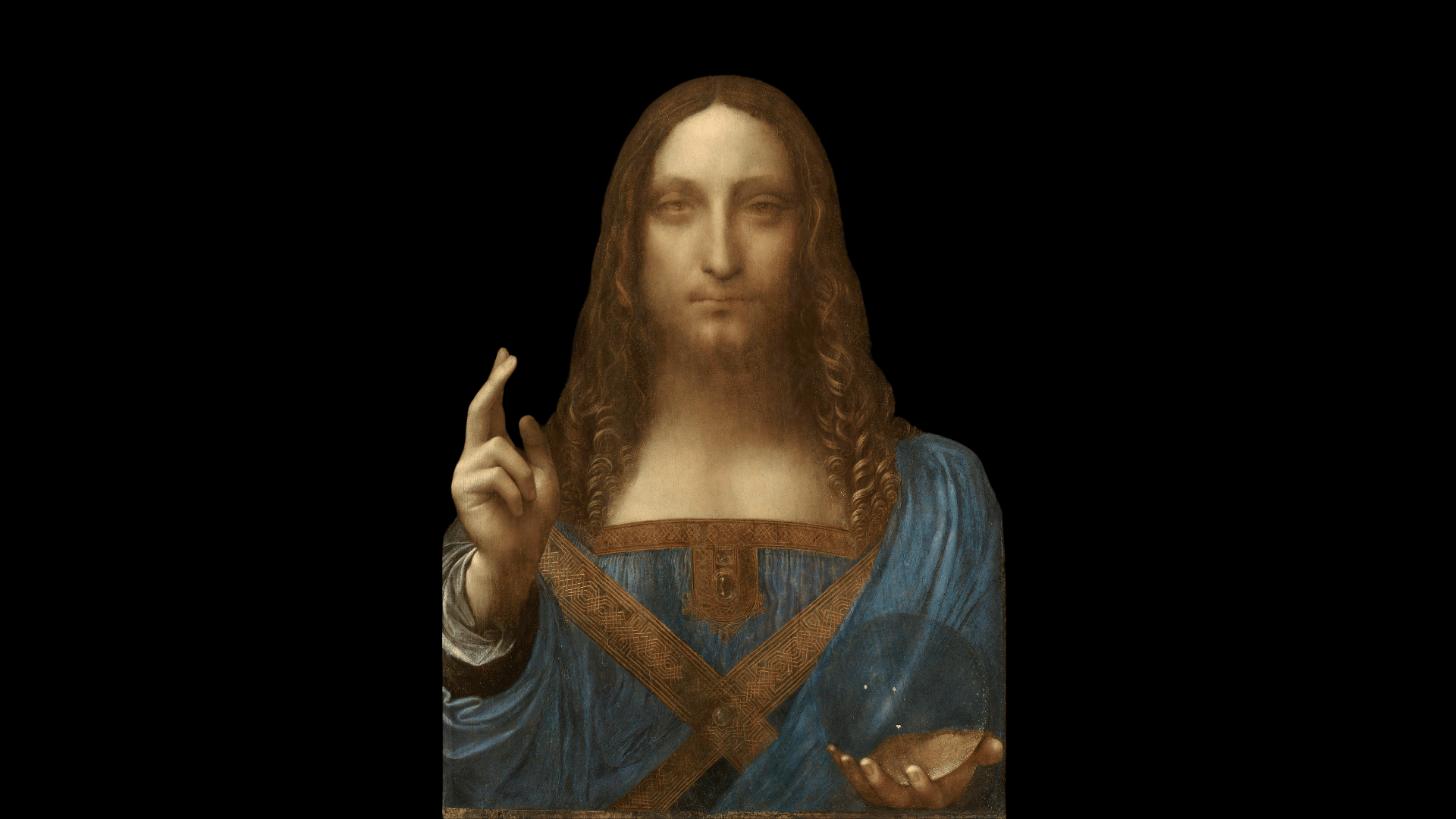
Image Source: Wikipedia
Sold at Christie’s in 2017, Salvator Mundi is quite literally the most expensive painting ever sold. What makes it extraordinary?
It’s one of fewer than 20 surviving paintings attributed to Leonardo da Vinci himself, depicting Christ as “Savior of the World.“
The painting disappeared for centuries before resurfacing in 2005 in surprisingly poor condition, and its current owner remains a mystery to this day.
2. Interchange – Willem de Kooning ($300 Million)
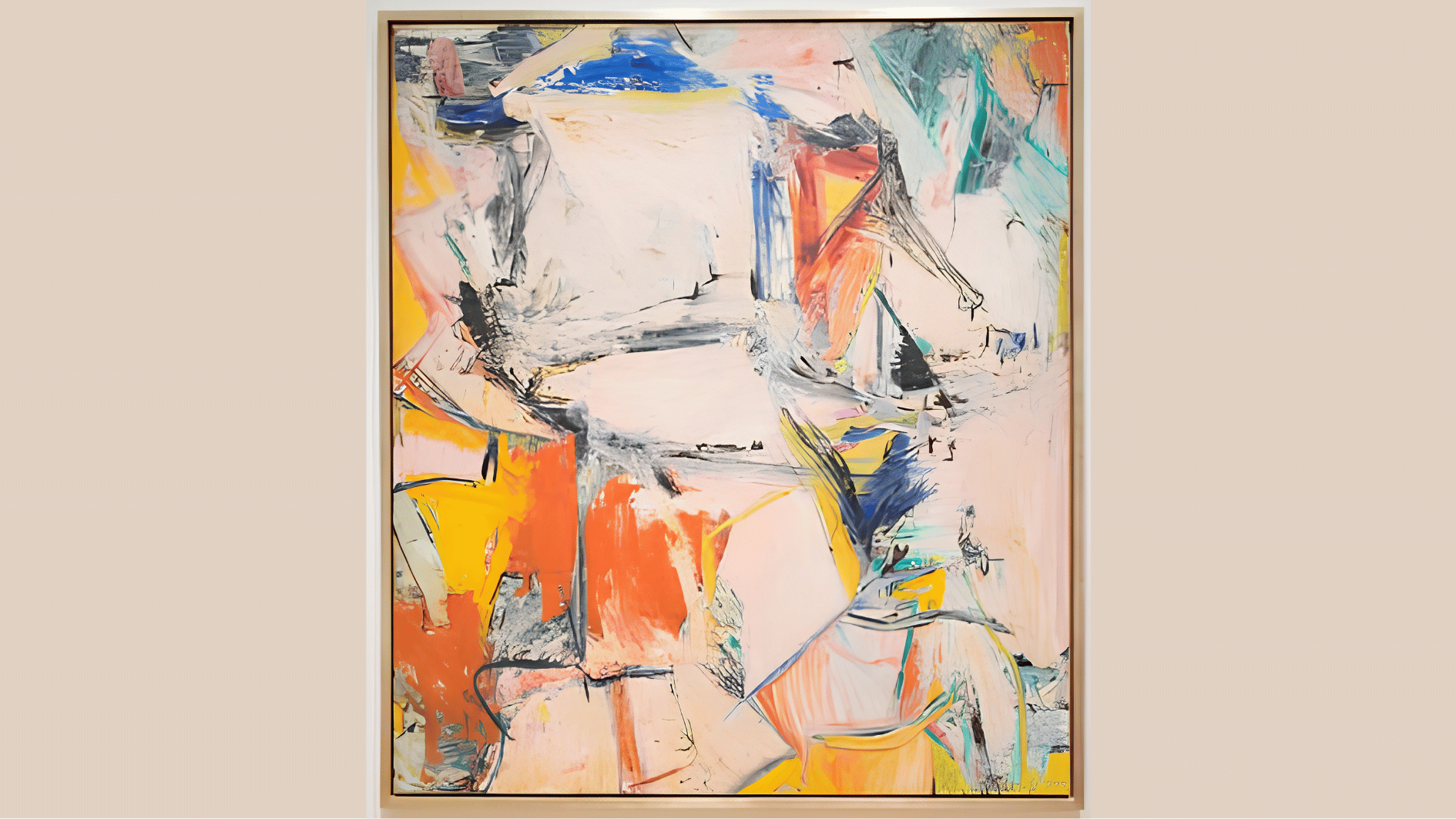
Image Source: Wikipedia
What does a million paint on canvas look like? Chaotic, alive, and utterly magnetic. De Kooning’s Interchange is Abstract Expressionism at its most raw – slashing brushstrokes, clashing colors, zero apology.
Painted in 1955, it spent decades quietly gathering legend before hedge fund billionaire Kenneth C. Griffin bought it in a private sale alongside a Pollock.
Two paintings, one deal, half a billion dollars. It now sits in a private collection, rarely seen by the public.
3. The Card Players – Paul Cézanne ($250 Million)
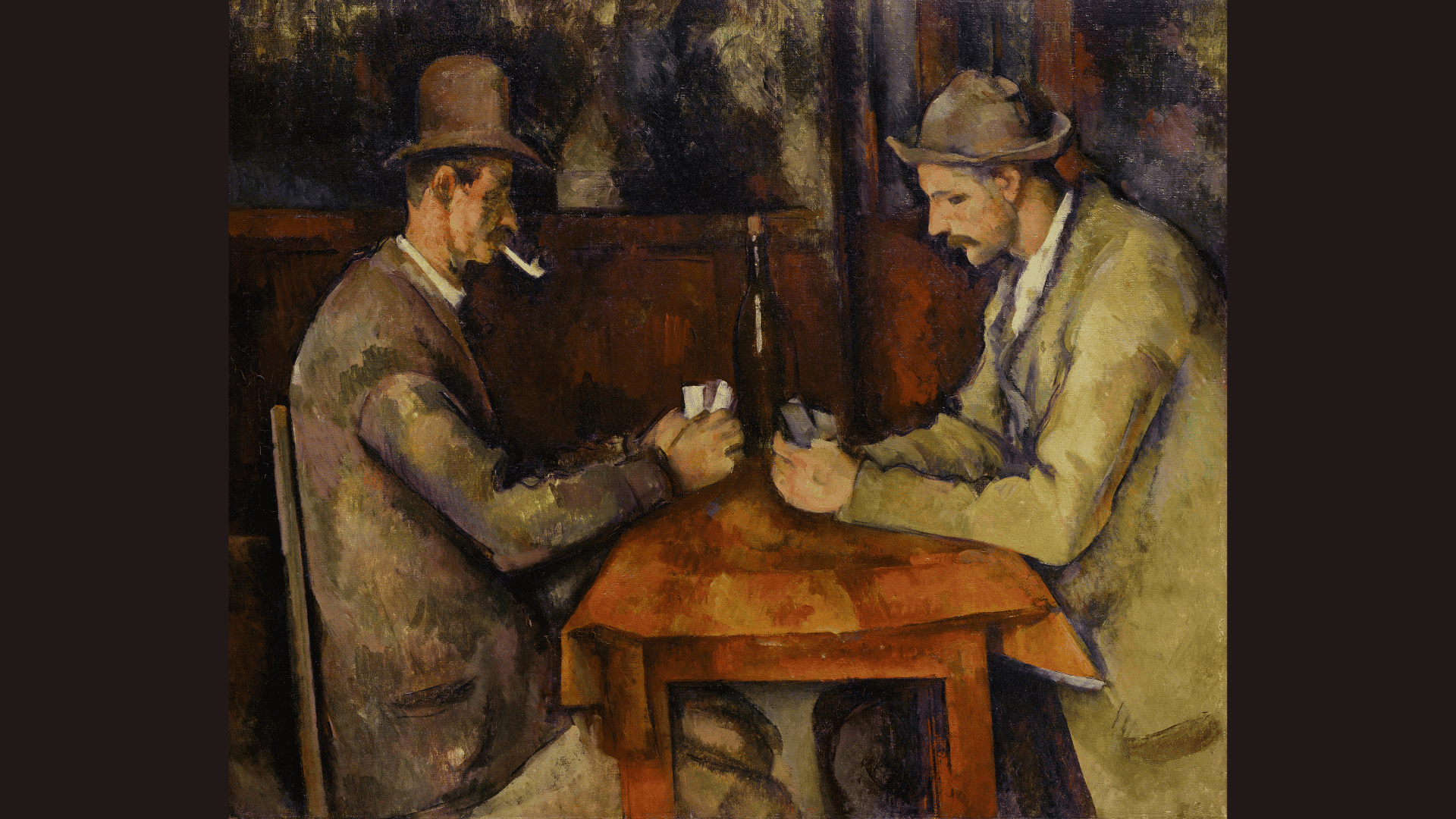
Image Source: Wikipedia
Two men, a table, and a card game. How is that worth it?
Because Cézanne didn’t just paint people – he painted structure, weight, and silence. The Card Players is part of a five-painting series, and the version sold in 2011 went straight to Qatar’s royal collection.
Picasso studied this man obsessively, and it shows – the geometric bones of Cubism are right here, decades before Cubism existed.
4. Portrait of Elisabeth Lederer – Gustav Klimt ($236.4 million)
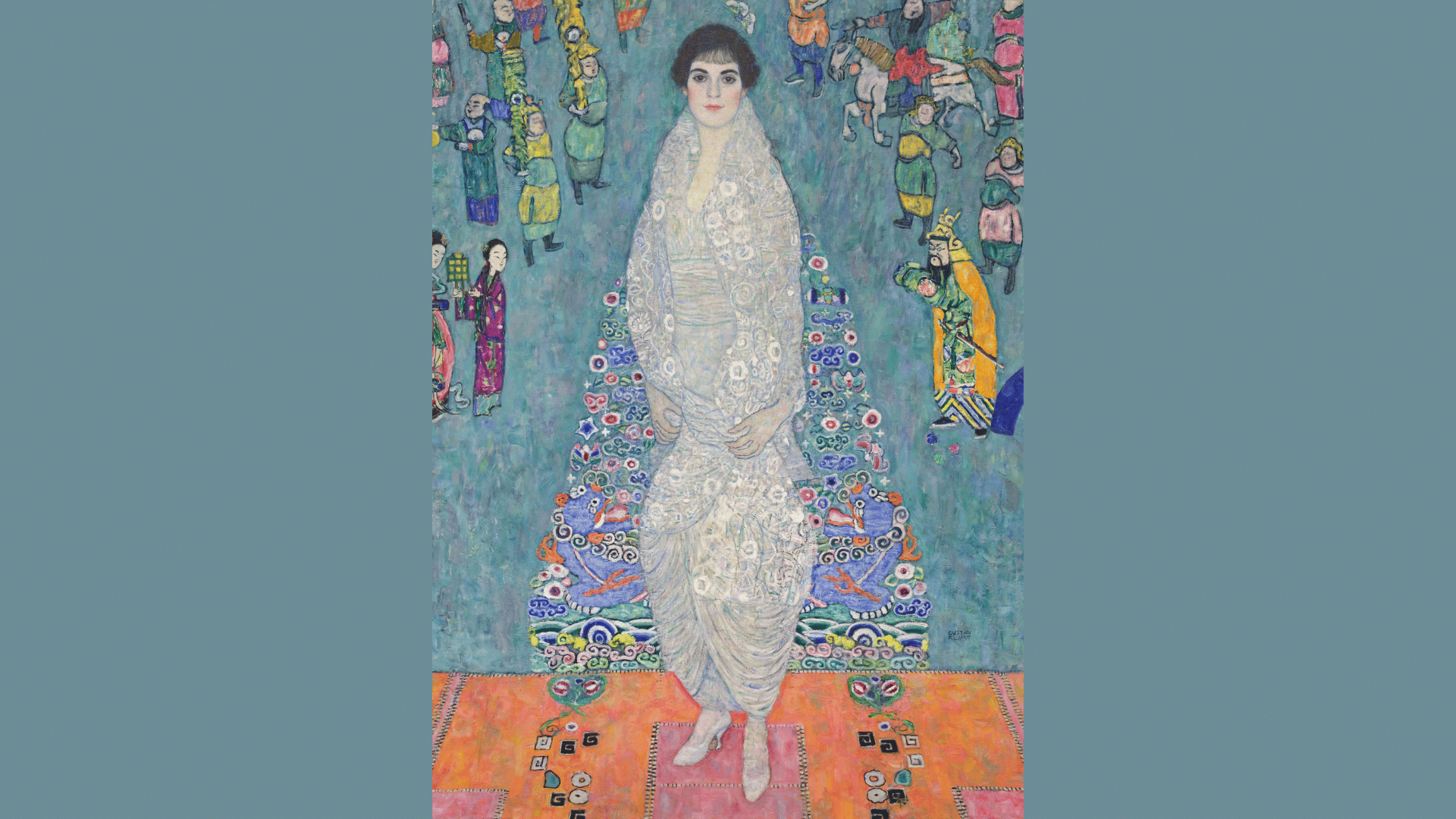
Image Source: Wikipedia
What makes Gustav Klimt’s portraits so unforgettable?
Portrait of Elisabeth Lederer combines elegance, rich detail, and Klimt’s signature decorative style, a combination that still attracts collectors worldwide.
The painting reportedly sold at a private sale, underscoring the enduring value of Klimt’s work. Today, the portrait is believed to be in a private collection, making public appearances extremely rare.
5. Nafea Faa Ipoipo (When Will You Marry?) – Paul Gauguin ($210 Million)
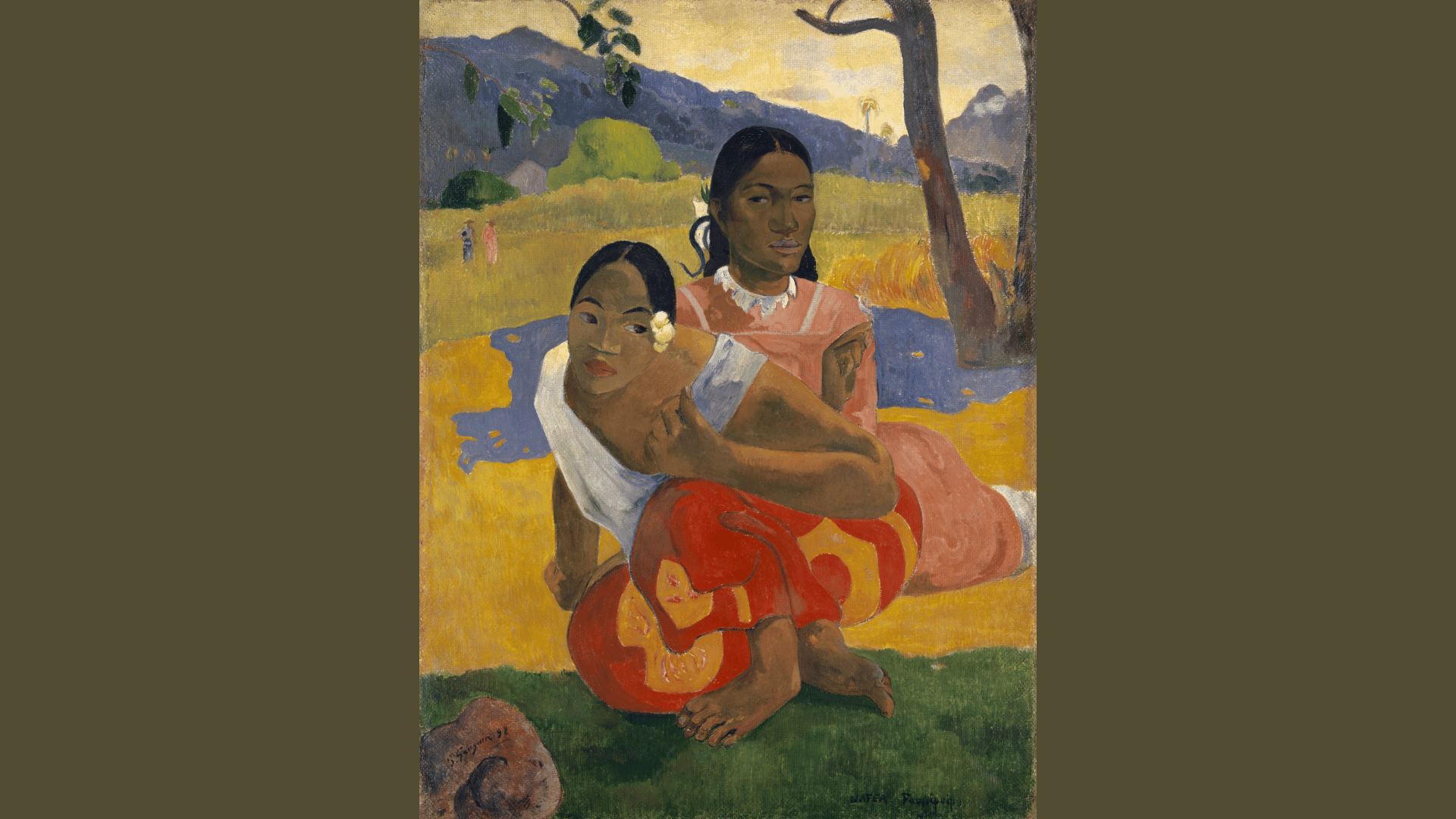
Image Source: Wikipedia
“When will you marry?” – Gauguin asked this question in oil on canvas in 1892, deep in the South Pacific island of Tahiti.
Two Polynesian women sit amid lush tropical color, one whispering to the other. For over a century, this painting stayed with a Swiss family before Qatar quietly paid millions for it.
Bold, intimate, and timeless – it’s proof that great art needs no grand recognition, just truth.
6. Number 17A – Jackson Pollock ($200 Million)
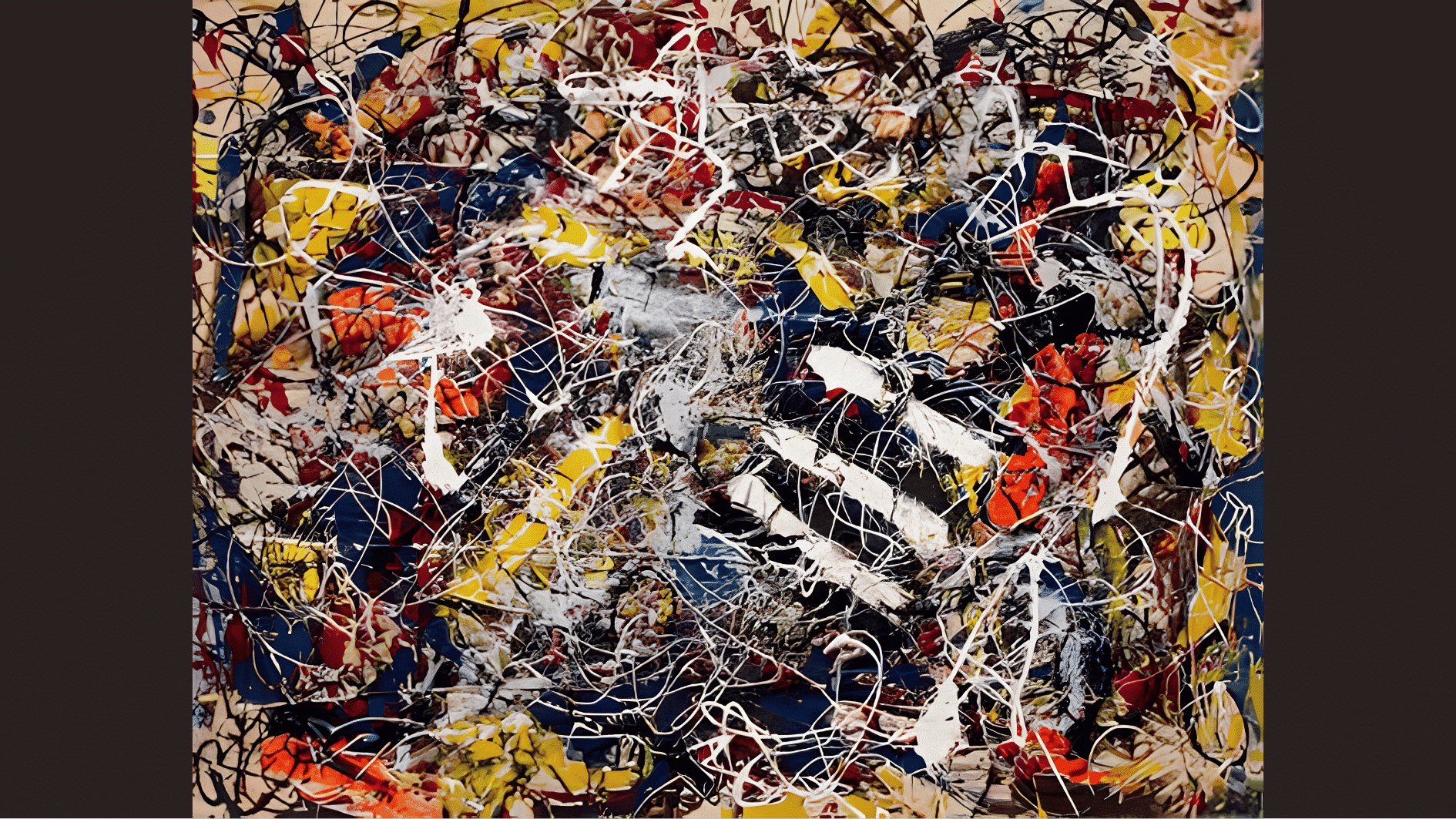
Image Source: Wikipedia
Who pours paint on the floor and calls it a masterpiece? Jackson Pollock did and the world eventually agreed to the tune of the price.
Number 17A, painted in 1948, is a web of drips, splashes, and instinct. No brushes, no easel, just Pollock crouching over the canvas like a man possessed.
Kenneth C. Griffin now owns this alongside de Kooning’sInterchange, keeping both out of public view in his private collection.
7. The Standard Bearer – Rembrandt van Rijn ($198 Million)
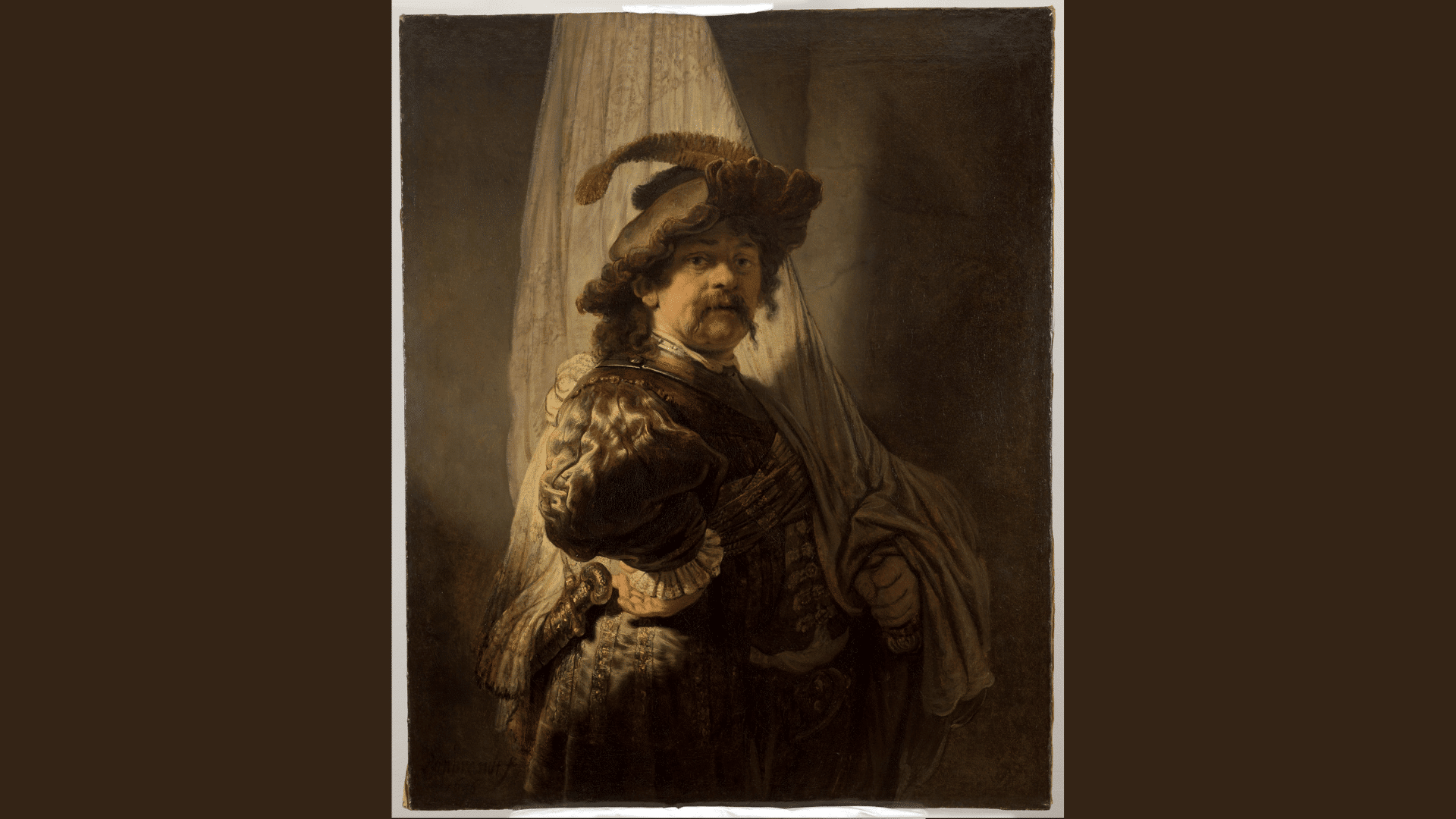
Image Source: Wikipedia
Painted in 1636, the artwork is known for its dramatic lighting and confident expression. In 2022, the Dutch government purchased it to keep it in the Netherlands.
The masterpiece now resides at the Rijksmuseum in Amsterdam, where it continues to attract art lovers from around the world.
8. Shot Sage Blue Marilyn – Andy Warhol ($195 Million)
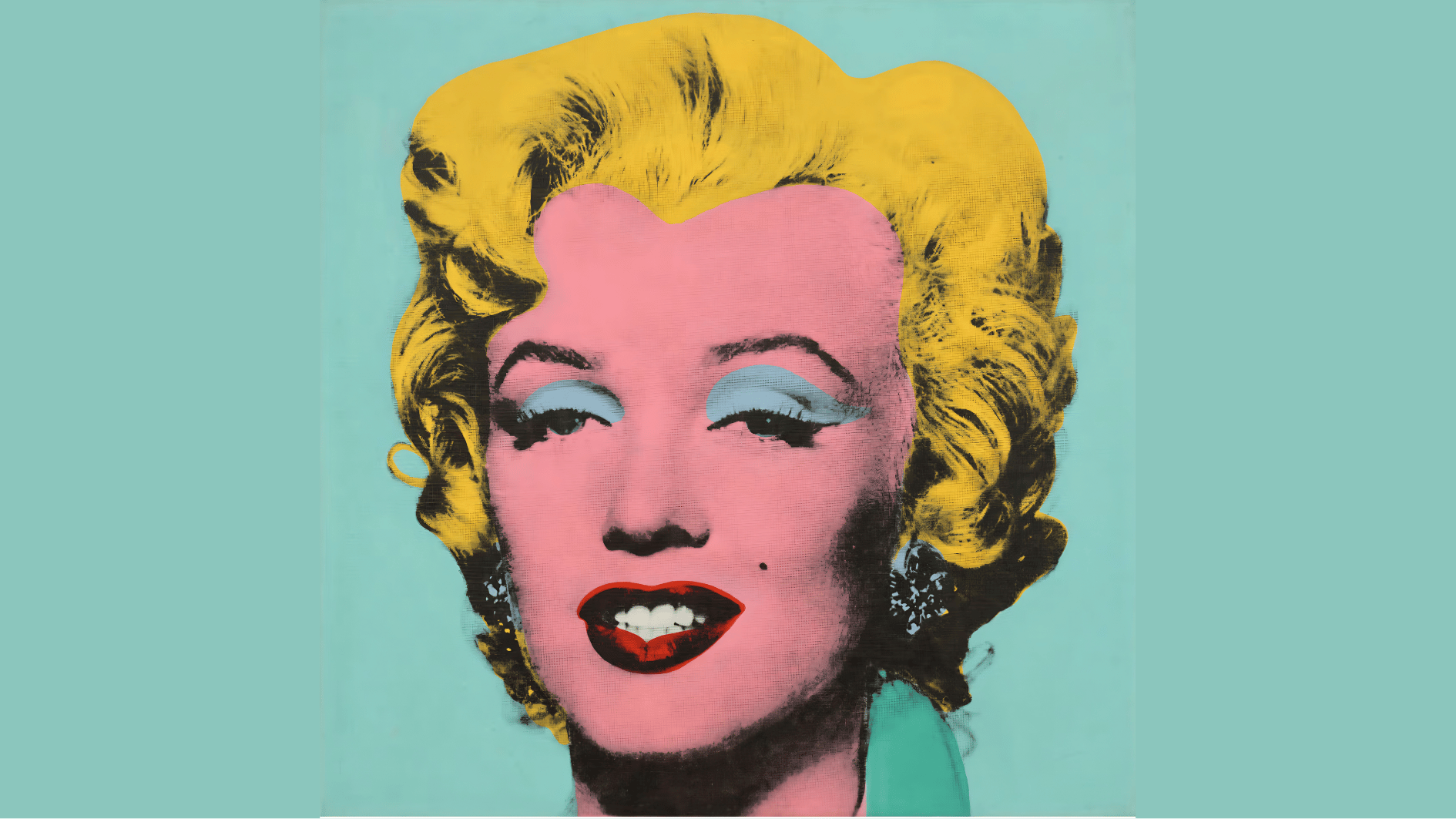
Image Source: Christie’s
A silkscreen, a Hollywood icon, and a bullet hole. This work belongs to Warhol’s renowned five-painting series, famously “shot” by performance artist Dorothy Podber, who literally fired a gun through the stack.
That wild history only made it more valuable in May 2022, when it sold at Christie’s, making it the priciest 20th-century artwork ever sold at auction.
It now belongs to art dealer Larry Gagosian. The sale further cemented Warhol’s influence on the global contemporary art market.
9. No. 6 (Violet, Green and Red) – Mark Rothko ($186 Million)
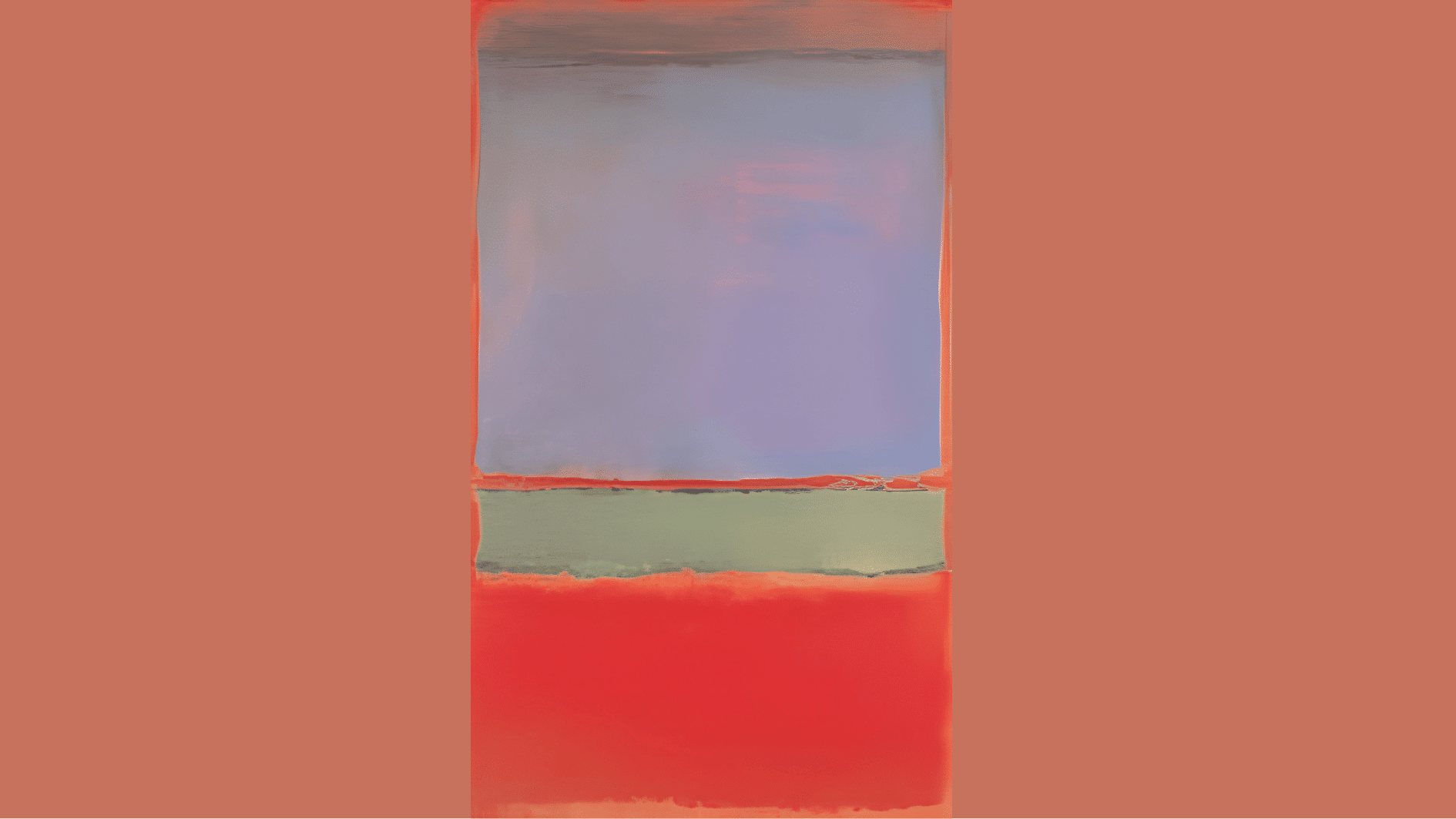
Image Source: Wikipedia
Three rectangles, no figures, and no story. So why does standing in front of a Rothko make people cry?
This 1951 masterpiece exemplifies his signature color field technique – vibrant hues with softened edges that evoke a deeply meditative quality, and it was sold privately in 2014 and remains tucked away in a private collection.
Rothko always said he painted human emotions, not colors – at that price, someone clearly felt every one of them.
10. The Pendant Portraits of Maerten Soolmans and Oopjen Coppit – Rembrandt van Rijn ($180 million)
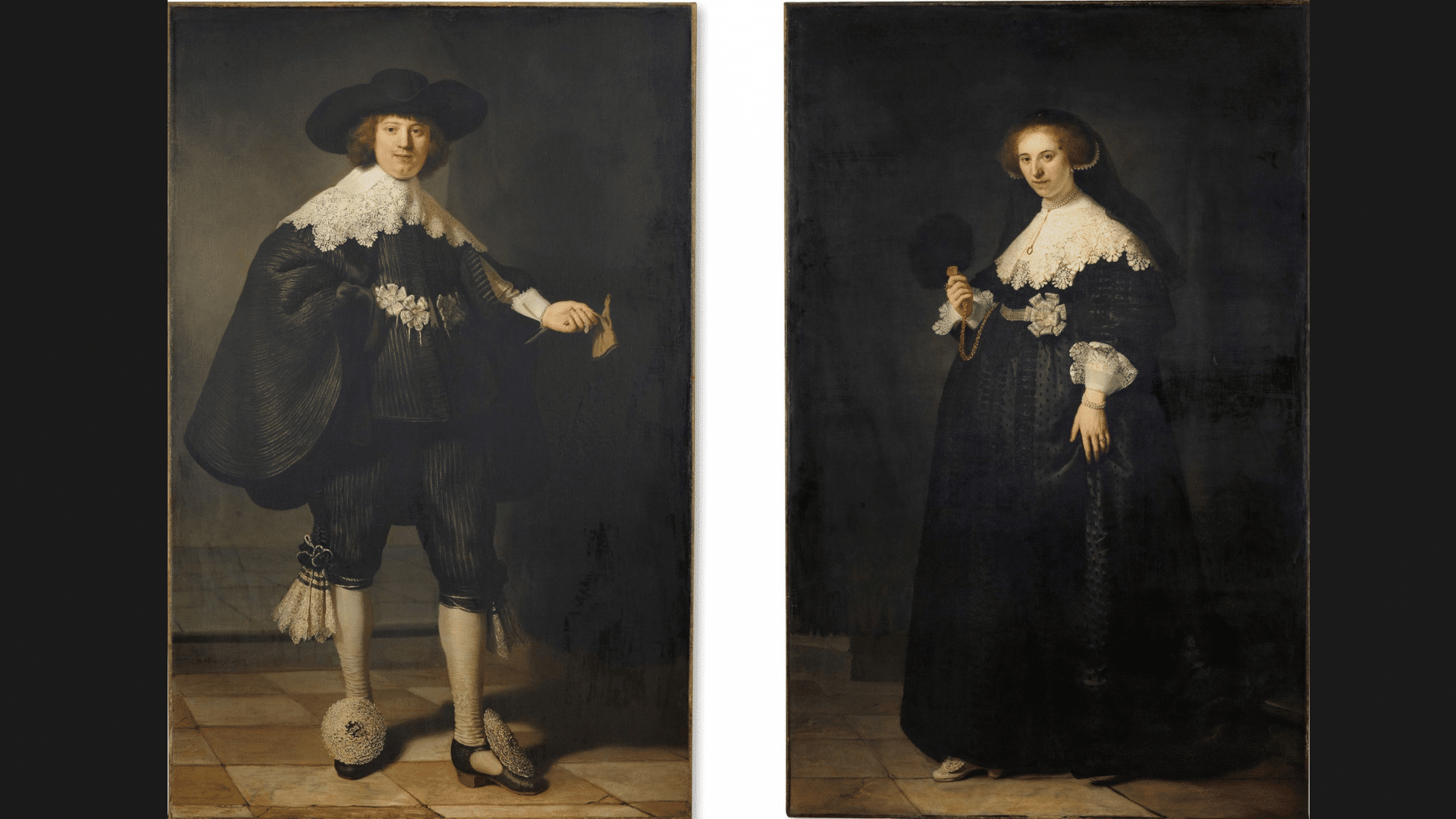
Image Source: Wikipedia
Rembrandt captured Maerten Soolmans and Oopjen Coppit with striking realism, luxurious clothing, and incredible attention to detail.
The pair of paintings was sold and is jointly owned by the Louver Museum and the Rijksmuseum. To make the artworks accessible to more visitors, the portraits rotate between Paris and Amsterdam.
11. Les Femmes d’Alger (Version O) – Pablo Picasso ($179.4 Million)
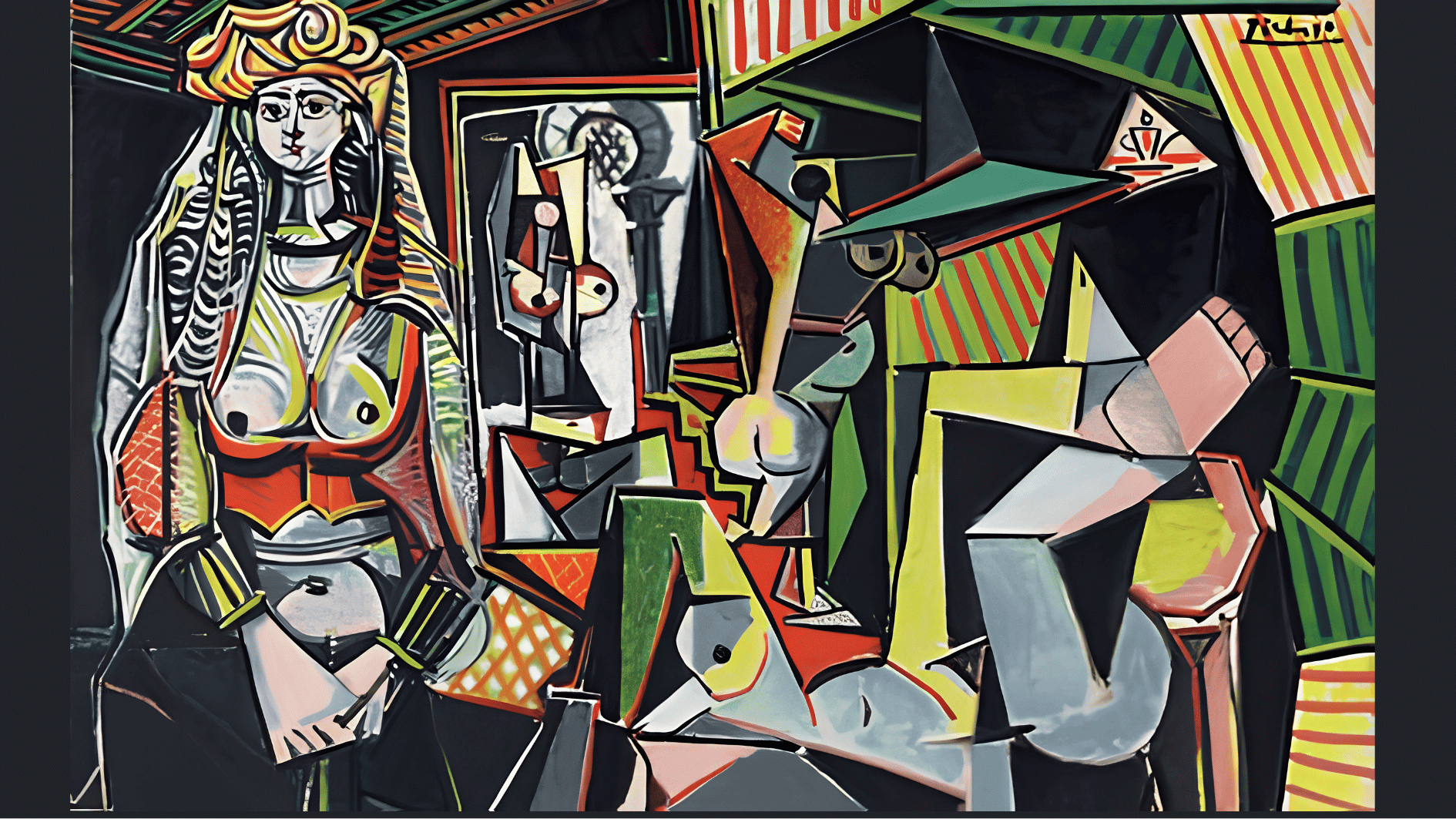
Image Source: Wikipedia
It’s the boldest, most fractured, most electric of the series inspired by Delacroix’s 1834 painting of Algerian women; this record-setting 2015 auction sale made it the most expensive Picasso ever sold at auction.
The figures burst off the canvas in sharp angles and vivid color – Picasso at his most unfiltered, still in private hands to this day.
12. Nu Couché – Amedeo Modigliani ($170.4 Million)
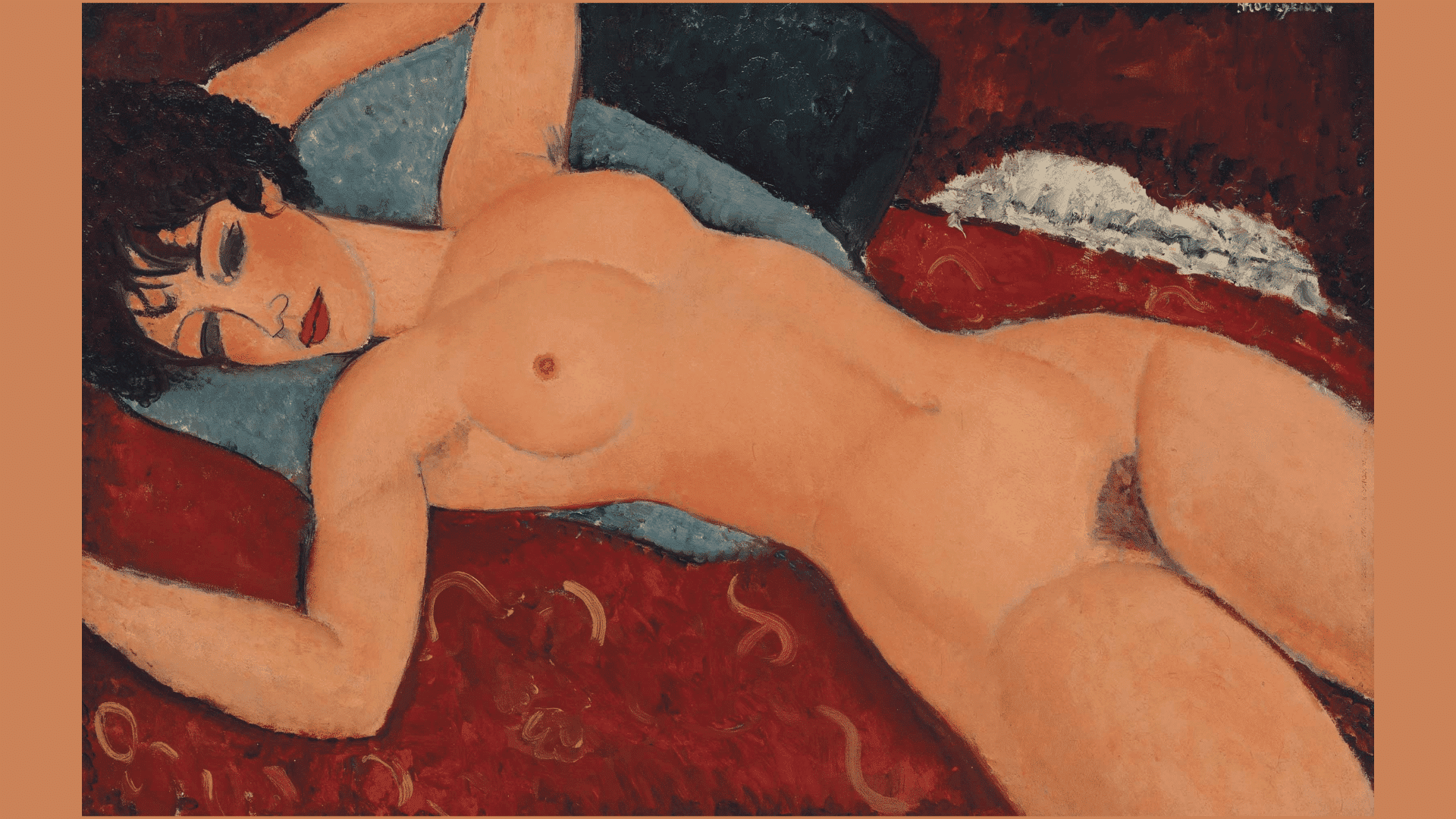
Image Source: Wikipedia
When this painting was first shown in Paris in 1917, police shut the gallery down as it was too scandalous, they said.
Fast forward to 2015 – the same painting sold at Christie’s. Modigliani’s Nu Couché is a reclining nude, painted with that unmistakable elongated grace he was known for.
The woman in the painting looks completely unbothered – and honestly, so does the painting itself, having outlasted every critic who ever called it controversial.
13. Water Serpents II (Wasserschlangen II) – Gustav Klimt ($170 Million)
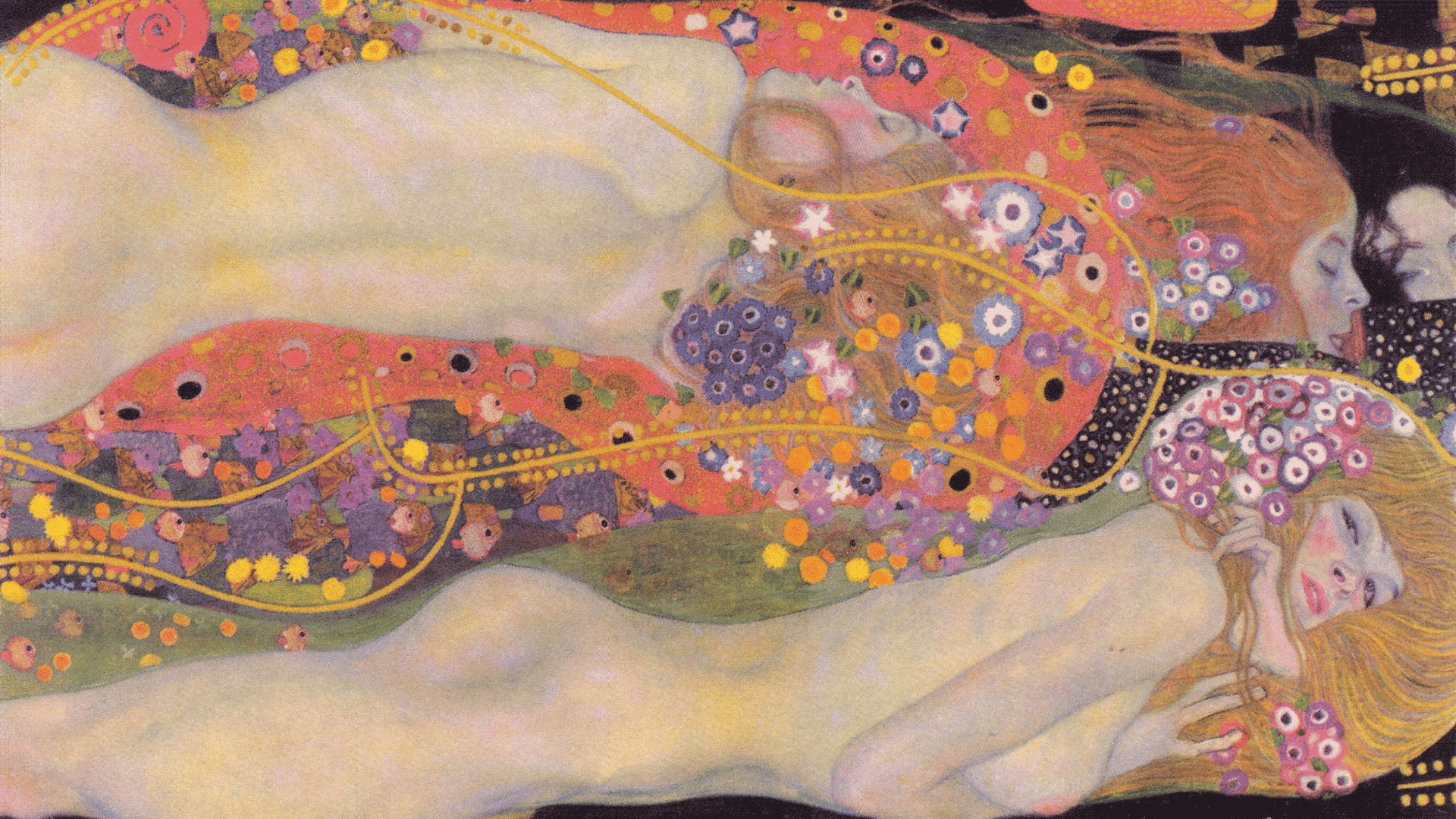
Image Source: Wikipedia
Gustav Klimt blended flowing forms, rich colors, and gold decorative details to create one of his most admired masterpieces. The painting reportedly sold in a private sale, making it one of the world’s most expensive artworks.
Today, it remains in a private collection, adding even more curiosity around this celebrated piece.
Additional Multi-Million Dollar Artworks
Learn some of the world’s most expensive paintings ever sold, featuring iconic masterpieces by legendary artists.
| Painting | Year | Artist | Residence/Nationality | Price Sold (USD) |
|---|---|---|---|---|
| Masterpiece | 1962 | Roy Lichtenstein | American | $165 million |
| Nu couché (sur le côté gauche) | 1917 | Amedeo Modigliani | Italian | $157.2 million |
| Le Rêve | 1932 | Pablo Picasso | Spanish | $155 million |
| Three Studies of Lucian Freud | 1969 | Francis Bacon | Irish-British | $142.4 million |
| Twelve Landscape Screens | 1925 | Qi Baishi | Chinese | $140.8 million |
| Woman III | 1953 | Willem de Kooning | Dutch-American | $137.5 million |
| Portrait of Adele Bloch-Bauer I | 1907 | Gustav Klimt | Austrian | $135 million |
| Garçon à la pipe | 1905 | Pablo Picasso | Spanish | $104.2 million |
| Silver Car Crash (Double Disaster) | 1963 | Andy Warhol | American | $105.4 million |
| Meules | 1890 | Claude Monet | French | $110.7 million |
| Flag | 1954–55 | Jasper Johns | American | $110 million |
Surprising Facts About the World’s Most Expensive Paintings
The world’s most expensive paintings carry stories that are just as fascinating as their price tags – From hidden findings to dramatic auctions, these masterpieces continue to surprise art lovers around the world.
- Several famous paintings were once sold for surprisingly small amounts before becoming global masterpieces worth millions.
- Vincent van Gogh sold very few artworks during his lifetime, yet his paintings are now among the most valuable in history.
- Some legendary artworks disappeared for decades before being redeemed in private collections or old storage spaces.
- Salvator Mundi remained hidden for years, was later restored, and sold for a record-breaking price.
- Competitive bidding at art auctions can raise prices dramatically within just a few minutes.
- Paintings by Picasso, Warhol, and Klimt often attract worldwide attention whenever they appear at auction events.
The Final Takeaway
The world’s most expensive paintings are far more than luxury collectibles, as each masterpiece carries a unique story filled with history, mystery, creativity, and record-breaking moments that continue to attract attention worldwide.
From hidden artworks rediscovered after decades to dramatic auction battles, the path behind the most expensive paintings makes them even more fascinating.
As interest in luxury collections keeps growing, the demand for the most expensive art continues to shape the global art market in exciting ways.









#/media/File:No._6_(Violet,_Green_and_Red).jpg)


_-_1904.jpeg)