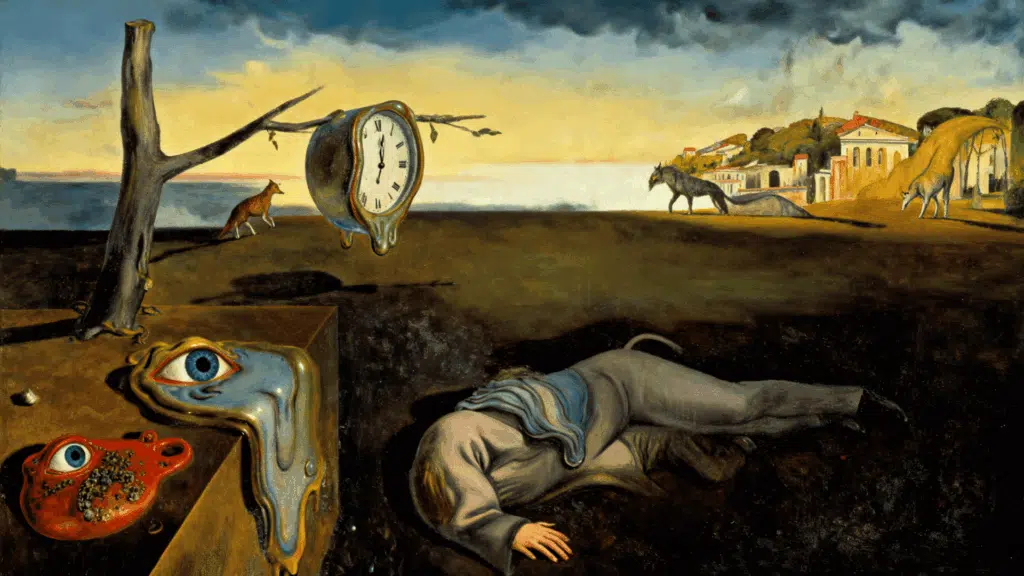
Surrealism drawing invites viewers into a strange and mysterious world where imagination, dreams, and reality exist together in unexpected ways.
Surrealist artists use dreamlike symbols and strange scenes to explore hidden thoughts and emotions.
From melting clocks to endless dream landscapes, it challenges logic and invites people to discover meanings hidden beneath the surface of every artwork.
What Is Surrealism Drawing?
Surrealism began in the 1920s when writer André Breton published his Surrealist Manifesto, inspired by Sigmund Freud’s exploration of dreams and the unconscious mind.
Artists believed that bypassing logical thinking unlocked deeper creativity. Surrealist drawings are recognized by their strange, dreamlike imagery, illogical compositions, and hidden symbolism.
Artists often combined unrelated objects and used automatic drawing, a technique of creating without conscious control, to let the subconscious guide their work freely.
Difference Between Surrealism and Abstract Art
Surrealism and Abstract Art both move away from reality, but differ greatly. Surrealism uses dreamlike imagery to explore the subconscious mind, often featuring recognizable objects in strange settings.
Abstract Art focuses on colors, shapes, and emotions without clear subjects.
Surrealism tells hidden symbolic stories inspired by psychology and dreams, while Abstract Art prioritizes mood, movement, and visual freedom over storytelling.
The History of the Surrealist Art Movement
Surrealist drawing emerged as a groundbreaking artistic movement that explored dreams, imagination, and the unconscious mind while challenging traditional ideas of reality and creativity.
| SURREALISM MILESTONES | SUMMARY |
|---|---|
| Origins After WWI | Surrealism emerged from Dadaism, reflecting postwar disillusionment and rejection of logic. |
| André Breton | Breton founded Surrealism and promoted unconscious creative expression through automatism. |
| Global Influence | The movement spread from Paris into art, film, photography, and literature, shaping modern surrealist art worldwide. |
Main Ideas Behind Surrealism as an Art Movement
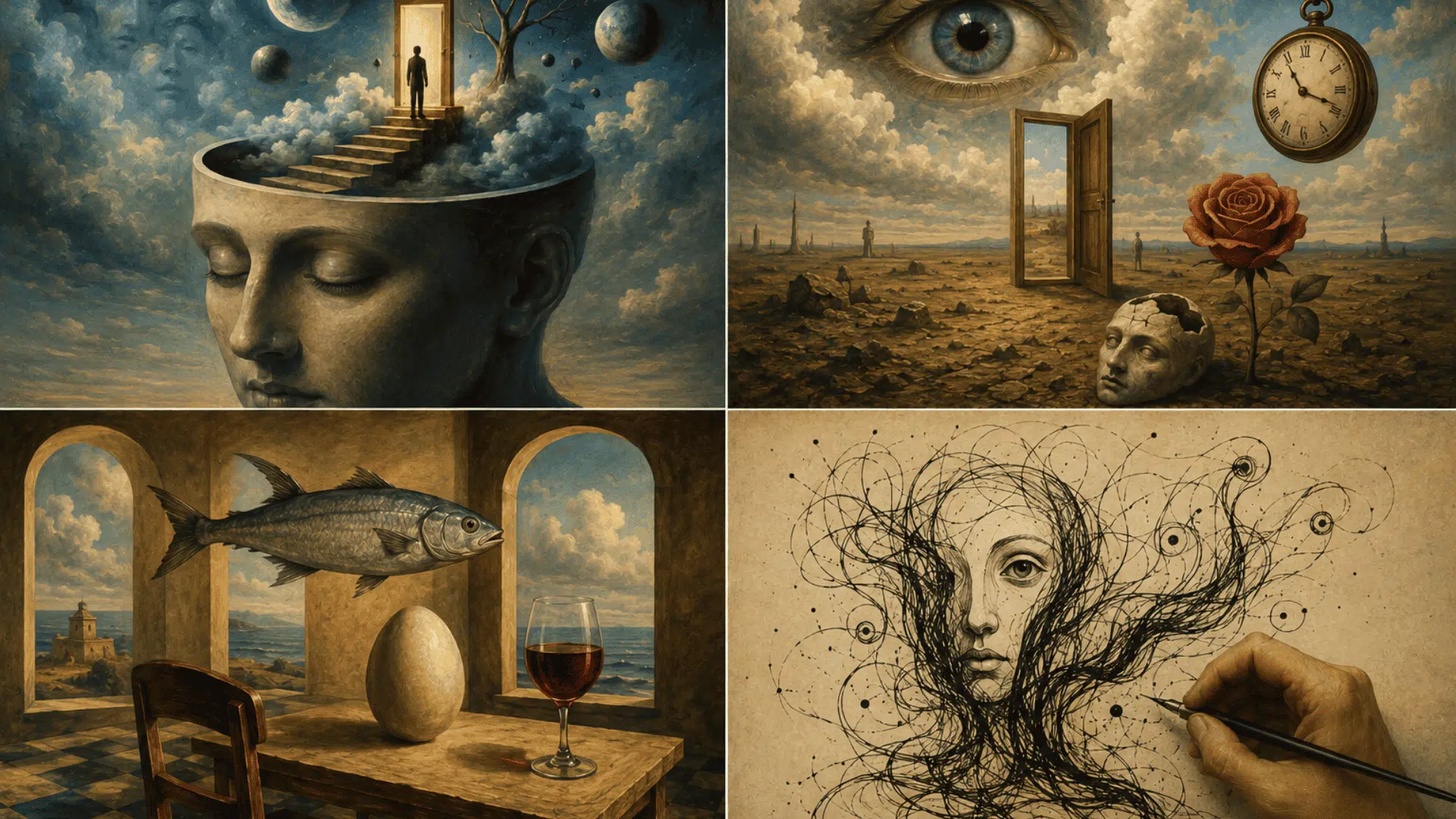
Surrealism emerged in the early 20th century as a movement that explored the subconscious through dream-like imagery, imagination, and unconventional artistic expression.
1. Understanding the Subconscious Mind
Surrealist artists were influenced by Freud’s theories on dreams and the unconscious, believing hidden thoughts and desires inspired powerful art beyond normal reality.
Dreams became a major source of creativity, allowing artists to escape logical thinking and create strange, emotional, and imaginative works that reflected inner human experiences.
2. Dream Imagery and Symbolism
Surrealist artworks often depicted bizarre, dream-like scenes, helping artists express emotions and ideas beyond ordinary reality.
Common objects were given symbolic meanings, representing fear, desire, memory, or confusion. Through symbolism, surrealists created emotionally intense and psychologically rich artworks.
3. Breaking Traditional Artistic Rules
Surrealism rejected traditional artistic standards such as realism and structured composition. Artists experimented freely by combining unrelated objects, environments, and ideas in unexpected ways.
This approach encouraged limitless imagination and challenged viewers to think differently about reality, creativity, and artistic expression.
4. Automatism and Creative Freedom
Automatism was an important surrealist technique where artists created without conscious planning or control. Automatic drawing and writing allowed spontaneous thoughts to flow directly into the artwork.
By removing rational control, surrealists believed the subconscious mind could guide creativity more honestly, producing original and deeply personal artistic expressions.
Famous Surrealist Artists and Their Drawing Styles
Surrealism produced some of history’s most iconic artists, each developing a unique visual language that continues to influence art and culture today.
1. Salvador Dalí
Source: Britannica
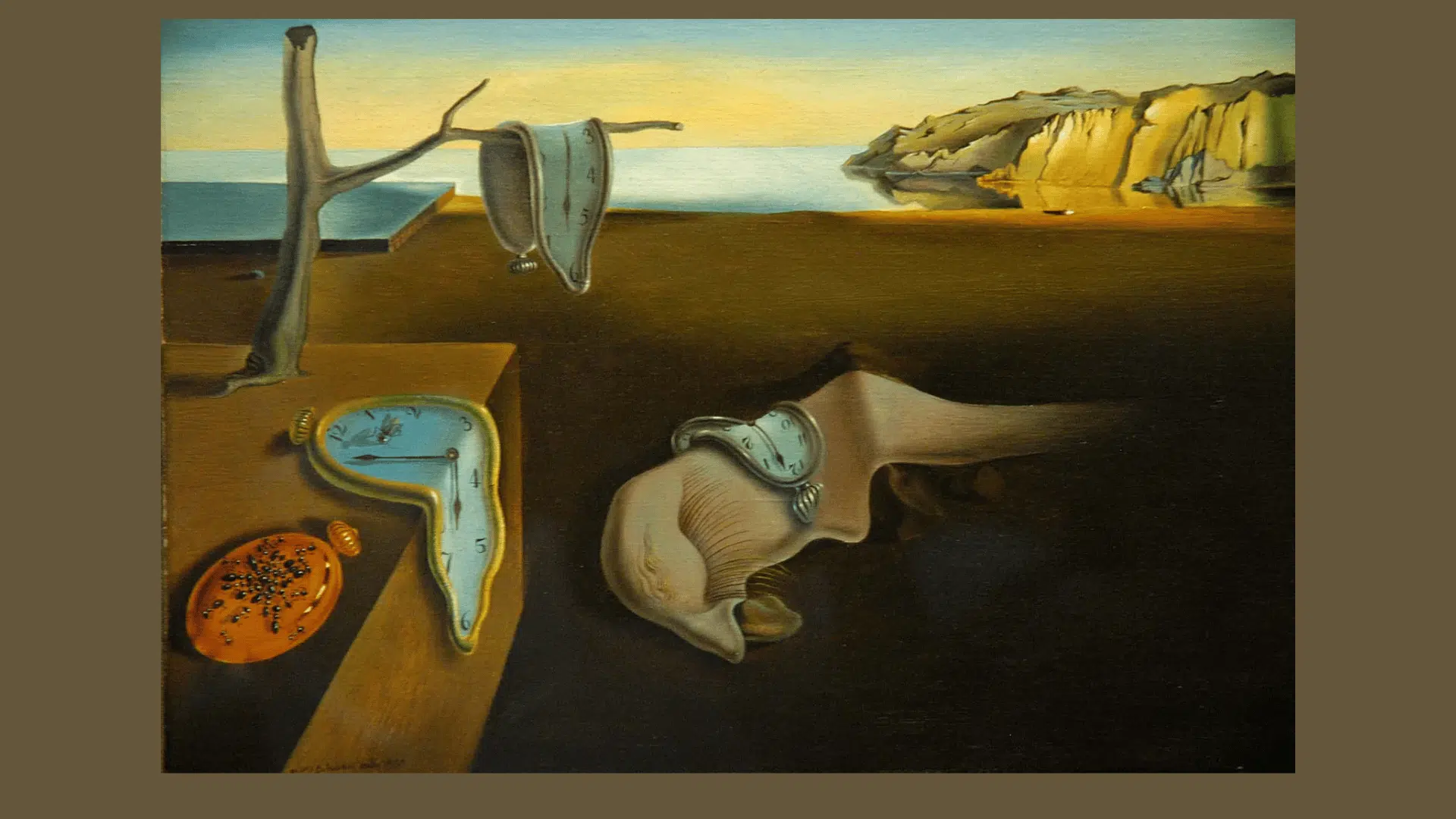
Dalí is best known for hyper-realistic dreamscapes featuring impossible imagery, such as melting clocks, in his iconic work The Persistence of Memory.
His detailed painting style made even the most bizarre scenes feel unsettlingly real.
2. René Magritte
Source: Russel Collection
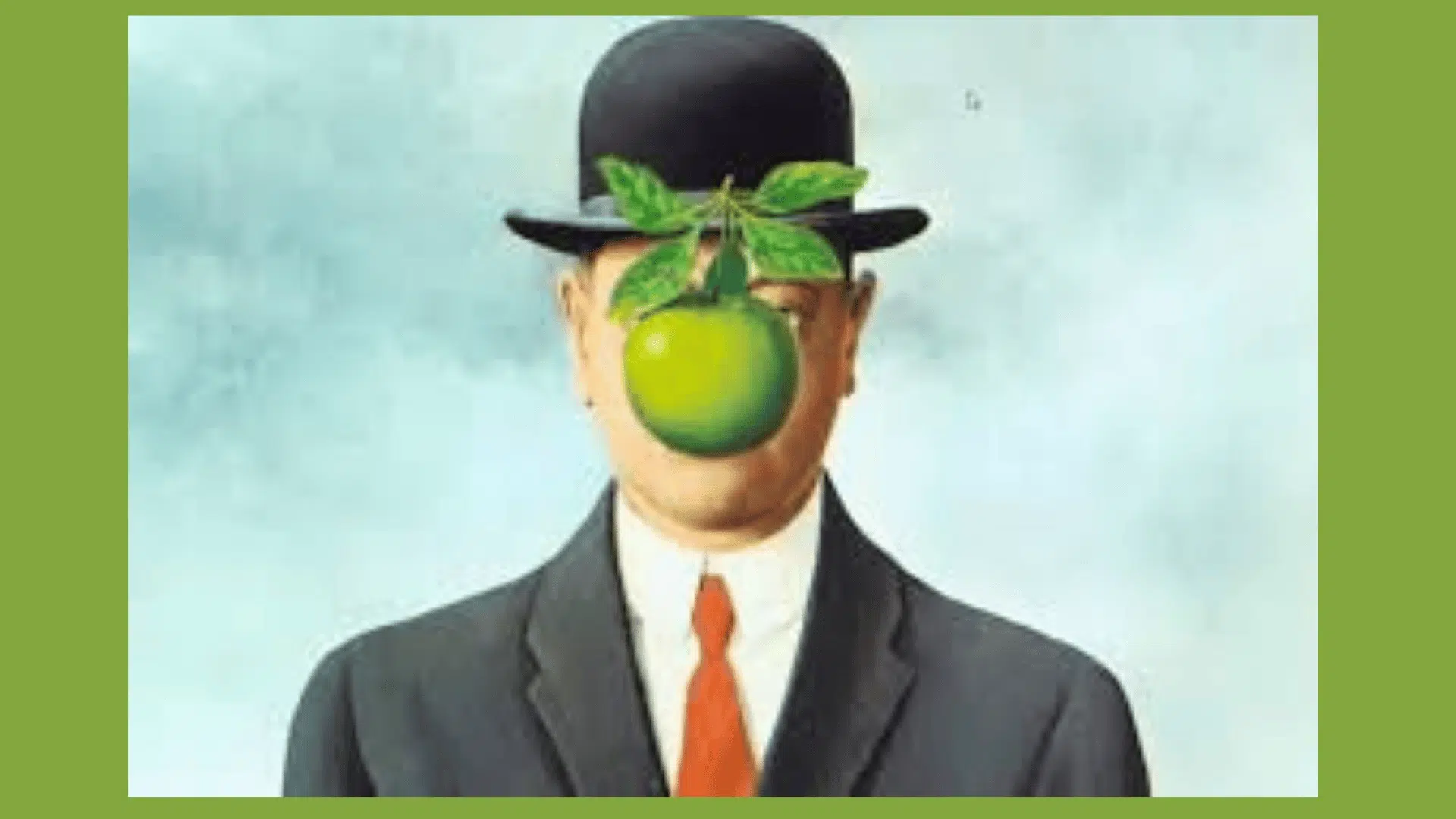
Magritte practiced a philosophical form of surrealism, placing ordinary everyday objects in strange, unexpected contexts.
His work quietly challenged how people perceive reality, meaning, and the relationship between images and words.
3. Max Ernst
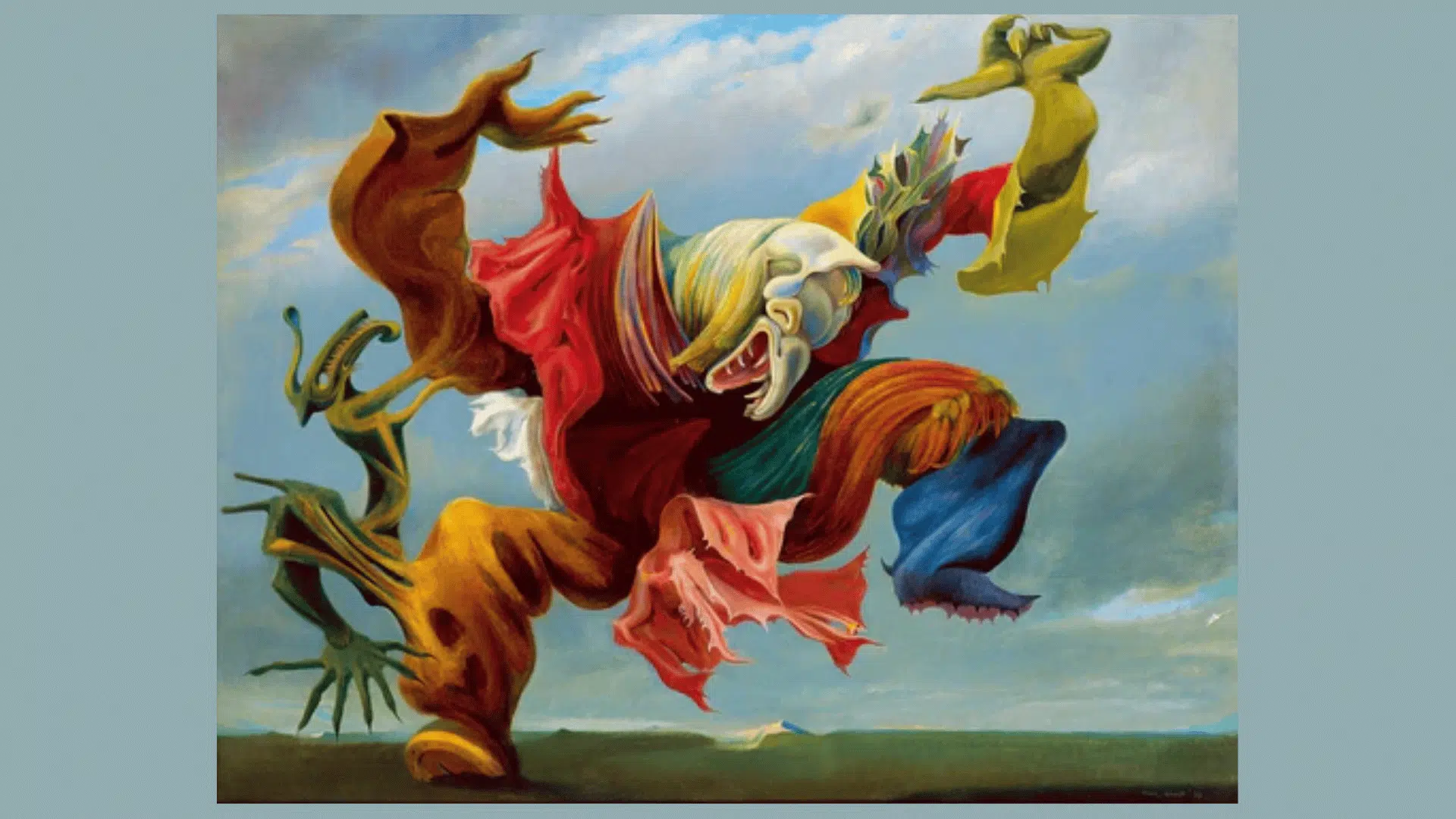
Source: Tallenge
Ernst pioneered experimental techniques like frottage, rubbing a pencil over textured surfaces, and collage to create unexpected imagery.
His methods emphasized chance and accident as legitimate creative tools in surrealist drawing.
4. Joan Miró
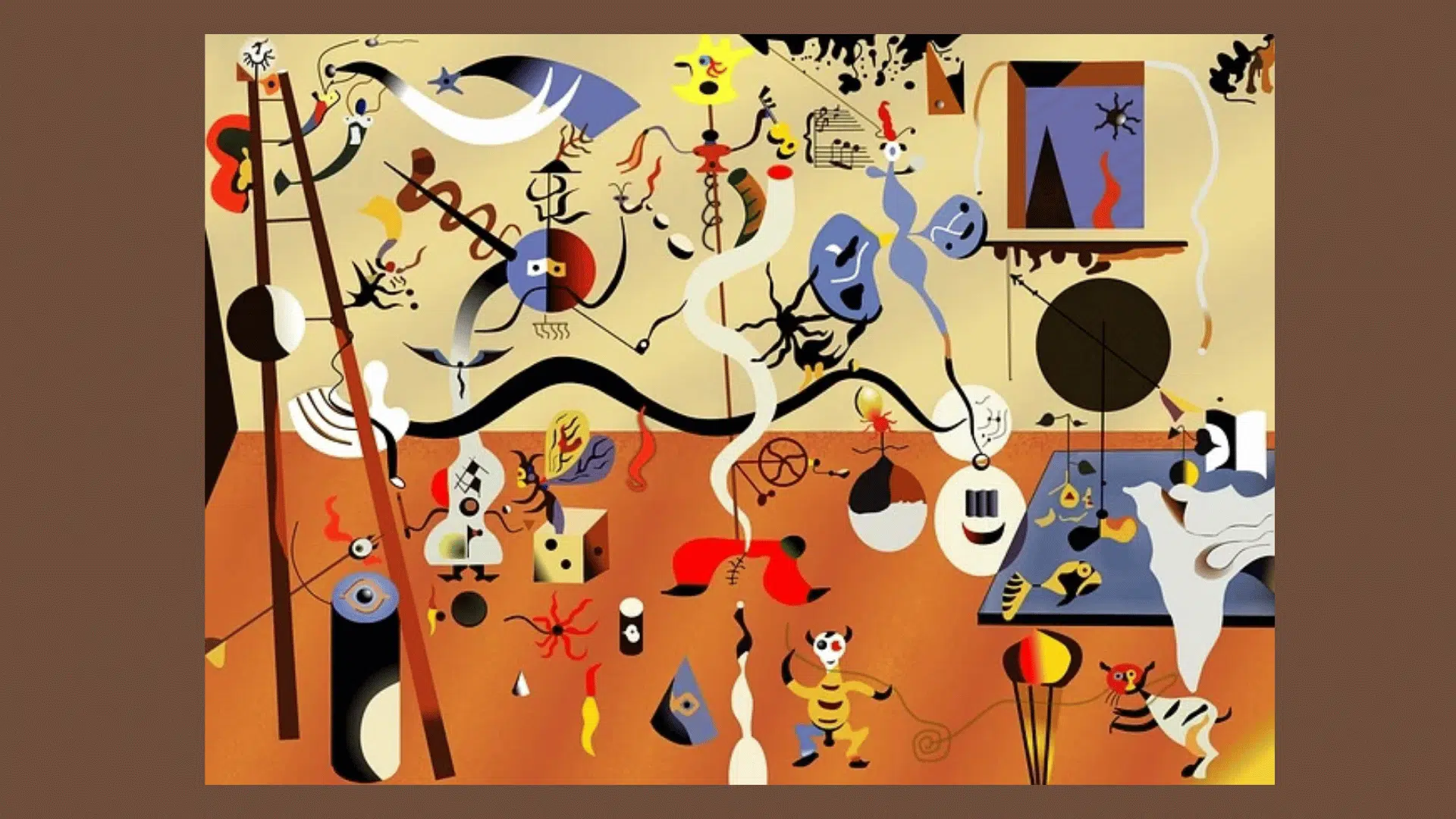
Source: Artsoullifemagazine
Miró developed an abstract surrealist style built around playful symbolic shapes and organic forms.
His colorful, childlike compositions felt spontaneous yet carried deep emotional and subconscious meaning throughout.
5. Leonora Carrington and Women in Surrealism
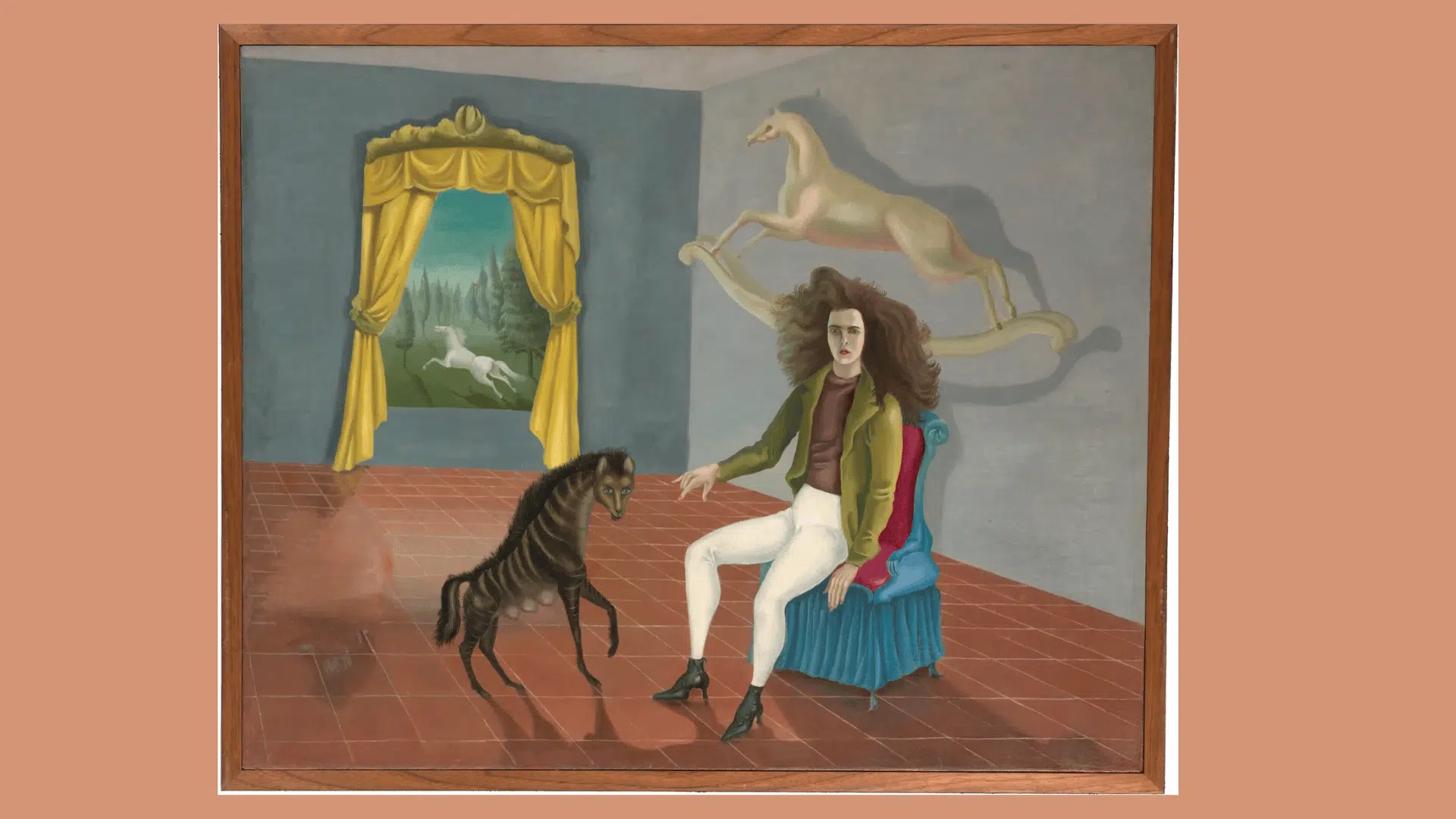
Source: NewYorker
Carrington represented a growing wave of female surrealists who brought mythology, feminism, and personal identity into their work.
Their contributions are now widely recognized as essential to the full surrealist story.
Common Symbols and Themes in Surrealist Drawings
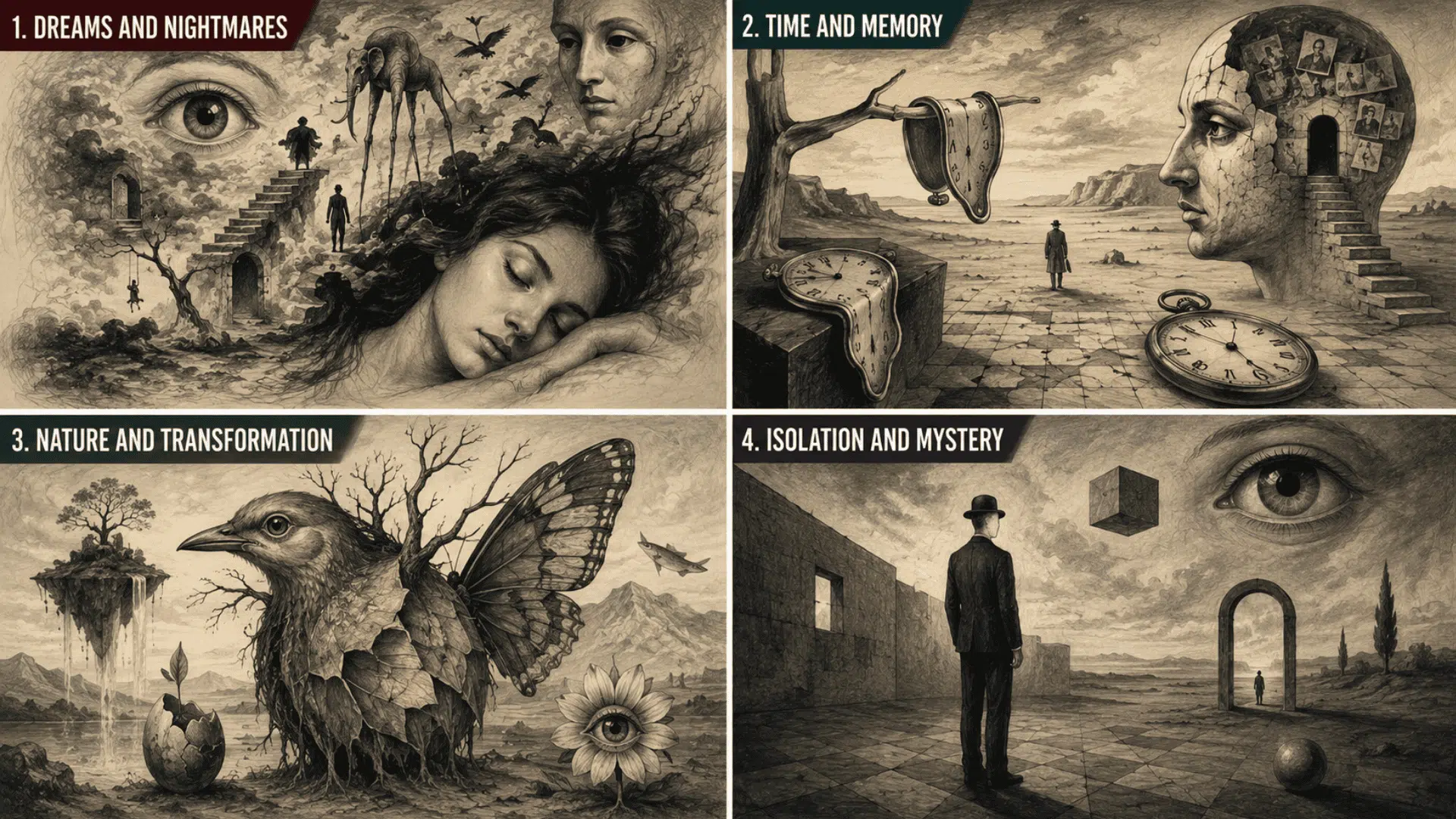
Surrealist drawings use dream-like imagery, unusual symbols, and imaginative scenes to express emotions, hidden thoughts, and the subconscious mind beyond logic and reality.
1. Dreams and Nightmares
Dreams and nightmares play a major role in surrealism, allowing artists to express unconscious emotions, fears, and desires through imaginative and unsettling imagery.
These dream-inspired visuals reflect the hidden workings of the human mind and encourage viewers to interpret personal meanings within the artwork.
2. Time and Memory
Surrealist artists used distorted realities and symbolic objects, such as melting clocks, to represent time, memory, and the instability of human perception.
These artworks suggest that memories, emotions, and experiences can change reality in unexpected and irrational ways.
3. Nature and Transformation
In surrealism, nature is often transformed into imaginative, unrealistic forms. Artists created hybrid animals, floating objects, and dream-like landscapes to symbolize change, mystery, and creativity.
Through transformation, surrealists blurred the boundaries between reality and fantasy, making ordinary natural elements appear magical and symbolic.
4. Isolation and Mystery
Many surrealist drawings use empty spaces, faceless figures, and mysterious objects to create feelings of isolation, uncertainty, and deeper emotional meaning.
The sense of isolation adds emotional depth to surrealist art, while mystery allows multiple interpretations and personal connections with the artwork.
Popular Techniques Used in Surrealism Drawing
Surrealism drawing techniques use dreams, subconscious ideas, and unexpected imagery to create imaginative compositions that challenge reality and spark creativity.
| TECHNIQUE | SUMMARY |
|---|---|
| Automatic Drawing | Beginners create spontaneous lines and shapes without planning, allowing subconscious ideas to guide the artwork naturally. |
| Collage and Mixed Media | Artists combine unrelated images, textures, and materials to create imaginative and dreamlike visual compositions. |
| Frottage and Grattage | These techniques use textured surfaces and scraping methods to produce experimental patterns and abstract effects. |
| Dream Sketching | Artists draw inspiration from dreams and subconscious memories for surreal, symbolic drawings. |
| Exquisite Corpse Technique | A collaborative surrealist game where multiple artists contribute separate parts to create unexpected and creative artworks. |
How Surrealism Influences Modern Art Today
Surrealism continues to influence modern art by inspiring artists to create imaginative and dreamlike visuals.
Many digital artists use surreal ideas in illustrations, animations, and AI-generated artwork to create unique, emotional designs.
In film and photography, surrealism appears through unusual storytelling, symbolic imagery, and fantasy-like scenes.
The movement also shapes pop culture, including fashion, advertising, and social media trends.
Its creative style encourages artists to think beyond reality and explore deeper emotions, imagination, and personal expression in modern visual art.
Wrapping It Up
Surrealism drawing inspires artists through dreamlike imagery, symbolism, and mysterious ideas that encourage creativity, imagination, and deeper emotional expression.
From classic painters to digital artists, surrealism continues to shape modern visual culture.
Whether you are an artist, student, or art lover, exploring surrealism drawing can help you see the world in a more imaginative and meaningful way.
Frequently Asked Questions(FAQ)
Why Do Surrealist Drawings Feel So Unusual?
Surrealist drawings blend everyday objects with impossible scenarios, creating strange, unexpected scenes. This style allows artists to express imagination, emotion, and subconscious thoughts visually.
How Did Surrealism Change Modern Creative Expression?
Surrealism encouraged artists to experiment freely rather than follow strict rules. Its influence persists in digital design, fantasy films, conceptual photography, and modern visual storytelling.
What Techniques Make Surrealist Artwork Unique?
Artists use automatic drawing, collage, dream sketching, and distorted perspectives to create surrealist art, producing imaginative, spontaneous, and symbolic visuals.
Why Are Ordinary Objects Important in Surrealism?
Surrealist artists turn familiar objects into symbols with deeper meaning. An ordinary object can signify memory, fear, mystery, or desire in an unusual context.