Drawing should feel fun, but sometimes choosing what to draw is the hardest part. You open your sketchbook, want to start, and suddenly every idea feels too hard, too plain, or not worth drawing.
Inspiration does not always show up as a complete idea. Sometimes it begins with something small, like a flower, a landscape, an object on your desk, or a quick prompt.
In this blog, you’ll find drawing inspiration, sketchbook prompts, and visual Inspiration to help you move past the blank page and start making drawings you enjoy.
How Can Everyday Life Inspire Your Drawings?
Drawing Inspiration usually begins with noticing one small thing that catches your eye. It could be a color combination, an interesting shape, a pose, a cozy room, or even a photo you saved weeks ago.
Everyday life is full of small details that can turn into drawing ideas. A coffee cup on your desk, shadows on a wall, shoes by the door, plants near a window, or people walking outside can all become simple sketch subjects.
The more you observe ordinary moments, the easier it becomes to notice shapes, textures, colors, and moods worth drawing. Inspiration often starts with paying closer attention to what is already around you.
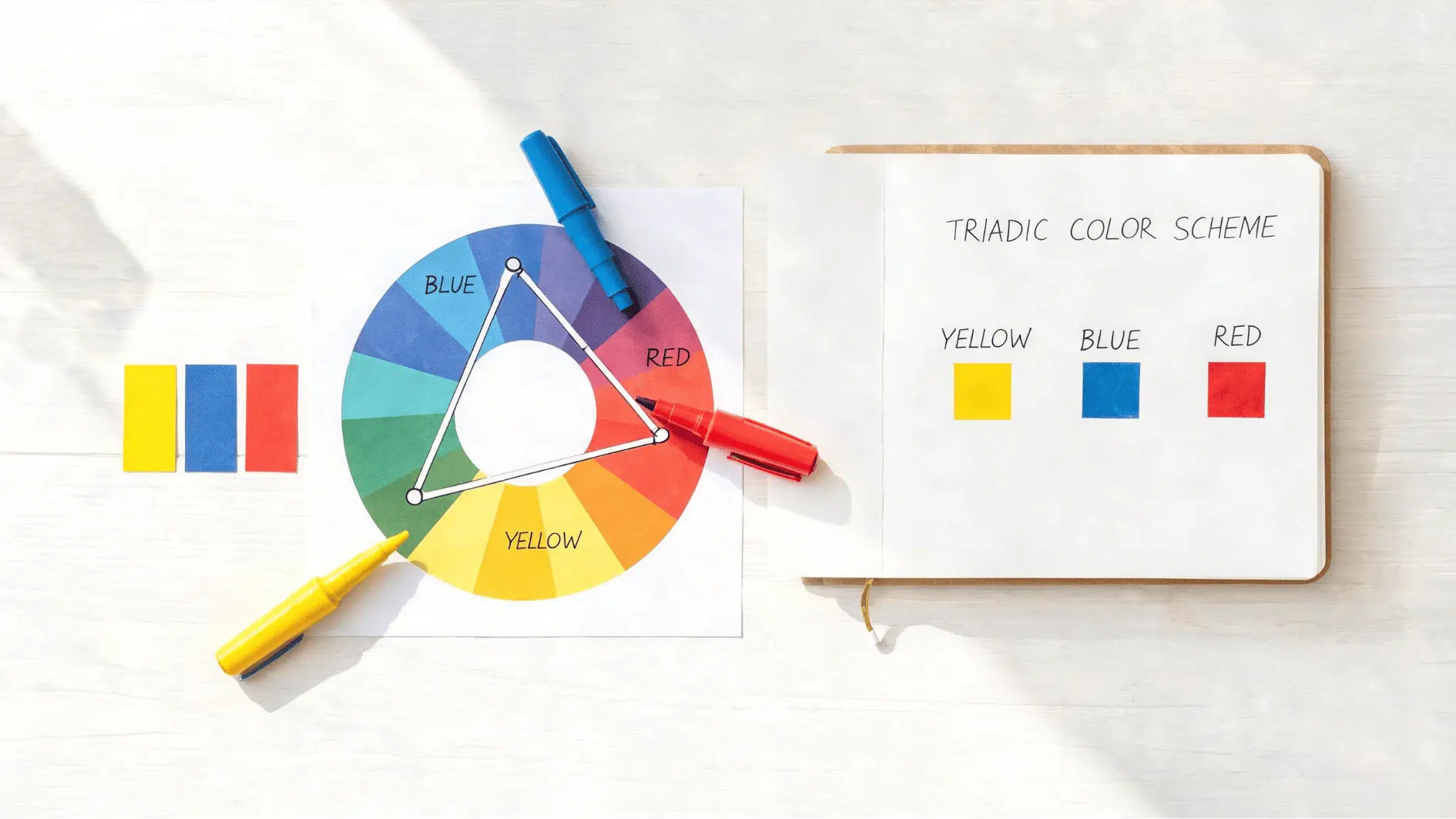
If you find yourself drawn to color as much as form, understanding primary and secondary colors can genuinely change the way you see the world around you and the details worth sketching.
Drawing Ideas to Beat Boredom
Feeling stuck is normal, especially when every idea feels too plain or too difficult. The ideas below give you clear starting points, so you can stop overthinking and start sketching.
1. Draw Your Desk From Above
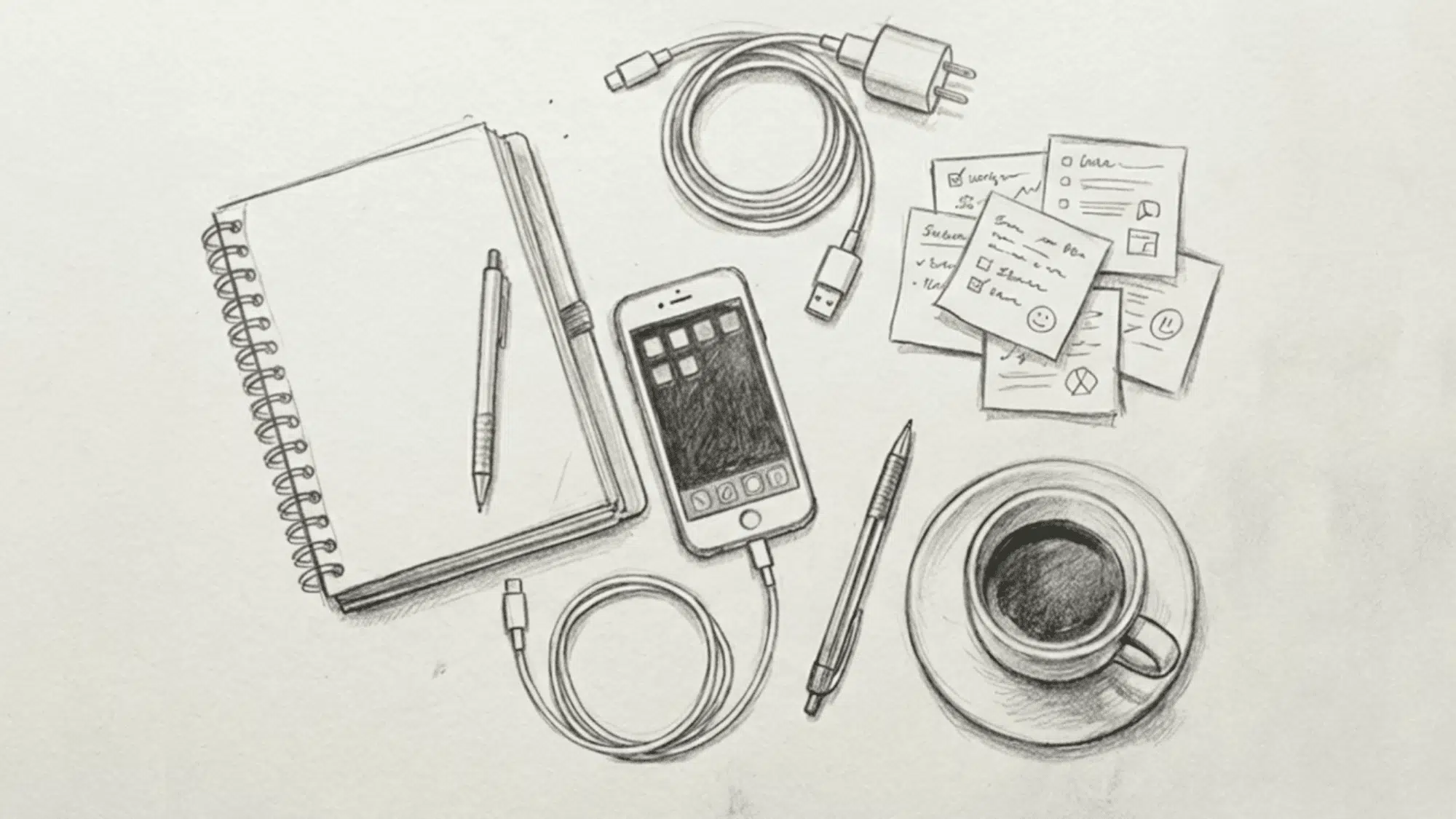
Look at your desk exactly as it is right now. Draw the notebook, pen, phone, charger, sticky notes, cup, or anything else sitting there.
Do not clean it up first. The mix of objects makes the sketch feel more natural. Notice where items overlap, where shadows fall, and which object catches your eye first.
2. Draw One Shoe in Detail
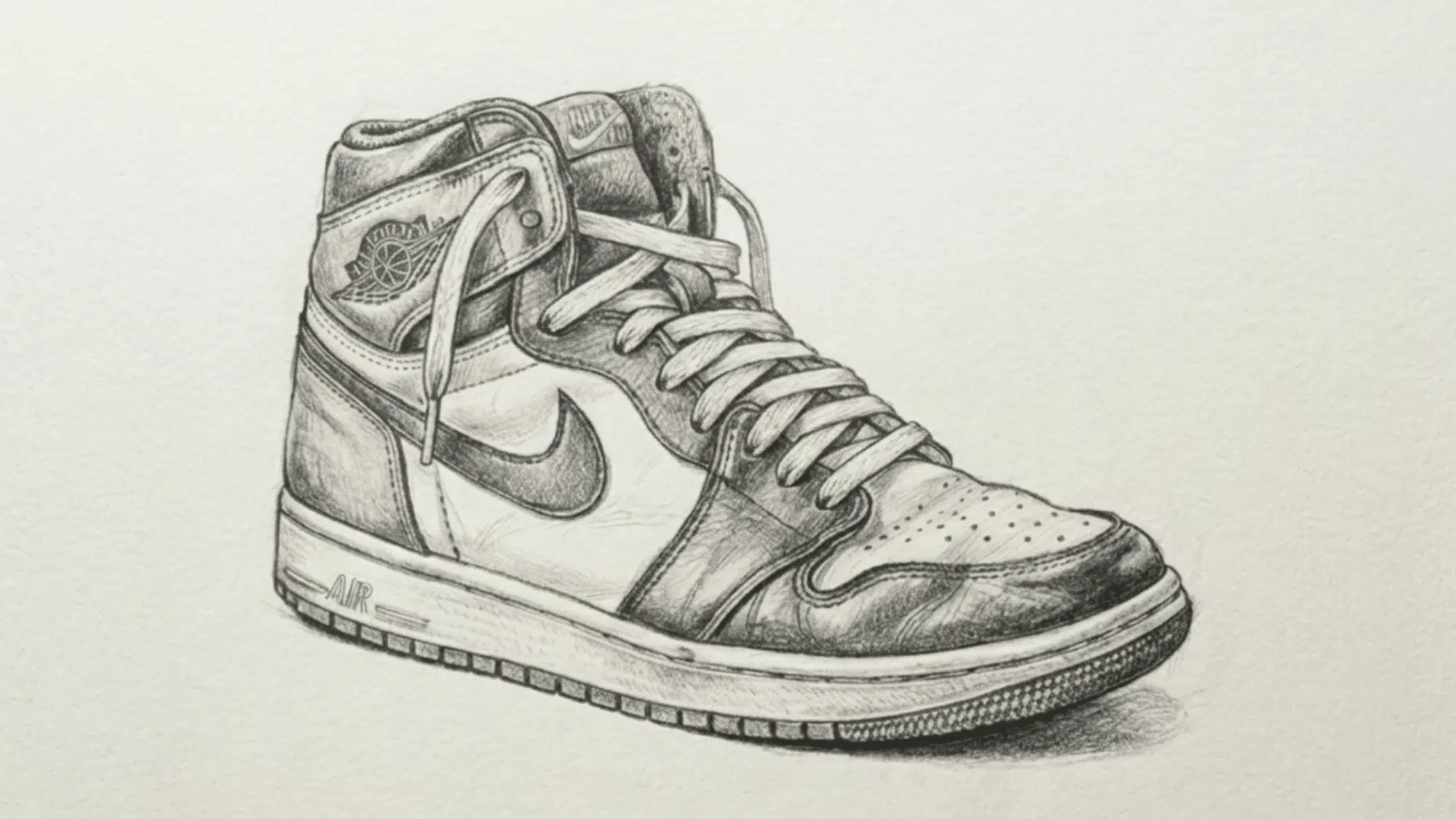
Choose one shoe and place it in front of you. Start with the large shape, then add the laces, sole, folds, stitching, and creases near the toe. Shoes are great for practicing texture and form.
Try shading the darkest areas under the sole, inside the shoe, and around the folds.
3. Sketch Your Favorite Snack
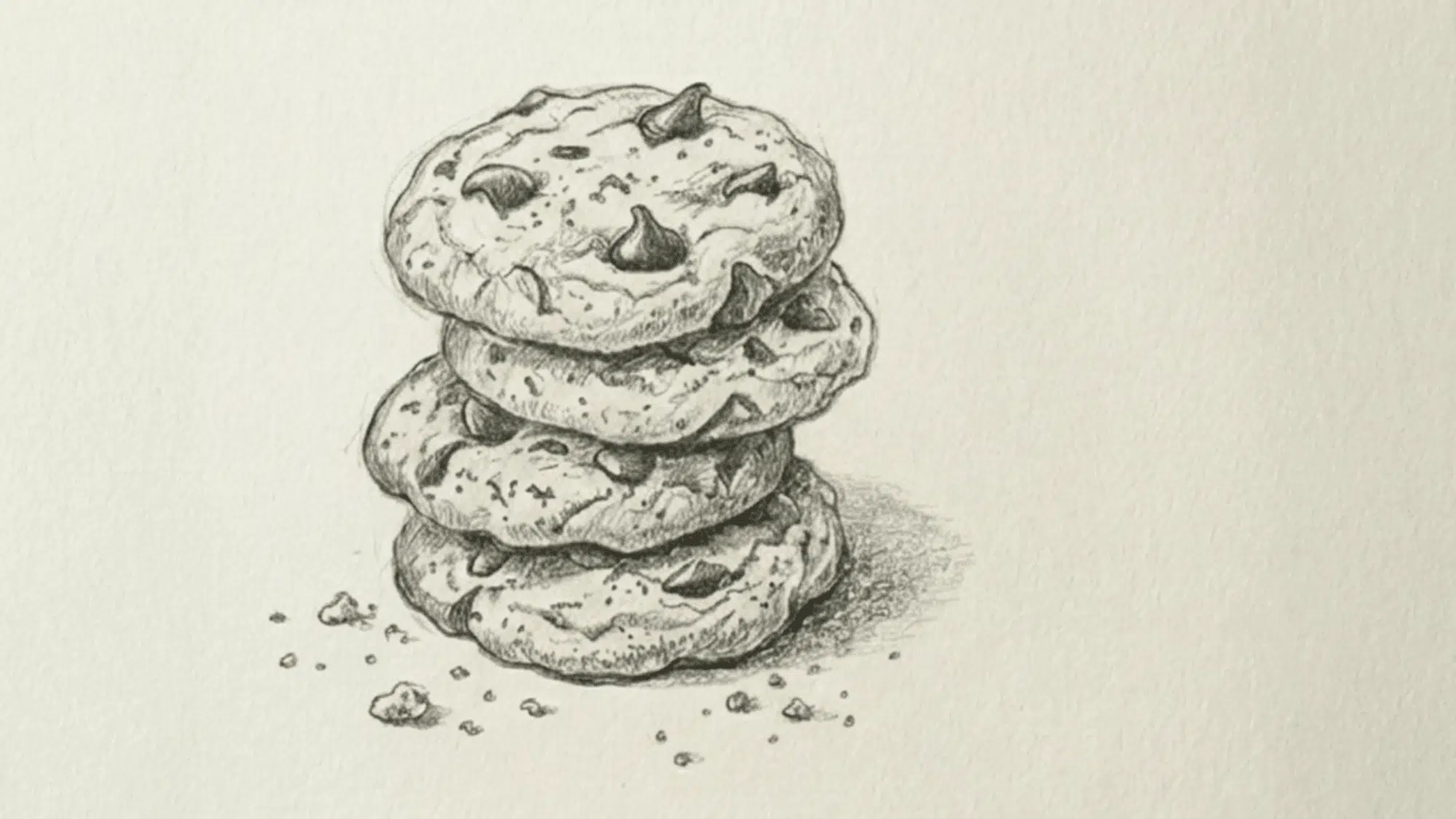
Pick a snack you enjoy, such as chips, noodles, cookies, fruit, or a sandwich. Draw the shape, wrapper, crumbs, or bite marks. These small details make the sketch feel more personal.
You can also add the plate, packet, or table surface to make the drawing feel complete.
4. Draw a Plant Leaf Close Up
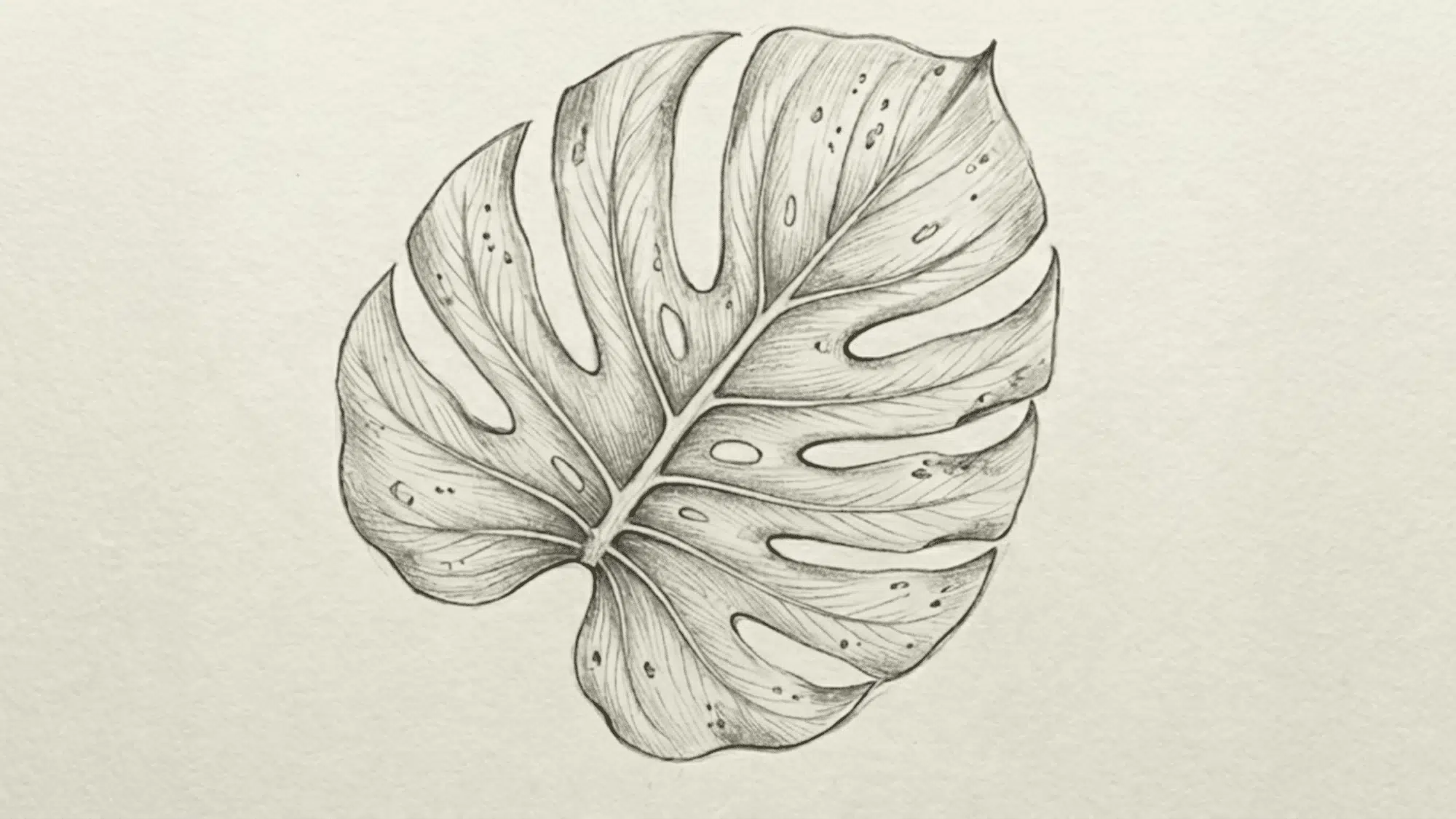
Choose one leaf instead of drawing the full plant. Look closely at the veins, torn edges, spots, curves, and tiny marks. Draw what you see, not what you think a leaf should look like.
This is a simple way to practice detail, line control, and patience.
5. Sketch Your Pet Sleeping
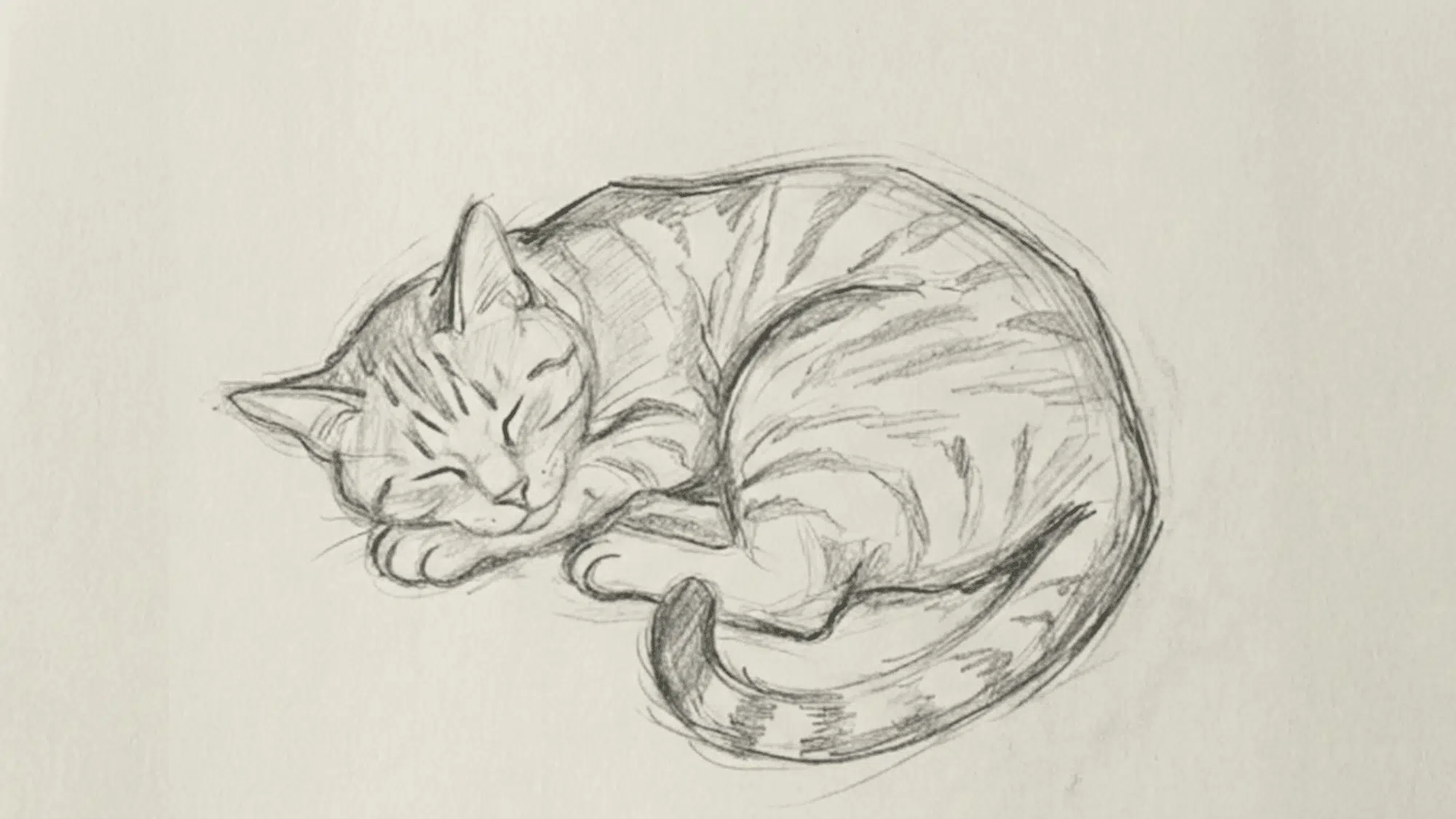
If you have a pet, draw it while it rests. Use quick, loose lines because pets can move at any moment. Focus on the curled body, paws, ears, tail, or relaxed face.
If your pet changes position, start a new small sketch instead of fixing the old one.
6. Draw a Window View
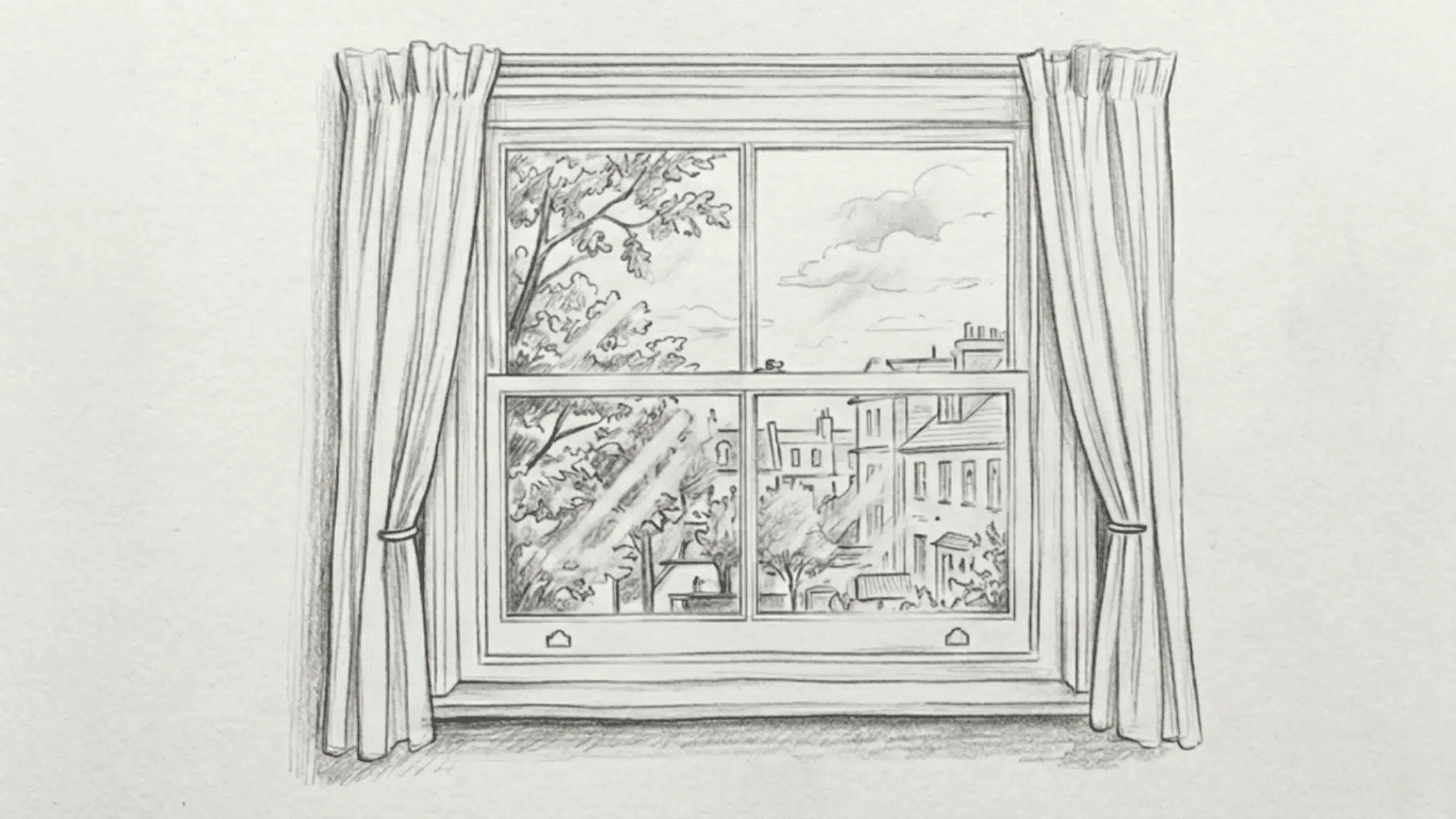
Sit near a window and sketch the view in front of you. Include the window frame, curtains, reflections, buildings, trees, sky, or whatever you can see outside.
The frame gives your drawing a natural border, which makes the scene easier to plan.
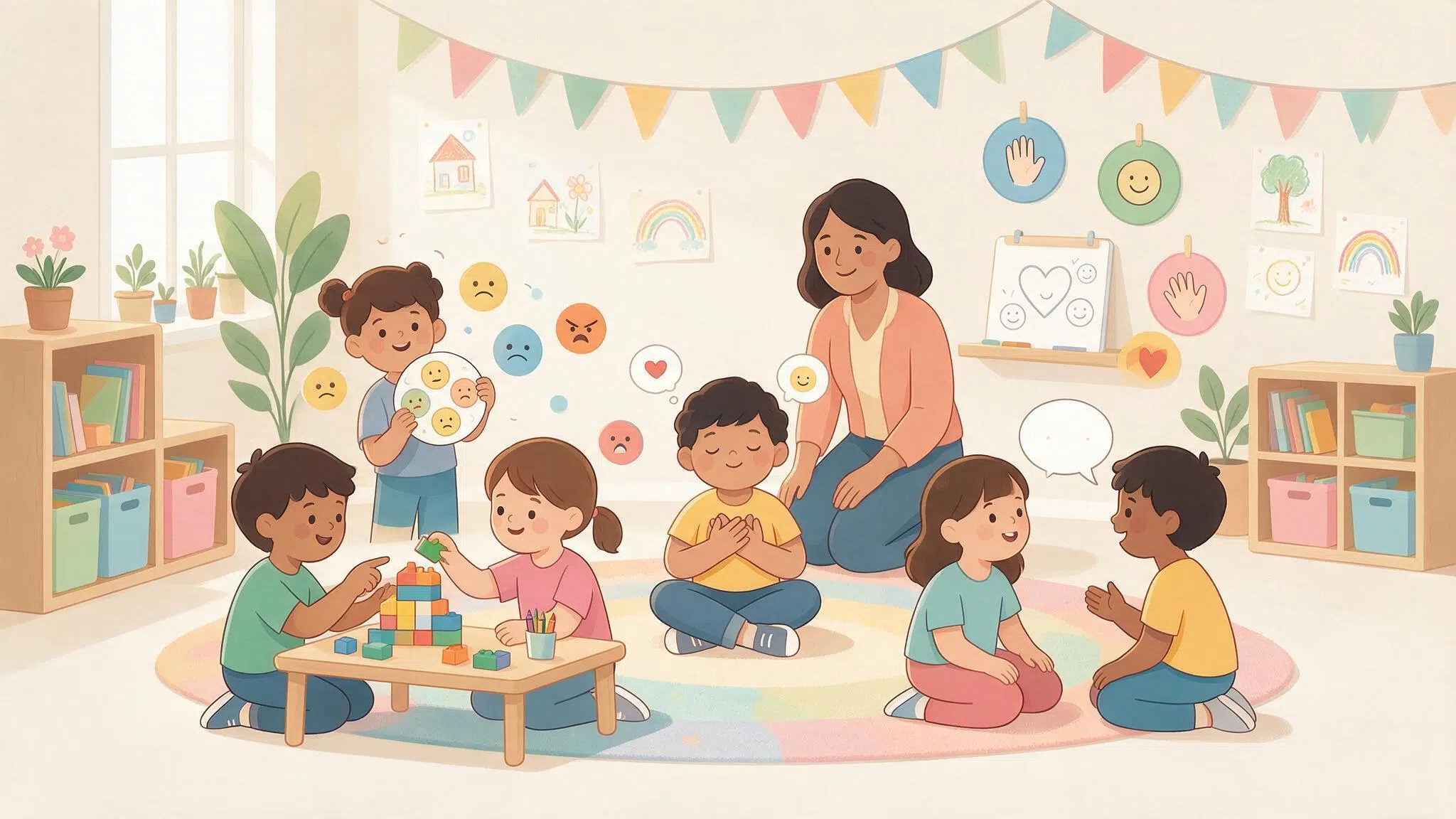
7. Create Five Facial Expressions
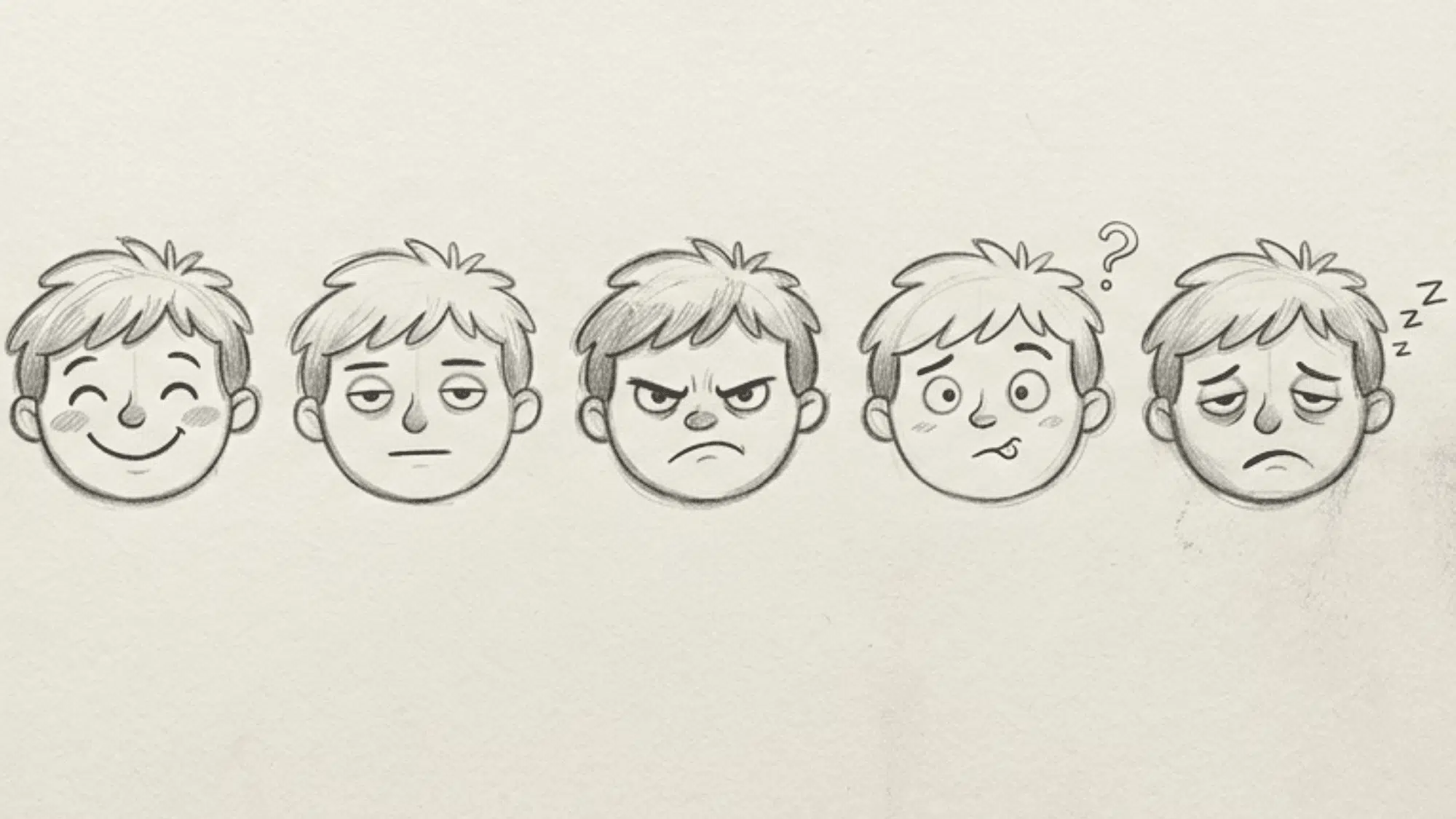
Draw the same face five times. Make one happy, bored, angry, confused, and tired. Keep the face shape the same, then change the eyebrows, eyes, and mouth.
This helps you understand how small changes can show emotion.
8. Sketch a Messy Backpack
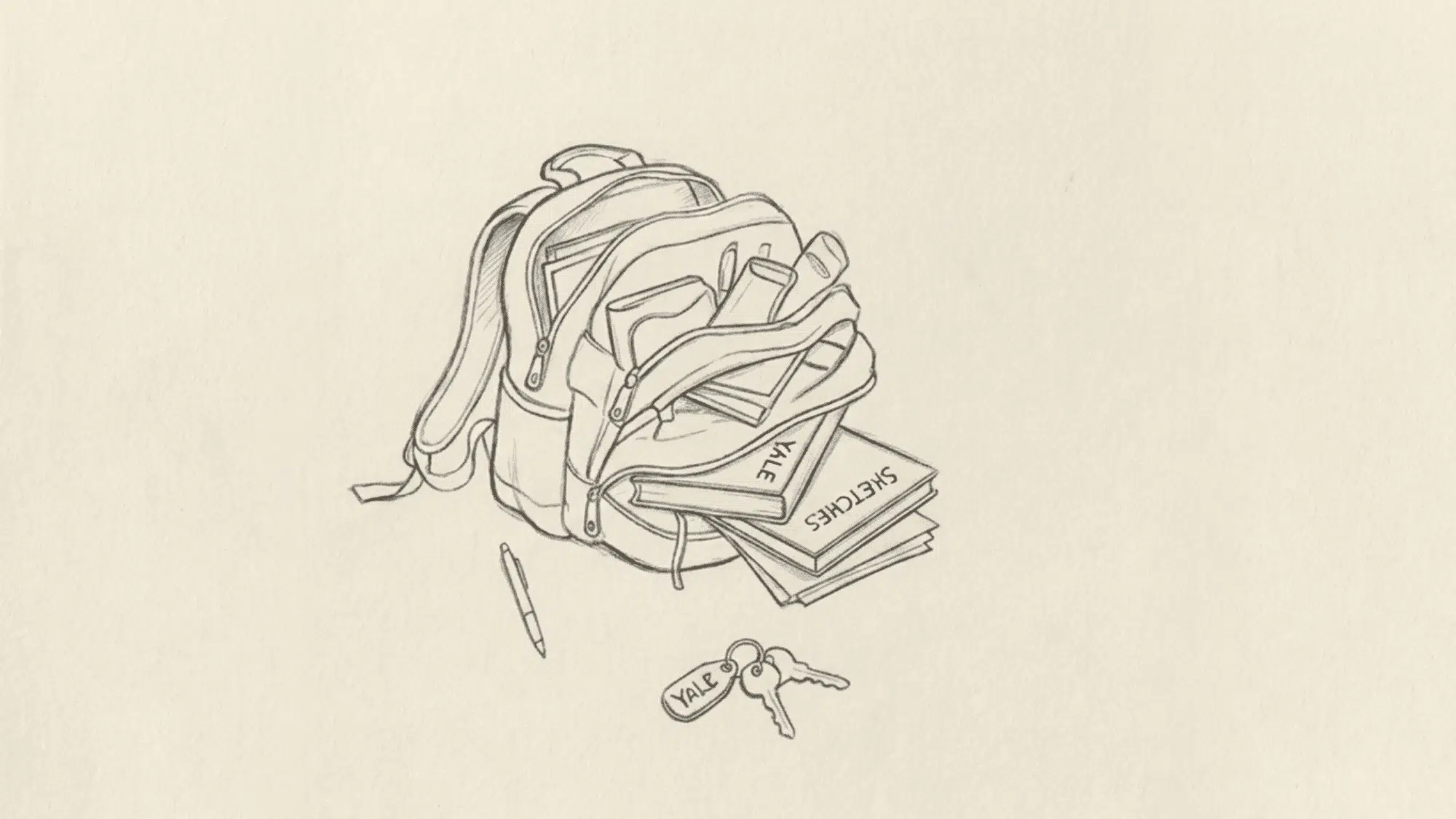
Open your backpack and draw it without arranging anything. Show zippers, straps, pockets, books, loose papers, keys, or anything spilling out. The mess gives the sketch more life.
This is a good way to practice layers, folds, and objects partly hiding behind each other.
9. Draw Your Hand Holding Something
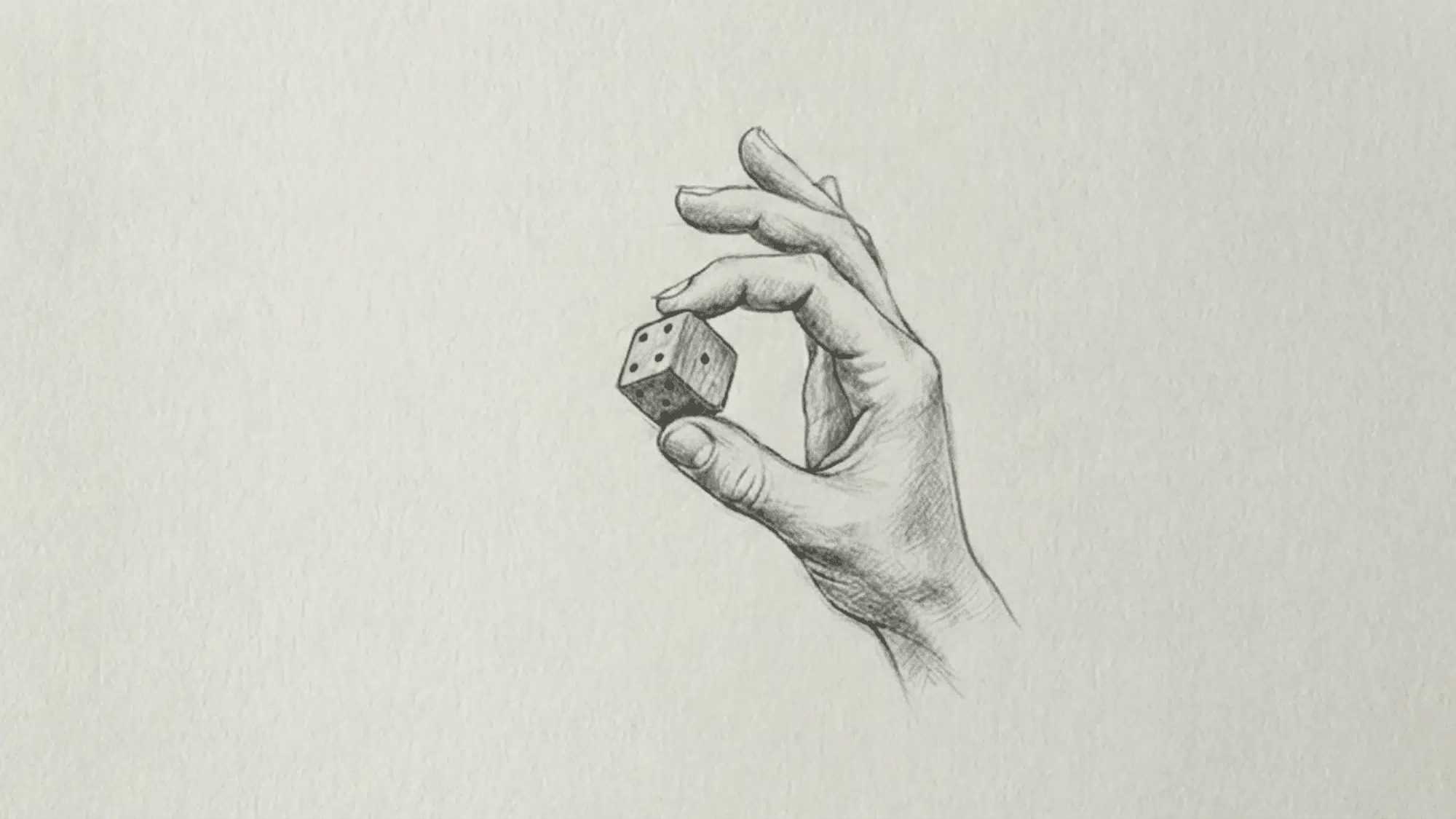
Hold a pencil, mug, key, flower, or phone and draw your own hand. Start with the big shapes: palm, fingers, thumb, and the object being held. Then add nails, knuckles, wrinkles, and shadows.
Drawing from a real pose makes hands easier than drawing them from memory.
10. Sketch Street Lights at Night
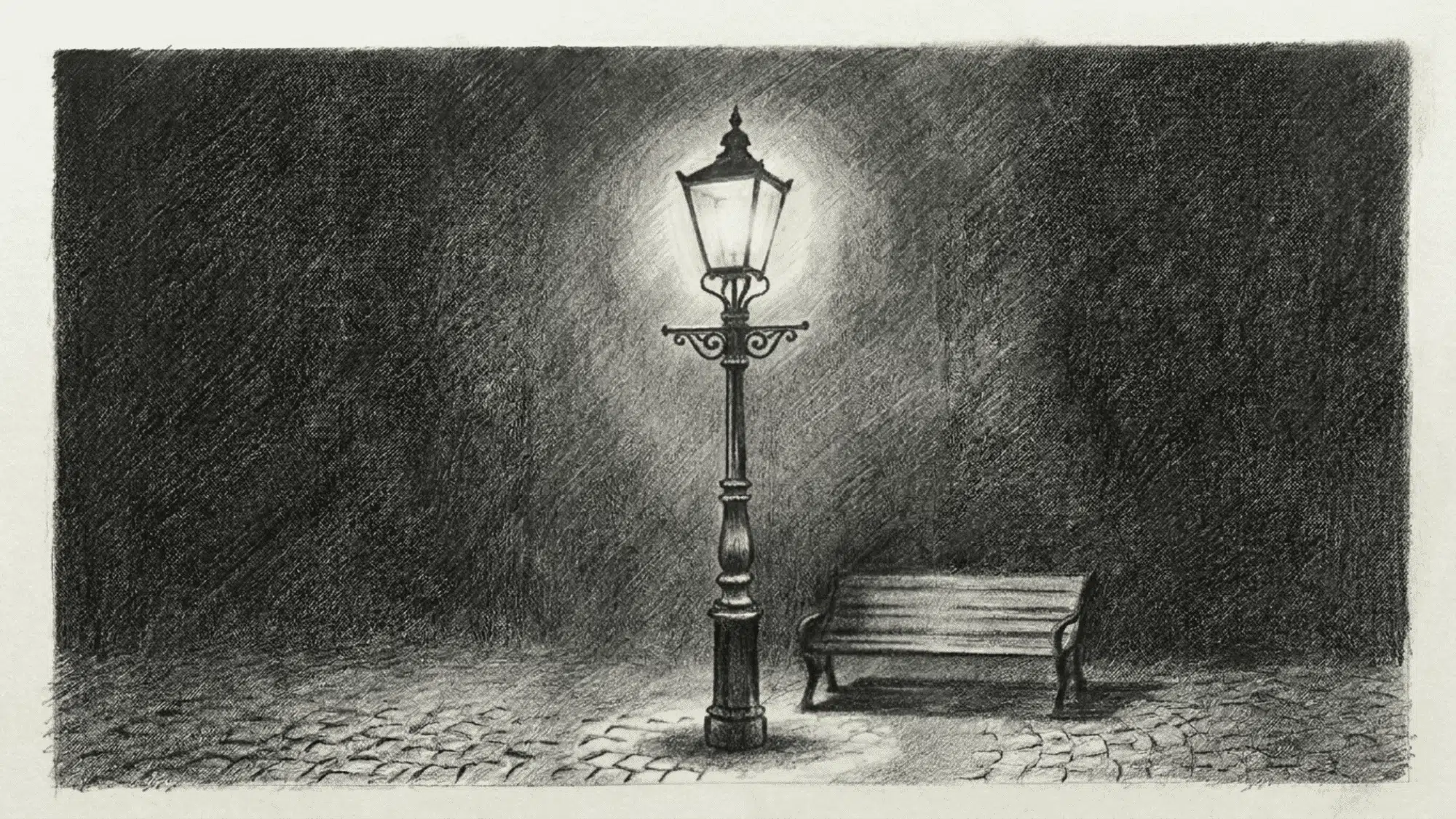
Look at a street light, lamp, or glowing window after dark. Focus on the light, the glow around it, and the nearby dark space. Use softer lines close to the light and darker marks farther away.
This is a useful exercise for learning contrast and mood.
11. Draw One Object in Three Styles
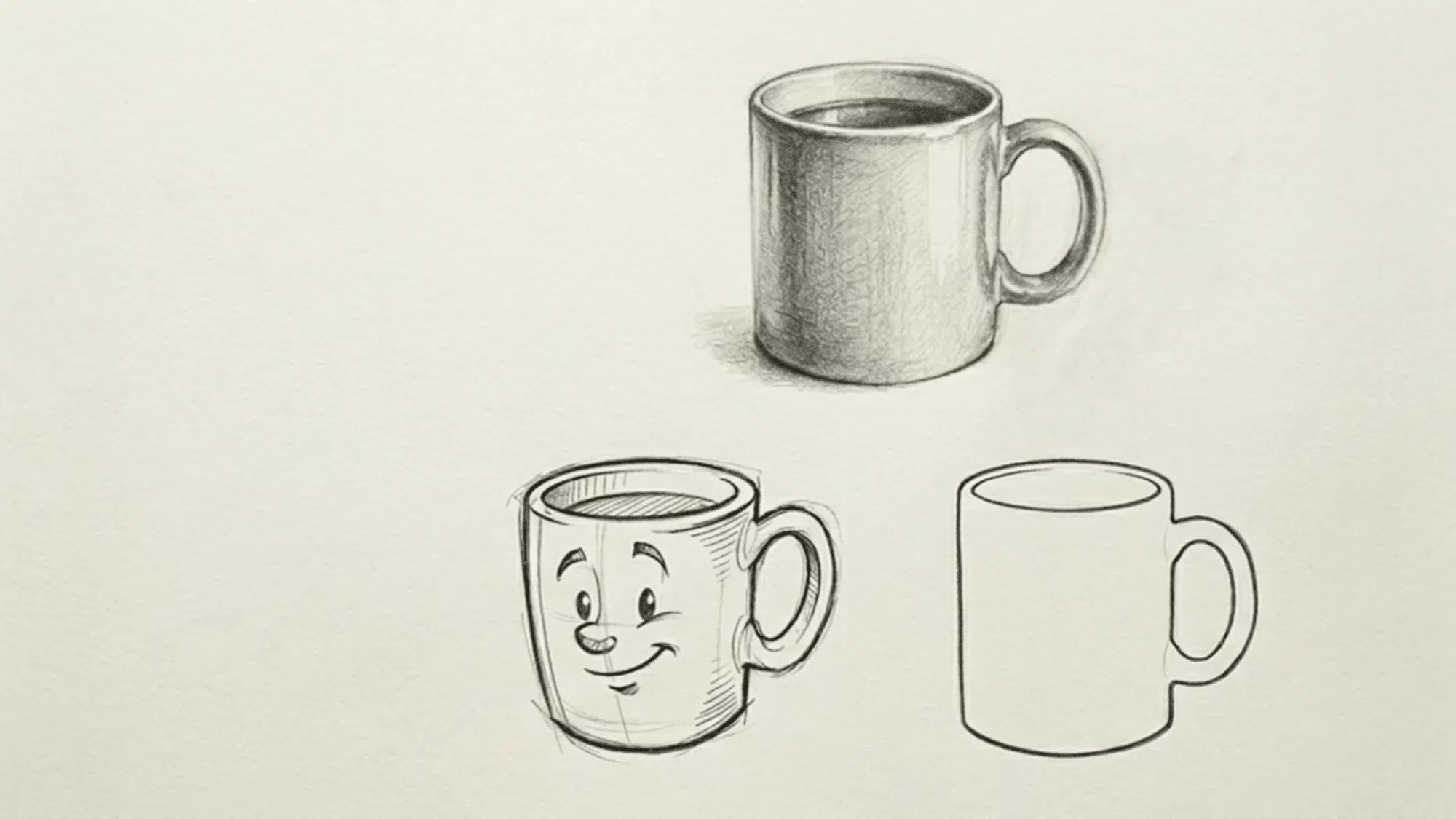
Pick one simple object, such as a cup, chair, apple, or shoe. Draw it three ways: realistic, cartoon, and simple line art. The subject stays the same, but each version will feel different.
This can help you notice which style feels most natural to you.
12. Create a Tiny Room Design
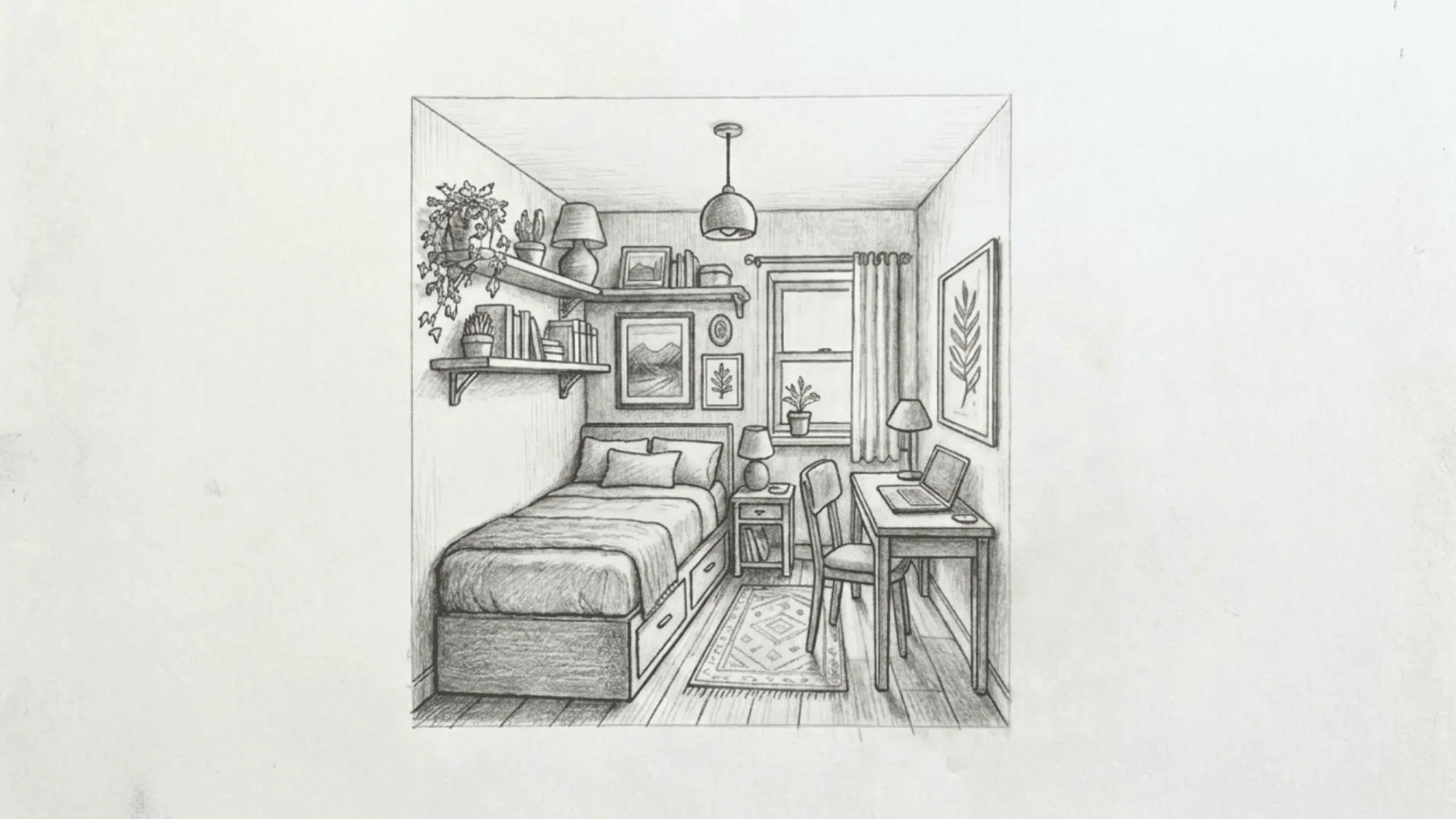
Draw a small room from your imagination or from your own space. It could be a bedroom, a reading corner, a study desk, or an art area. Add rugs, shelves, posters, books, lamps, and small personal items.
Little details make the room feel lived in.
13. Sketch a Character From a Random Shape
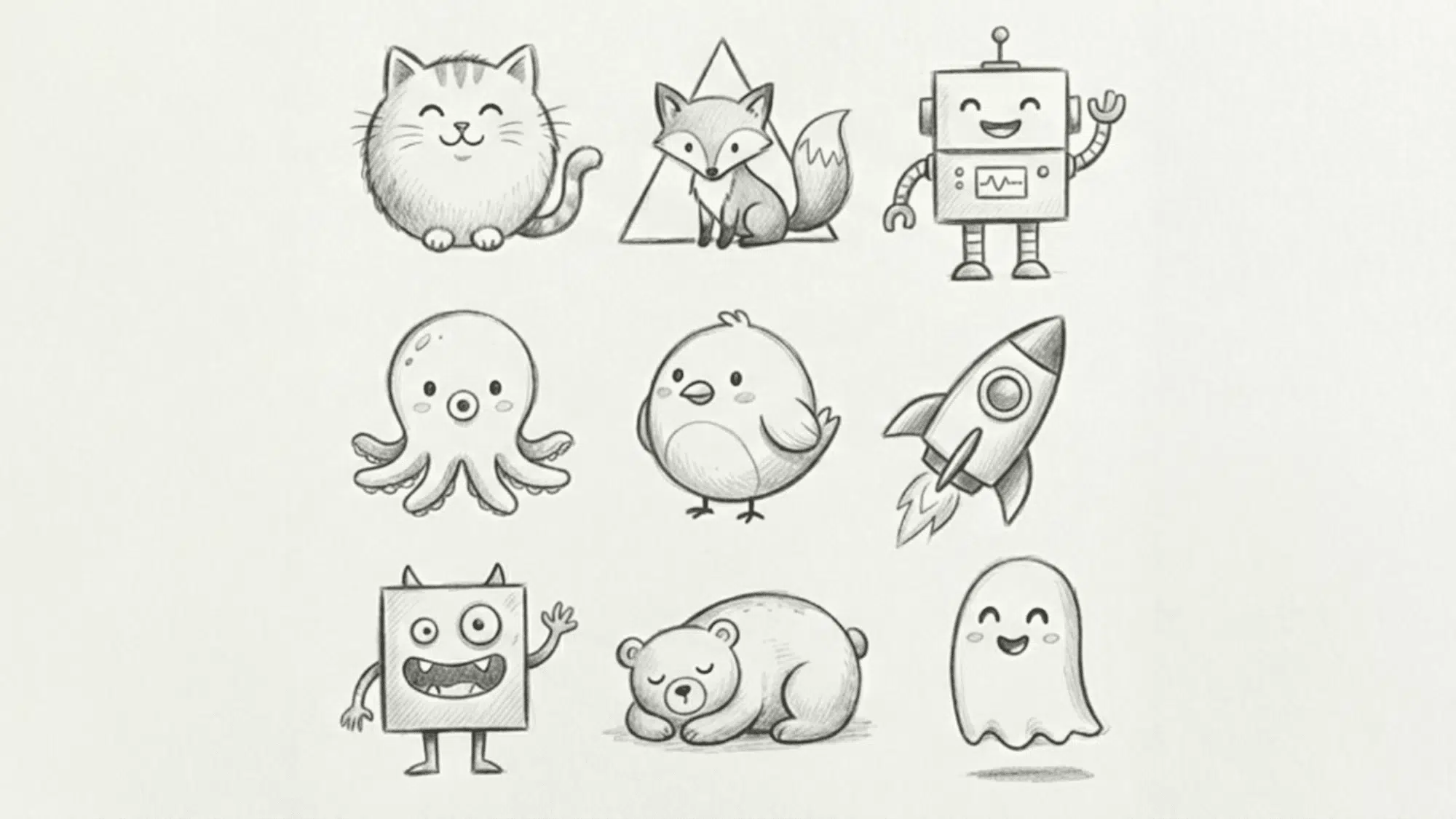
Draw a circle, triangle, square, or blob. Turn that shape into a character, animal, creature, or funny face. Let the shape lead the idea instead of planning everything first.
This is a great warm-up when you feel stuck.
14. Draw Water in a Glass
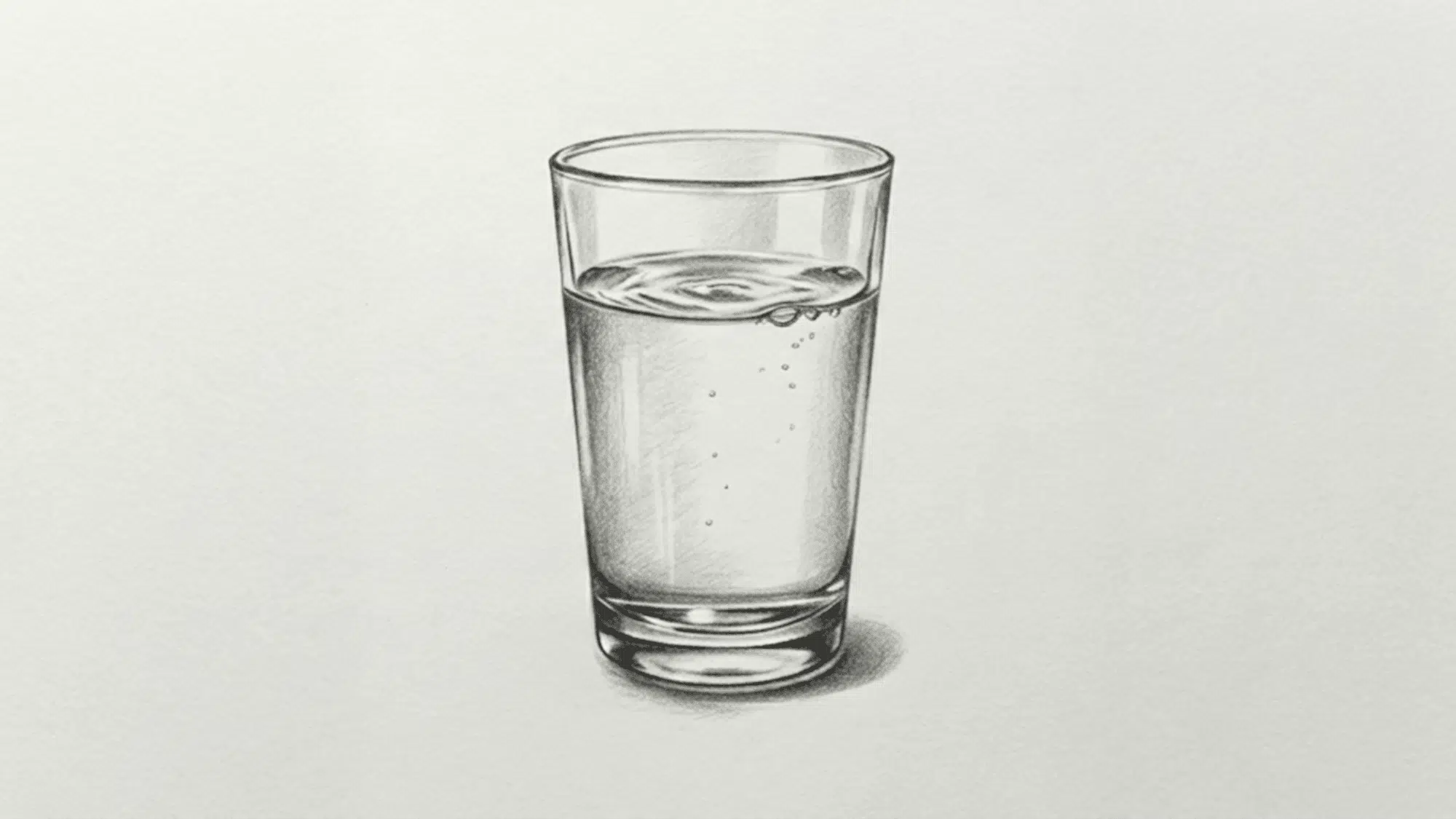
Place a glass of Water near a light source. Draw the rim, waterline, reflections, bubbles, and the shadow underneath. Keep your early lines light because reflections can be tricky.
A glass of Water looks simple, but it teaches a lot about light and clear surfaces.
15. Sketch Clothes on a Chair
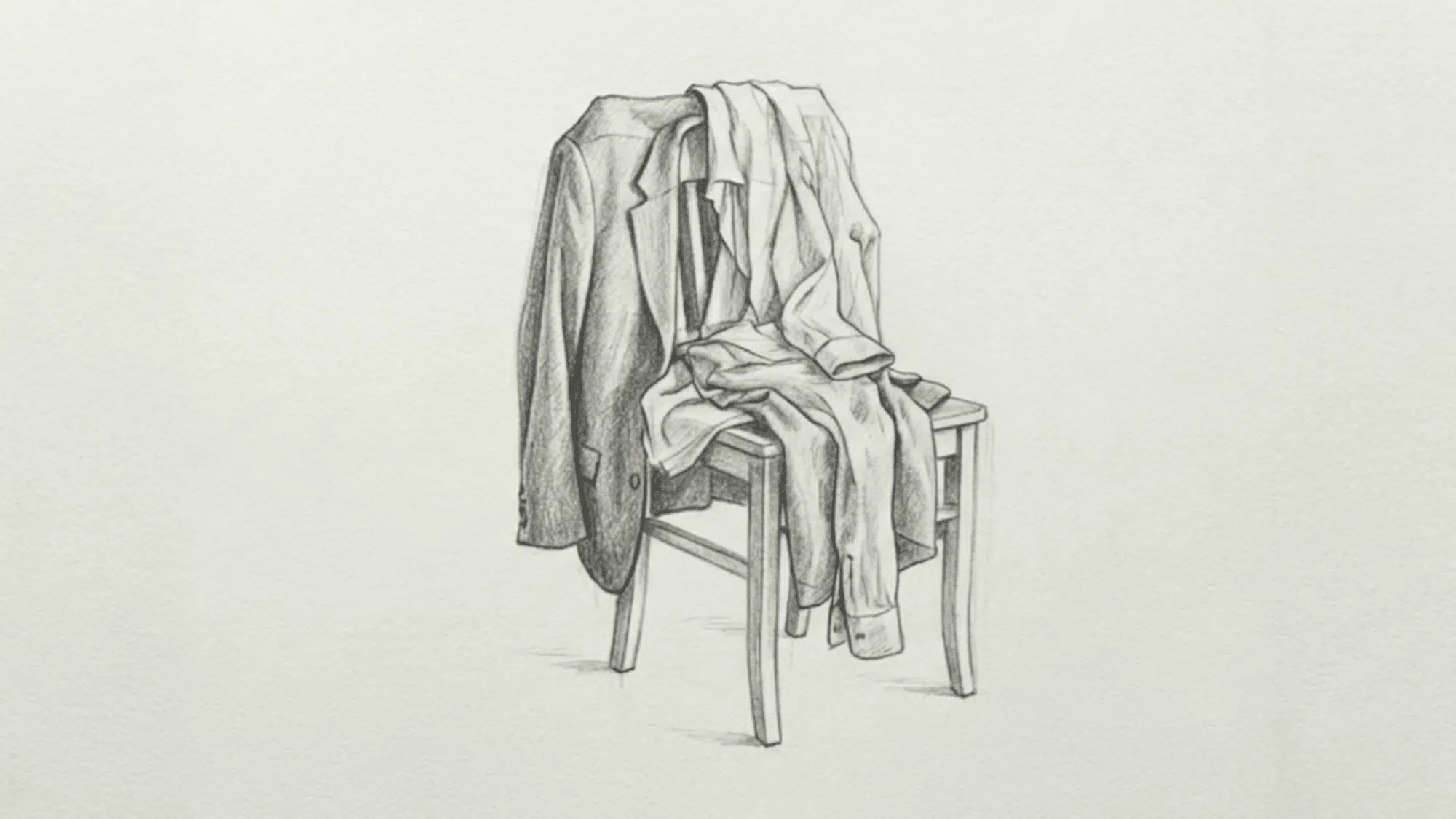
Drop a jacket, shirt, scarf, or hoodie over a chair. Draw the folds, sleeves, wrinkles, and hanging fabric. Notice where the cloth bends over the chair and where it falls freely.
This helps you practice soft shapes and natural lines.
16. Create a Three-Panel Story
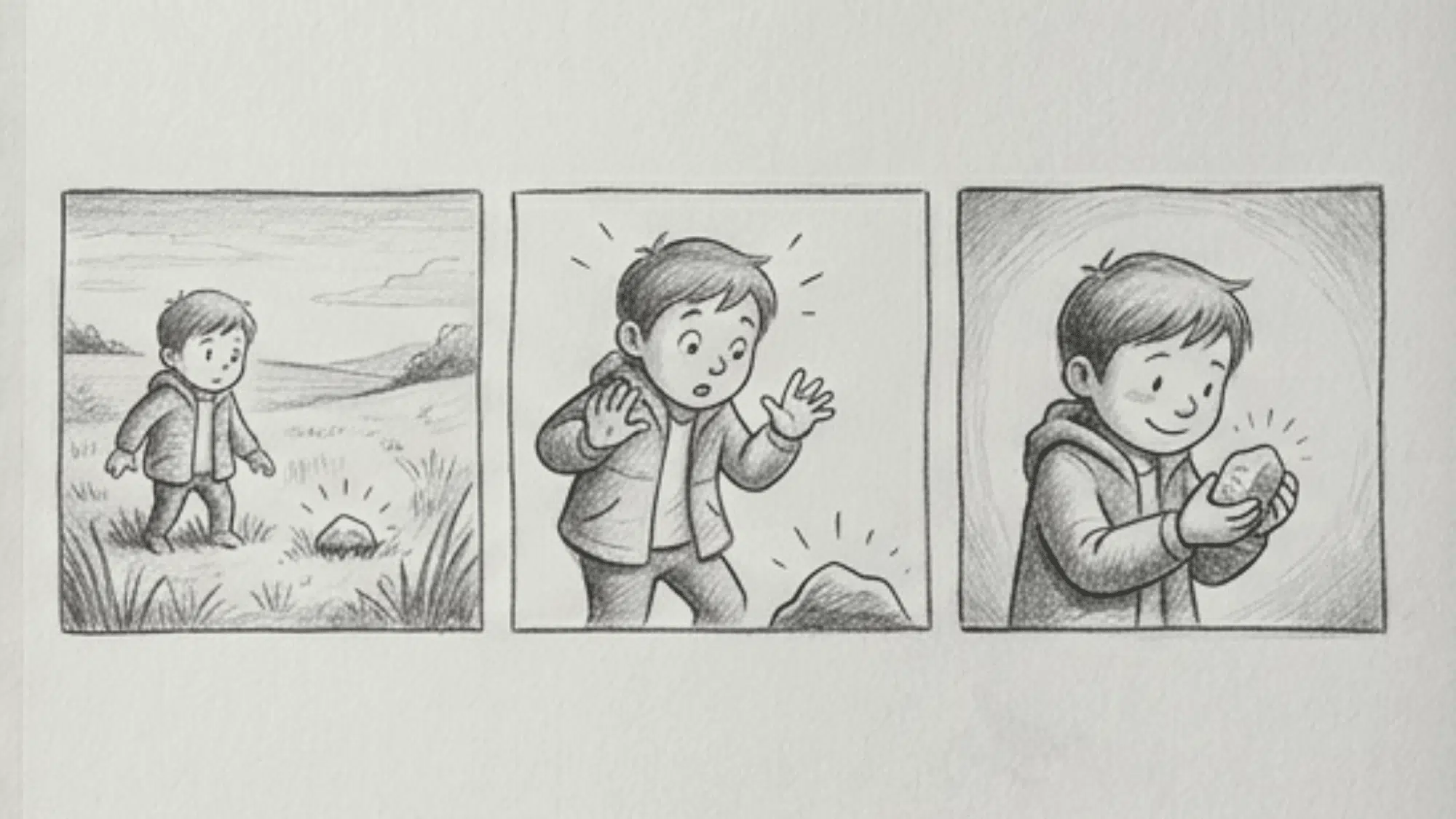
Draw three small boxes. In the first panel, show a character finding something. In the second, show their reaction. In the third, show what happens next.
Keep the story simple, funny, or surprising. You only need a beginning, middle, and end.
17. Mix Two Objects Into One Idea
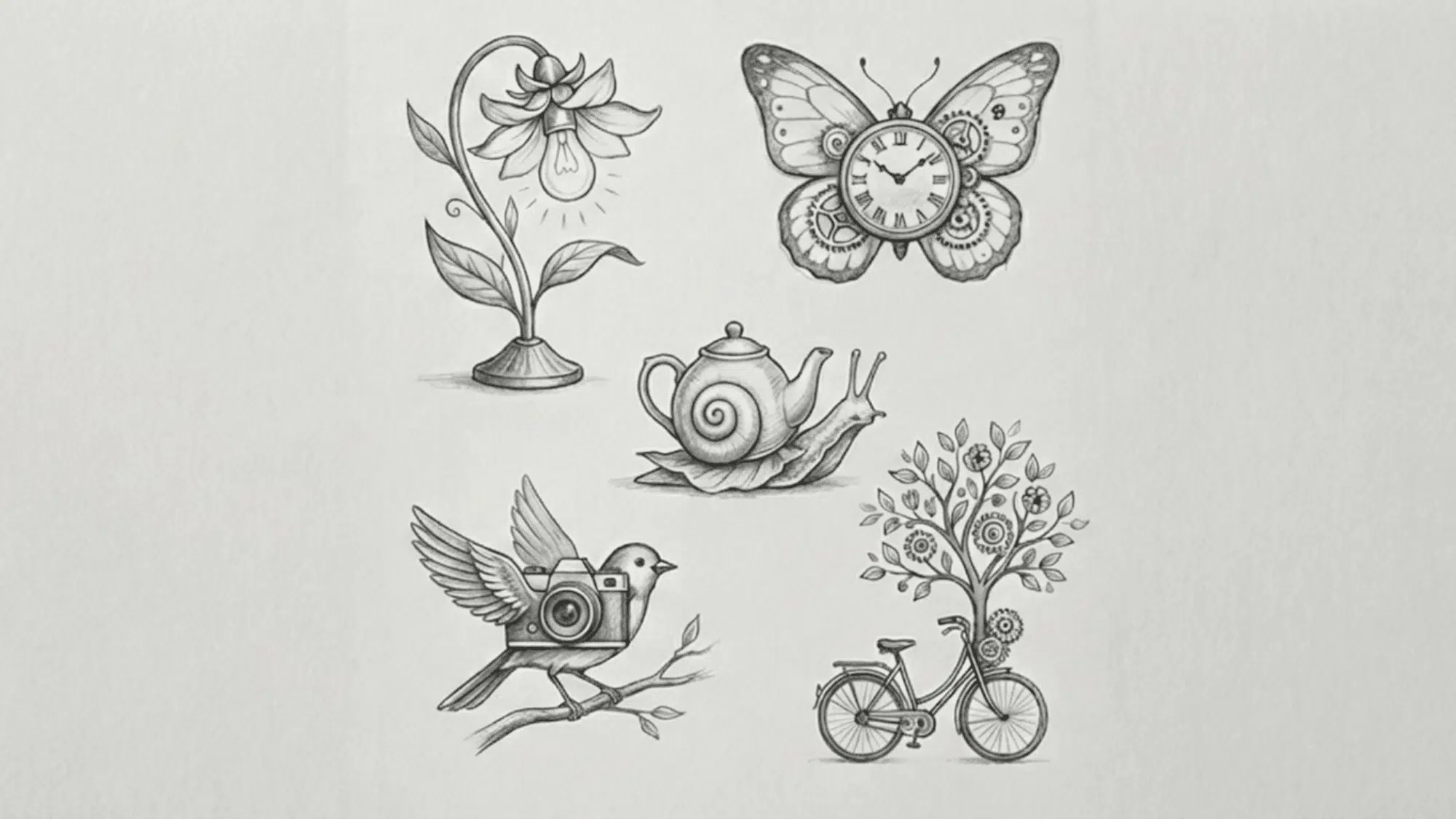
Choose two unrelated things and combine them. Try a lamp-flower, cat-cloud, book-house, clock-butterfly, or fish-shoe. The stranger the mix, the more original the sketch can feel. This is a fun way to create sketch inspo when realistic subjects feel boring.
Tips to Improve Your Sketches
Small changes can make your sketches look cleaner and more confident. Use these tips to shape your subject, add detail, and make each drawing feel stronger.
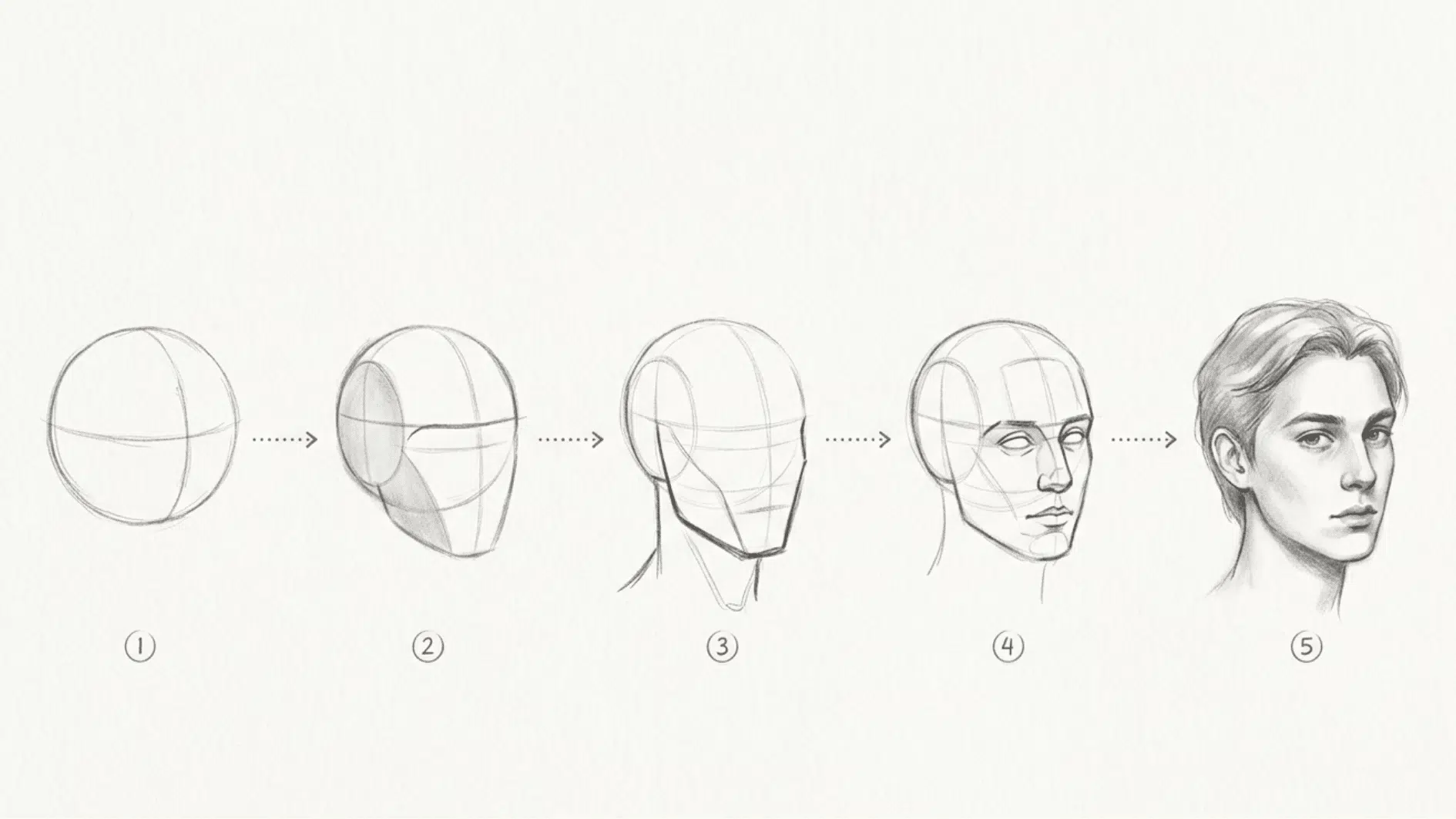
- Start with basic shapes: Break the subject into circles, squares, and triangles before adding details.
- Focus on the overall shape first: get the size and proportions right before adding textures or shading.
- Look more than you draw: Study your subject carefully so you notice angles, lines, and small details.
- Use light pencil strokes: Sketch lightly at first so you can adjust shapes without messy marks.
- Pay attention to shadows: Notice where the light comes from and shade the darker areas slowly.
To sum it up
Drawing Inspiration rarely arrives as one perfect idea. More often than not, it starts with a coffee cup, a strange shape, a sleeping pet, or the view from where you are sitting.
The more you practice finding subjects in small, ordinary things, the less often you will stare at a blank page wondering what to draw. Every sketch, even a rough one, makes the next one easier.
Pick one idea from this list and sketch something today. Then leave a comment and share which idea you tried first.