Choosing what to draw can feel harder when every artwork looks different.
Some sketches look real, some feel playful, and others rely on lines, dots, shapes, or bold shading. That is where learning drawing styles comes in handy.
This blog breaks down popular styles in a simple way, from line art and cartoons to realism, anime, charcoal, and digital sketching. It also covers what each style means, who it suits, and how to try it in a sketchbook.
What are Drawing Styles?
A drawing style is the way an artist draws. Like handwriting, everyone has their own.
It depends on factors like line thickness (thick or thin), shading (dark or soft), shapes, the tools used (pencil, pen, or computer), and what the artist likes to draw.
That’s why some art looks realistic, while other art looks cute, dark, messy, or cartoon-like. None is better than another, just different. Most artists try many styles before finding their own.
Over time, by mixing favorite elements together, a personal style slowly appears, so experimenting is how that one special style gets discovered.
Drawing Styles to Build Your Sketching Skills
Experimenting with different drawing styles allows you to expand your creativity, strengthen your sketching abilities, and develop a signature artistic approach.
1. Line Drawing
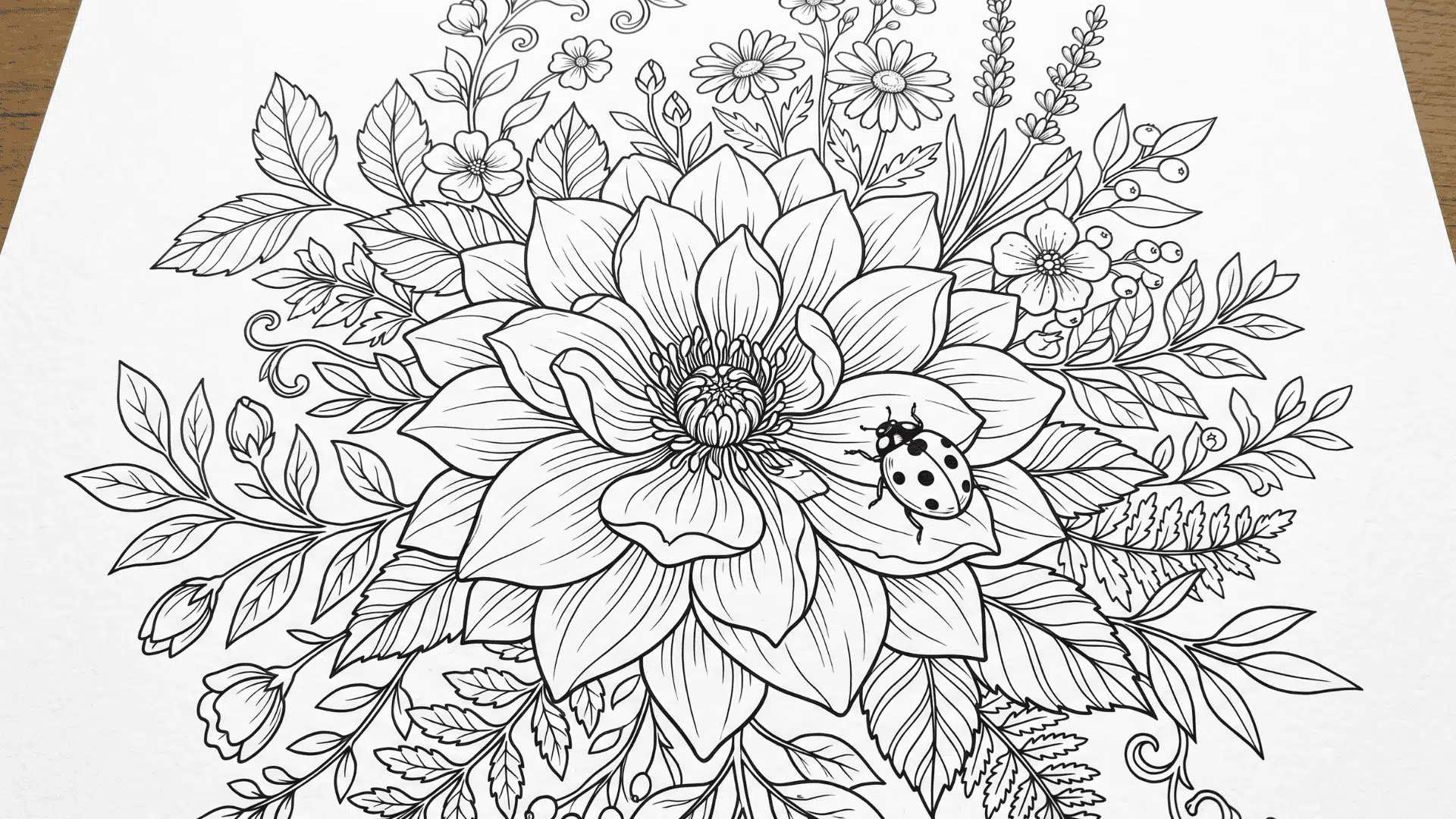
Line drawing uses clean outlines to show a subject without heavy shading or color.
It helps beginners understand shape, proportion, and flow. This style works well for flowers, faces, hands, animals, and simple objects.
Artists can keep it minimal or add detail through varied line thickness, curved strokes, and repeated marks in a sketchbook.
2. Contour Drawing
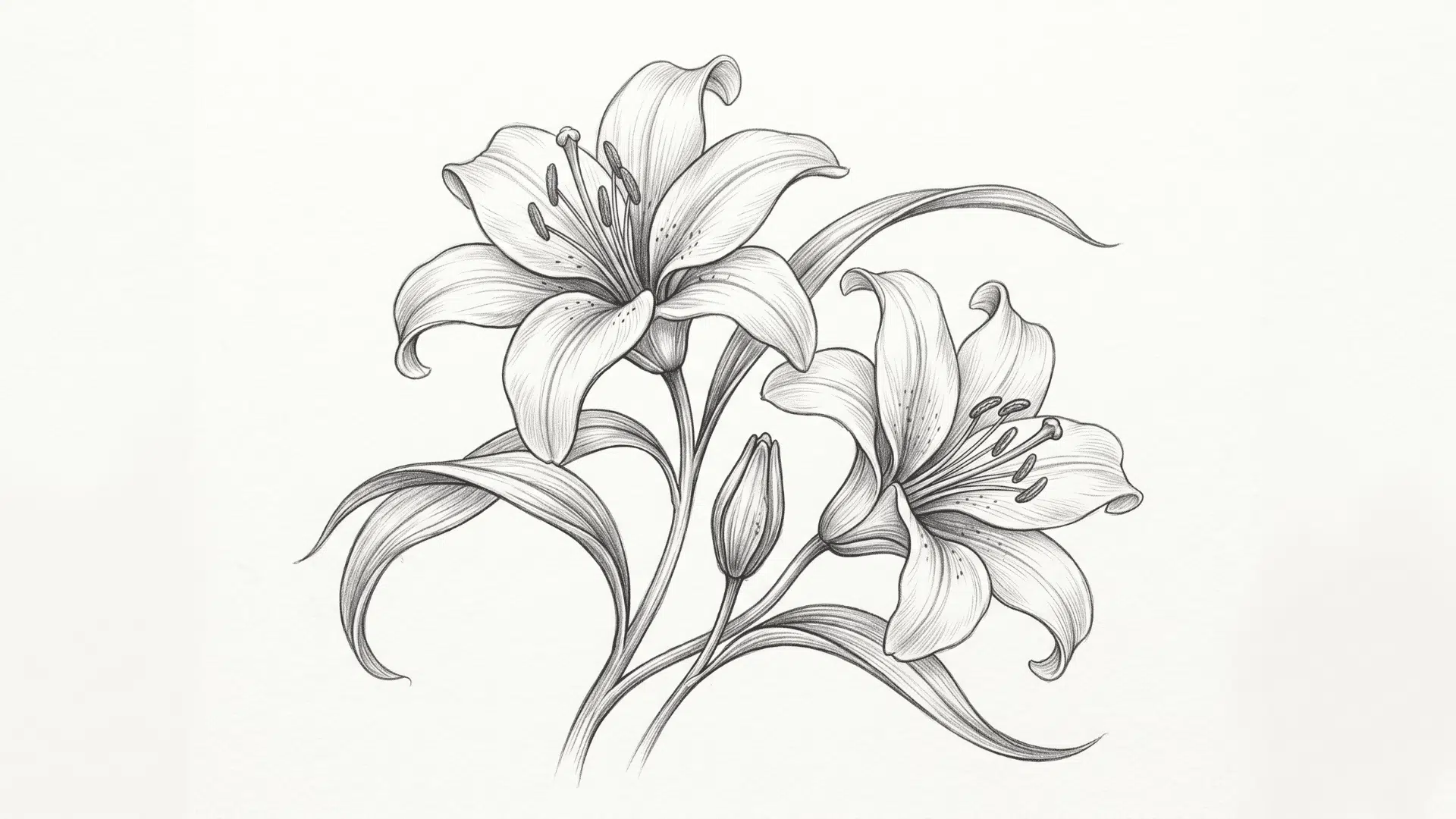
Contour drawing focuses on the outer and inner edges of a subject. Instead of shading, the artist follows visible lines carefully.
This style trains the eye to notice curves, angles, and small changes in shape. It is useful for drawing hands, shoes, faces, plants, cups, and objects placed in front of the artist.
3. Continuous Line Drawing
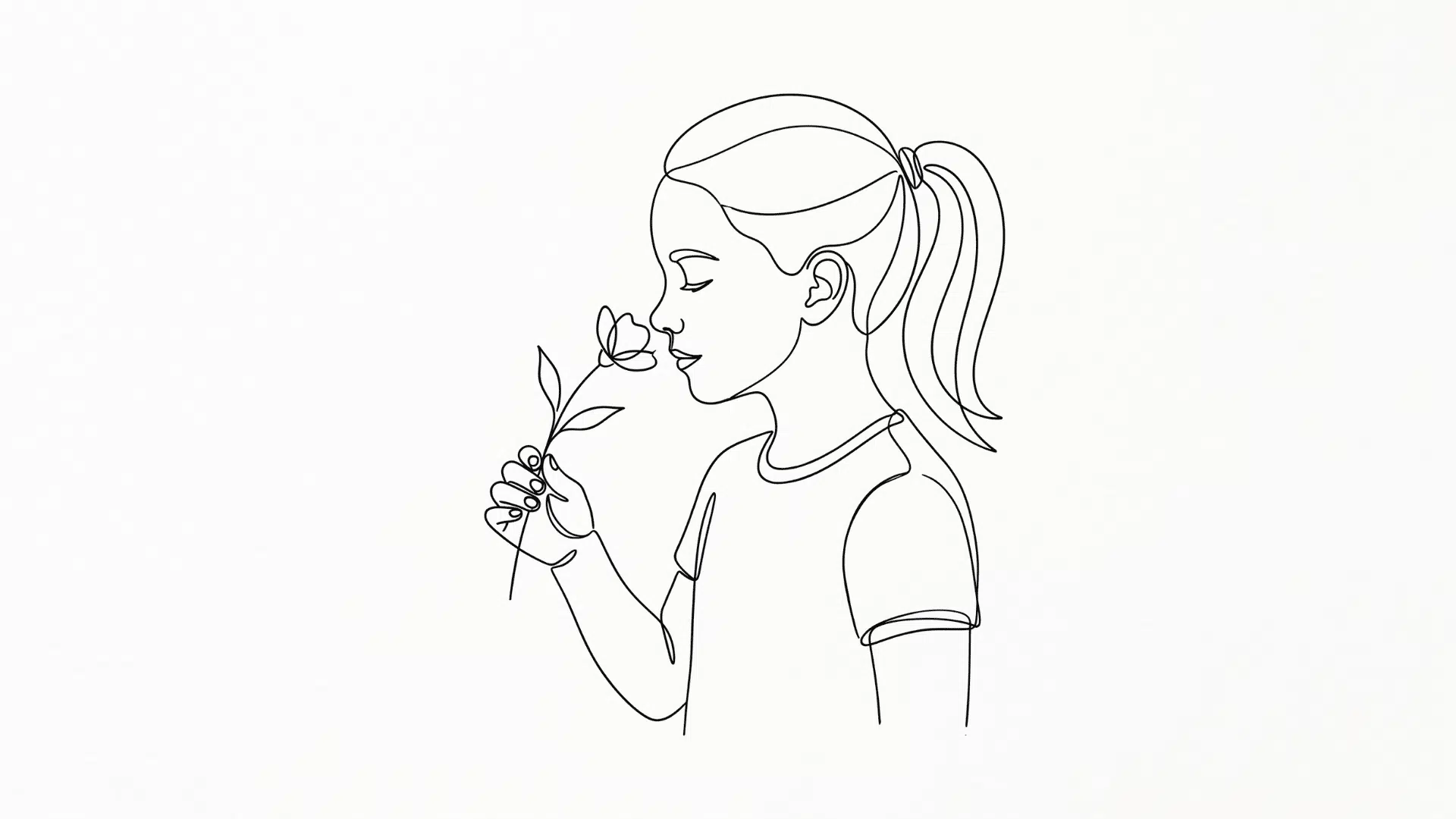
Continuous line drawing is made without lifting the pencil or pen from the paper. The result looks loose, flowing, and natural. This style is useful for faces, flowers, figures, and quick sketchbook work.
It helps beginners stop overthinking and focus on movement, rhythm, and the connections between parts.
4. Gesture Drawing
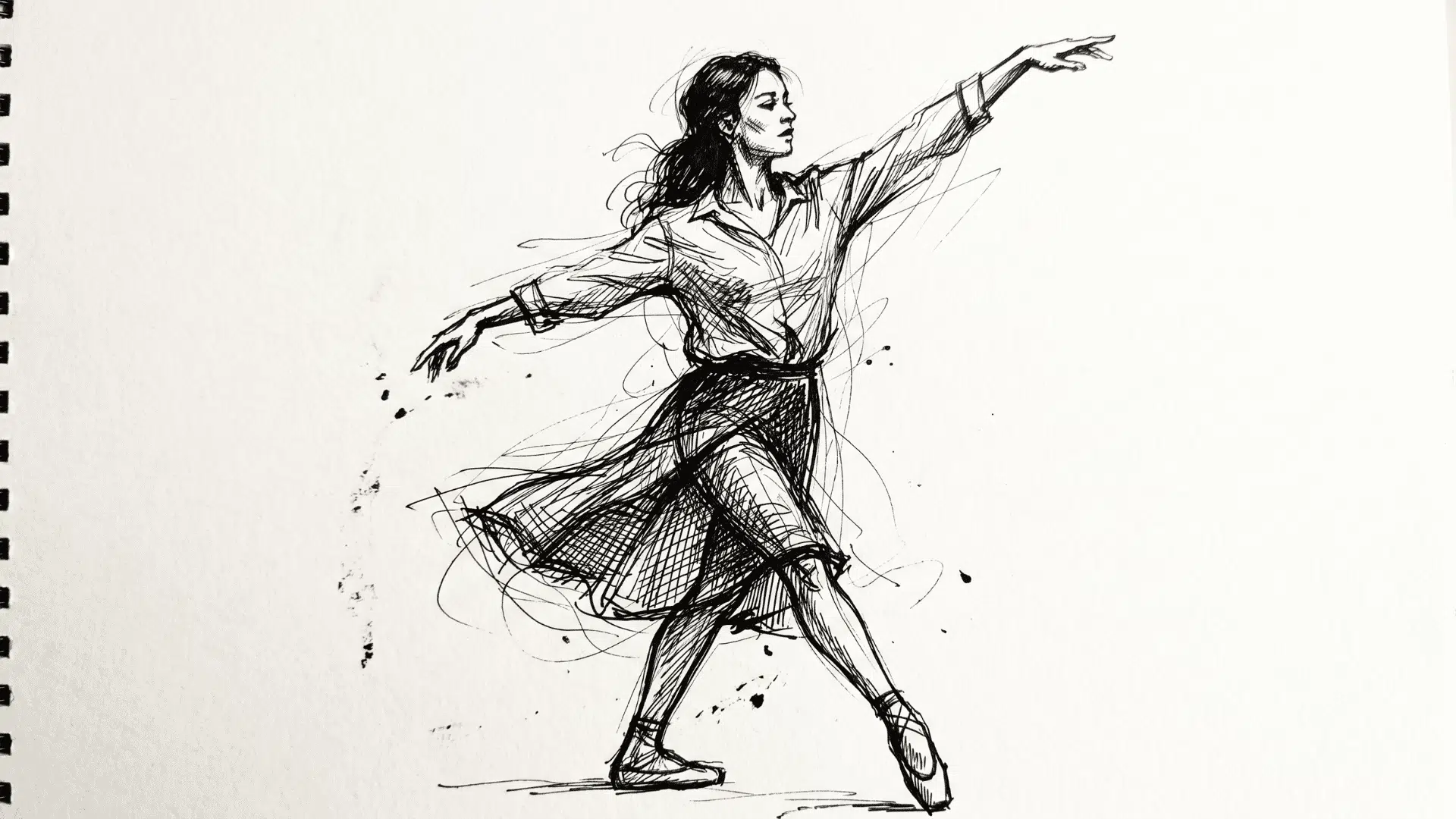
Gesture drawing captures movement, pose, and body action quickly. Artists use it to study how a figure stands, bends, runs, or turns. The focus is not on detail but on energy, balance, and direction.
This style is helpful for figure drawing, animation, character sketches, and learning how bodies move in a natural way
5. Doodle Drawing
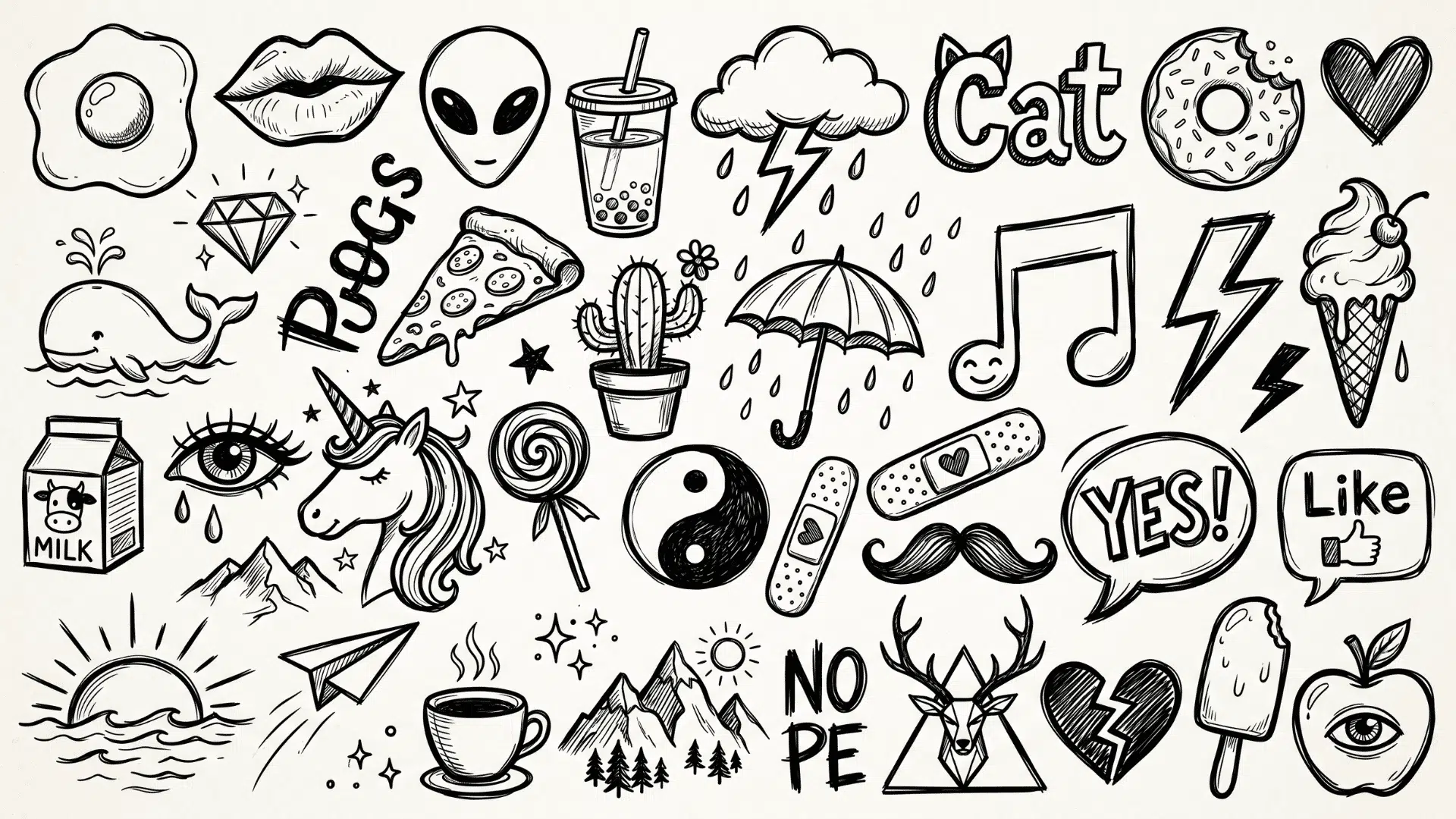
Doodle drawing uses small shapes, patterns, symbols, and simple objects.
It is relaxed and does not need strict planning. This style is good for warm-ups, sketchbook filling, and creative breaks.
Beginners can draw stars, leaves, clouds, faces, cups, arrows, and other shapes without pressure, making it easier to draw more often.
6. Cartoon Drawing
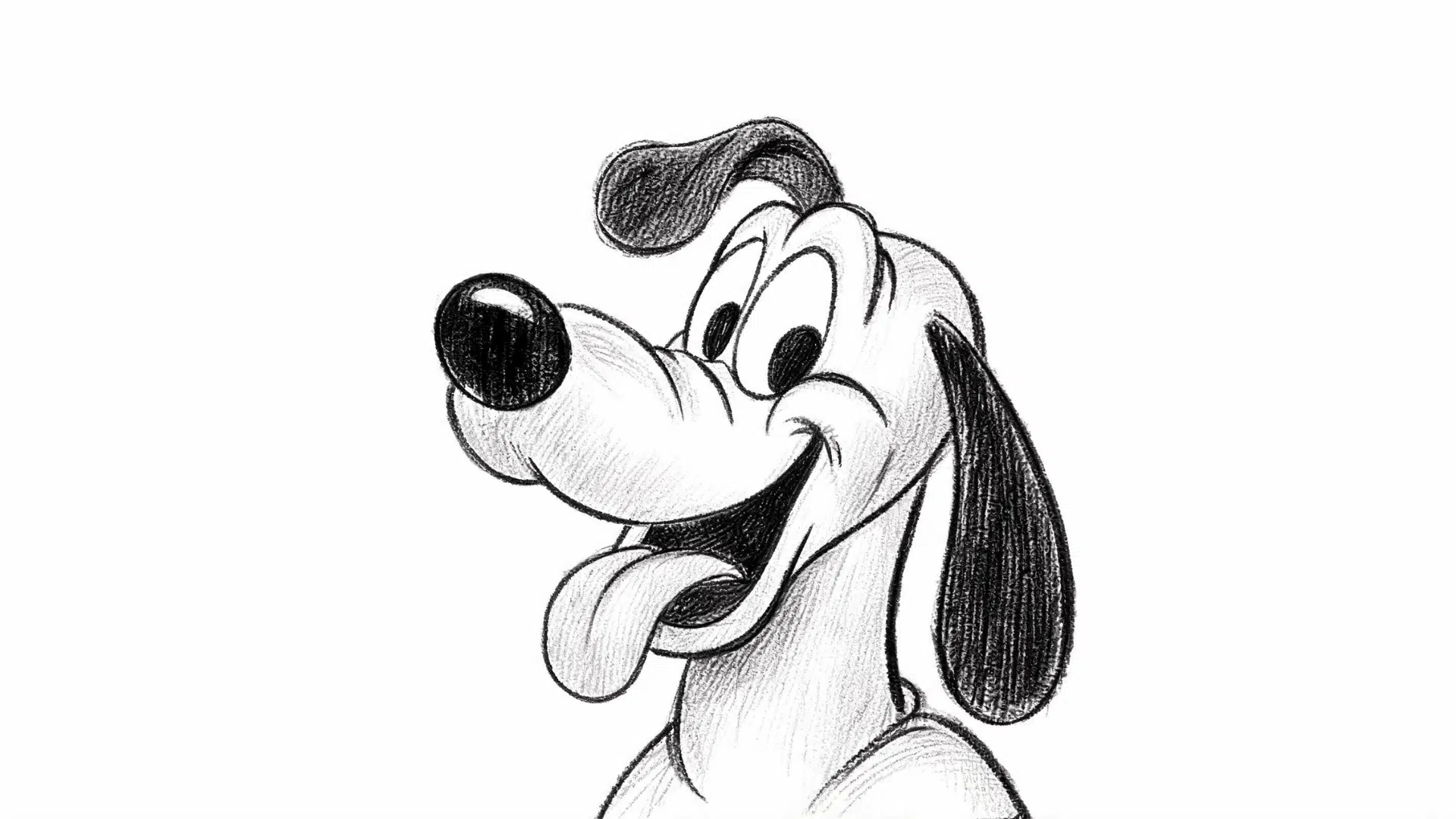
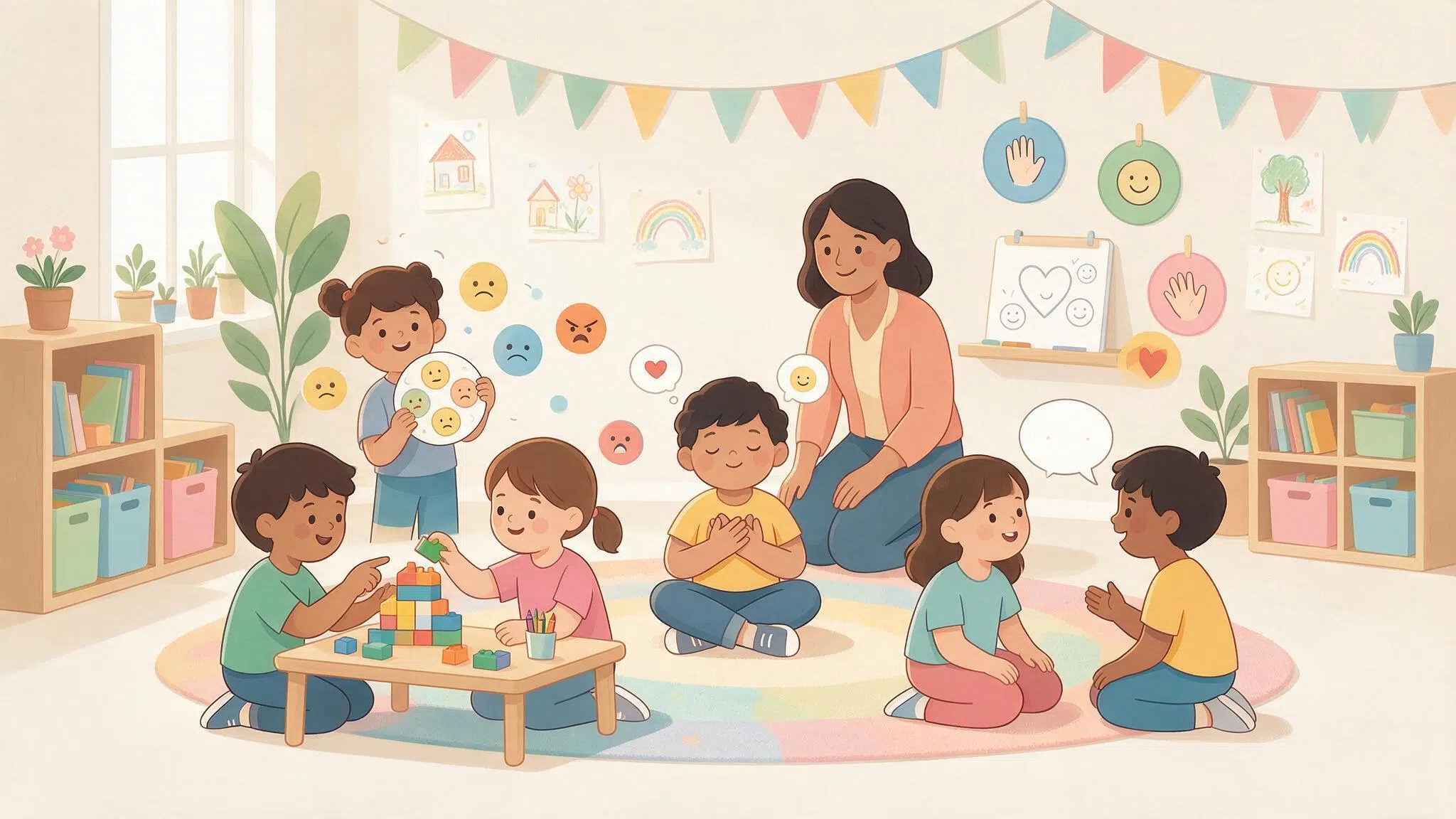
Cartoon drawing uses simple shapes, bold outlines, and clear expressions. It often changes real proportions to make characters look funny, cute, or lively.
This style is common in comics, children’s books, and character sketches. Beginners can start with circles, ovals, and simple bodies before adding faces, clothes, poses, and personality.
7. Anime Drawing
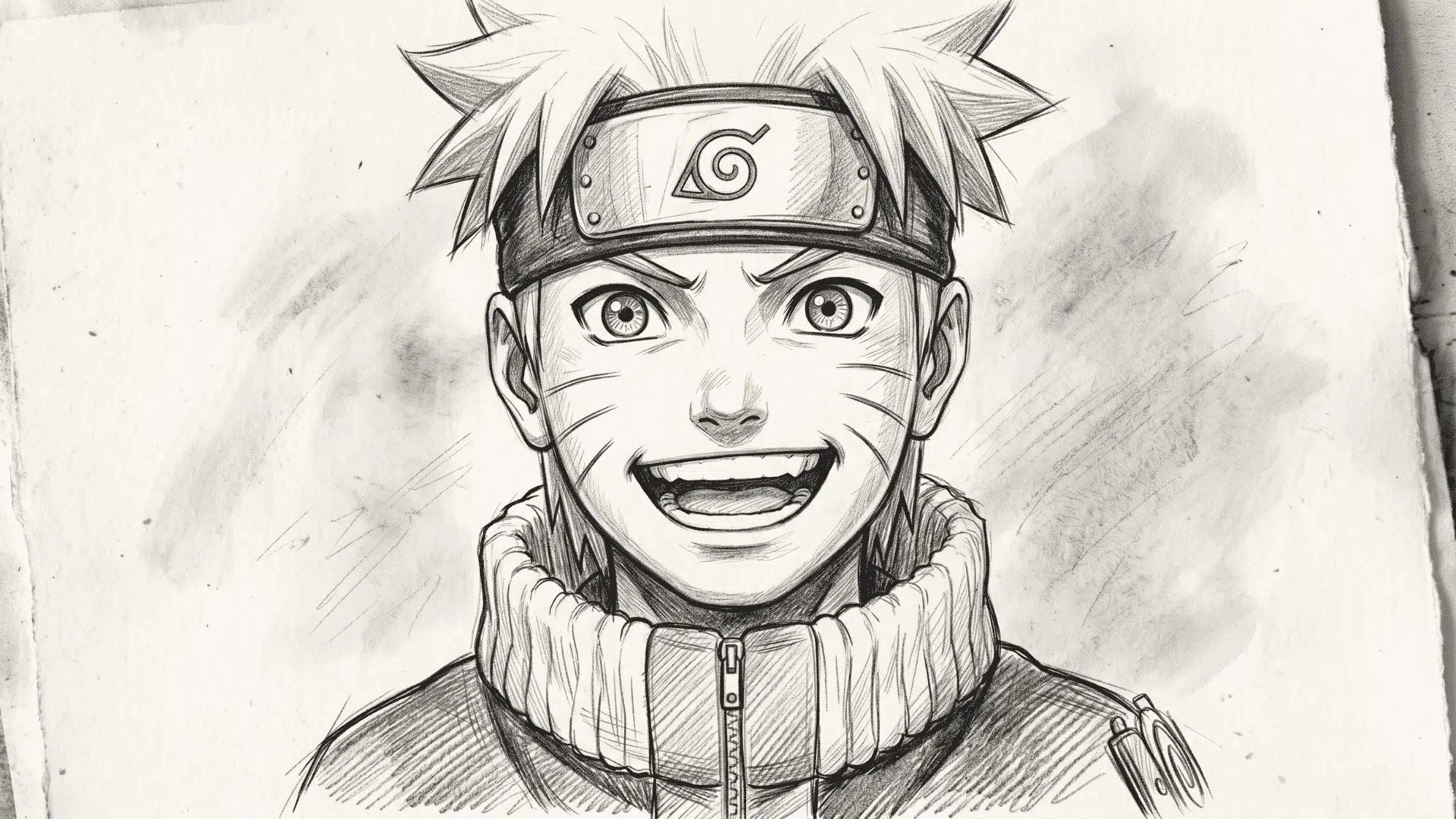
Anime drawing is known for large eyes, sharp hair, small noses, and expressive faces.
It is often used for character art and fan sketches.
This style helps artists practice emotion, hairstyles, outfits, and pose design.
Beginners can start with simple heads and facial expressions before moving to full bodies and action poses.
8. Manga Drawing
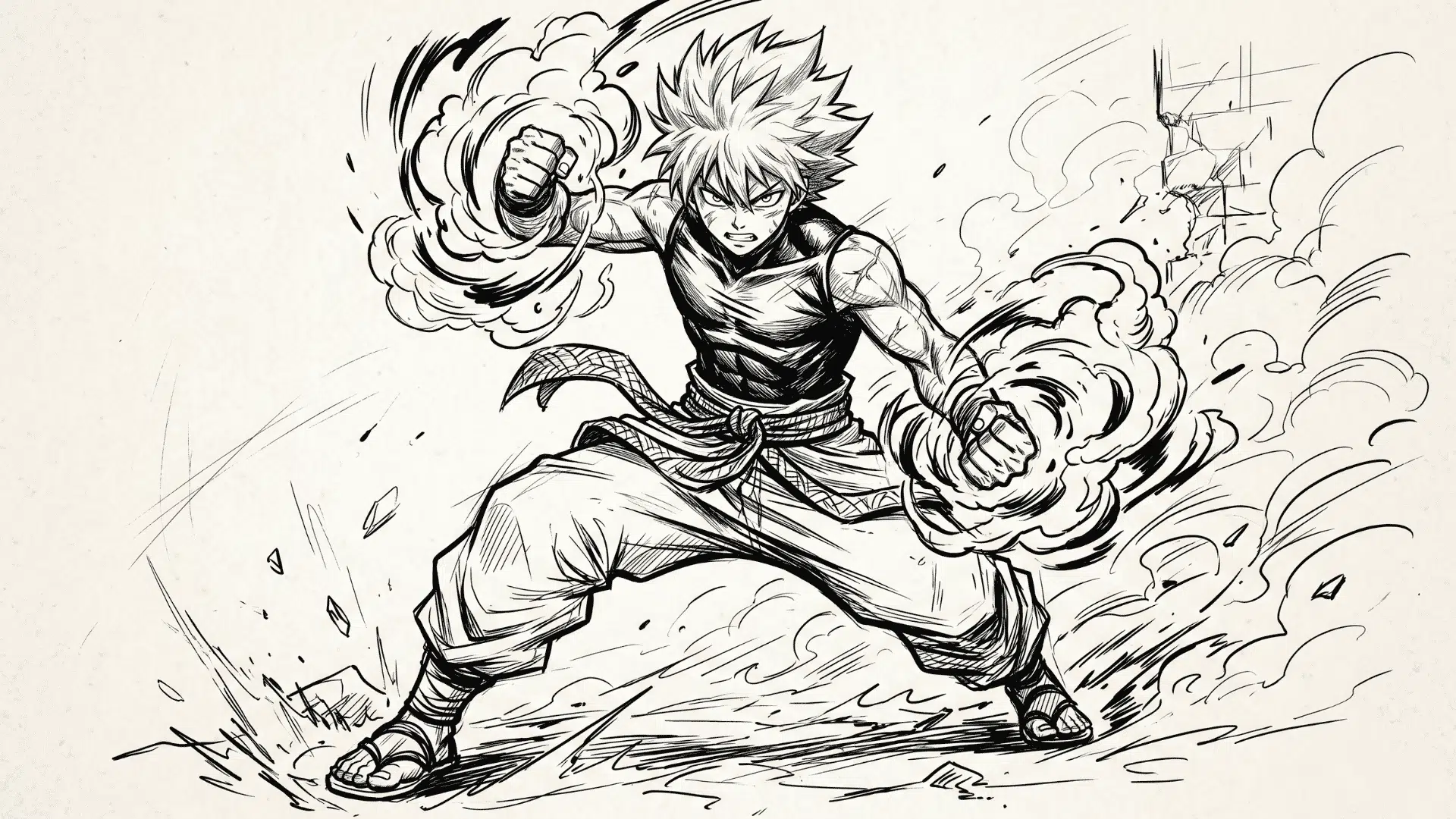
Manga drawing is closely linked to Japanese comic art. It uses strong line work, expressive faces, dramatic angles, and action-based poses.
This style is useful for artists who like storytelling through characters and scenes.
It also helps with emotion, movement, panel planning, clothing folds, hair detail, and scene composition.
9. Chibi Drawing
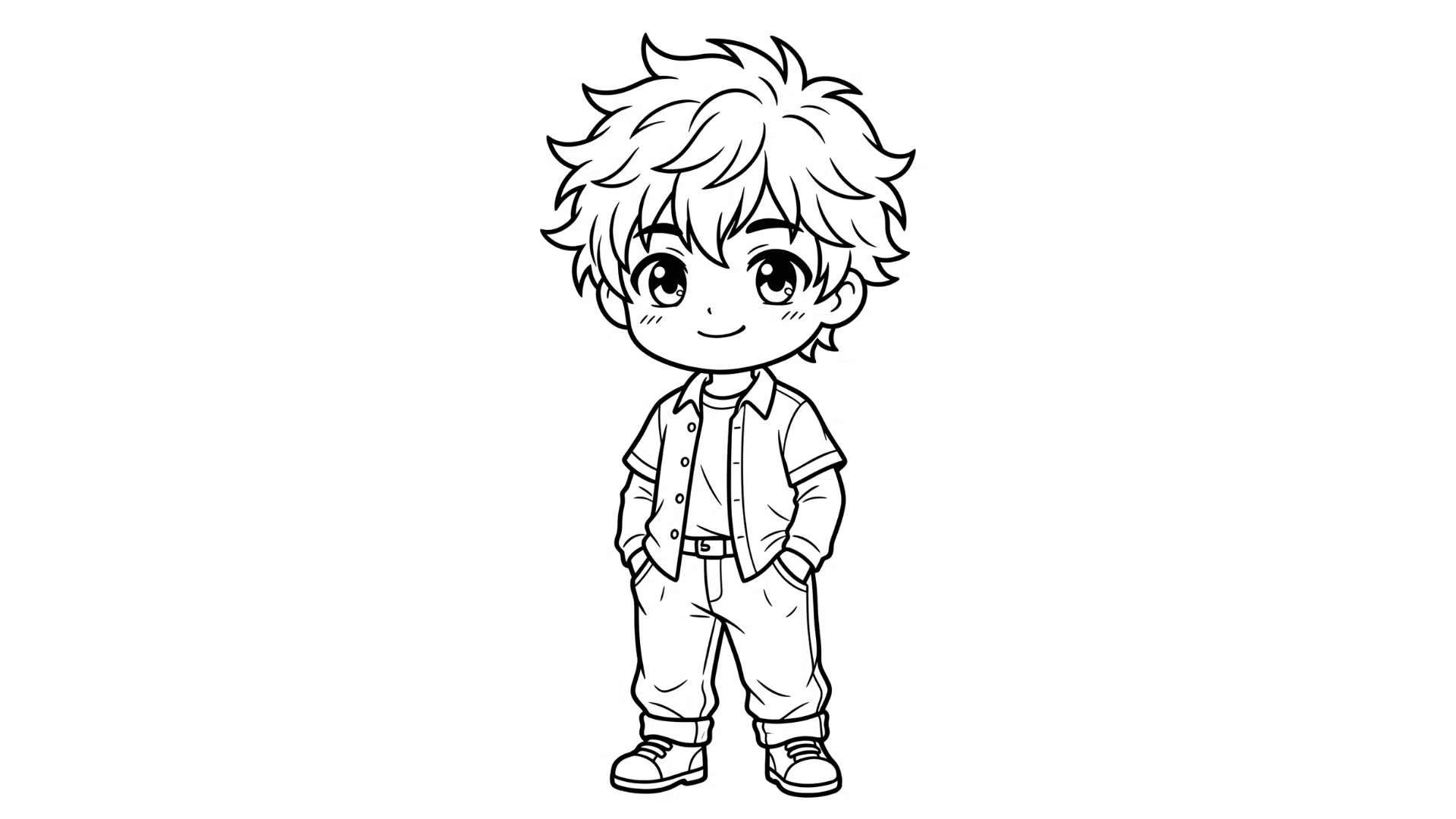
Chibi drawing creates small, cute characters with large heads, tiny bodies, and simple features.
It is easier than realistic figure drawing because the body structure is simplified.
This style works well for stickers, comics, fan art, and playful sketchbook ideas.
Beginners can focus on expression, pose, clothing, and charm without needing to know complex anatomy.
10. Caricature Drawing
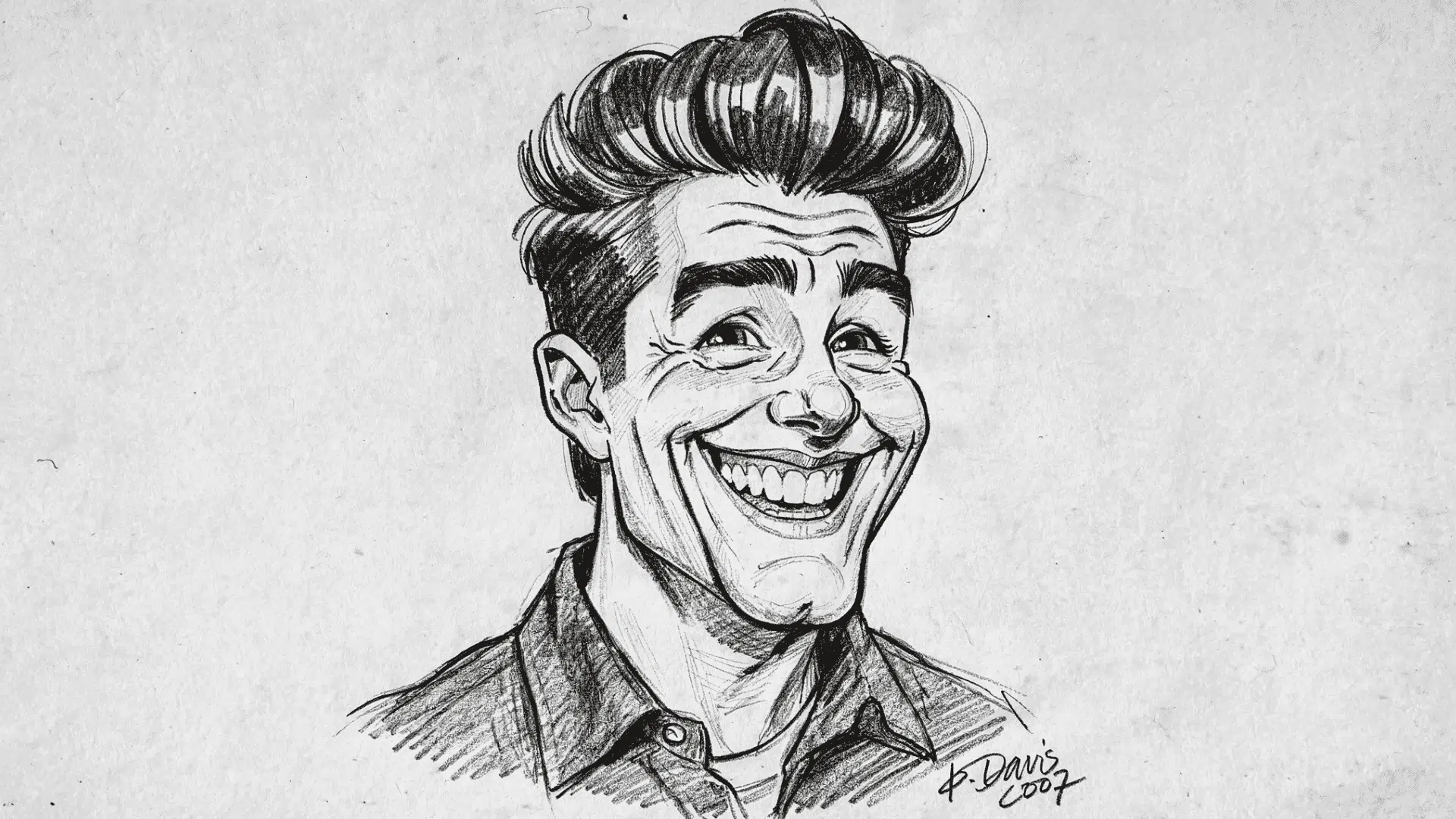
Caricature drawing exaggerates facial features to create a funny or bold portrait.
The artist studies what stands out most, such as eyes, nose, smile, chin, hair, or face shape.
This style is common in cartoons and event portraits. It builds observation skills while keeping the subject playful, clear, and recognizable.
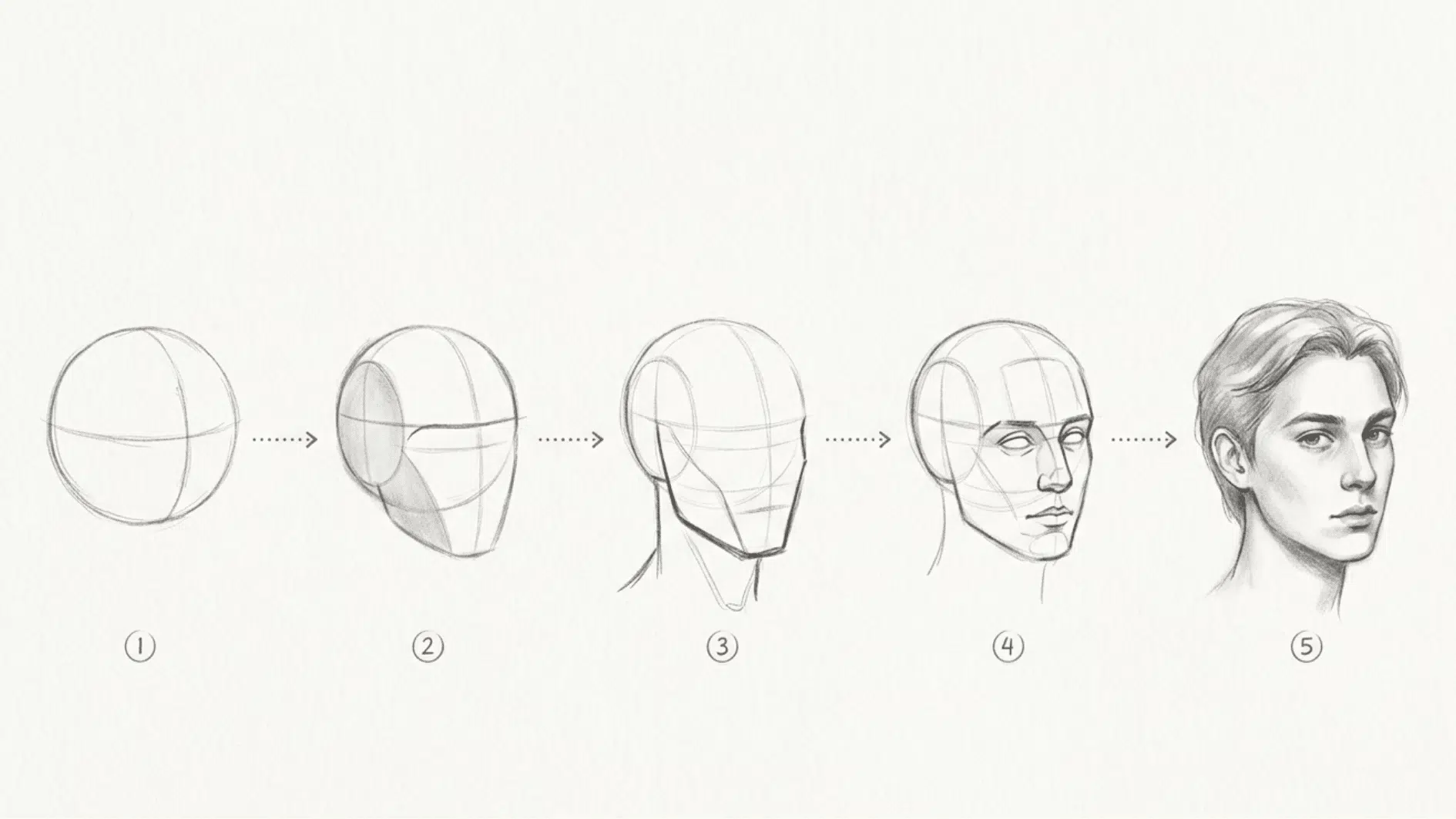
11. Realistic Drawing
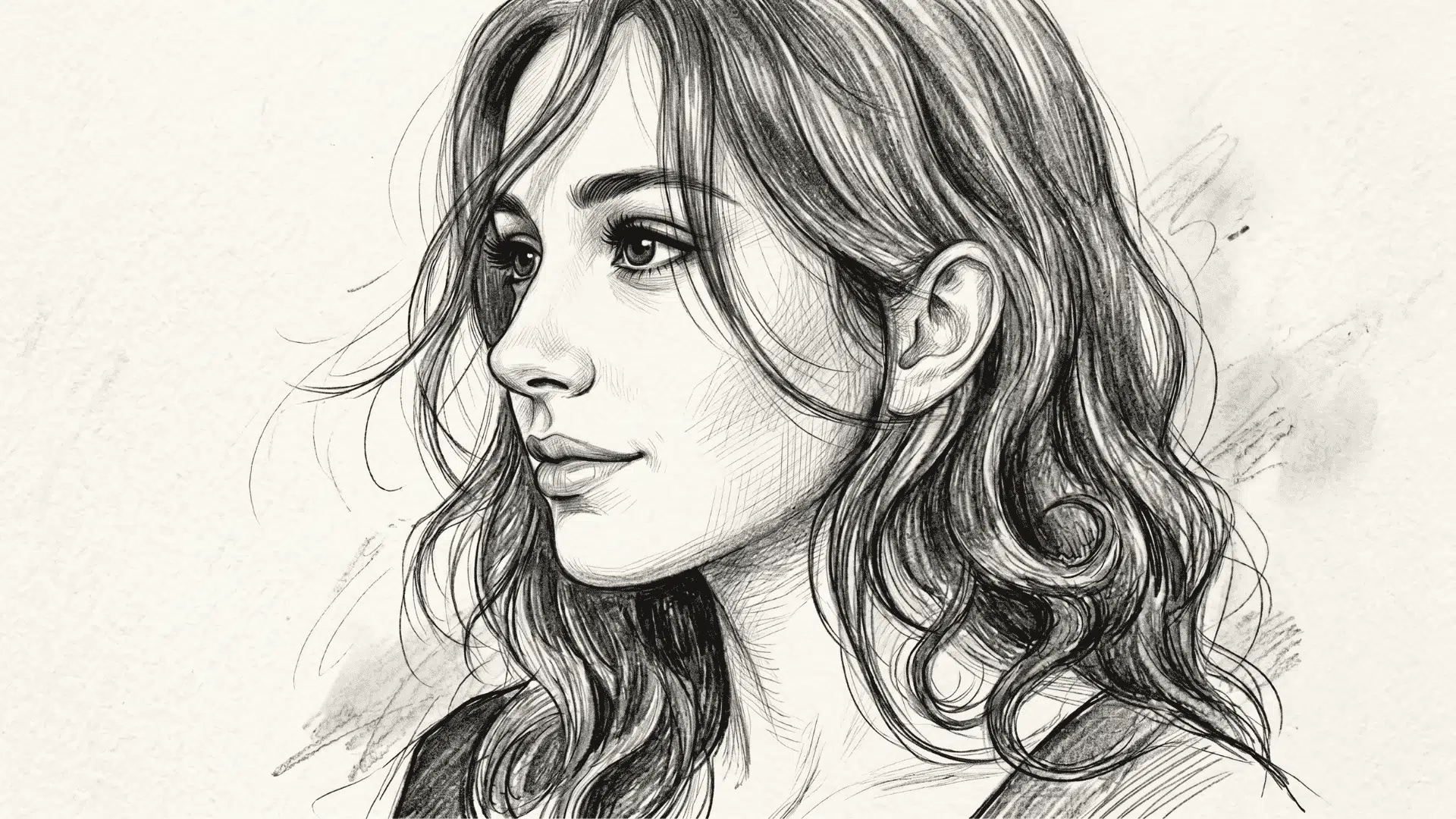
Realistic drawing aims to make the subject look as close to real life as possible.
It uses accurate proportions, shading, lighting, shadowing, and texture.
This style is common for portraits, animals, objects, eyes, and hands.
Beginners can start with simple items like cups, apples, or leaves before trying detailed faces, hair, fabric, and figures.
12. Photorealistic Drawing

Photorealistic drawing is a highly detailed form of realism in which the artwork closely resembles a photo.
It needs careful shading, smooth blending, sharp edges, and strong light control.
Artists often use graphite, charcoal, or colored pencils.
Beginners can practice with small subjects such as glass, leaves, eyes, metal objects, or fabric textures.
13. Hyperrealistic Drawing
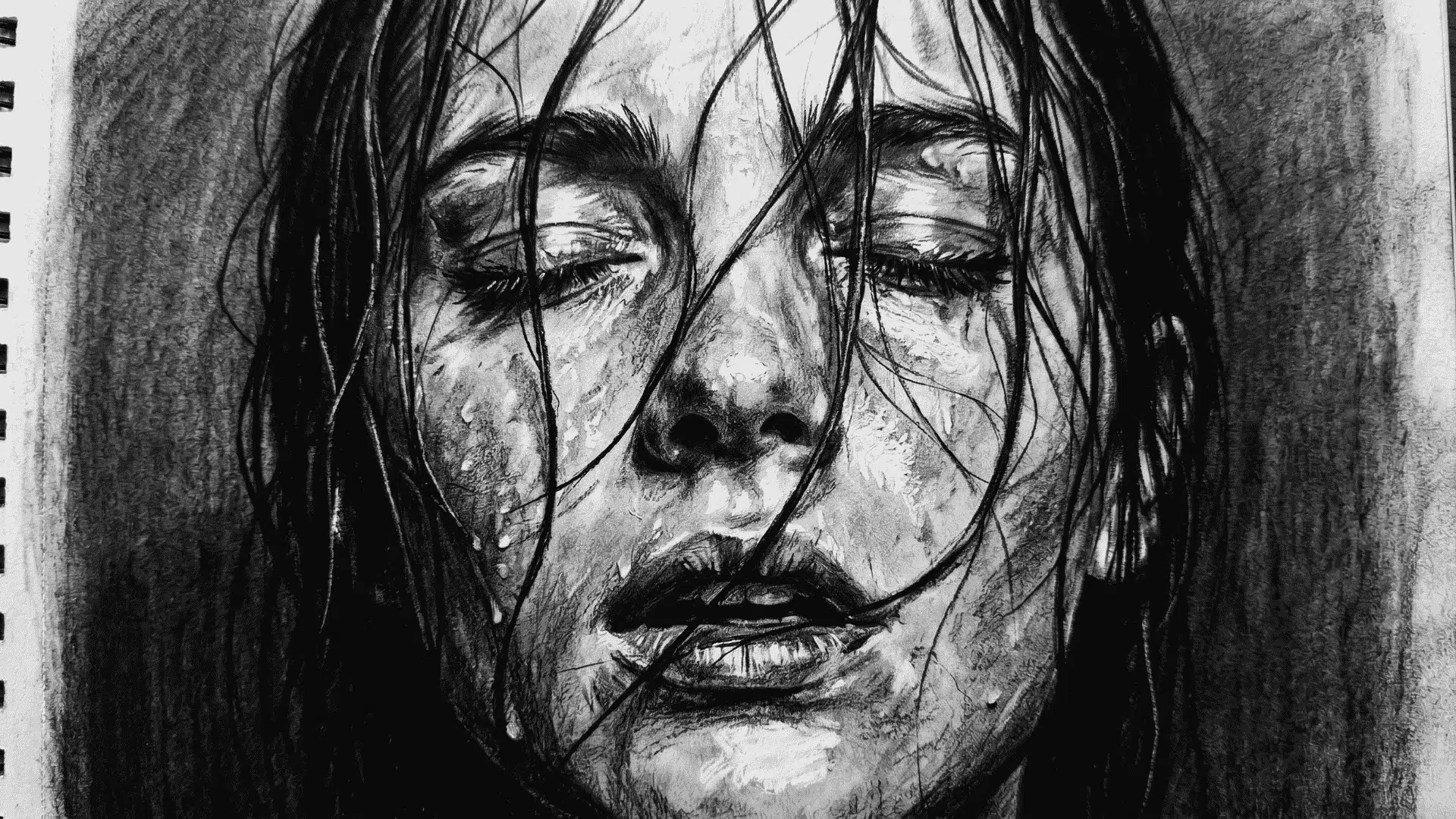
Hyperrealistic drawing adds extreme detail so the subject looks almost lifelike.
It often shows skin texture, reflections, pores, hair strands, fabric folds, and tiny surface marks.
This style takes patience and strong control.
It is best for skilled artists, though beginners can study it to better understand contrast, light, and texture.
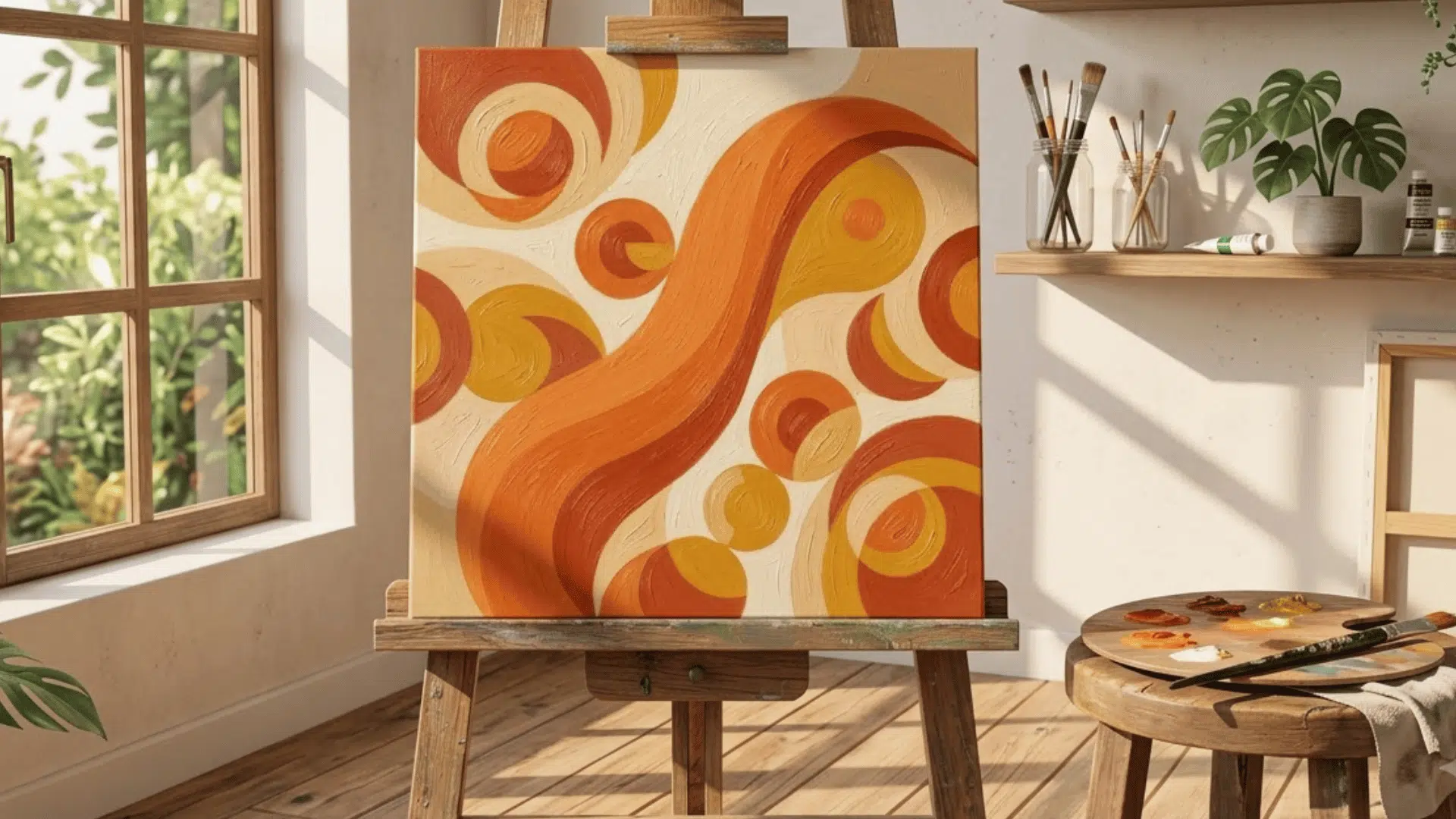
14. Abstract Drawing
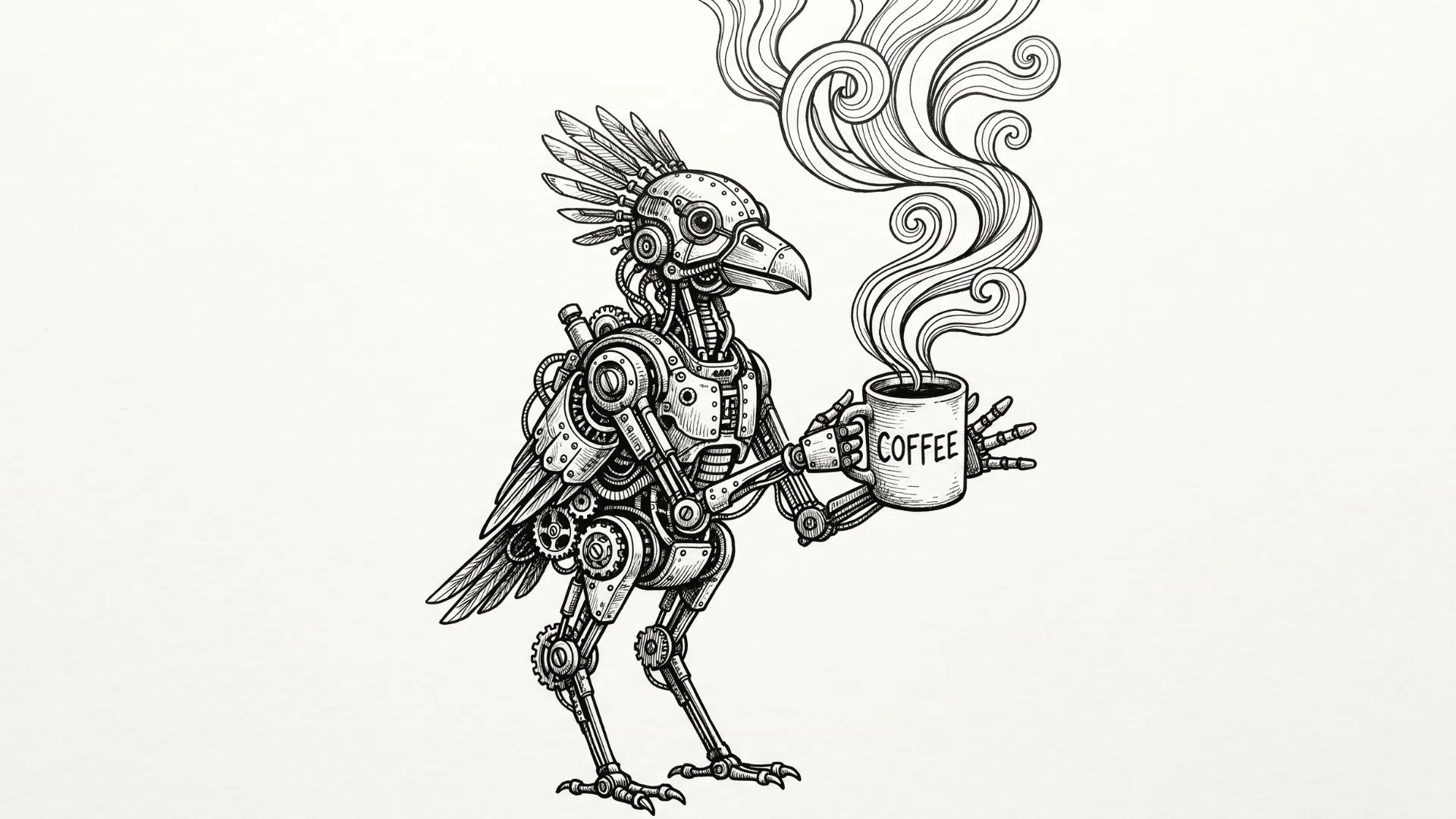
Abstract drawing uses lines, shapes, marks, and forms instead of clear real-life subjects.
It can show mood, rhythm, sound, or ideas through visual elements.
Accuracy is not the main goal, so artists have more freedom.
Beginners can use this style to practice balance, spacing, composition, patterns, and creative mark-making.
15. Surreal Drawing
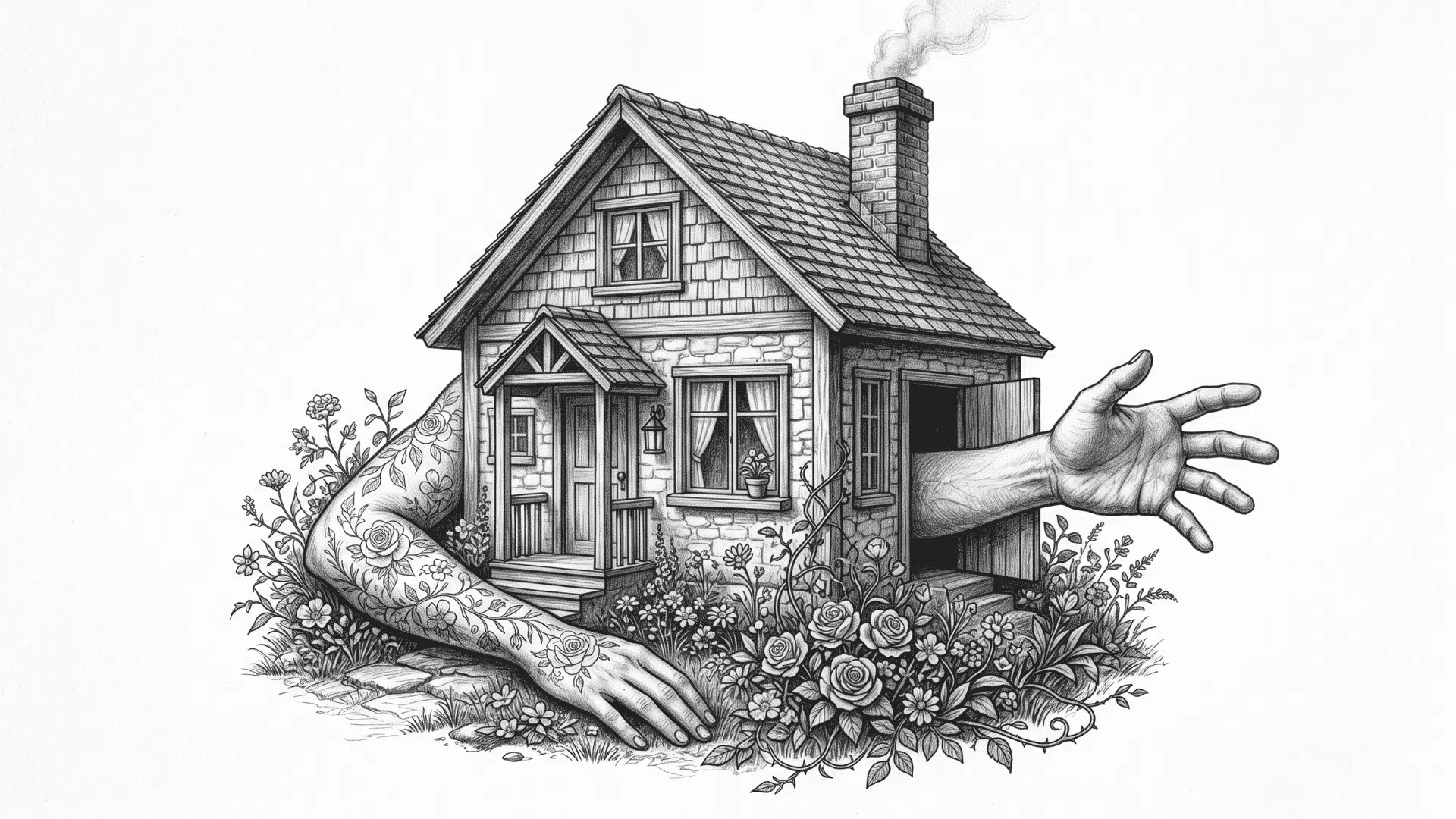
Surreal drawing mixes real objects in strange, dreamlike, or impossible ways.
It may show floating cups, odd rooms, mixed animals, melting objects, or symbolic scenes.
This style works well for fantasy ideas and storytelling.
It helps artists think beyond typical subjects and create drawings that convey surprise, emotion, and deeper meaning.
16. Geometric Drawing
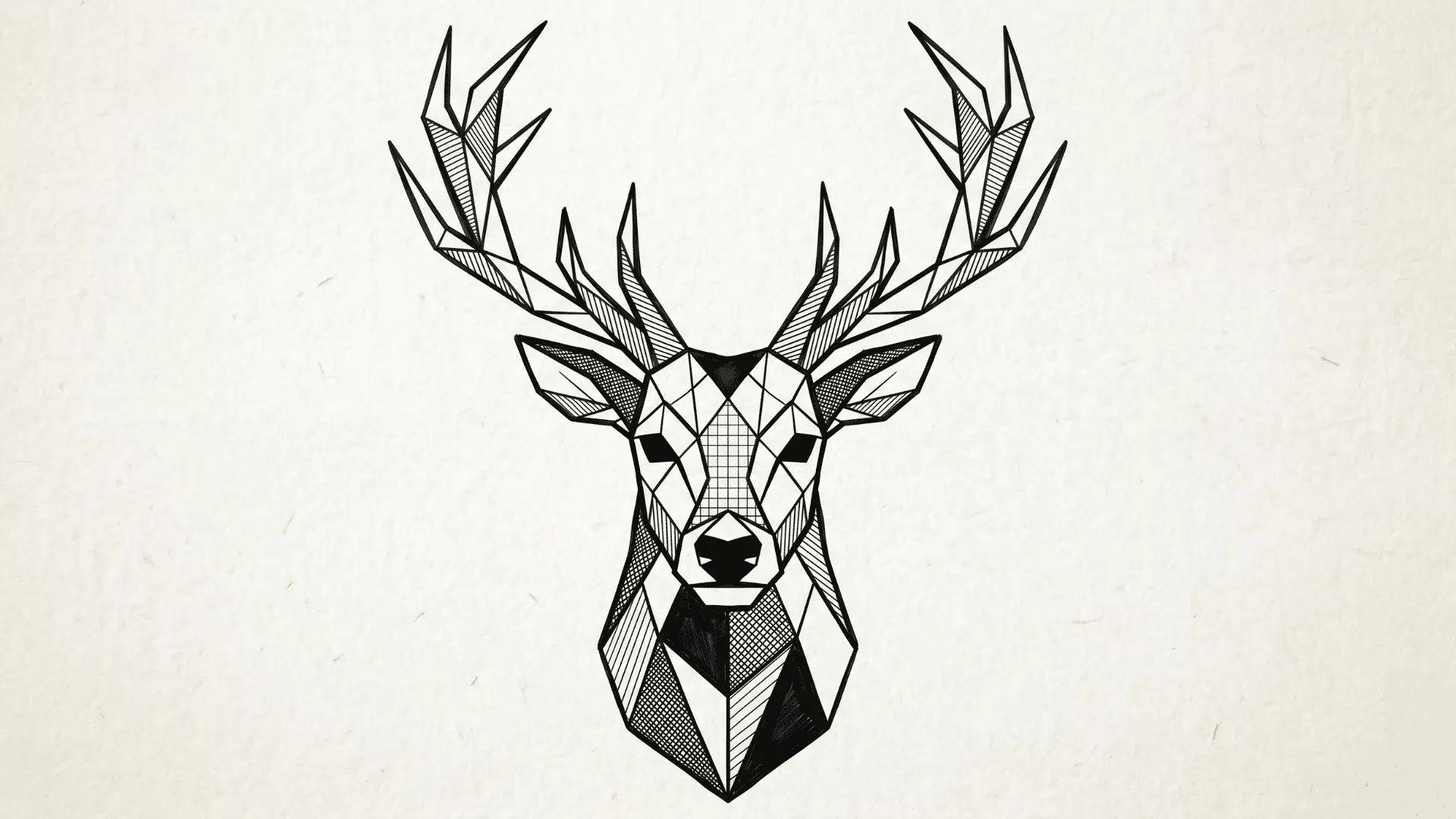
Geometric drawing uses circles, triangles, squares, straight lines, symmetry, and repeated patterns.
It often looks neat, balanced, and planned. This style is useful for mandalas, decorative art, pattern design, and simple design practice.
Beginners can improve spacing, shape control, and layout using a ruler, compass, pencil, or fine liner.
17. Perspective Drawing
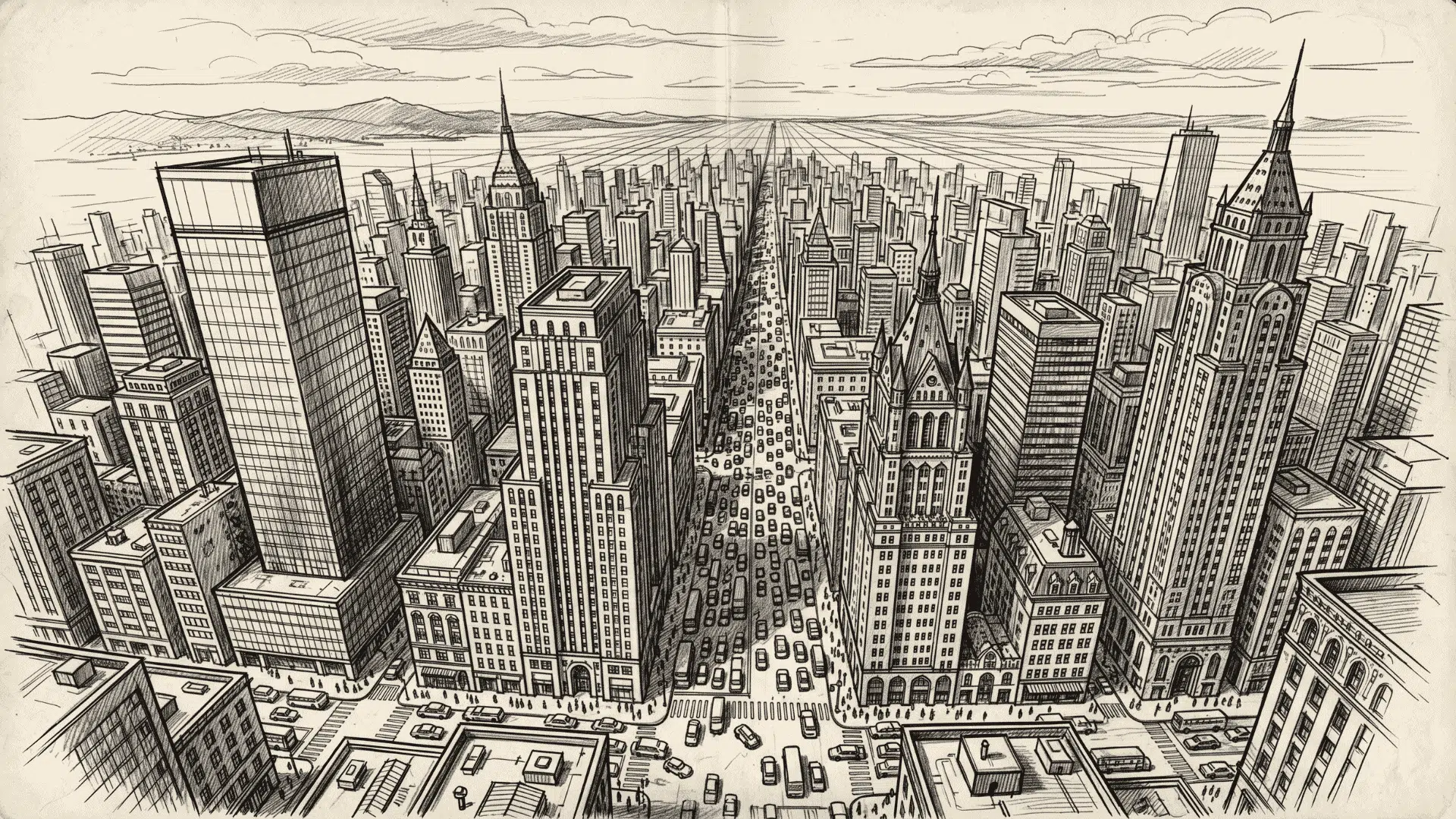
Perspective drawing creates depth and distance on a flat page. It helps rooms, roads, buildings, boxes, and streets look three-dimensional.
Artists use horizon lines and vanishing points to place objects correctly.
This style is useful for backgrounds, architecture, interiors, and city scenes. Beginners can start with a road, hallway, or box.
18. Architectural Drawing
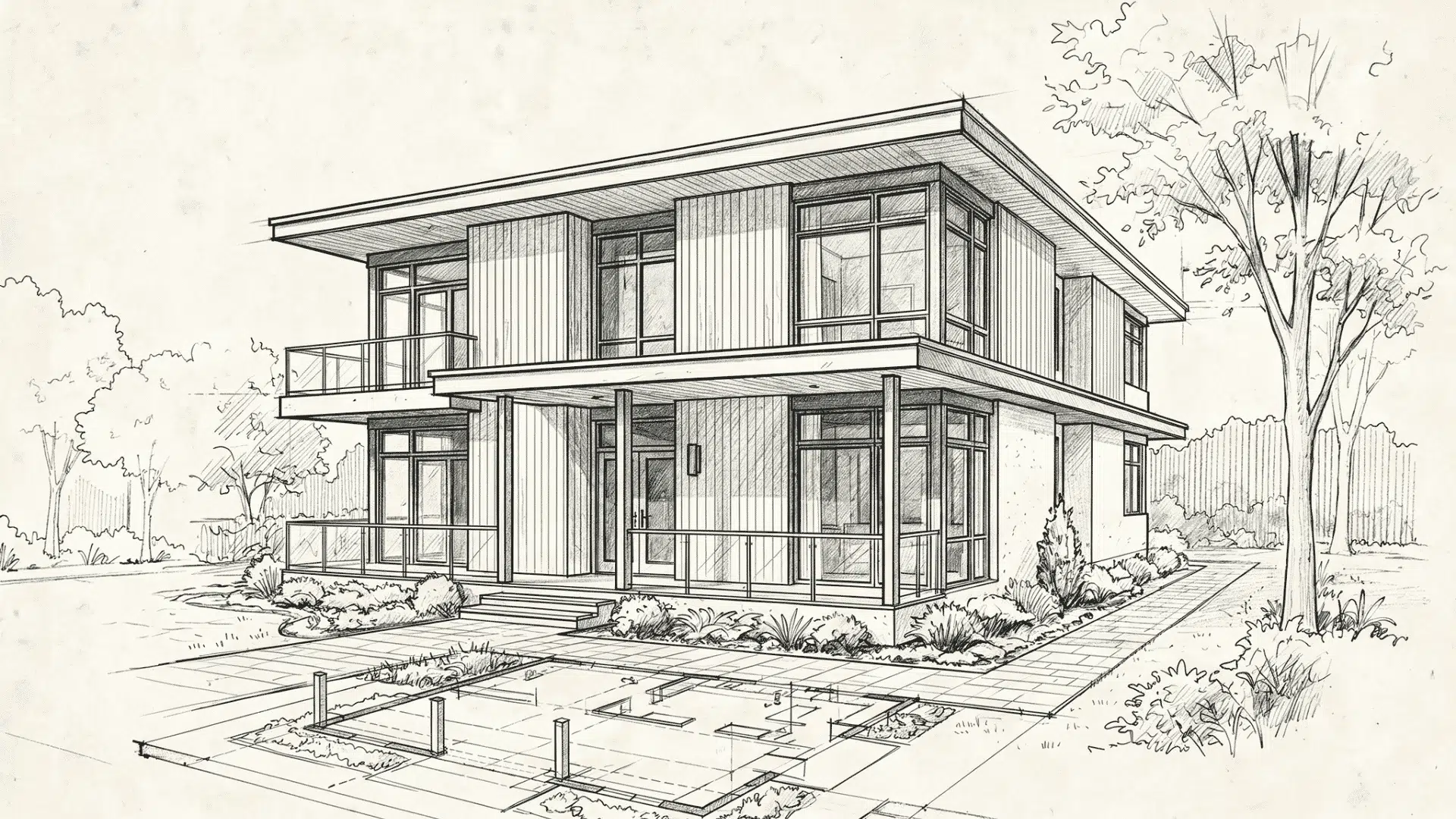
Architectural drawing focuses on buildings, rooms, structures, and design details.
It uses clean lines, scale, proportion, and perspective. This style can be technical or artistic, based on the purpose.
It is useful for students, designers, and artists who enjoy drawing houses, interiors, cityscapes, floor plans, and structured spaces.
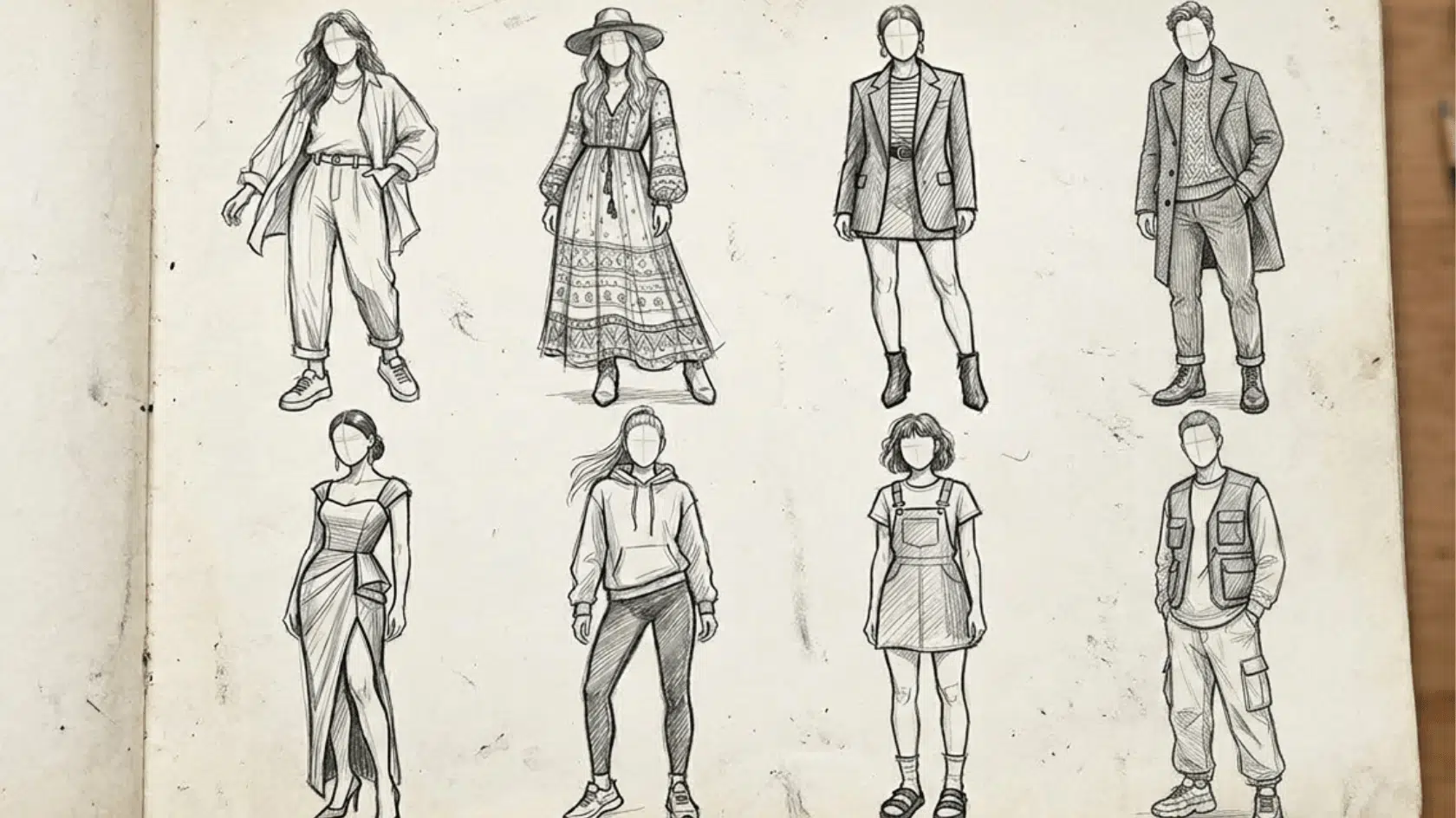
19. Fashion Illustration
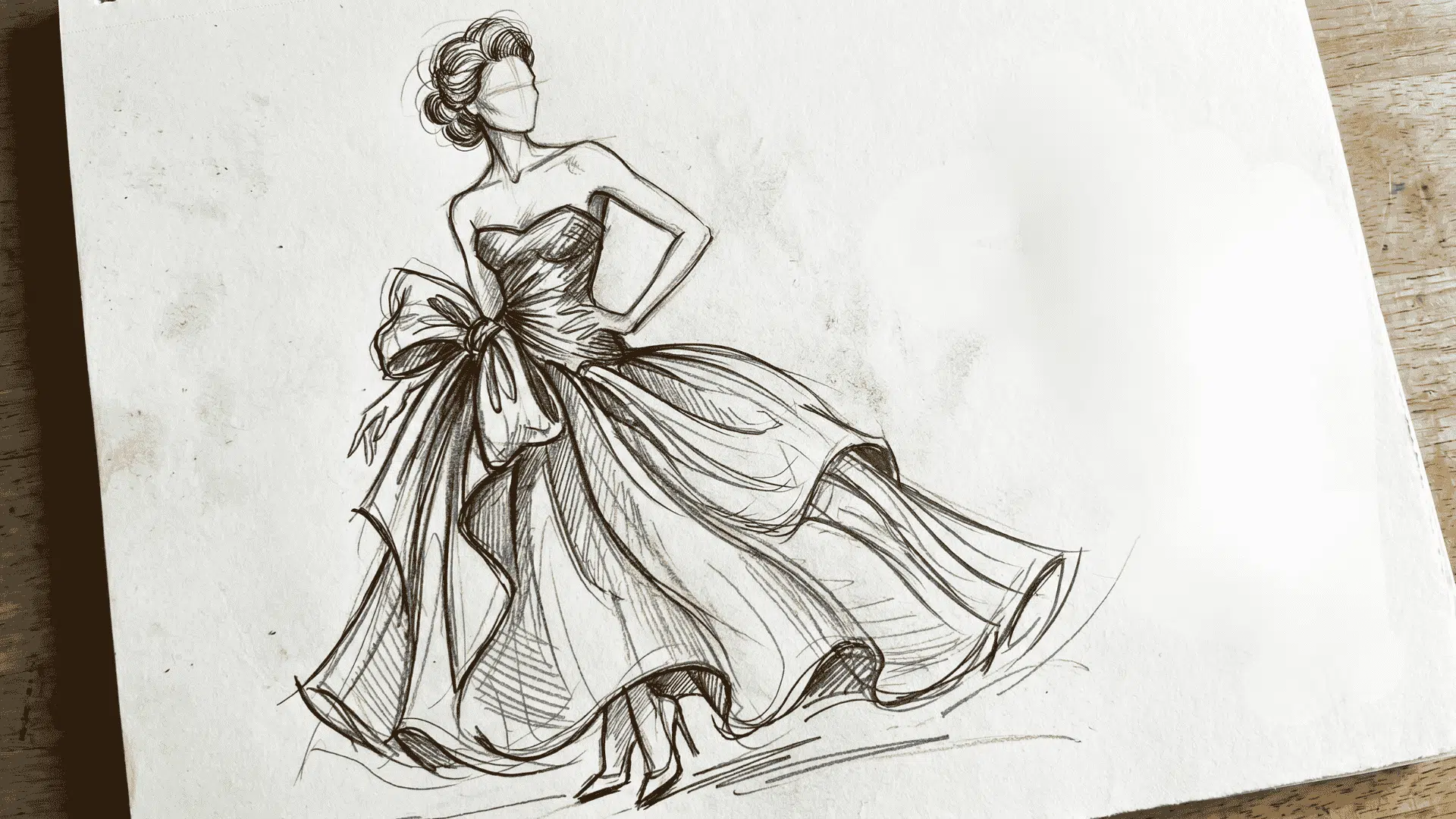
Fashion illustration focuses on clothing, fabric movement, body pose, and outfit design.
Figures are often tall and stylized so garments stand out clearly.
This style is useful for fashion students, designers, and artists.
It helps show dresses, jackets, shoes, accessories, folds, textures, and styling ideas before they become finished pieces.
20. Figure Drawing
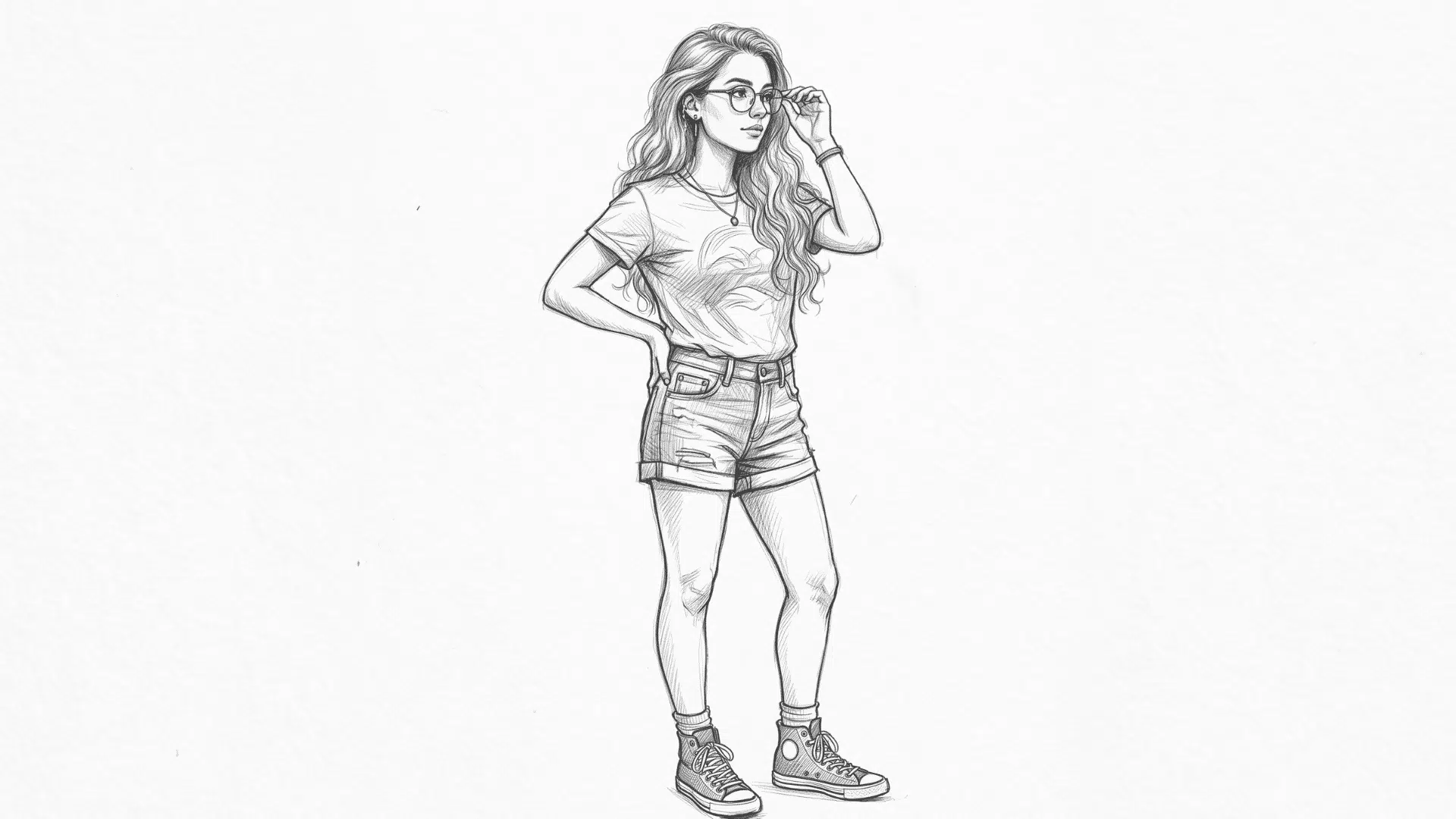
Figure drawing studies the human body, including pose, balance, movement, and proportion.
It supports character art, animation, comics, realism, and fashion illustration.
Artists often practice with timed sketches, references, or live models.
This style helps improve anatomy, body structure, weight, gestures, and poses that feel natural rather than stiff.
21. Still Life Drawing
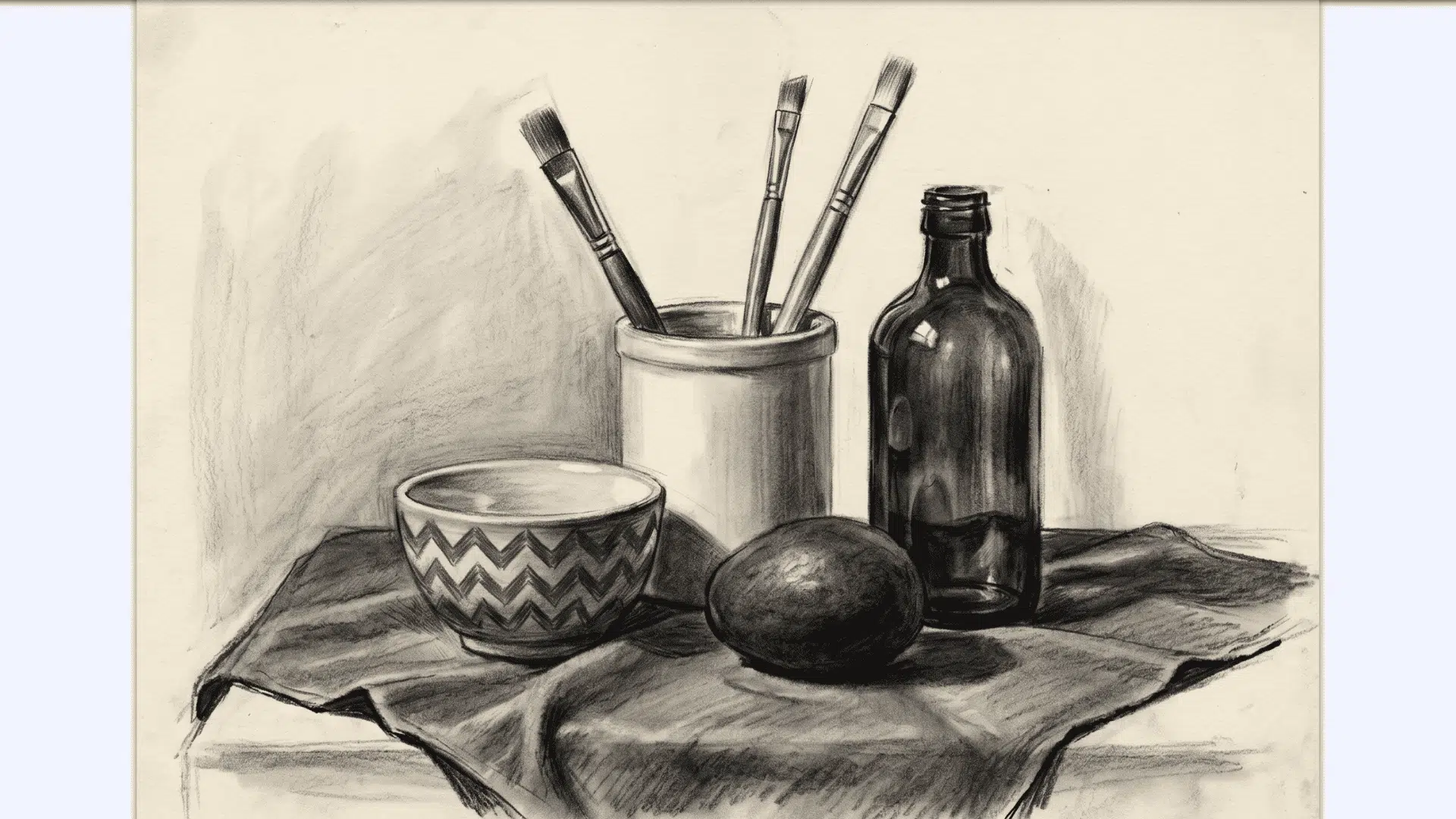
Still life drawing uses everyday objects arranged in front of the artist.
Common subjects include fruit, cups, bottles, flowers, books, bowls, and cloth.
This style is helpful for beginners because the subject stays still.
It teaches shape, proportion, light, shadow, texture, and composition using simple, easy-to-find objects at home.
22. Landscape Drawing
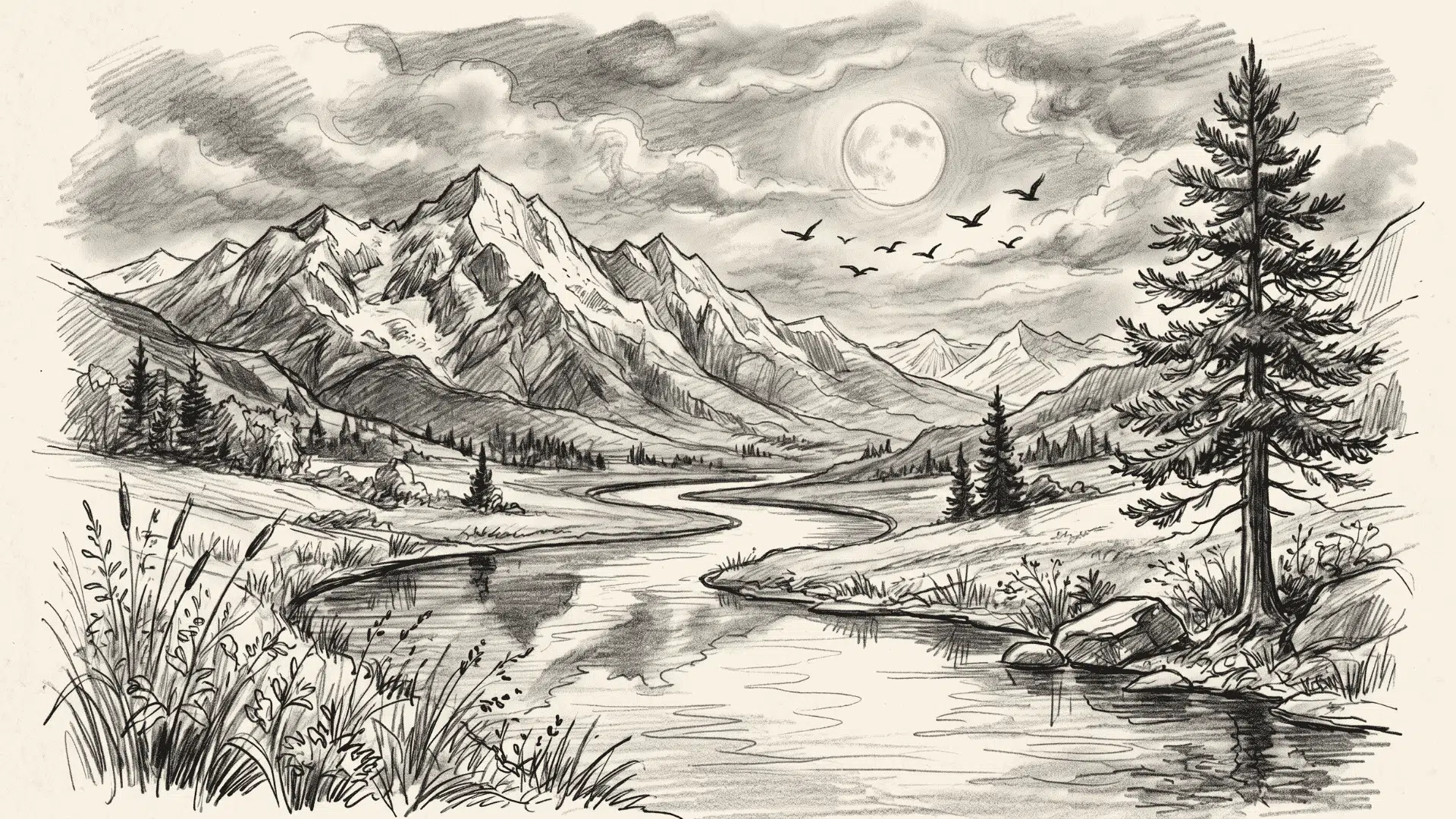
Landscape drawing focuses on outdoor scenes such as mountains, trees, rivers, fields, roads, skies, and buildings.
It helps artists practice space, depth, texture, and natural forms.
Beginners can start with hills, clouds, and trees.
More detailed landscapes can include reflections, weather, light direction, rocks, grass, water, and distant objects.
23. Stippling
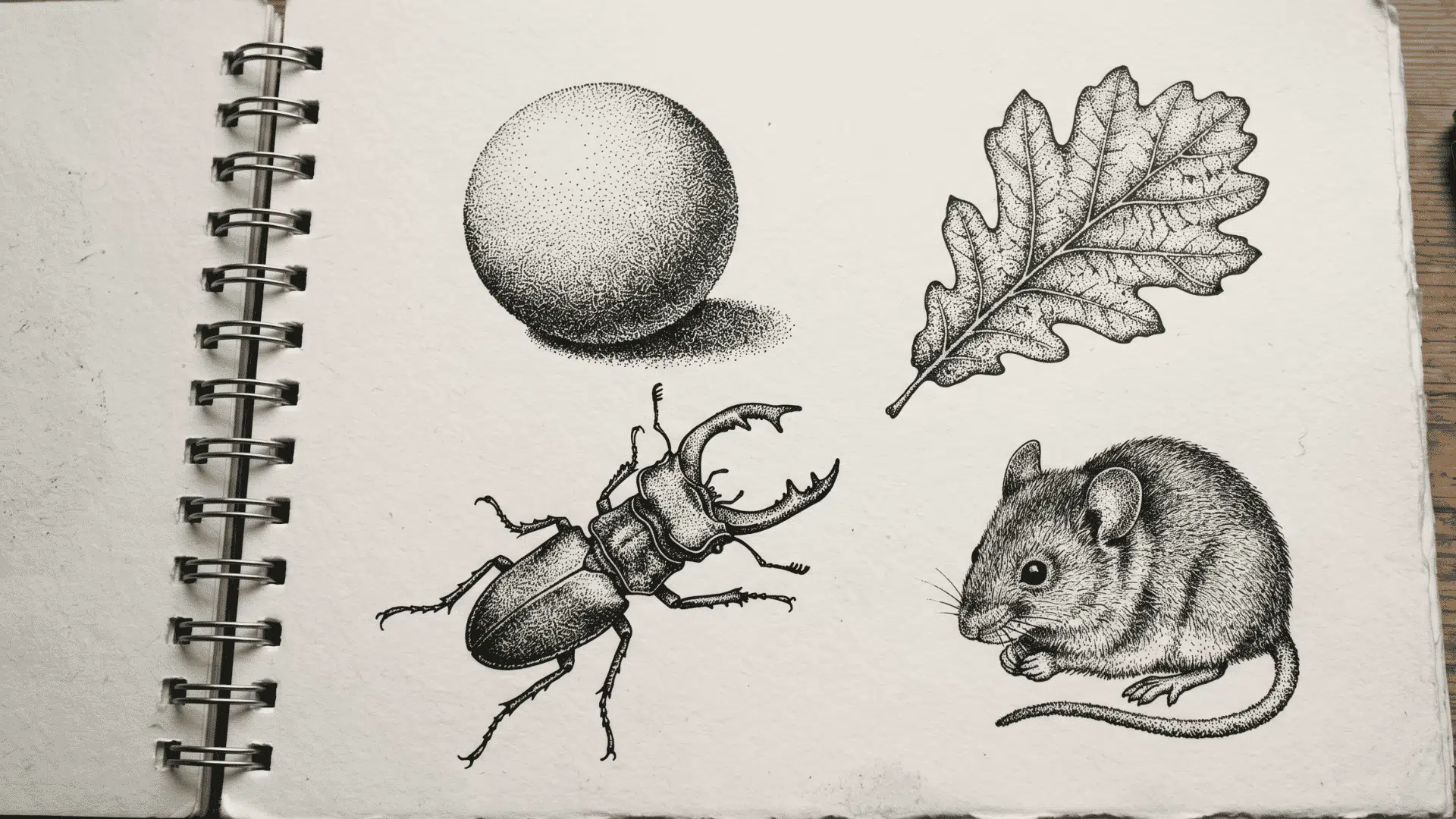
Stippling uses dots to create shading, texture, and form.
Areas with more dots appear darker, while those with fewer appear lighter.
This style is often done with fine-liner pens and takes patience. It works well for leaves, animals, insects, portraits, skulls, and objects with rich surface texture.
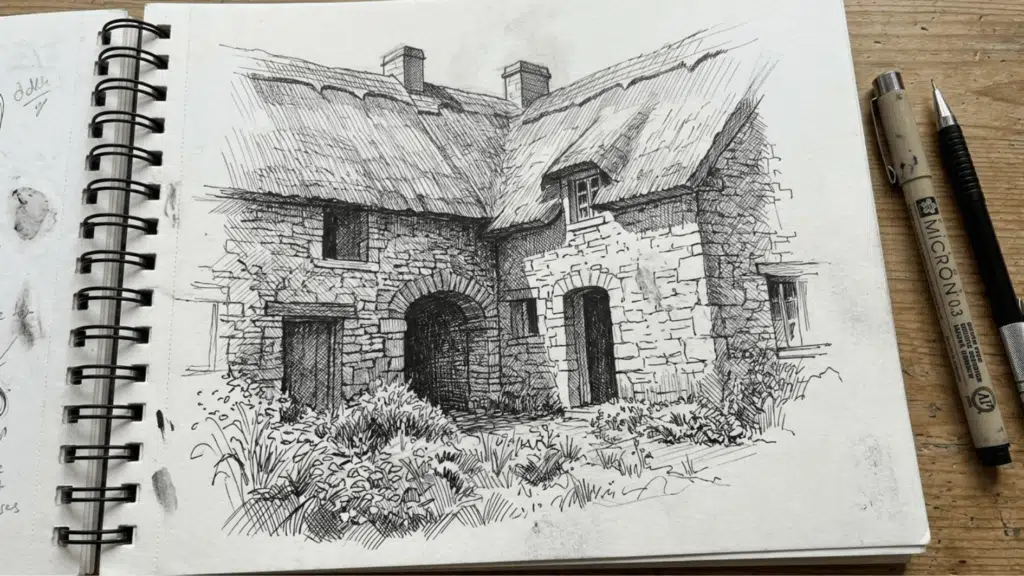
24. Cross-Hatching
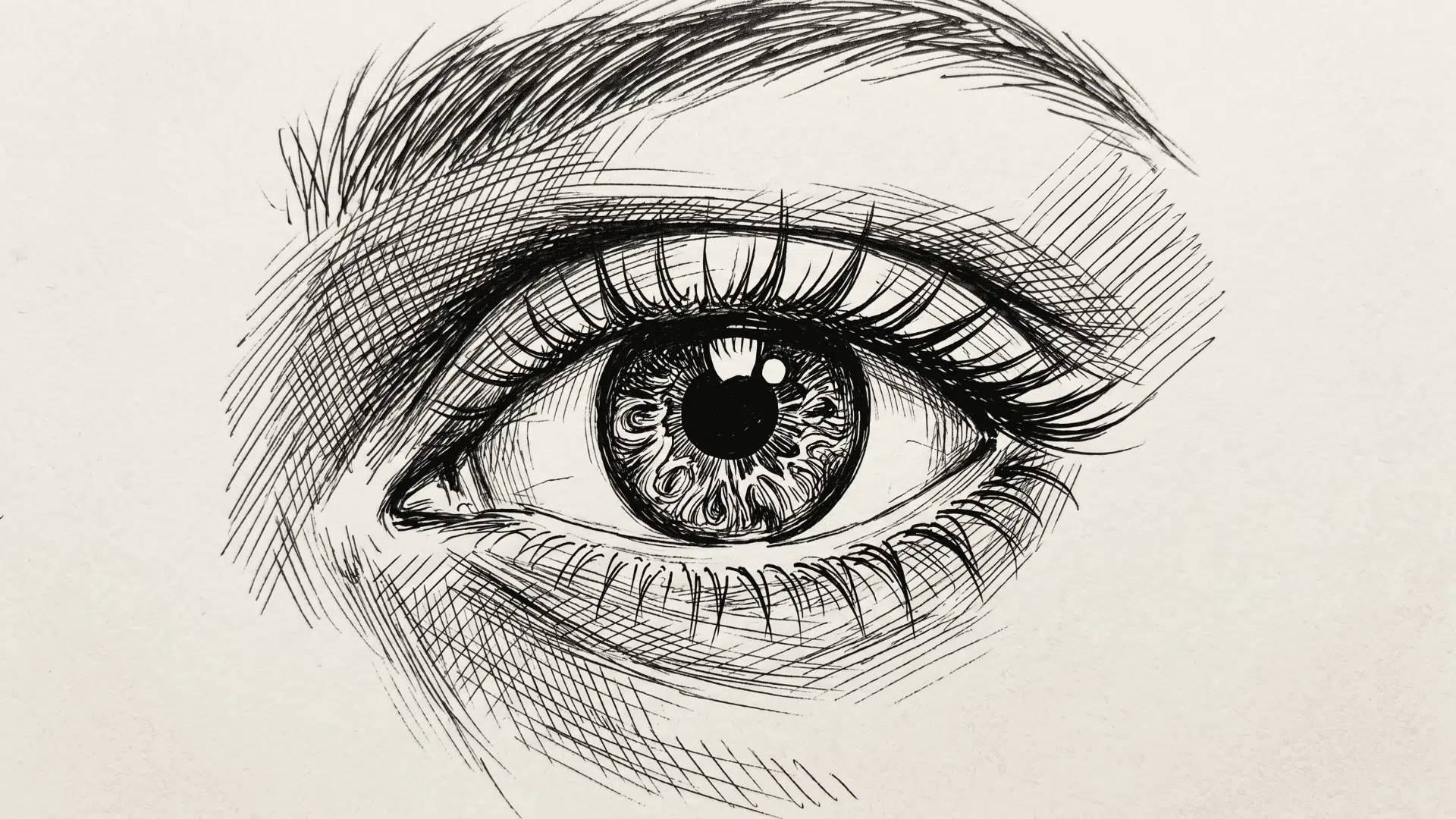
Cross-hatching uses overlapping lines to create shadows, texture, and depth.
Lines placed close together make darker areas, while wider spacing creates lighter areas.
This style is common in pen-and-ink drawings. It works well for portraits, objects, comics, landscapes, and classic-style illustrations without using blending or smooth shading.
25. Digital Drawing
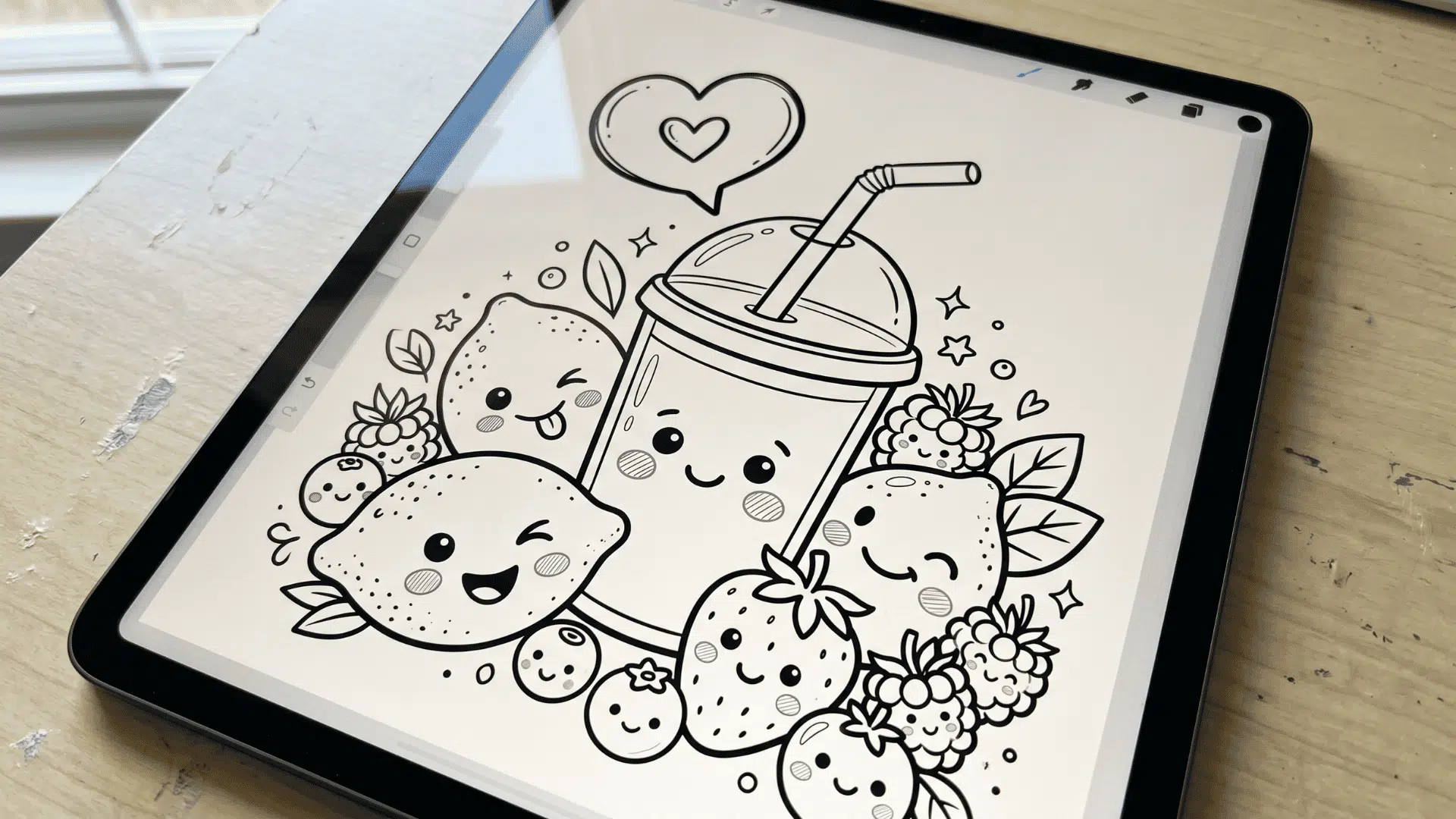
Digital drawing is made on a tablet, phone, or computer using a stylus and drawing software.
It can include cartoons, anime, realism, comics, and character design.
This style is flexible because artists can use layers, undo errors, test brushes, and adjust colors while still building basic drawing skills through regular practice.
Tips to Improve Your Drawing Style
Improving your drawing style takes practice, observation, and experimenting with techniques. Small adjustments can make your work more expressive and visually engaging over time.
- Study Different Styles: Search the work of various artists to understand what resonates with you.
- Practice Regularly: Daily or frequent sketching strengthens hand-eye coordination and builds confidence.
- Experiment With Mediums: Try pencils, inks, markers, or digital tools to discover what suits your style.
- Focus on Fundamentals: Master anatomy, perspective, and composition to improve overall technique.
- Observe Real Life: Draw from real objects, people, and environments to add realism and depth.
- Simplify and Exaggerate: Identify what defines your style and emphasize unique shapes or forms.
- Seek Feedback: Share your work with peers or mentors to gain constructive insights.
- Keep a Sketchbook: Document ideas, experiments, and progress to track your growth.
Wrapping It Up
Learning different drawing styles helps artists build skill, confidence, and creative direction.
Simple styles like doodling and line drawing are great for beginners, while realism, perspective, and digital drawing offer more room for detailed practice.
The best approach is to try a few styles, notice which ones feel enjoyable, and practice them regularly. Over time, your favorite lines, shapes, subjects, and tools will start to form your own drawing style.
Keep sketching, test new methods, and use each drawing as a step toward better art.