Staring at a blank canvas can make even a simple painting feel hard. You may have the paints, brushes, and time, but still not know what to create first.
In this blog, you will find acrylic painting ideas for different moods and skill levels, from calm nature scenes to bold abstract designs.
These ideas are easy to adjust, so you can start small, try new colors, and build confidence as you paint.
Styles of Acrylic Painting
Before you start painting, it helps to know the different styles acrylic paint can create. Each style has its own look, feel, and technique.
- Realism: Detailed, lifelike subjects painted with smooth layers and a fine brush.
- Impressionism: Loose brushstrokes that suggest a scene rather than show every small detail.
- Abstract: Art focused on color, shape, texture, and movement instead of a clear subject.
- Watercolor Style: Thinned acrylic applied in soft, light washes.
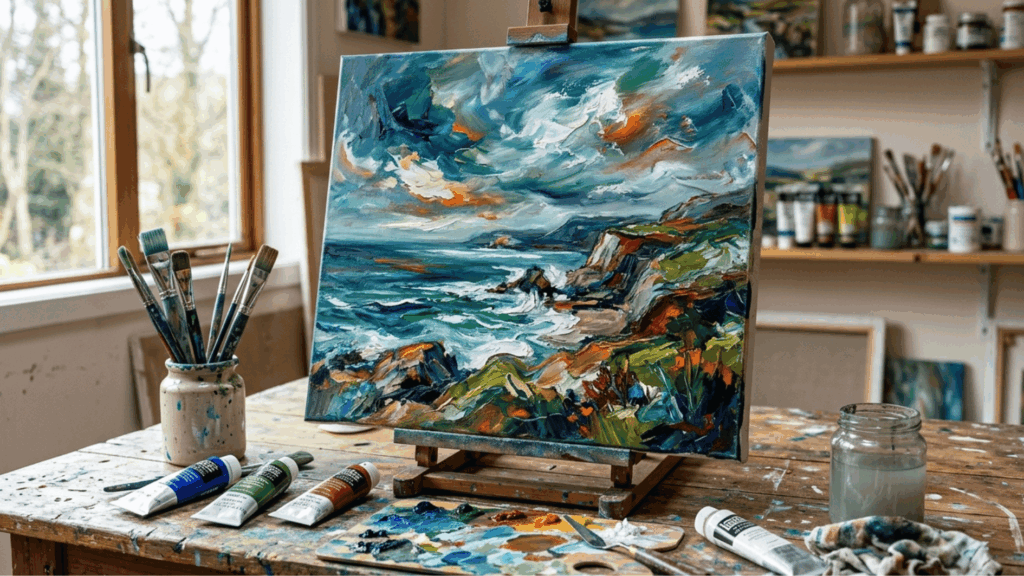
- Impasto: Thick paint applied with a brush or palette knife for raised texture.
- Pop Art: Bright colors, strong outlines, and subjects from daily life.
- Plein Air: Painting outdoors while looking at the real scene in front of you.
Acrylic Painting Techniques
Acrylic techniques help you control how the paint looks on the canvas. Try these simple methods to create texture, soft blends, sharp details, and bold color effects.
| Technique | How to Do It | Best For |
|---|---|---|
| Impasto | Apply thick acrylic paint with a brush or palette knife to create raised marks. | Bold texture, expressive strokes, flowers, waves |
| Dry Brush | Use a nearly dry brush with little paint and drag it lightly across the surface. | Grass, bark, fur, feathers, rough texture |
| Wet-on-Wet | Add fresh paint over wet paint so the colors blend directly on the canvas. | Soft skies, clouds, sunsets, smooth gradients |
| Glazing | Thin acrylic paint and layer it over a fully dry base color. | Glow, shadows, skin tones, water, light effects |
| Stippling | Tap the brush tip repeatedly to build small dots and broken texture. | Leaves, sand, bushes, background detail |
| Palette Knife | Spread, scrape, or lift thick paint using a flat painting knife. | Mountains, waves, rocks, bold abstract texture |
| Pouring | Mix acrylic paint with pouring medium and let it flow across the canvas. | Fluid art, marble effects, abstract color movement |
Inspiring Acrylic Painting Ideas to Start Today
Pick one that fits your mood, set up your colors, and start painting with confidence. You do not have to copy each idea exactly. Use these painting ideas as starting points, then change the colors, size, or details to match your own style.
1. Foggy Forest Path
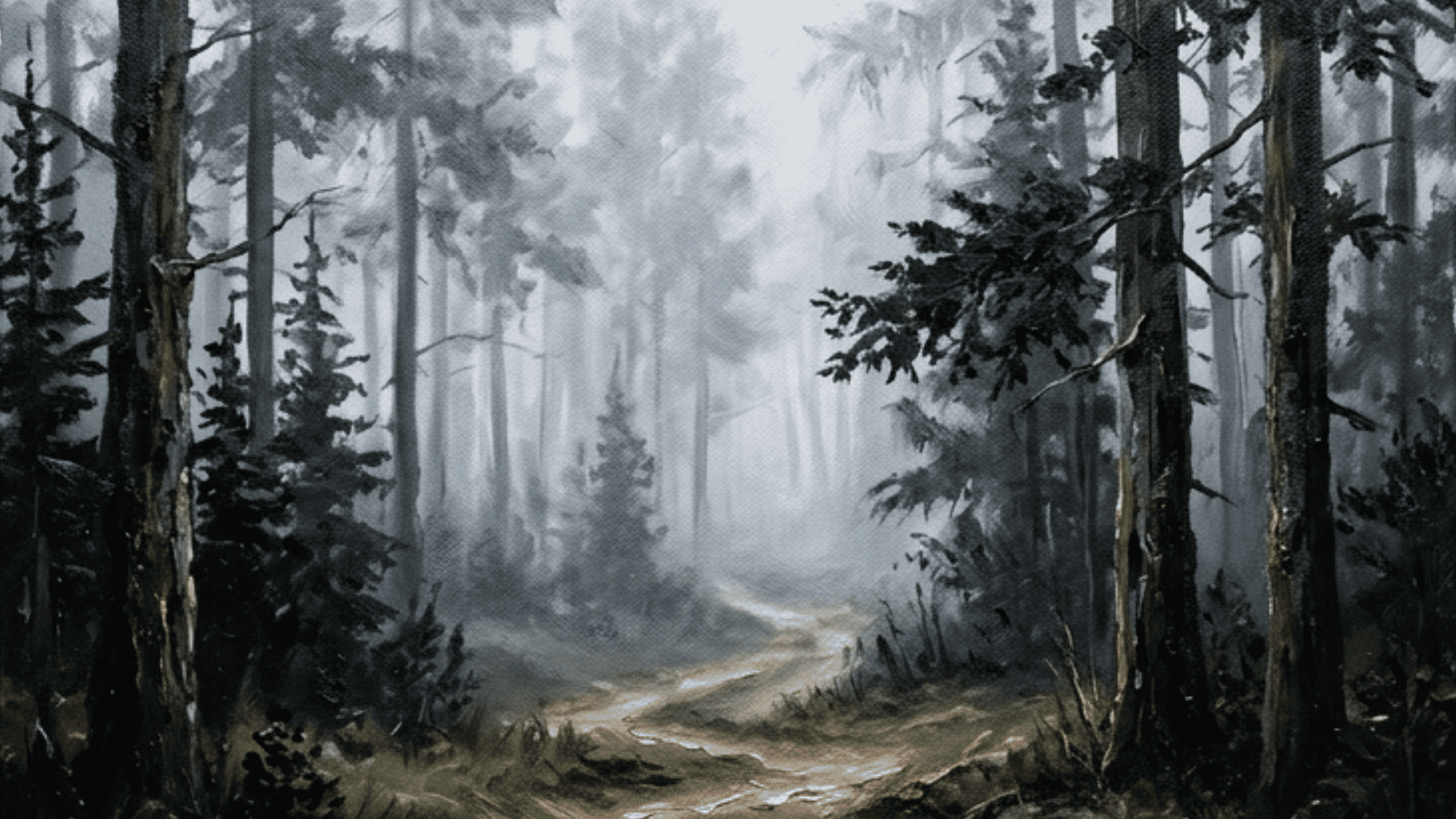
Paint tall dark trees on both sides of a misty path. Use gray and white in the background to show fog rolling in. The contrast between the dark tree trunks and the pale background creates depth without requiring much detail.
2. Lavender Field
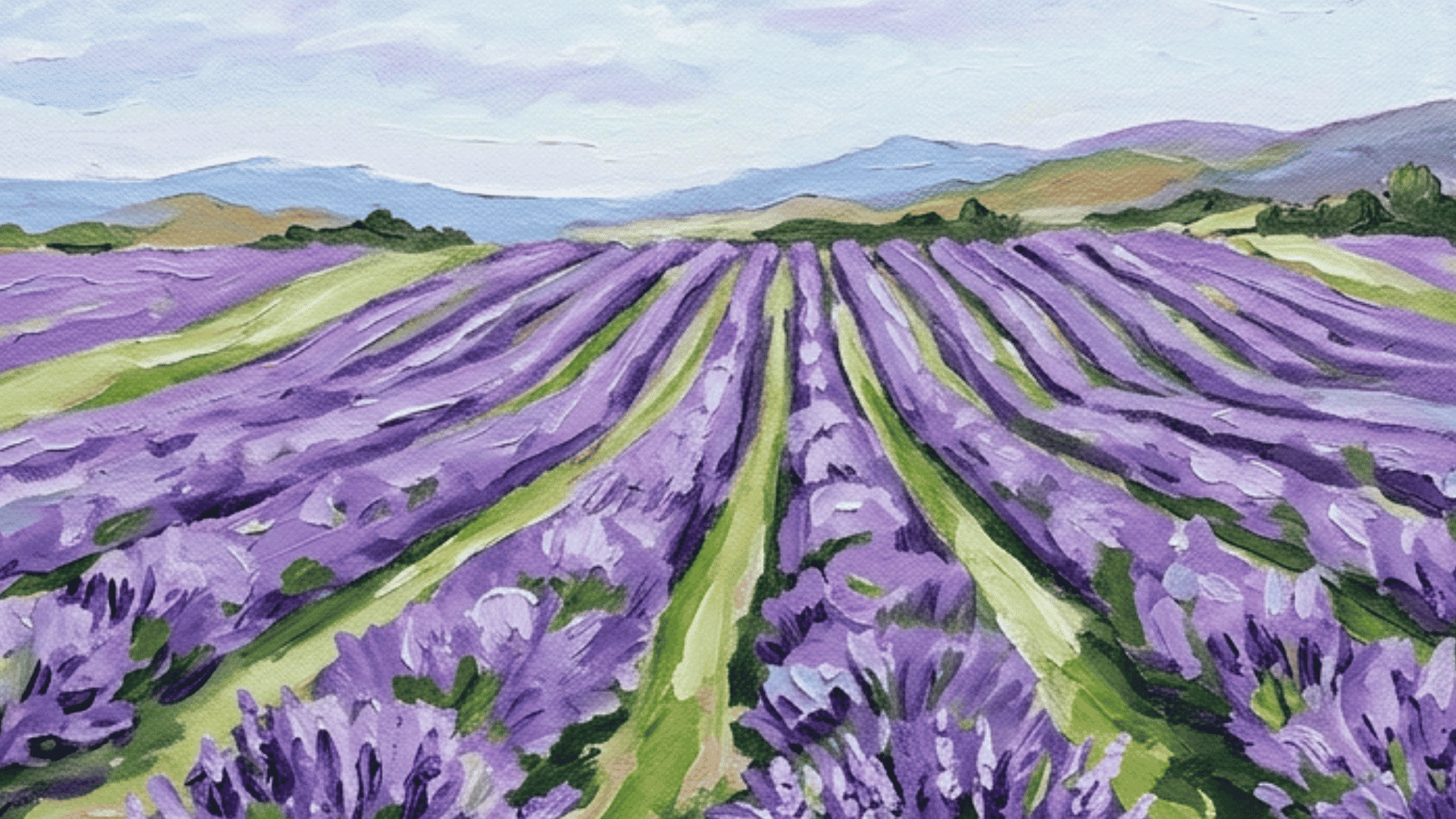
Fill the lower half of the canvas with rows of purple and violet brushstrokes for lavender. Add a pale blue sky above with a few soft clouds.
Short, upward strokes work well for the flowers, and the limited color palette keeps this project manageable for beginners.
3. Rolling Hills at Dusk
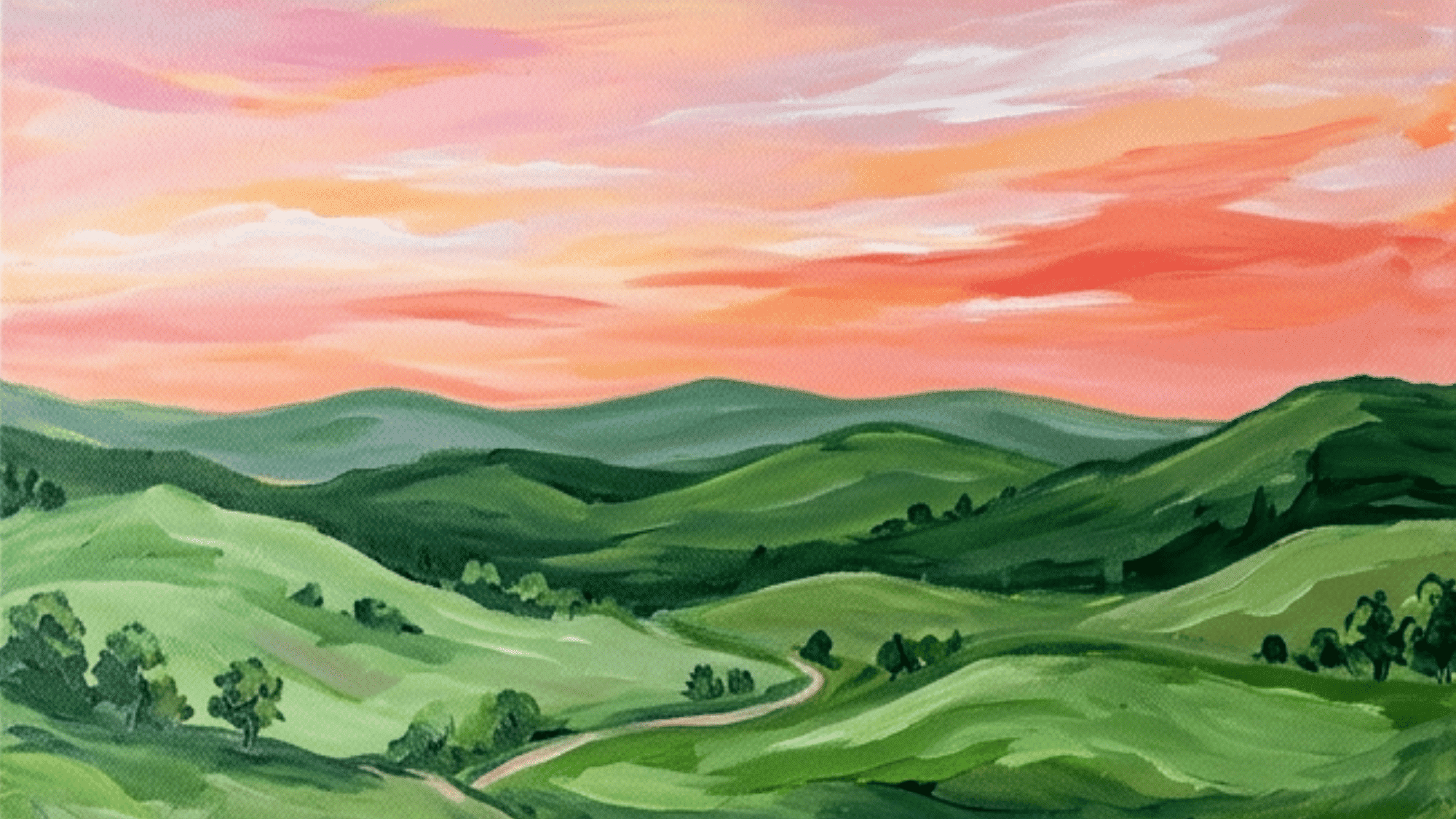
Layer green, yellow-green, and olive tones for the hills. Use a warm pink-and-orange sky above the horizon. The soft curve of the hills is easy to paint and gives you good practice blending sky into land.
4. Stormy Sky Over a Field
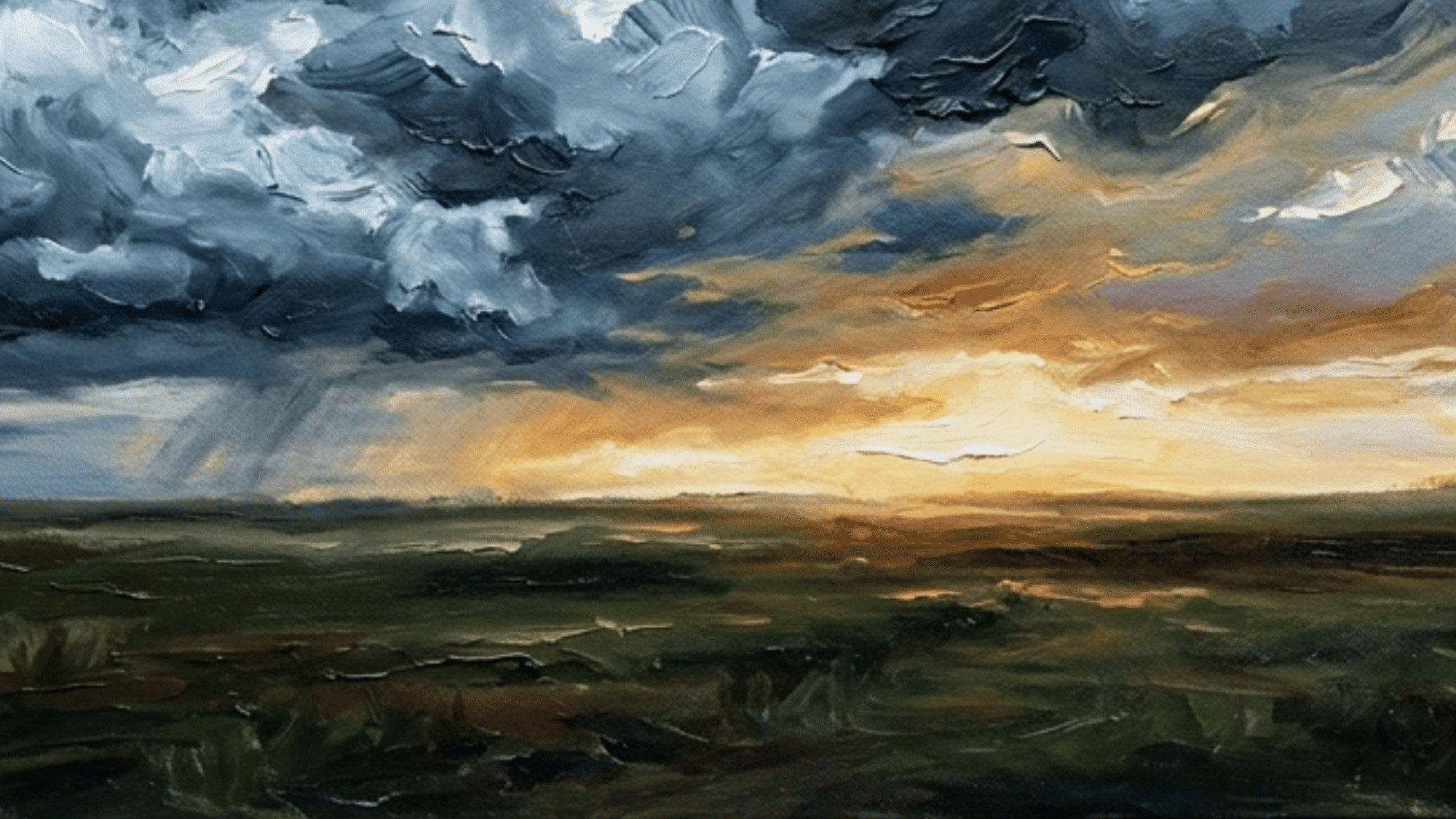
Cover most of the canvas with dark gray, blue, and purple clouds. Leave a thin strip of bright yellow or orange at the horizon to show light breaking through.
The strong contrast between the dark sky and glowing horizon makes the scene feel dramatic.
5. Cherry Blossoms on a Blue Sky
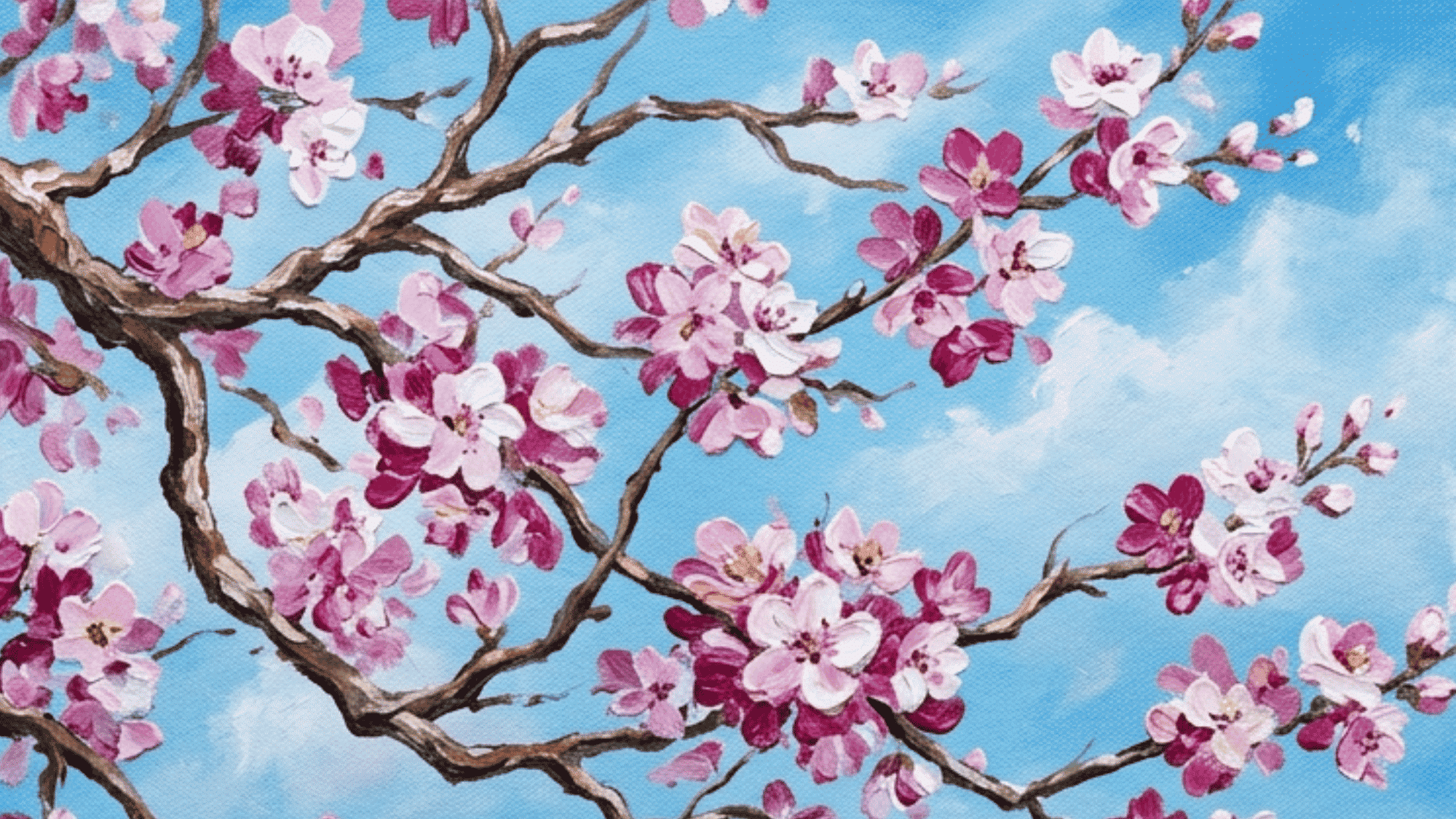
Paint thin dark branches spreading across a bright blue background. Add small pink and white blossoms in clusters using a round brush or sponge.
The soft blossoms stand out well against the clean branch shapes.
6. Koi Fish in a Pond
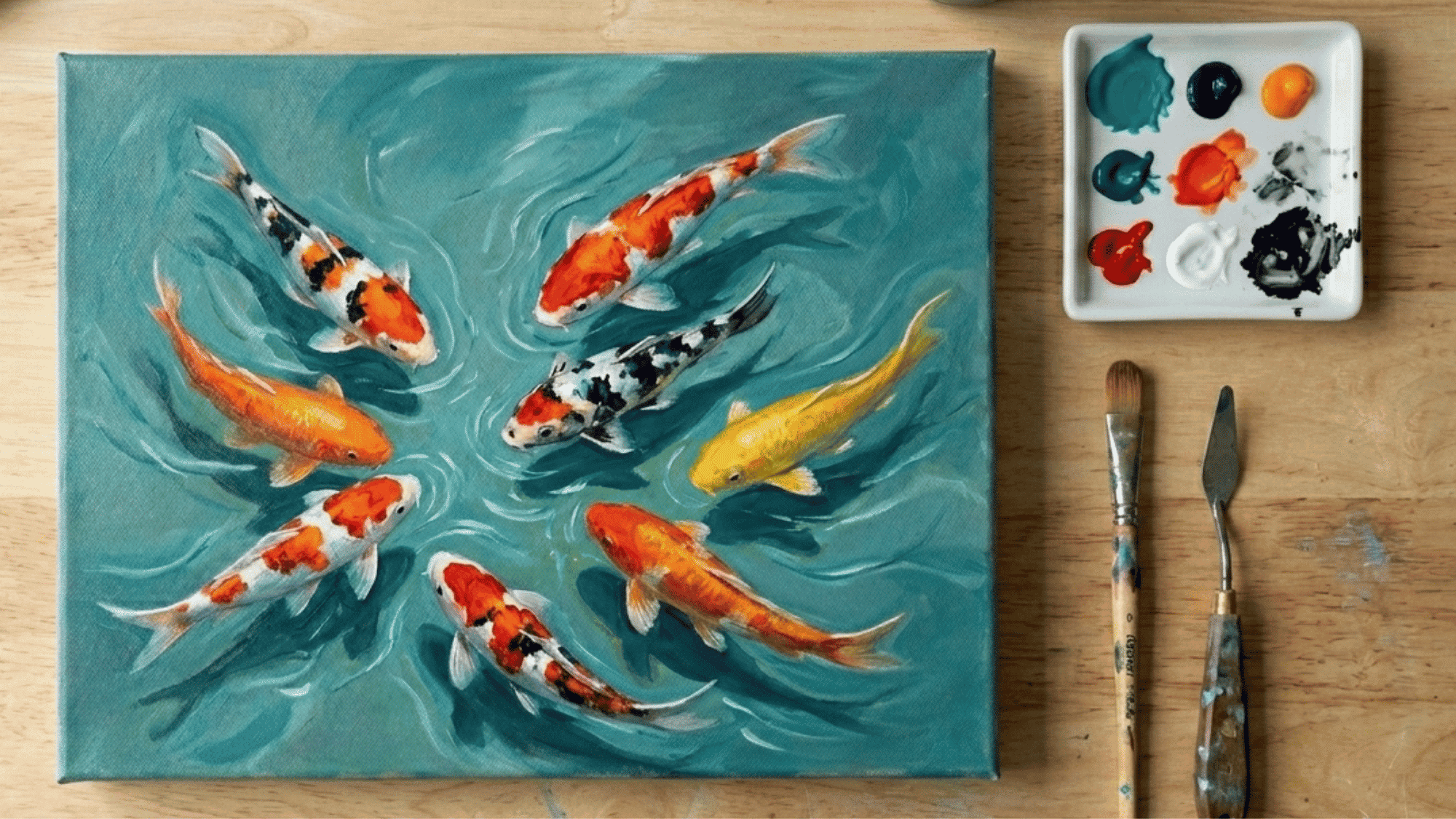
Paint a dark teal or blue-green background for the water. Add orange, white, and red koi fish with smooth, curved body shapes.
White ripple lines around the fish suggest movement and help the composition feel alive.
7. Owl on a Moonlit Branch
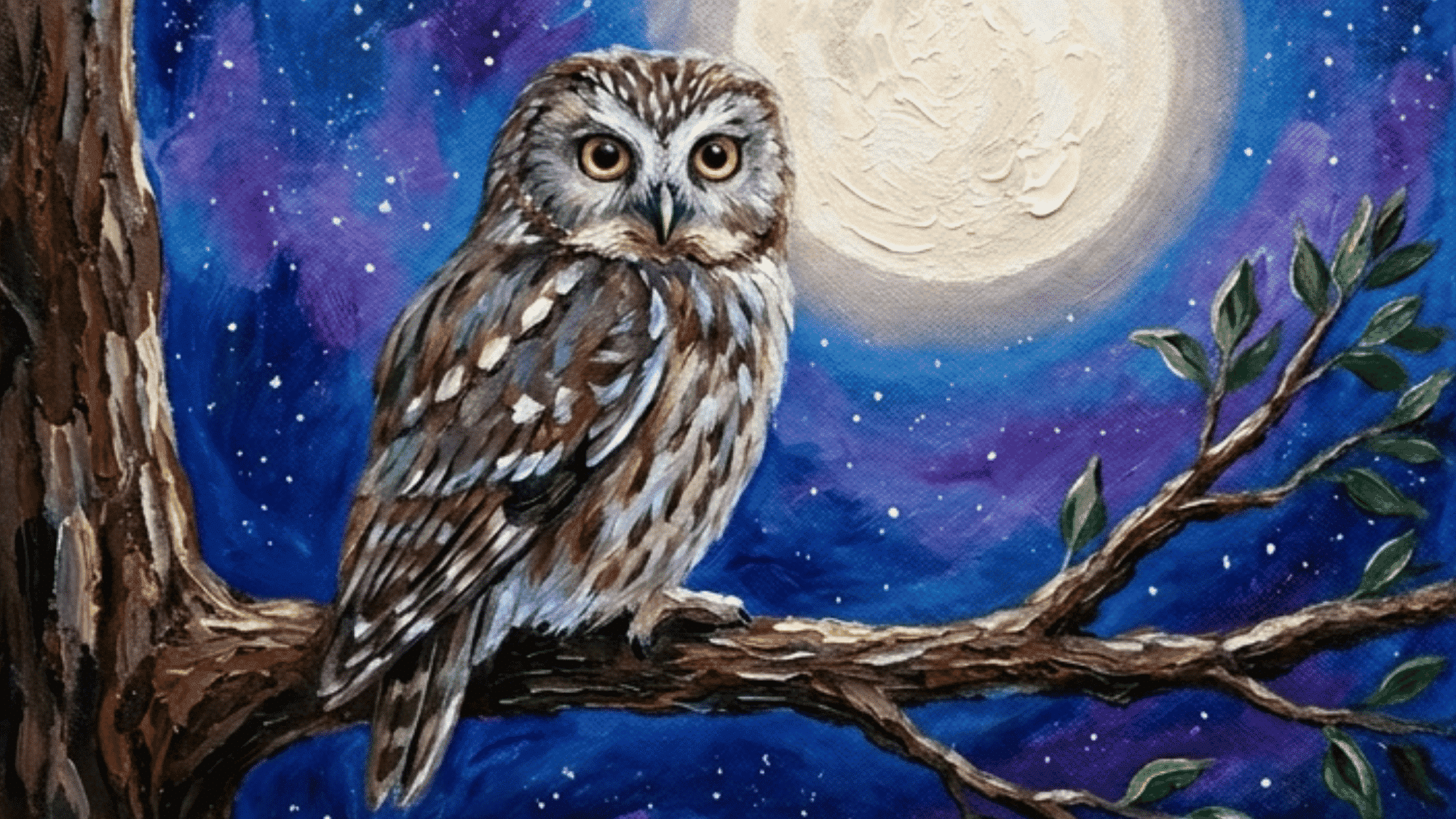
Use a dark blue and purple background for a night sky. Paint a large round moon, then add an owl sitting on a branch in front of it.
Owls have rich texture, so use dry brushstrokes to build the feather layer by layer.
8. Elephant Portrait
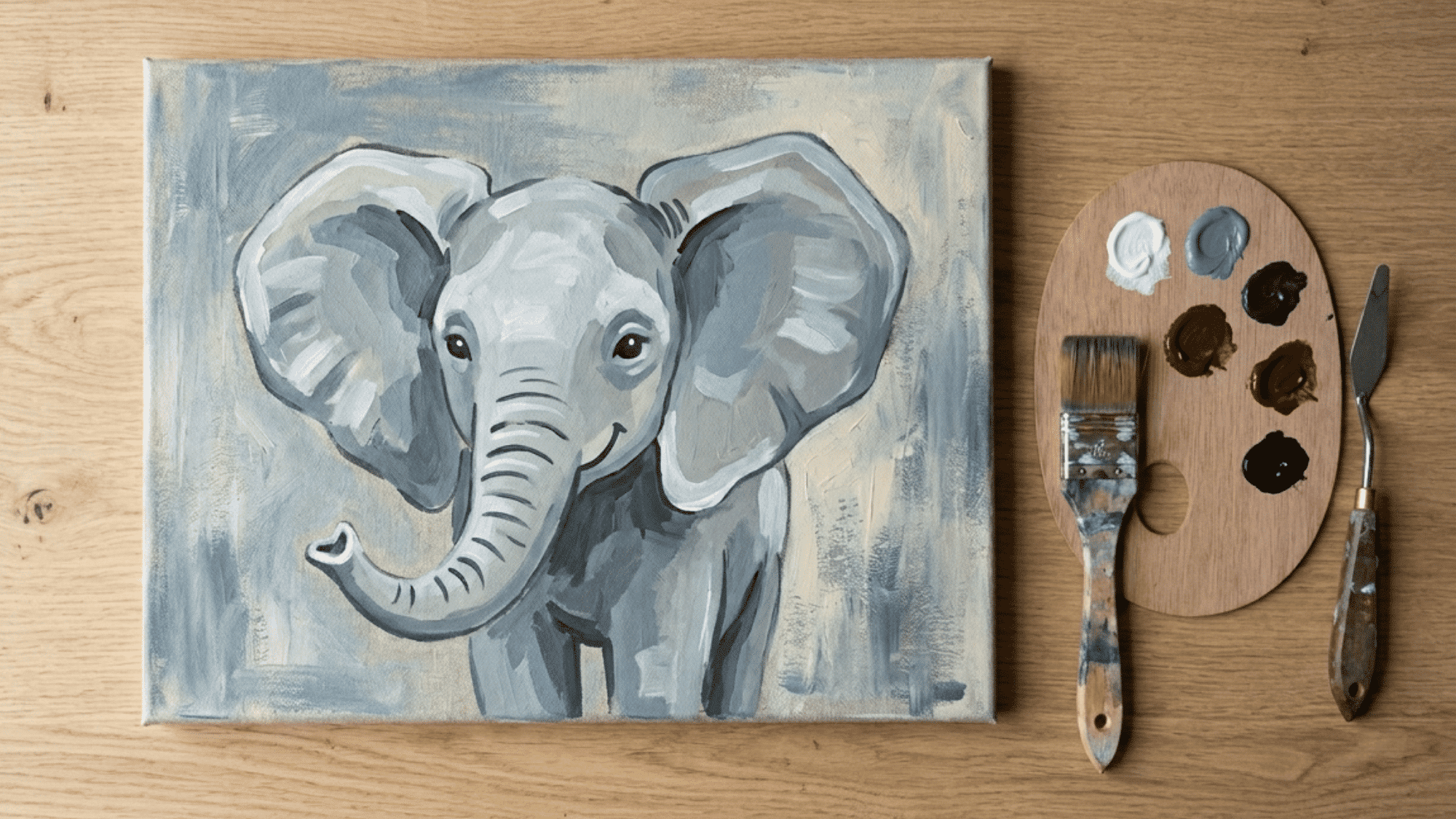
Paint a close-up of an elephant’s face using gray, blue-gray, and brown tones. Wrinkle lines and large ears give you plenty of texture to work with.
A soft, blurred background keeps the focus on the animal.
9. Hummingbird and Flower
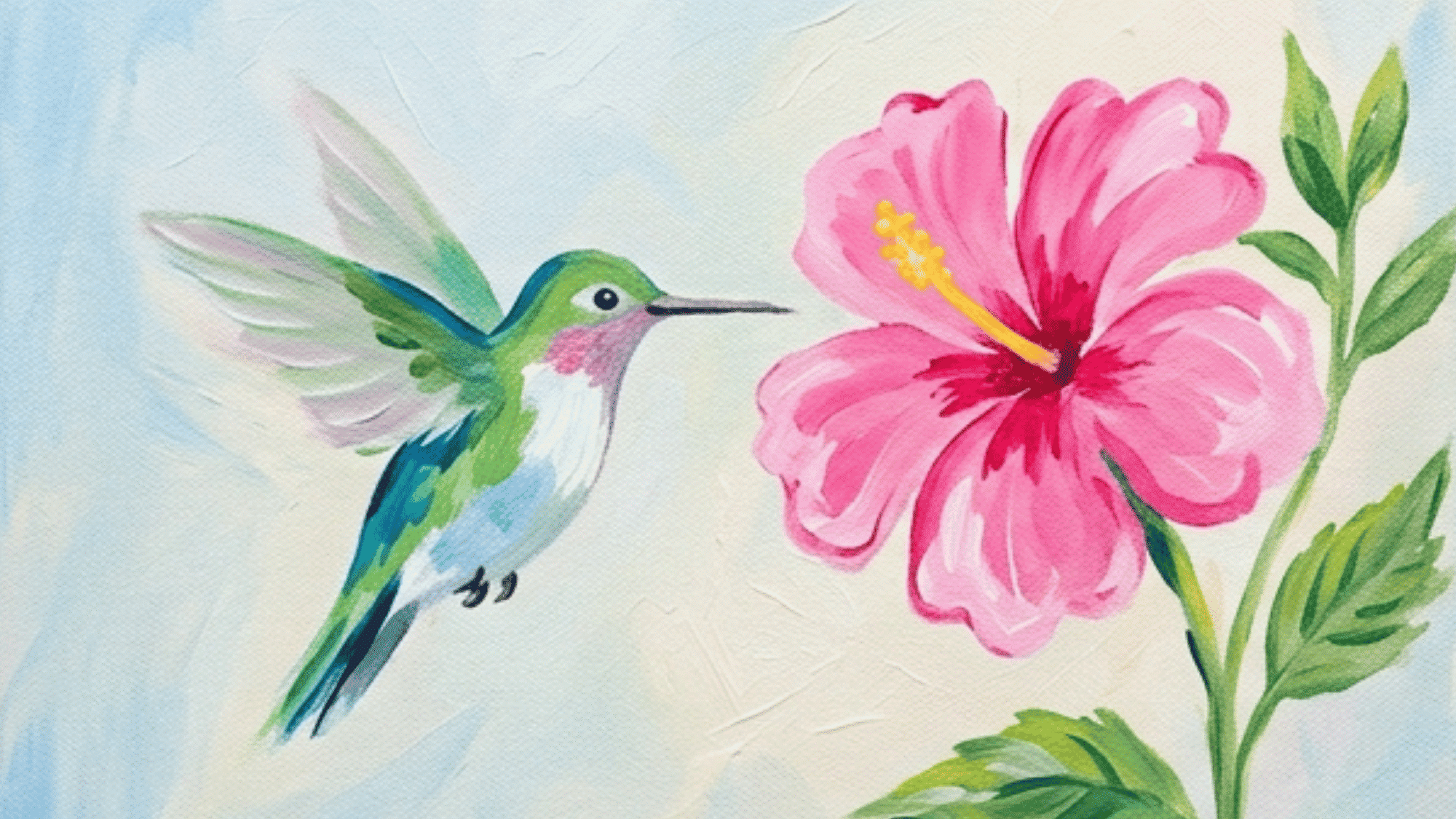
Paint a bright red or pink flower on one side and a hummingbird hovering beside it. Blur the wings with quick strokes to suggest motion.
This subject lets you practice fine detail on the bird and looser brushwork on the flower petals.
10. Geode Slice
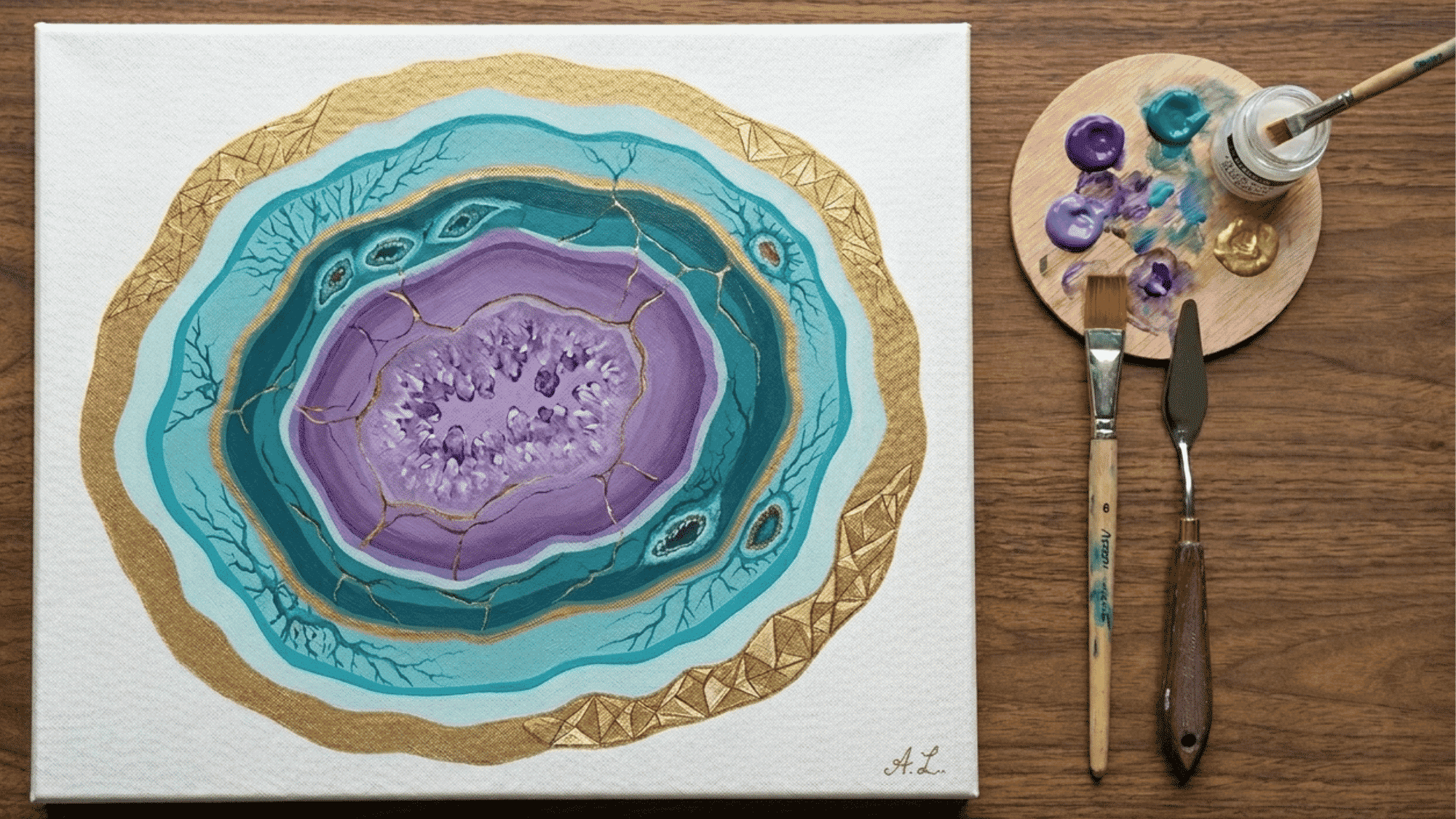
Paint oval rings of color from the outside in, such as dark purple, deep blue, teal, and crystal blue at the center. Add metallic gold paint along the outer ring to mimic the edge of a real geode.
This idea may look complex, but it follows a simple, repeating pattern.
11. Color Field Painting
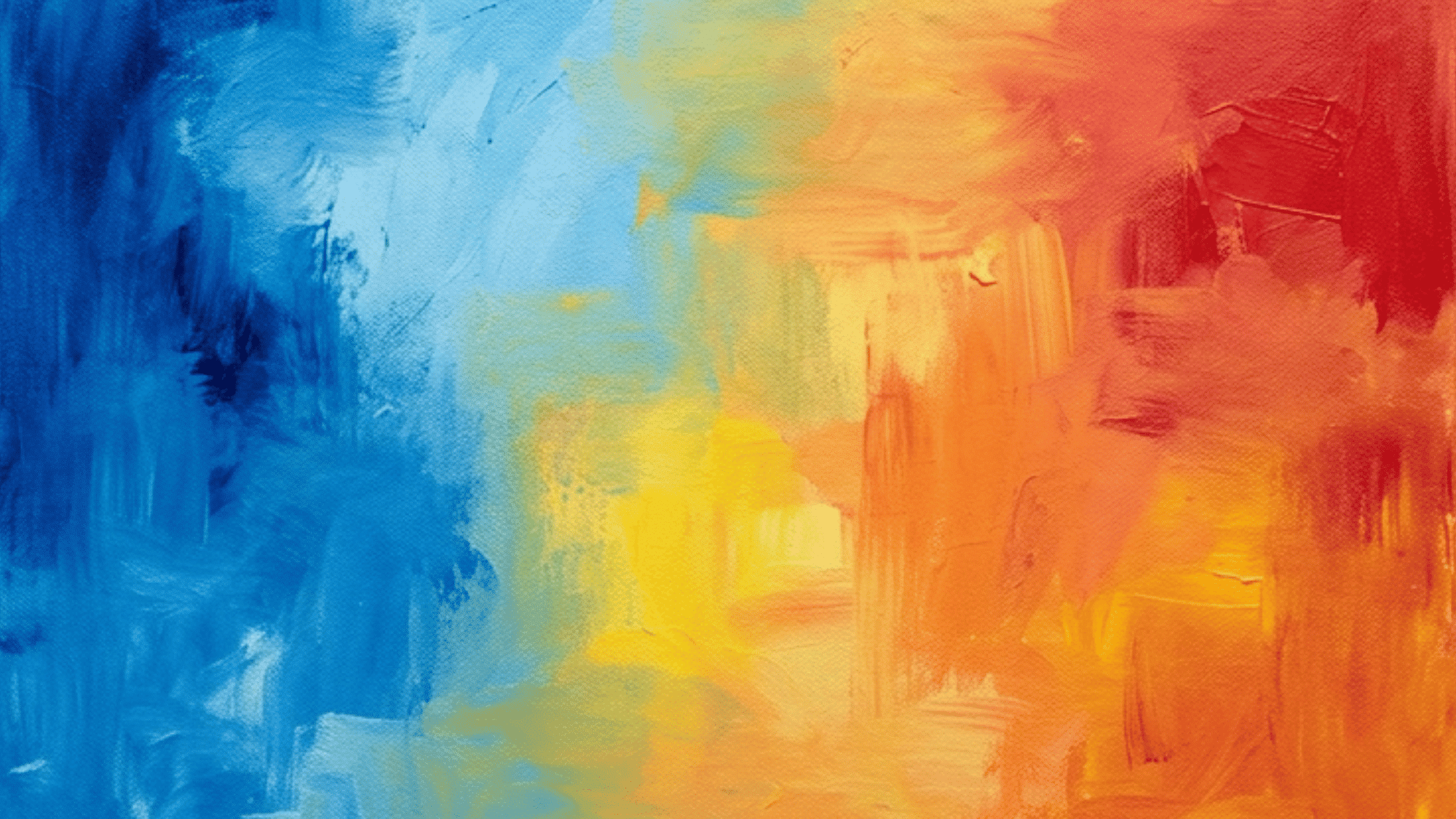
Divide the canvas into large blocks of solid color. Keep the edges clean or let them blend slightly for a softer look.
This style was made famous by American artist Mark Rothko, whose work is part of the Museum of Modern Art collection in New York. The main focus is how colors feel when they sit beside each other.
12. Snowy Pine Trees at Night
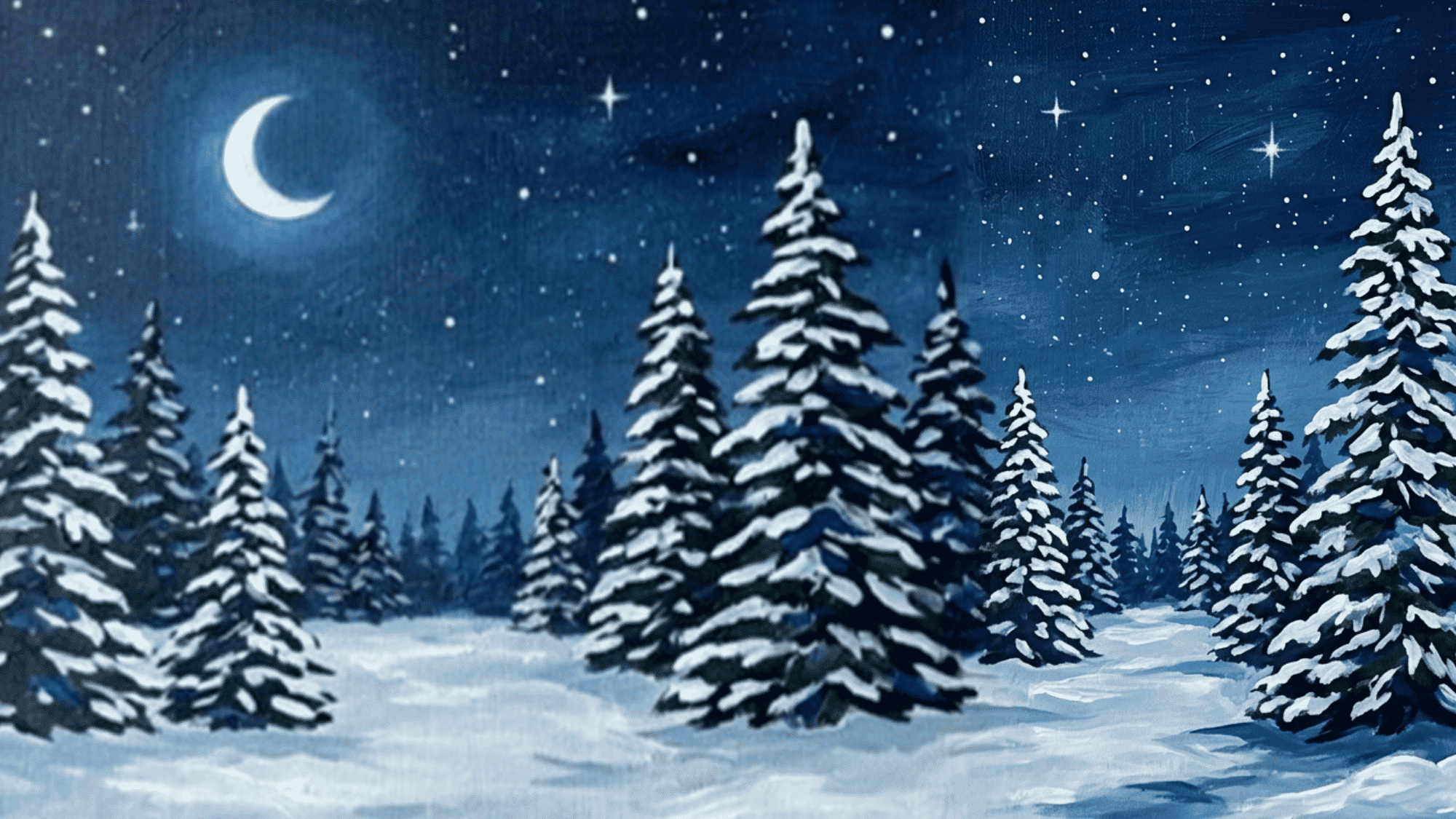
Paint a dark navy sky with a few stars. Add green pine trees with white snow sitting on the branches and a pale moon in the upper corner.
Short horizontal strokes on the branches help the snow look heavy and soft.
13. Geometric Pattern
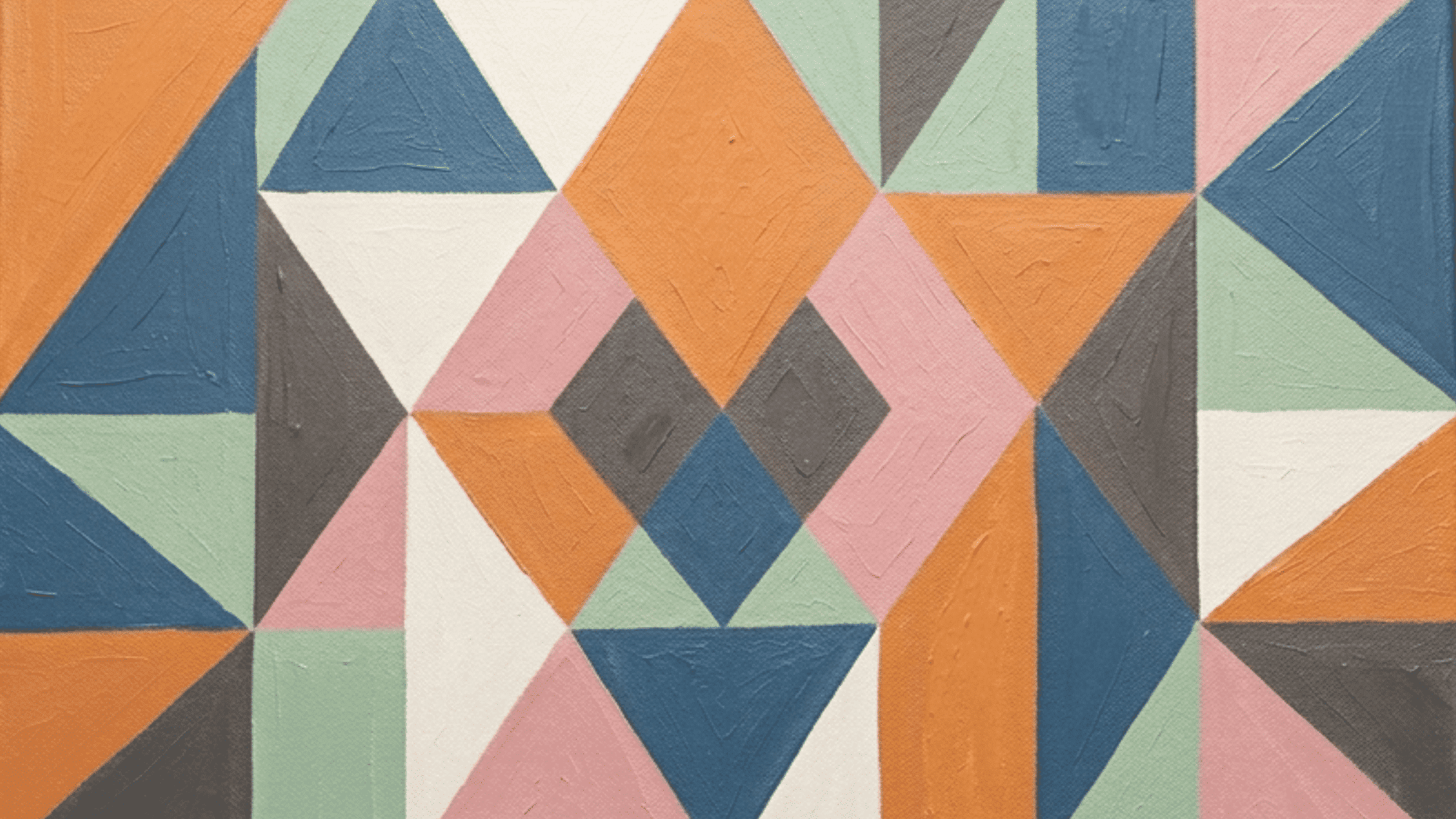
Use painter’s tape to mark off triangles, diamonds, or rectangles across the canvas. Fill each shape with a different color.
Peel the tape once the paint is dry for clean, sharp edges. The result looks neat and planned, even though the process is simple.
14. Coffee Mug on a Table
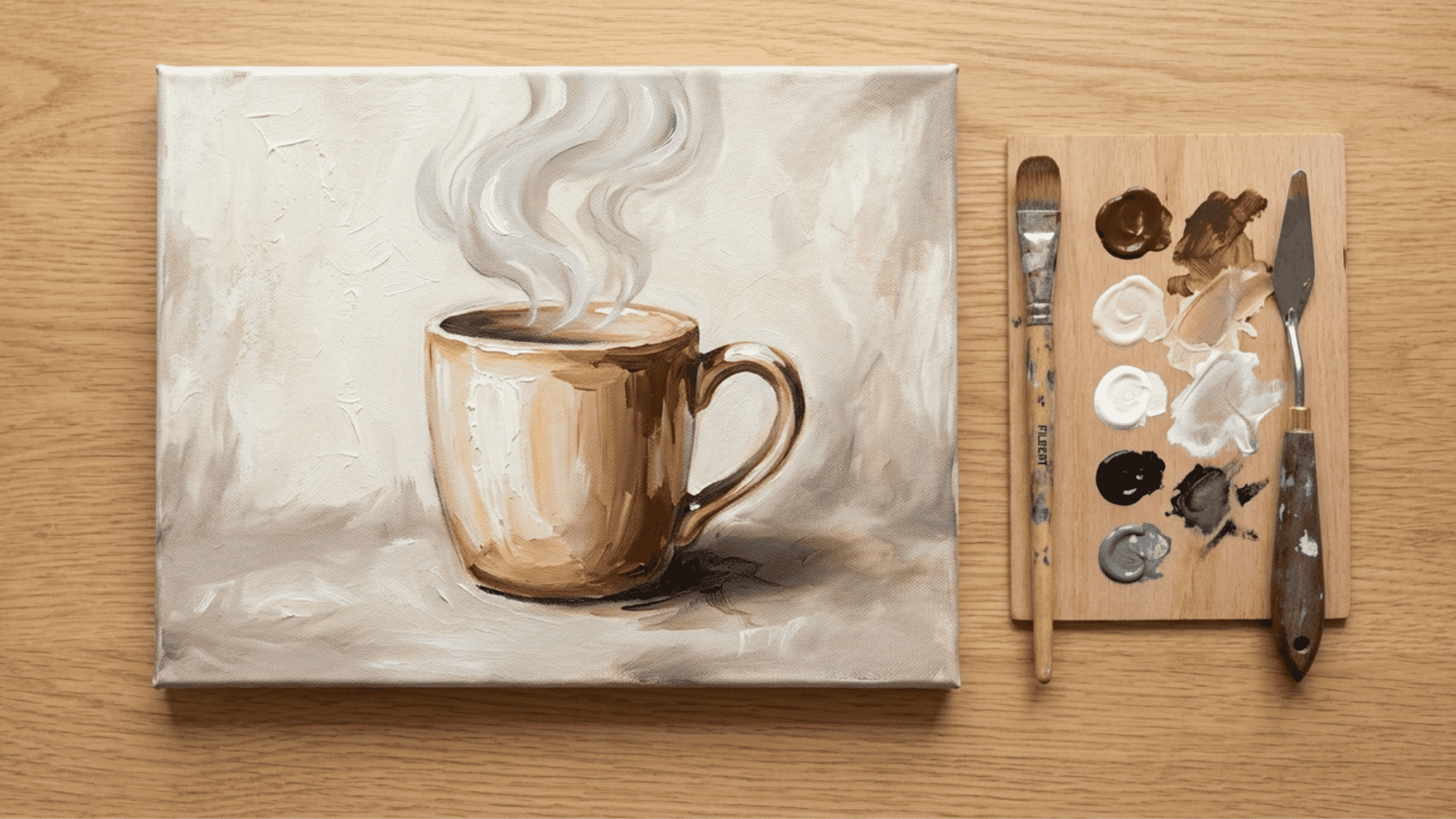
Paint a simple mug with steam rising from it against a plain background. This everyday object teaches you about curved surfaces, cast shadows, and highlights.
Change the background color or add a book beside the mug to make the scene your own.
15. Glass Vase with Water
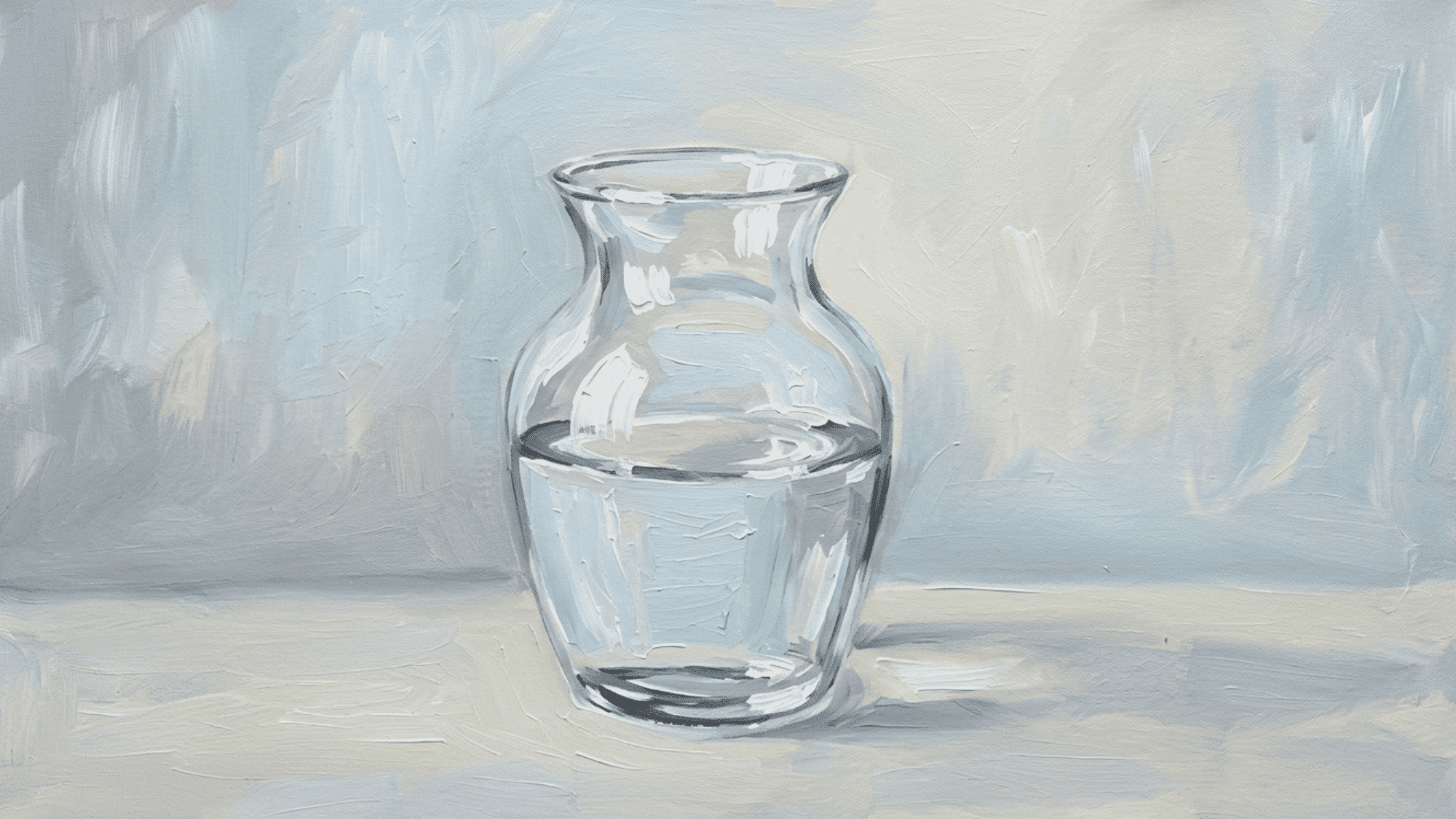
A clear glass vase is a good challenge for intermediate beginners. Use white, light blue, and pale gray to suggest the glass.
The reflections and slight changes in the background are what make this subject interesting to paint.
16. Stack of Old Books
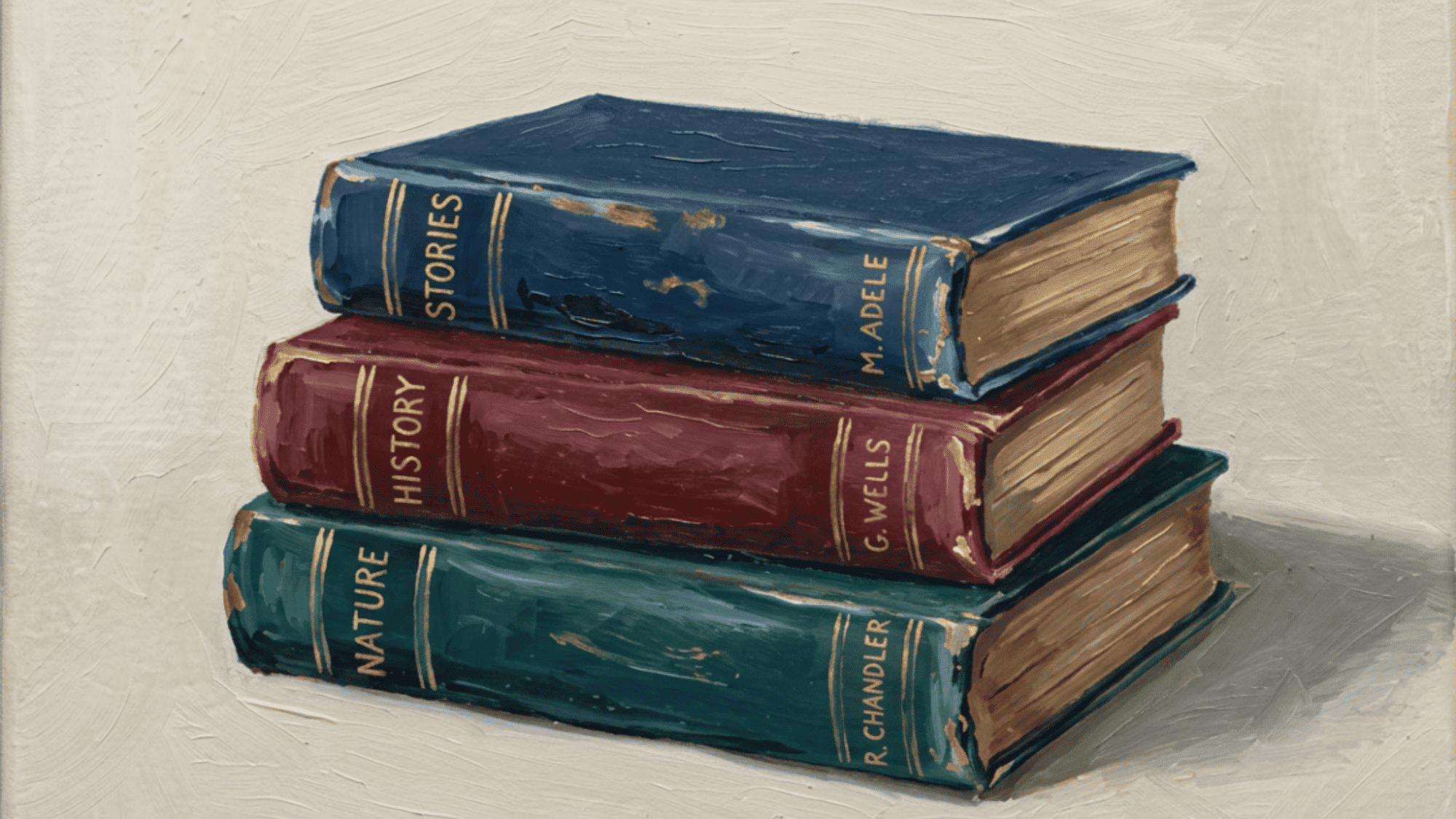
Paint three or four books stacked at different angles. Give each book a different-colored spine and add worn edges with a soft shadow underneath.
This is a low-pressure subject with enough variety in shape and color to keep it interesting.
17. Lantern in the Dark
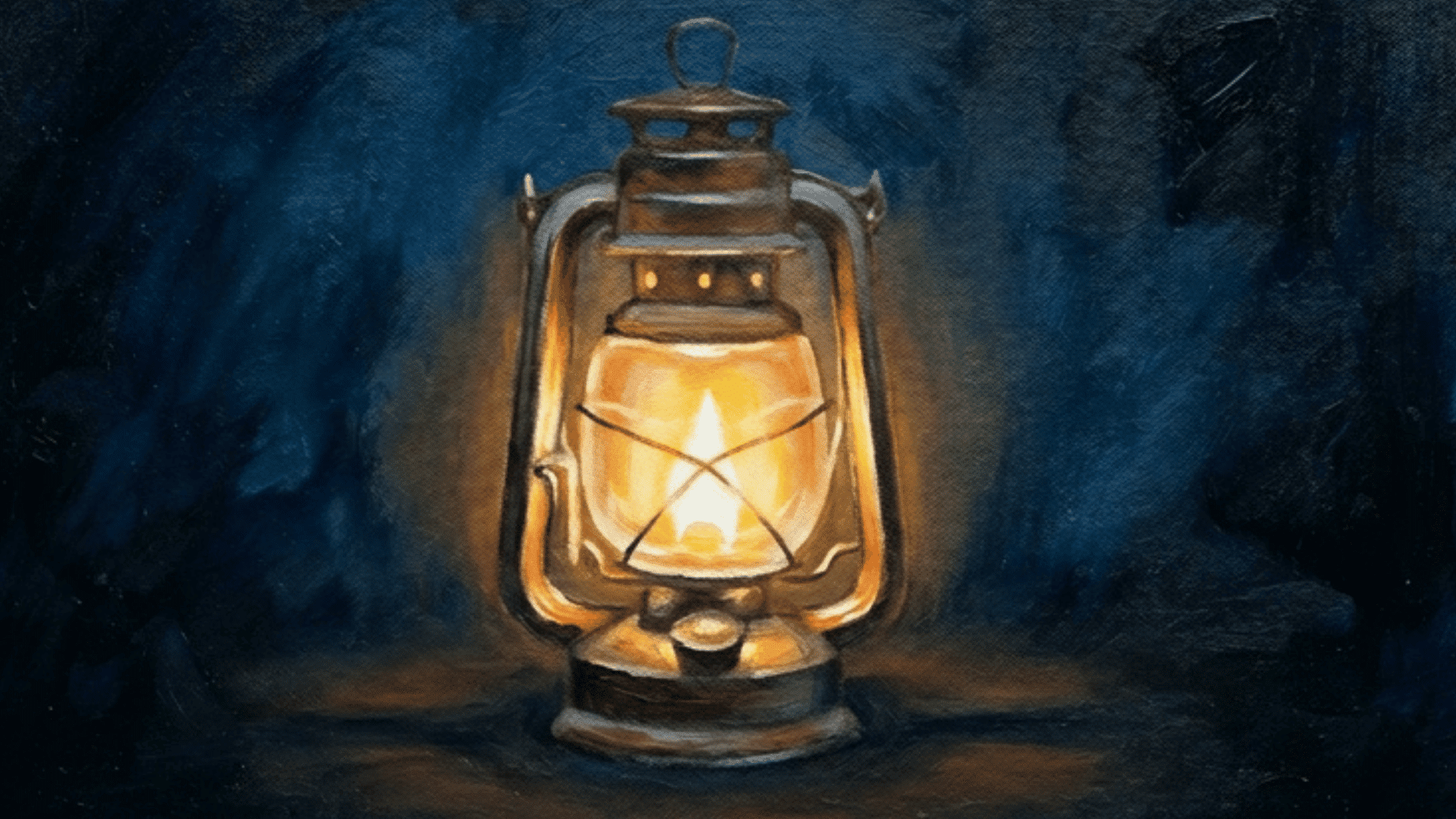
Place a glowing lantern against a very dark background. Use yellow, orange, and warm white for the light, then let it fade outward into deep brown and black.
The glow effect teaches you how light softens as it spreads, which is useful for many other painting subjects.
18. Snowy Village
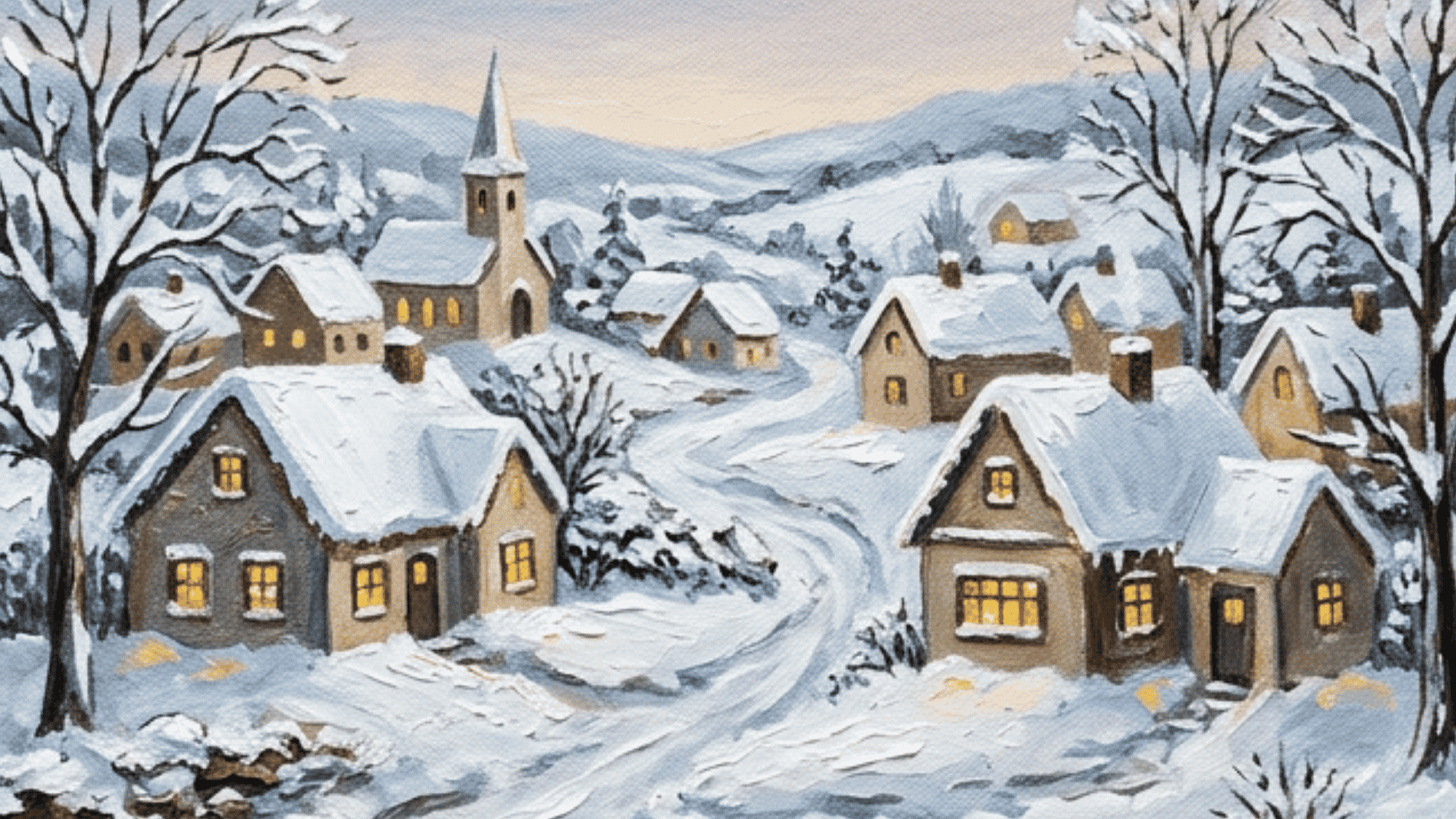
Paint a quiet winter scene with small houses, snow-covered roofs, and bare trees. Use white, light blue, and gray for the snow. Warm yellow light in the windows adds a cozy contrast to the cold tones outside.
19. Pumpkin Patch in Fall
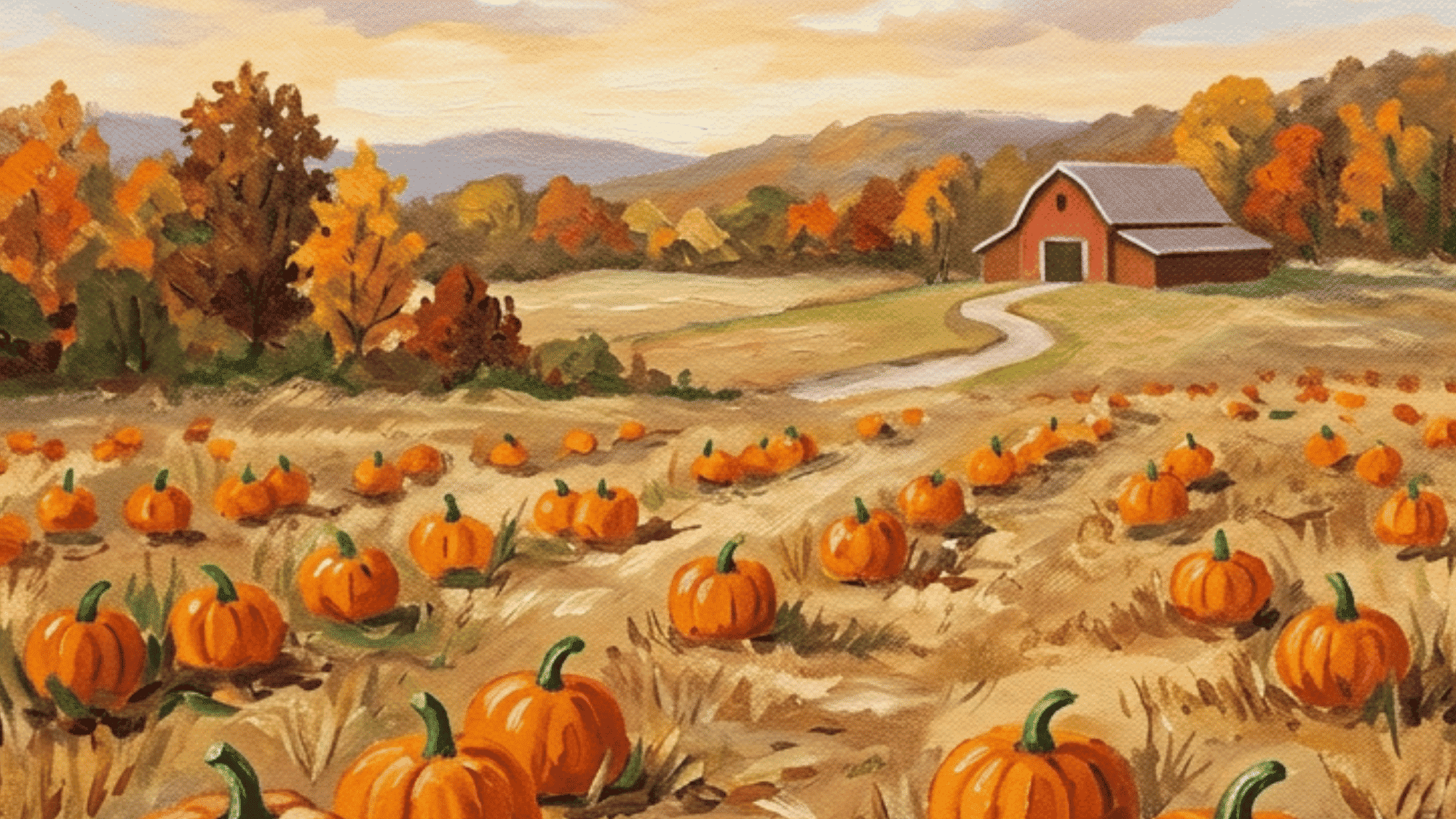
Paint a group of pumpkins in orange, yellow, and deep red against a background of brown grass and bare trees. Vary the size and shape of the pumpkins so the scene feels natural.
This is a popular project for fall painting classes across the US.
20. Fireworks
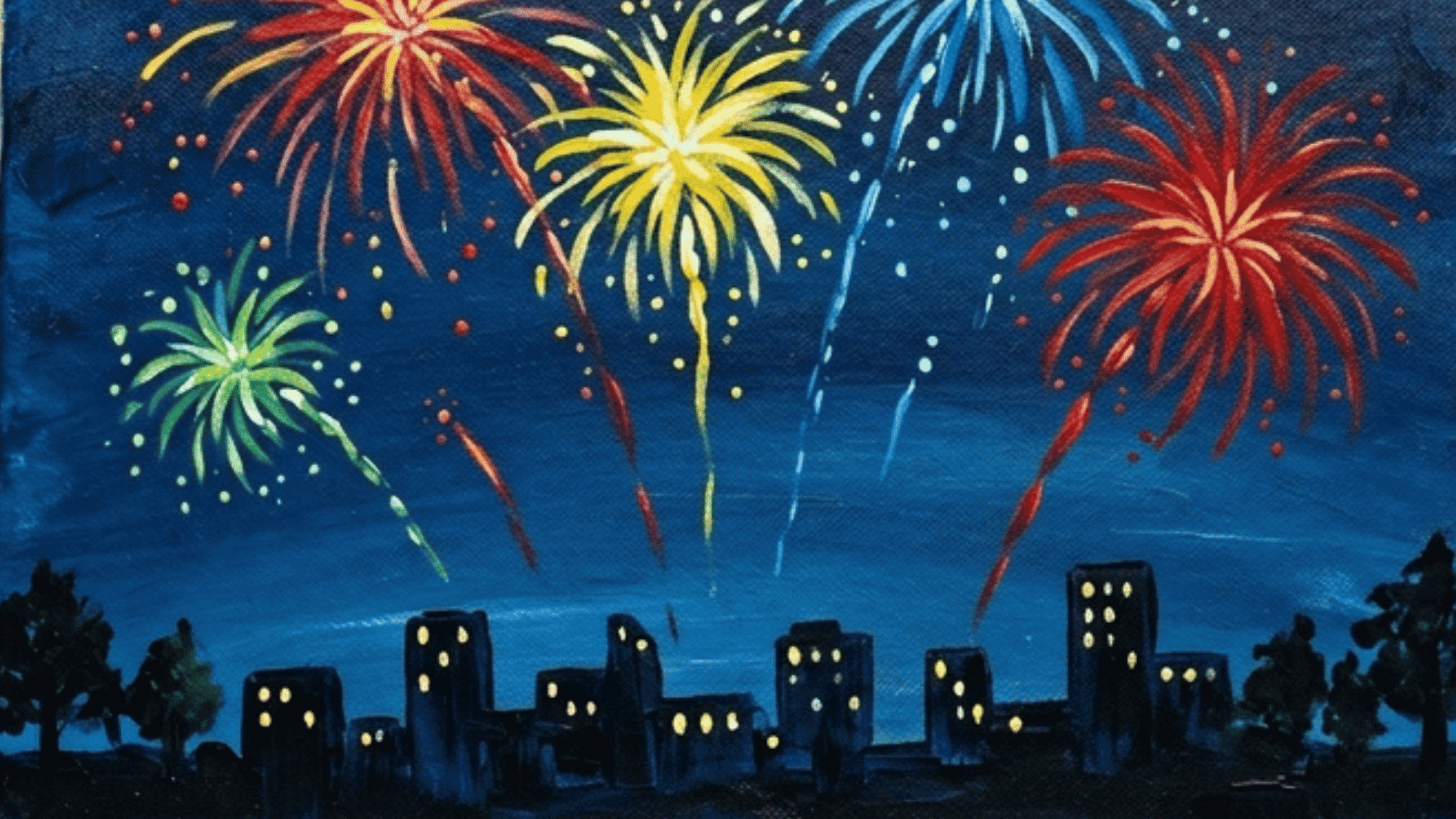
Use a black background and paint bursts of red, white, and blue with a fan brush or the tips of a dry brush. Add a dark city skyline at the bottom for scale.
Every burst of fireworks can look different, so there is no wrong way to paint this one.
21. Fluid Pour Effect
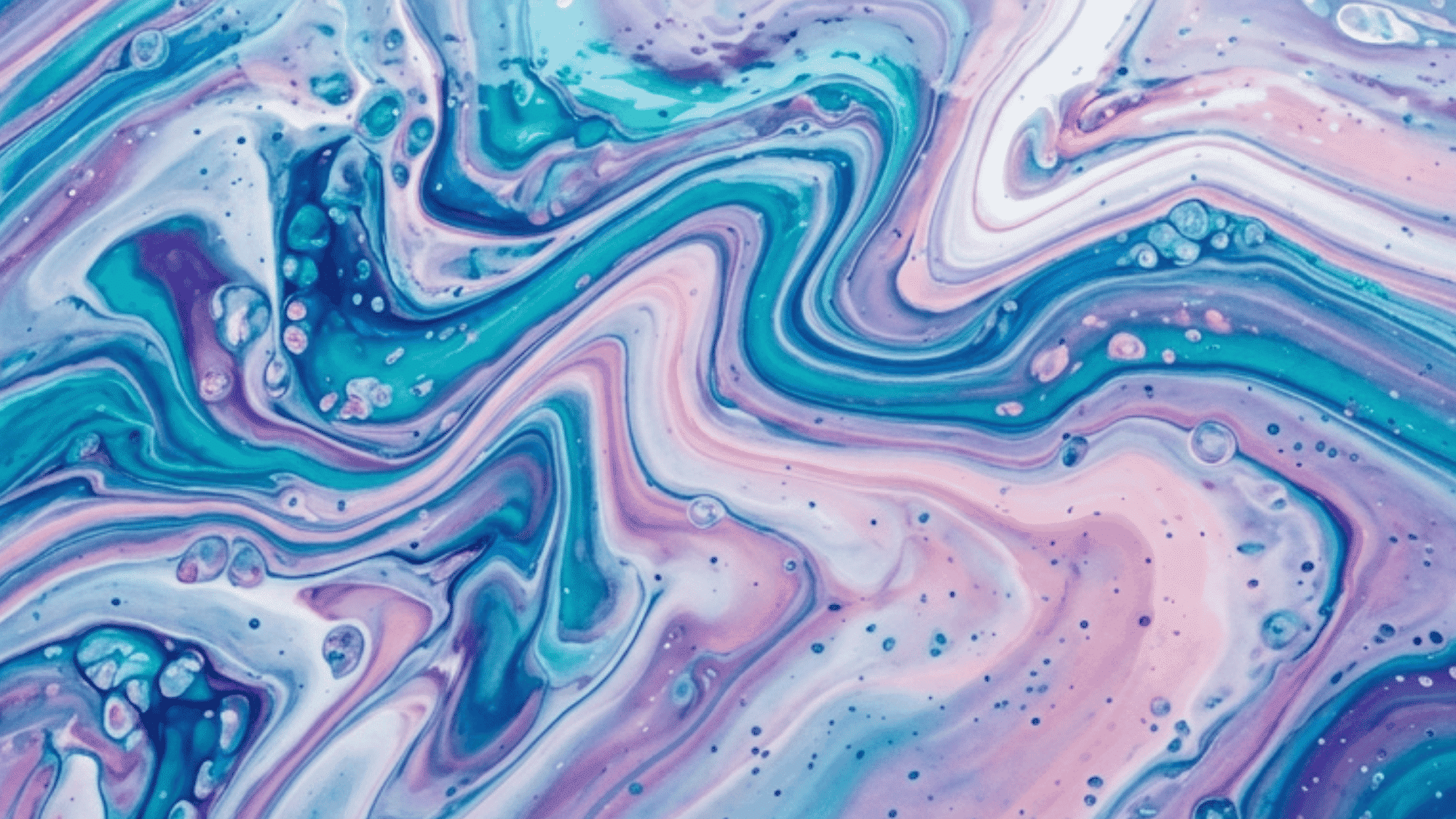
Mix acrylic paint with a pouring medium and let the colors flow across the canvas naturally. Tilt the canvas to move the paint. No brushwork is needed because the movement of the paint does most of the work.
Tips for Acrylic Paintings
Quick tips can help you avoid common acrylic painting mistakes before you begin. These simple habits will help your colors stay cleaner, your brushes last longer, and your layers look smoother.
- Prime your surface: A coat of gesso before painting helps the paint stick better and makes colors look brighter.
- Work light to dark: Start with lighter base colors and add darker tones on top to build shape and shadow.
- Keep your palette wet: Lightly mist your paint with water to stop it from drying out between strokes.
- Rinse brushes often: Dried acrylic on brush bristles is hard to remove. Rinse brushes in water between colors, and never let them sit upright in water.
- Use a limited palette: Start each painting with four to five colors. Fewer colors can mean less muddy mixing and cleaner results.
- Let layers dry fully: Acrylic layers often dry in 20 to 30 minutes, but thick paint may take longer. Rushing the next layer can lift the paint beneath it.
The Final Brushstroke
Acrylic painting becomes easier when you stop searching for the perfect idea and choose one subject that feels doable. The goal is not to make a flawless canvas on your first try.
The goal is to learn how your colors mix, how your brush moves, and what kind of subjects you enjoy painting most.
These acrylic painting ideas are starting points, not strict rules. Pick one from this list, set up your supplies, and let the first layer be simple. You can change the colors, add your own details, or try the same idea again in a new way.
Every canvas helps you build confidence. Try one idea today, then leave a comment and tell us which project you painted first.