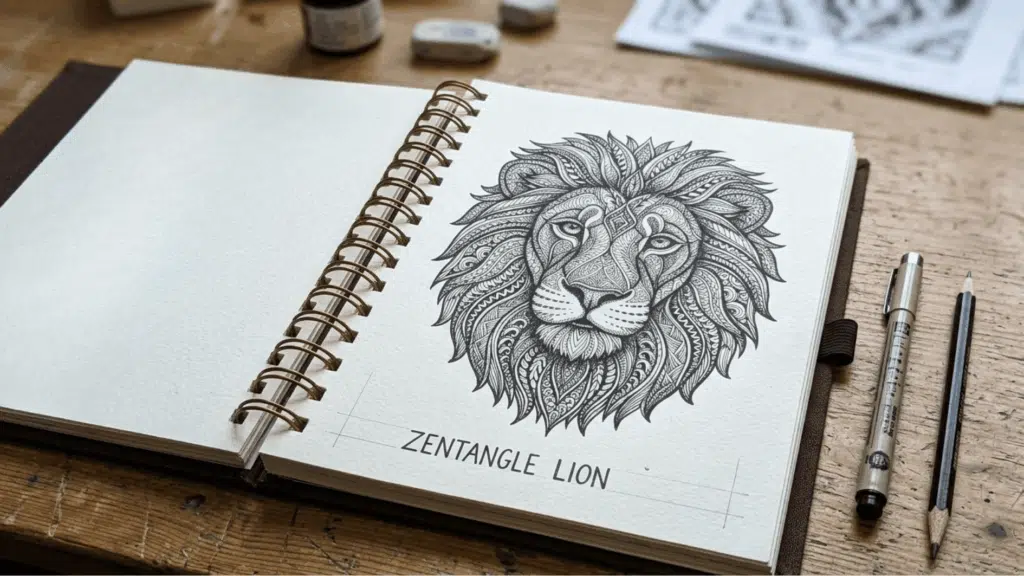
Art can turn an ordinary school day into something memorable. A blank sheet of paper often becomes the starting point for fresh ideas and self-expression.
The right art project can help students think differently and build confidence. It also gives them a chance to share their personality through colors, shapes, and designs.
This collection of middle school art projects includes a mix of drawing, painting, sculpture, and craft activities. These middle school art lessons are simple to follow and work well for a range of skill levels.
What Makes a Good Middle School Art Project?
A good art project gives students clear steps, simple materials, and enough freedom to make personal choices. It should feel fun, but not so open-ended that students feel unsure about where to begin.
Middle school students often enjoy projects that let them draw, paint, build, cut, layer, or experiment with color. When the activity feels hands-on, they are more likely to stay focused and enjoy the process.
Strong middle school art lessons also accommodate different skill levels. One student may keep the idea simple, while another may add more detail, pattern, or texture.
That balance makes the classroom feel more relaxed and creative. Students can follow the same lesson while still creating artwork that feels like their own.
Creative Middle School Art Projects to Try
Here are some simple and fun project ideas that work well for middle school students. Each one gives students a clear starting point while still leaving room for their own style and choices.
1. One-Point Perspective City
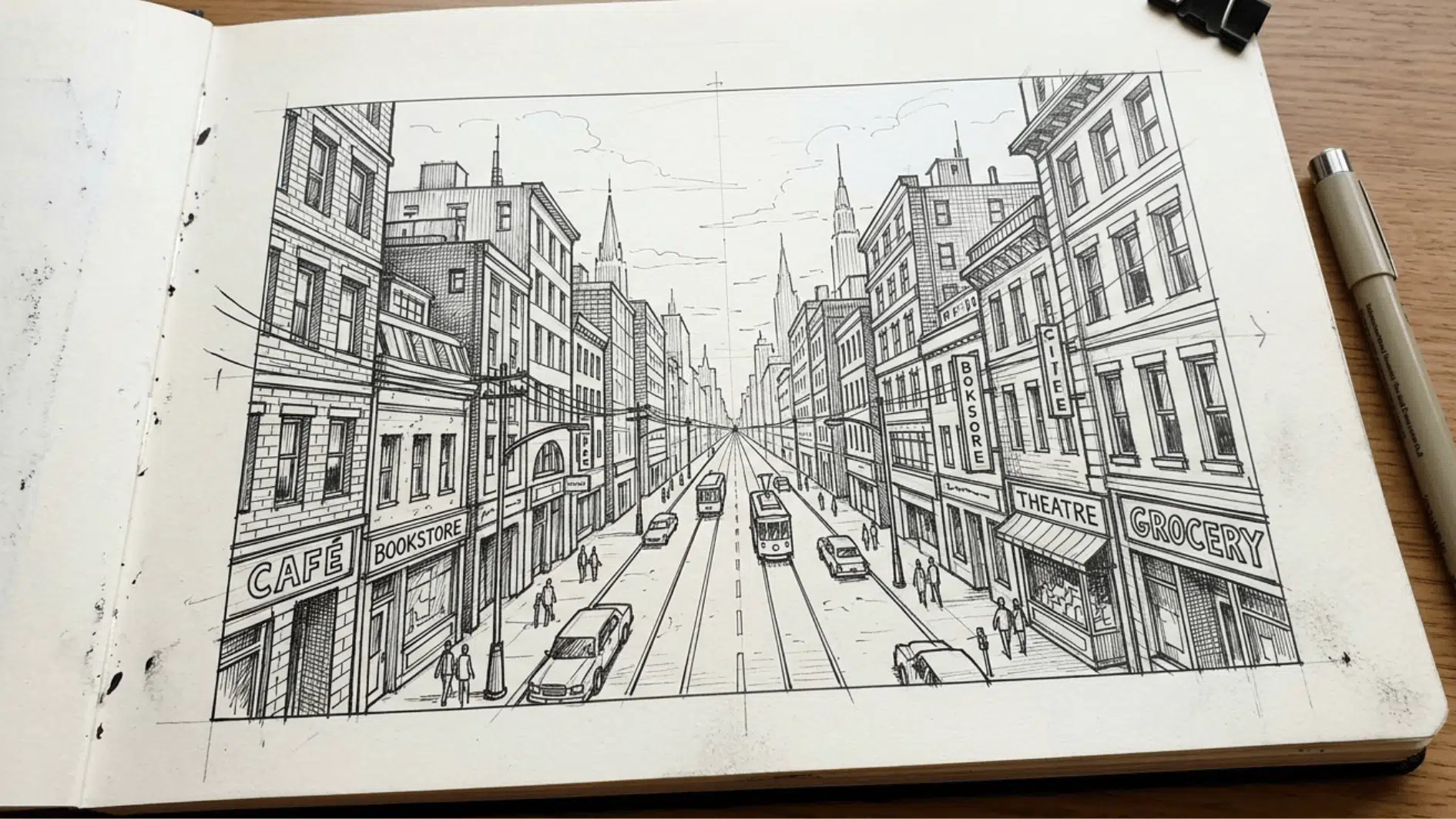
This project is a good choice for students ready to learn how artists convey distance on a flat page. They can design roads, buildings, windows, signs, and tiny details that make their city feel personal.
- Materials Needed: Paper, ruler, pencil, markers
- How to Make It: Draw a horizon line, add one vanishing point, and build streets and buildings around it.
- Skills Students Build: Perspective, planning, ruler use
- Creative Twist: Design a city from the future.
2. Watercolor Galaxy Art
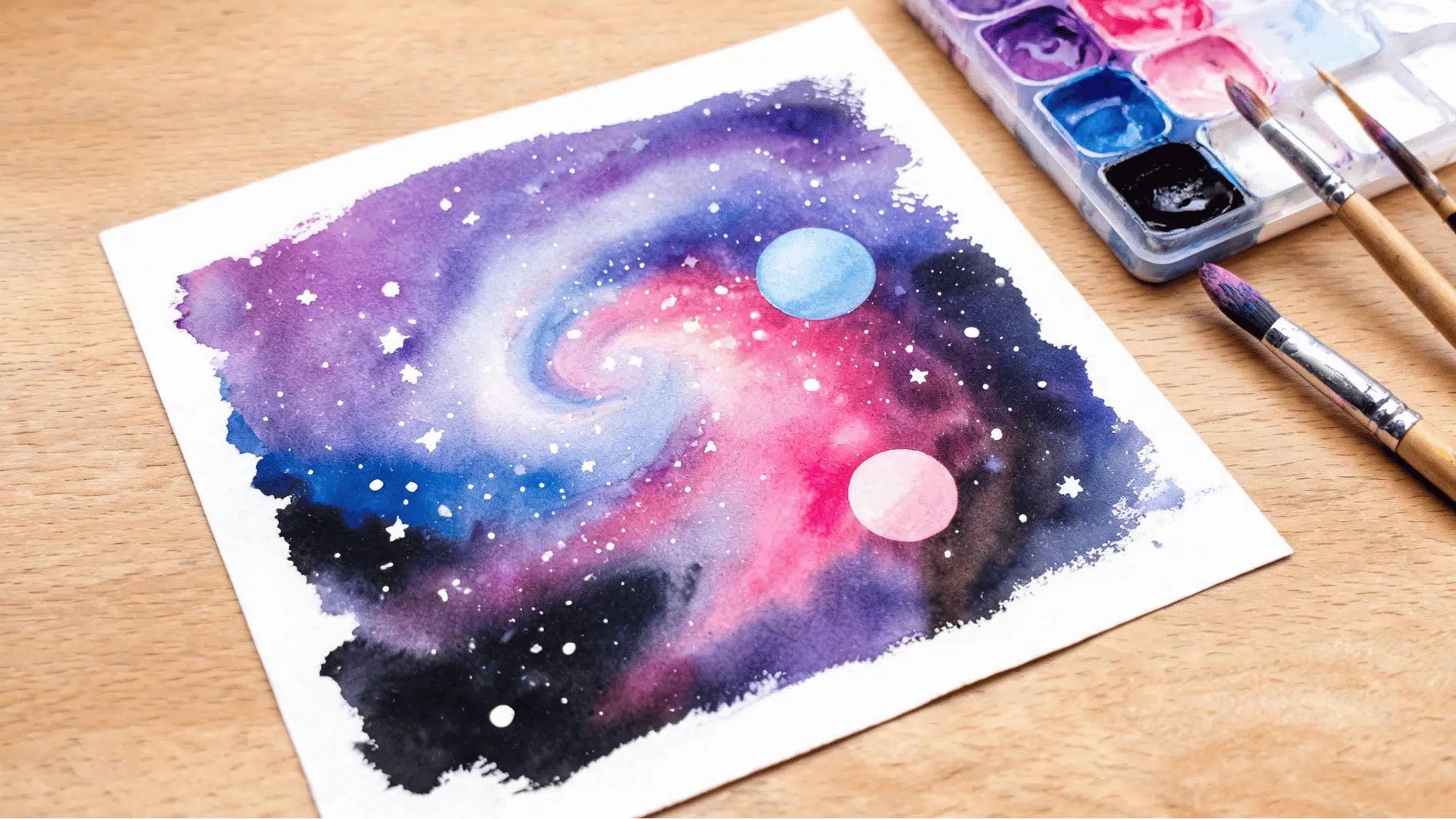
This project gives students a chance to play with color, water, and soft blending. Since the final result does not need to be perfect, it works well for students who may feel nervous about drawing.
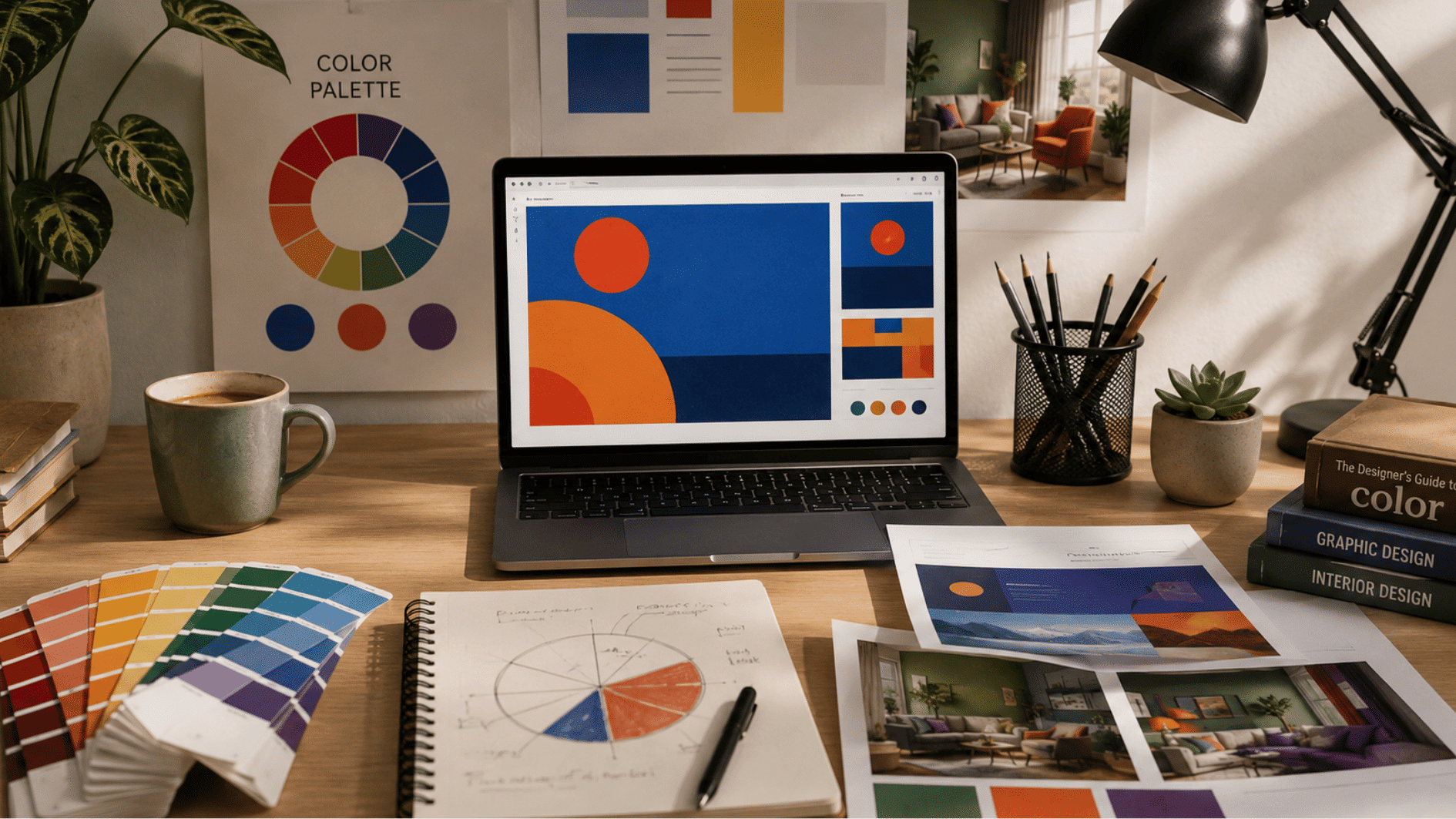
Before diving in, it helps to have a solid grasp of how colors interact. This guide to primary and secondary colors makes color mixing feel far more intuitive for first-time painters.
- Materials Needed: Watercolor paper, paints, brushes, white paint
- How to Make It: Blend dark colors, let them dry, then add white paint stars.
- Skills Students Build: Color blending, brush control, patience
- Creative Twist: Add planets, rockets, or constellations.
3. Magazine Collage Portrait
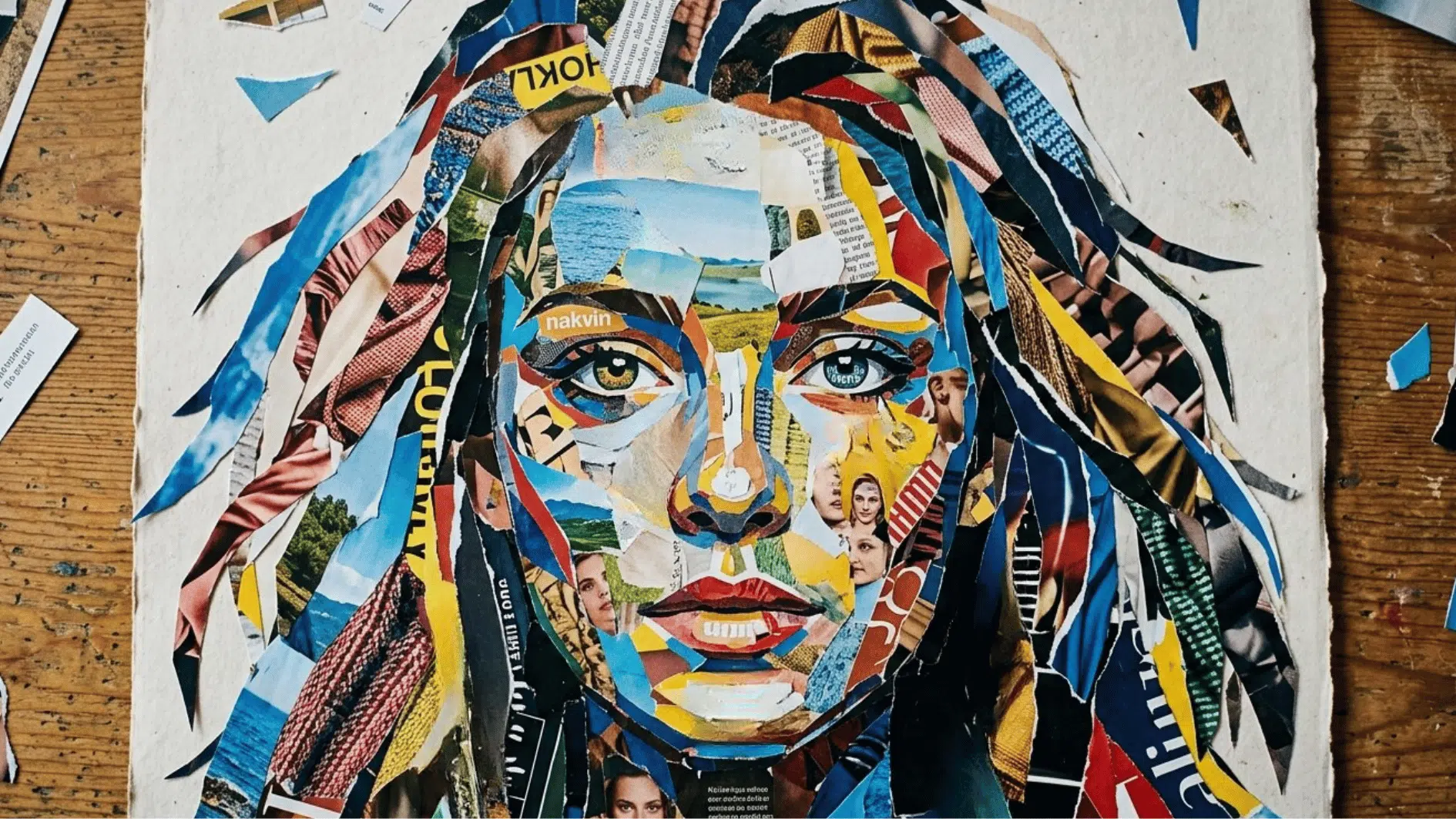
This activity helps students create a portrait without relying only on face drawing. They can use colors, images, words, and patterns to show their interests, mood, and personality.
- Materials Needed: Magazines, scissors, glue, paper
- How to Make It: Cut out images and arrange them into a portrait shape.
- Skills Students Build: Composition, self-expression, visual storytelling
- Creative Twist: Use only images that show hobbies or goals.
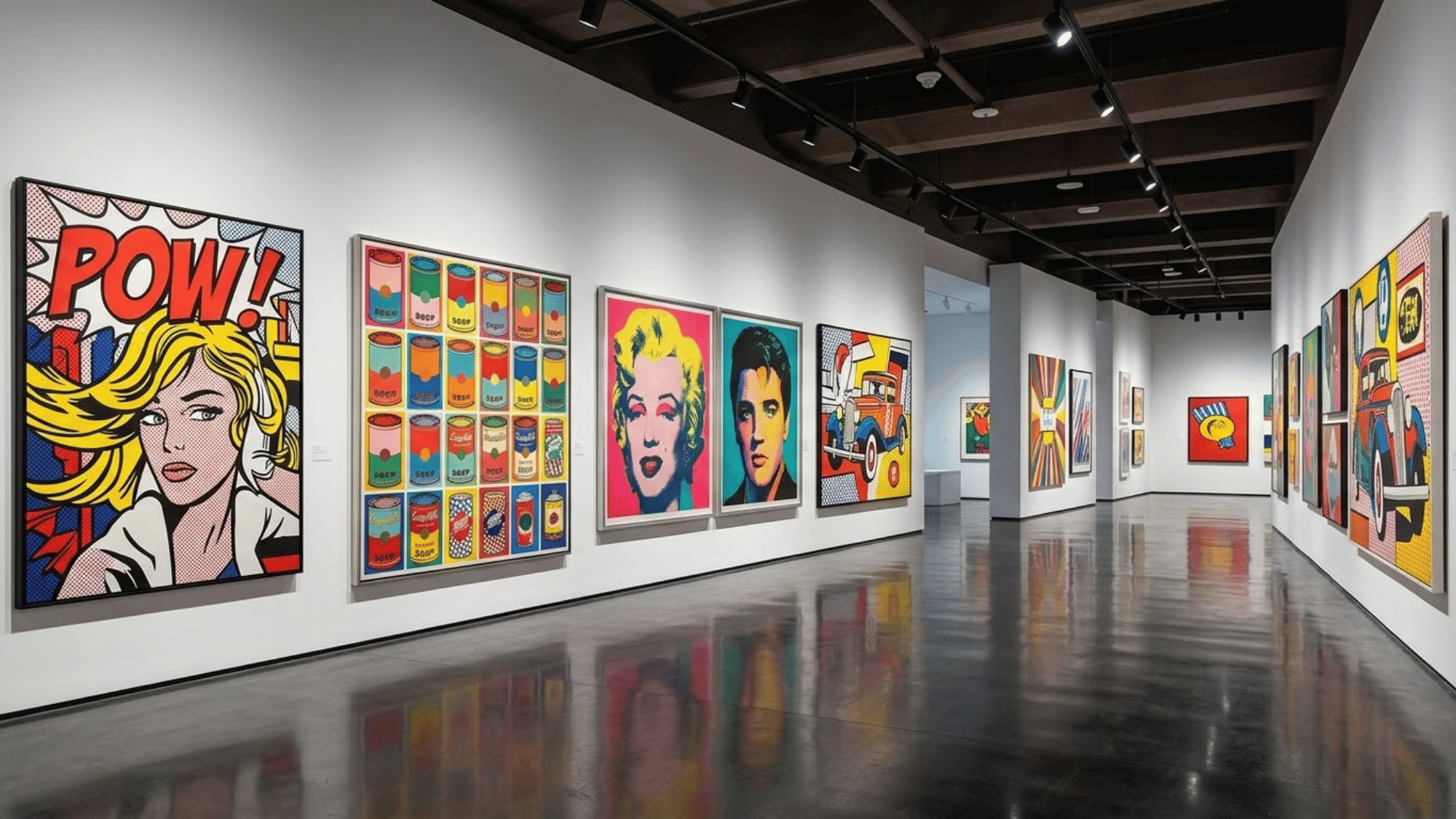
4. Pop Art Name Design
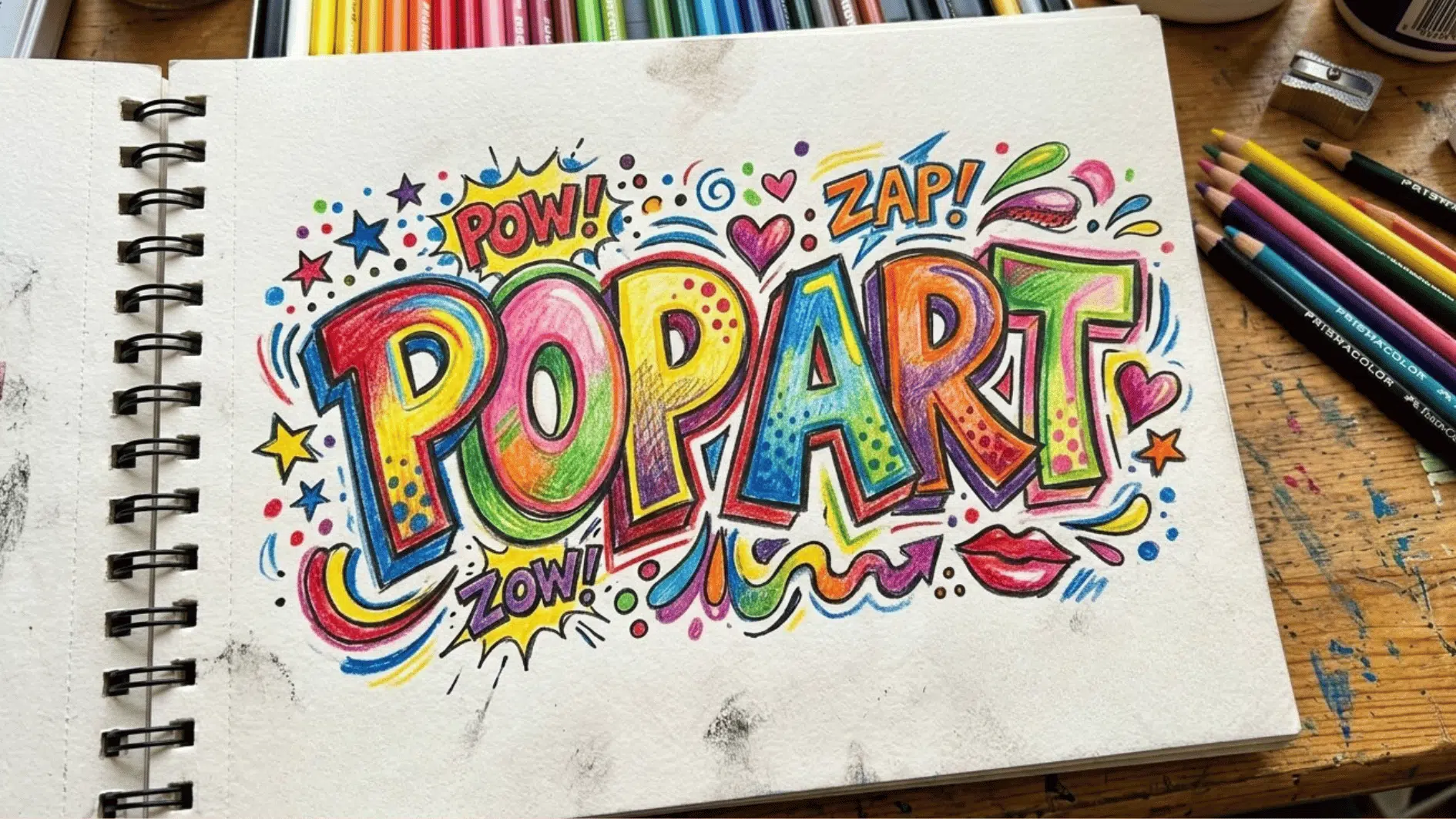
This project turns a student’s name into a bold design filled with color and pattern. It is simple to start, but students can add plenty of personal details as they work.
- Materials Needed: Paper, pencil, markers, colored pencils
- How to Make It: Draw large letters and fill each one with patterns and bright colors.
- Skills Students Build: Lettering, pattern, color choice
- Creative Twist: Add comic-style shapes or speech bubbles.
5. Clay Creature Creations
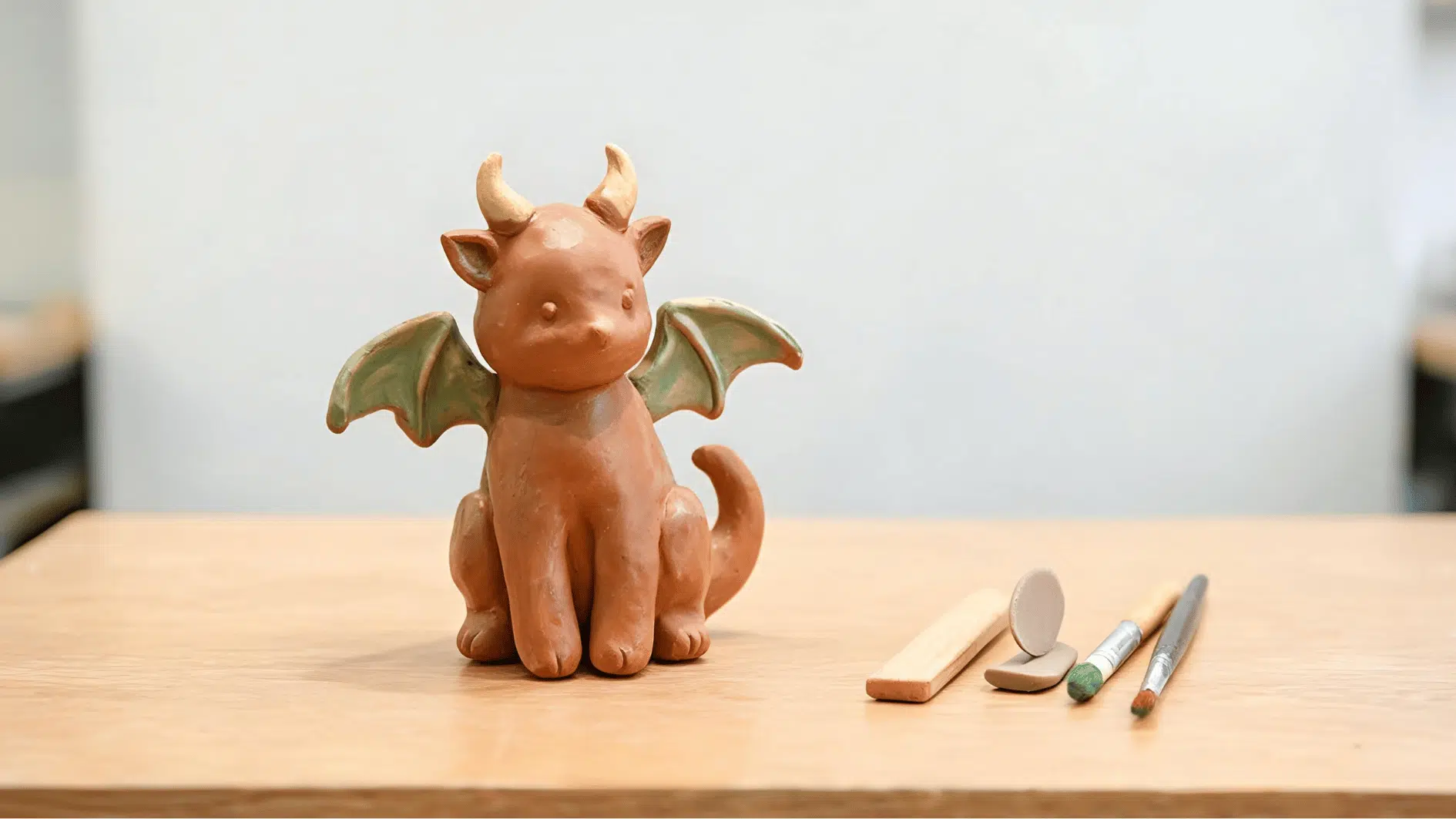
This hands-on project lets students build a small creature from clay. They can shape eyes, teeth, wings, tails, or horns to give their creature a fun personality.
- Materials Needed: Clay, clay tools, water, paint
- How to Make It: Shape a basic body, add features, let it dry, then paint it.
- Skills Students Build: Sculpture, texture, hand-building
- Creative Twist: Write a short story about the creature.
6. Zentangle Animal Art
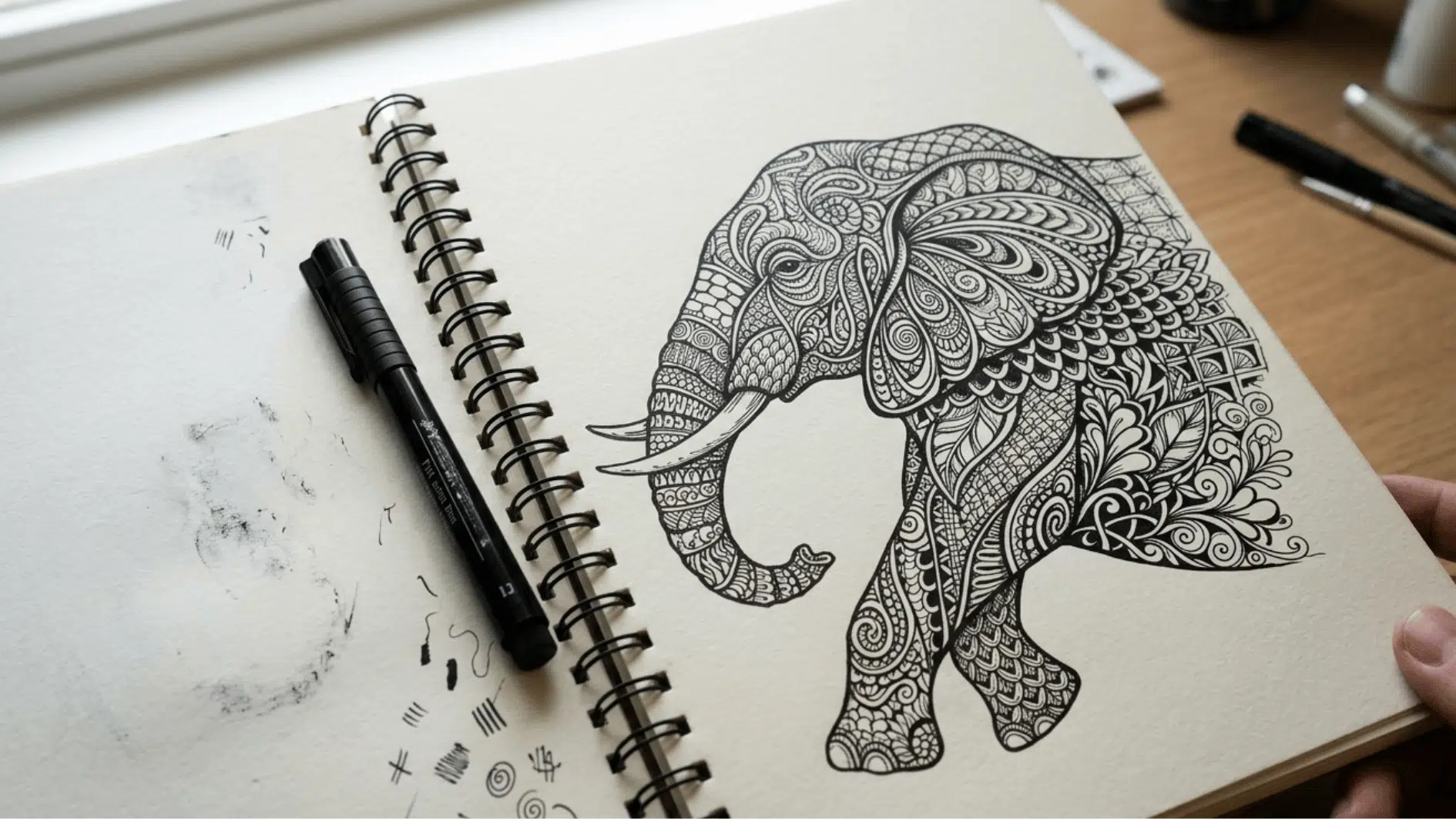
This drawing activity works well for calm, focused art time. Students choose an animal shape and fill it with repeated lines, dots, curves, and patterns.
- Materials Needed: Paper, pencil, black pen
- How to Make It: Draw or trace an animal, then fill each section with patterns.
- Skills Students Build: Line control, focus, detail
- Creative Twist: Hide a small symbol inside the design.
7. Cardboard Relief Sculpture
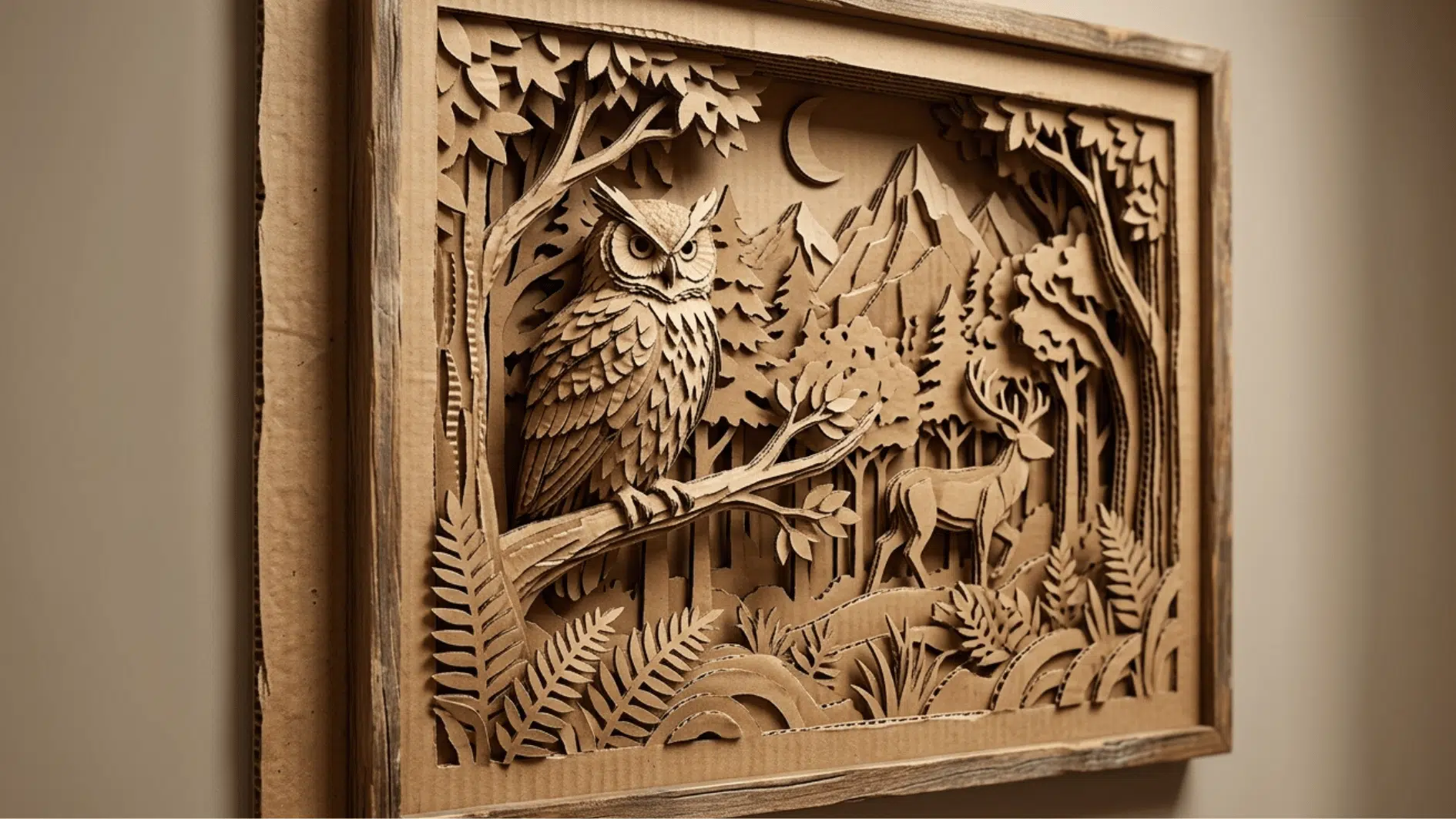
This project turns flat cardboard into raised artwork with layers and texture. It is also a smart option when you want a low-cost activity using easy classroom materials.
- Materials Needed: Cardboard, scissors, glue, paint
- How to Make It: Cut shapes, layer them on a base, and paint the final design.
- Skills Students Build: Layering, construction, texture
- Creative Twist: Make the design show a mood or sound.
8. Optical Illusion Hand Drawing
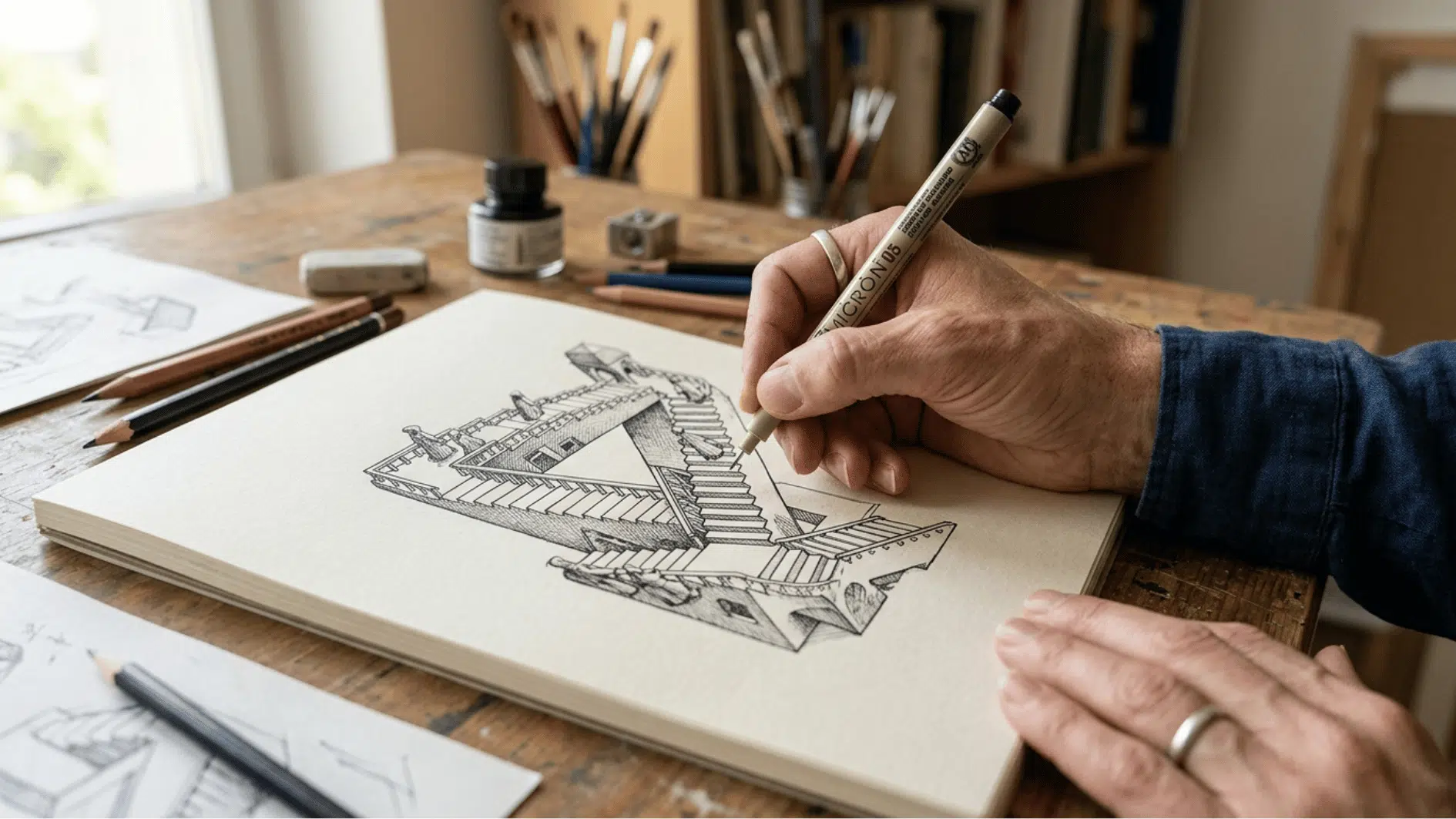
Students enjoy this project because the finished hand seems to rise from the page. The steps are simple, but the final artwork looks clean and fun.
- Materials Needed: Paper, pencil, markers
- How to Make It: Trace a hand, draw curved lines inside it, and straight lines outside it.
- Skills Students Build: Line work, spacing, visual perception
- Creative Twist: Use warm colors for the hand and cool colors outside it.
9. Recycled Robot Sculpture
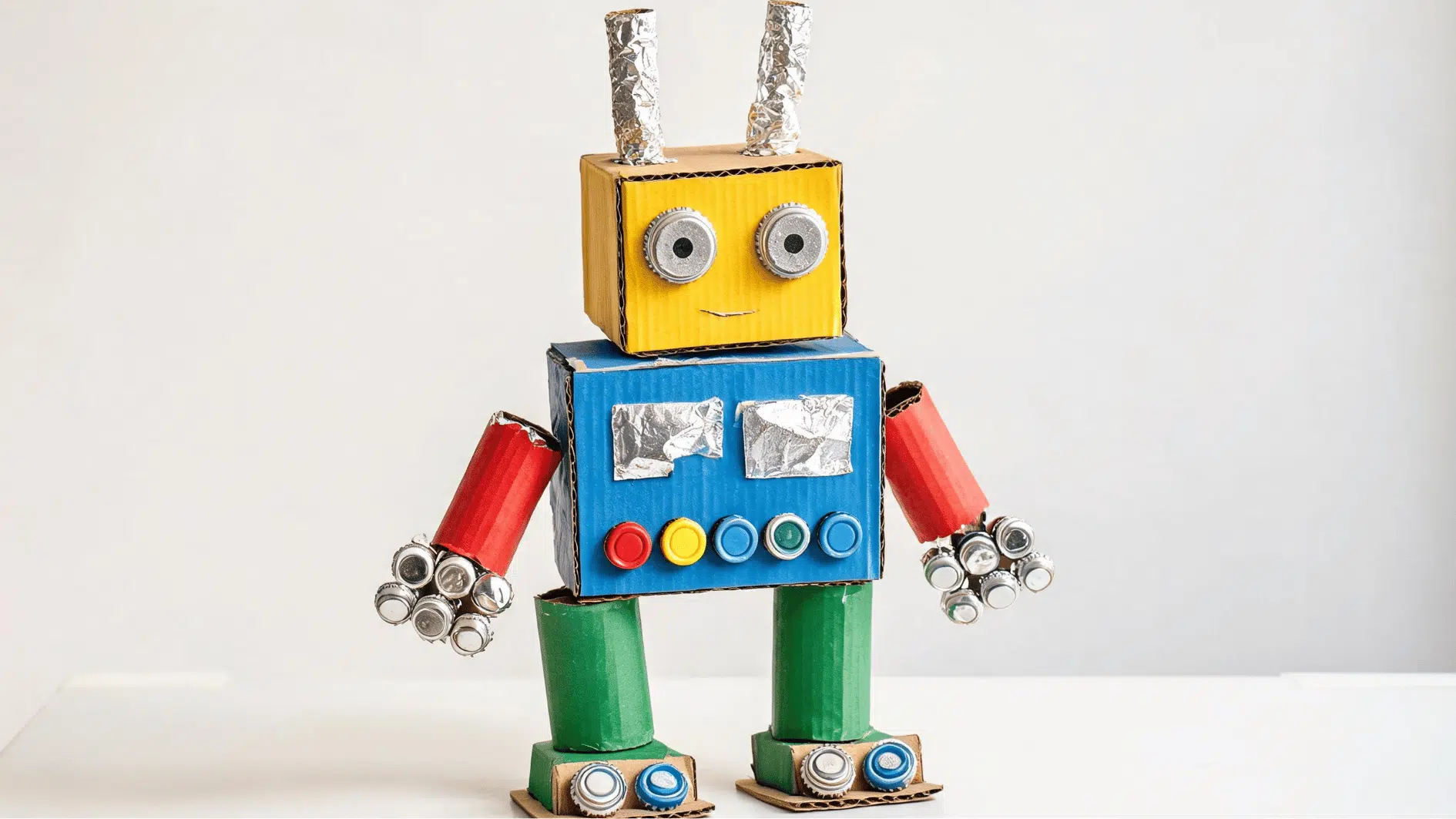
This project gives old boxes, caps, tubes, and scraps a second use. Students can build robots with funny faces, special jobs, or unusual body parts.
- Materials Needed: Boxes, bottle caps, tubes, glue, paint
- How to Make It: Build a robot shape from recycled items and add details.
- Skills Students Build: Planning, construction, problem-solving
- Creative Twist: Give the robot a name and a classroom job.
10. Abstract Music Painting
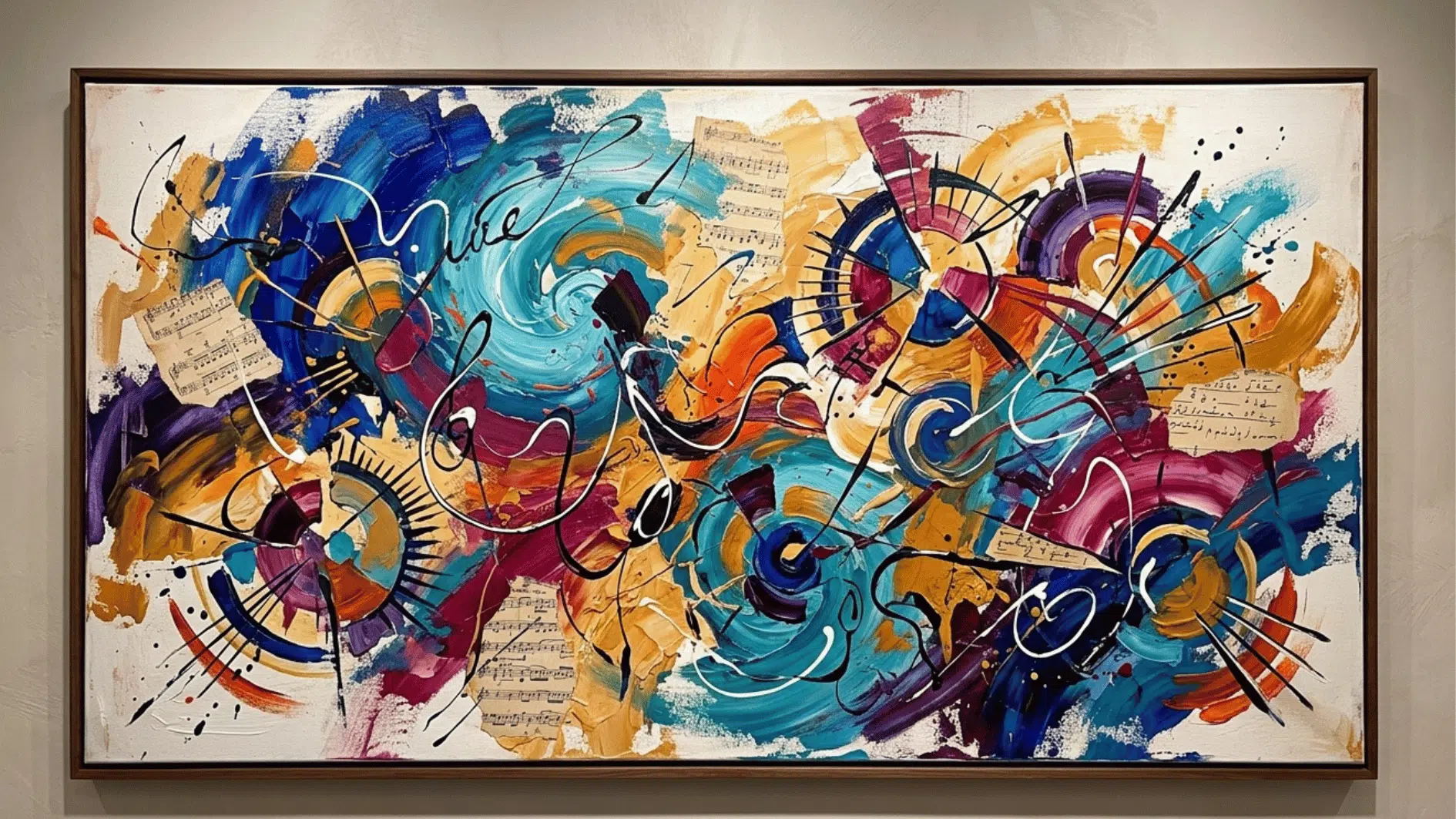
This activity asks students to paint what they hear rather than copy what they see. It is a great way to connect sound, movement, color, and emotion.
- Materials Needed: Paper, paint, brushes, music
- How to Make It: Play music and let students paint lines, shapes, and colors that match the sound.
- Skills Students Build: Expression, color use, movement
- Creative Twist: Paint the same song twice using different colors.
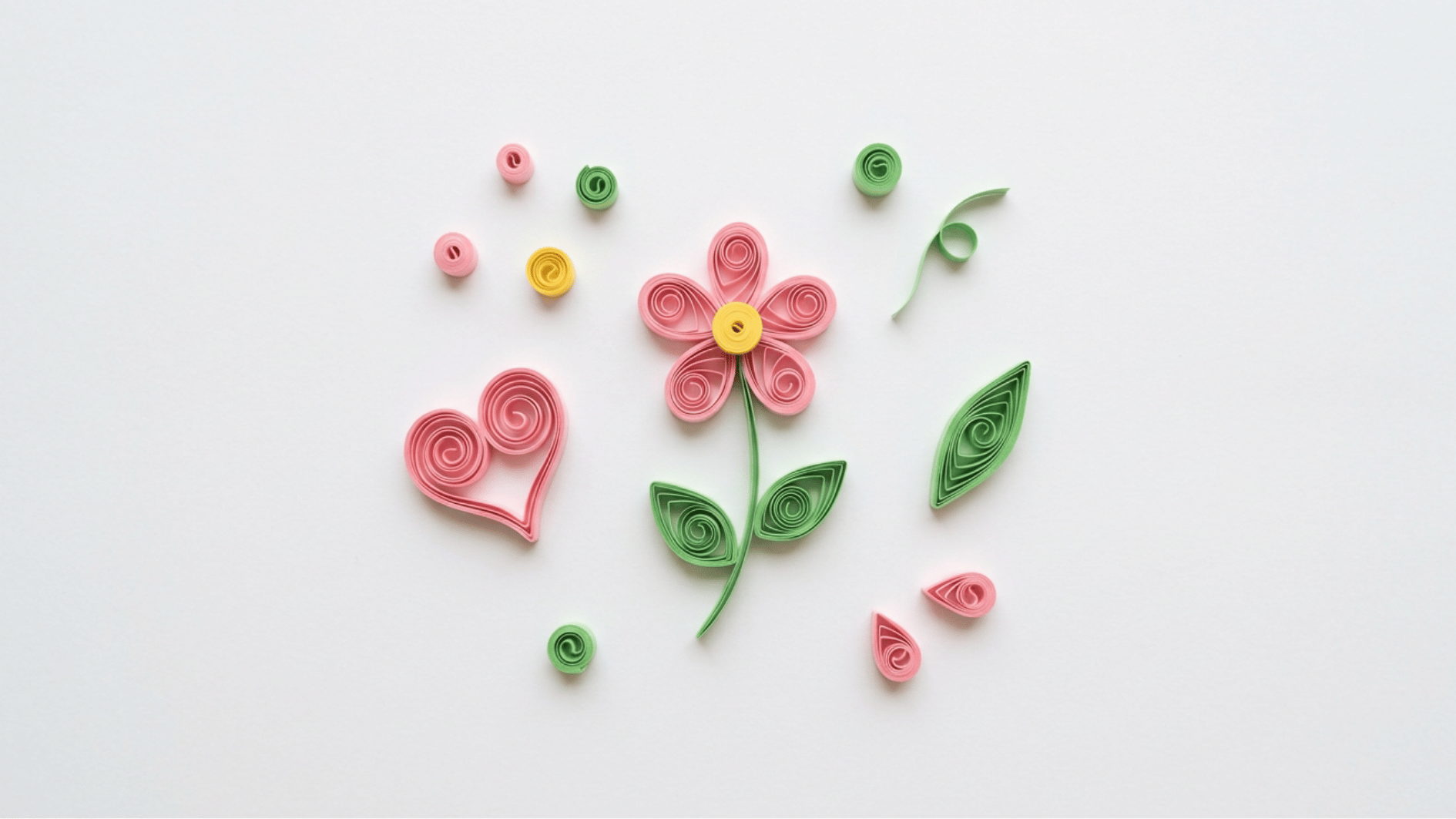
11. Paper Mosaic Art
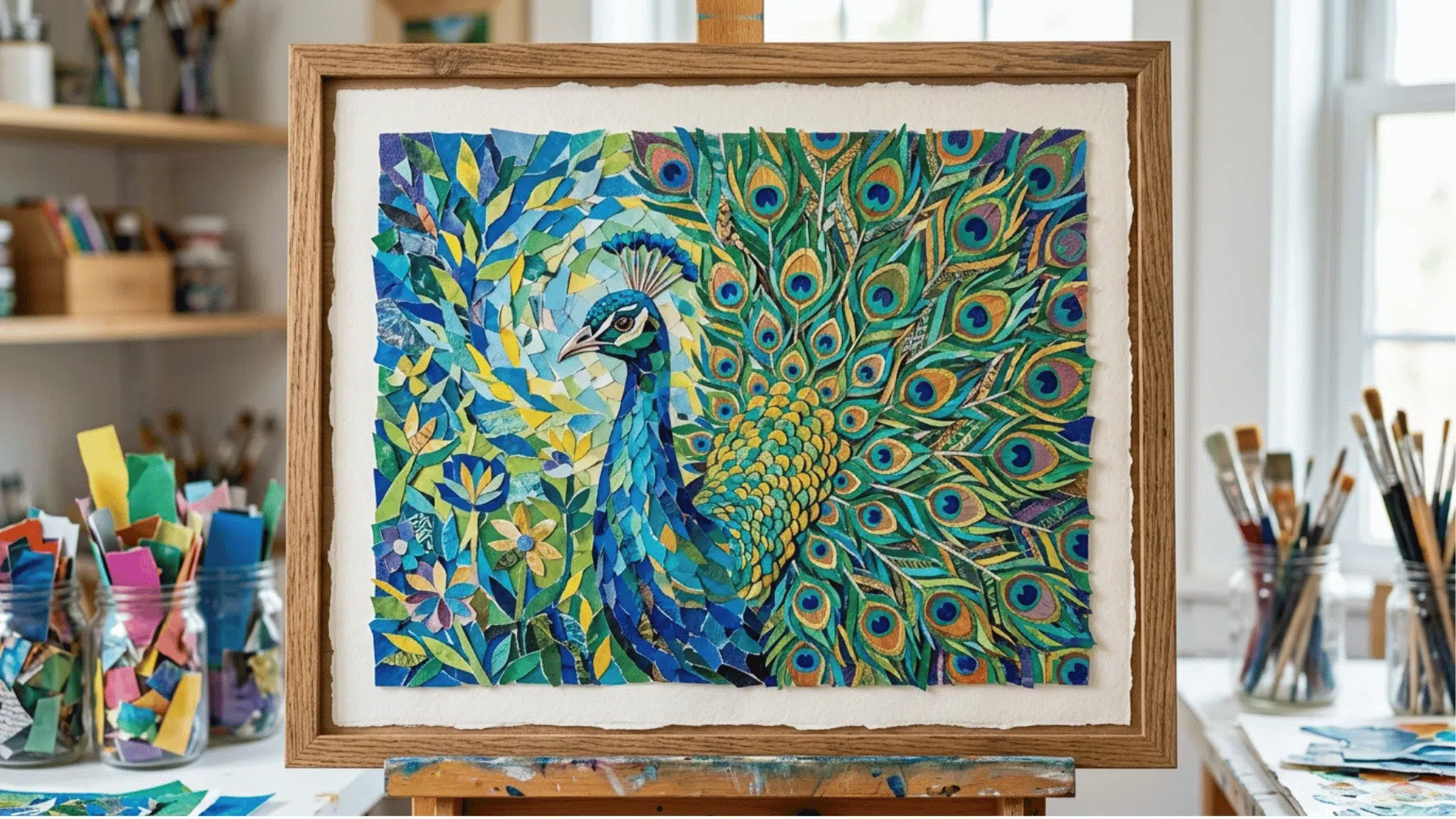
This project shows students how many small pieces can come together to create one strong design. It also helps them slow down and think carefully about color placement.
- Materials Needed: Colored paper, glue, scissors, pencil
- How to Make It: Sketch a simple image and fill it with small paper pieces.
- Skills Students Build: Patience, composition, color planning
- Creative Twist: Use torn paper instead of cut paper.
12. Surreal Room Drawing
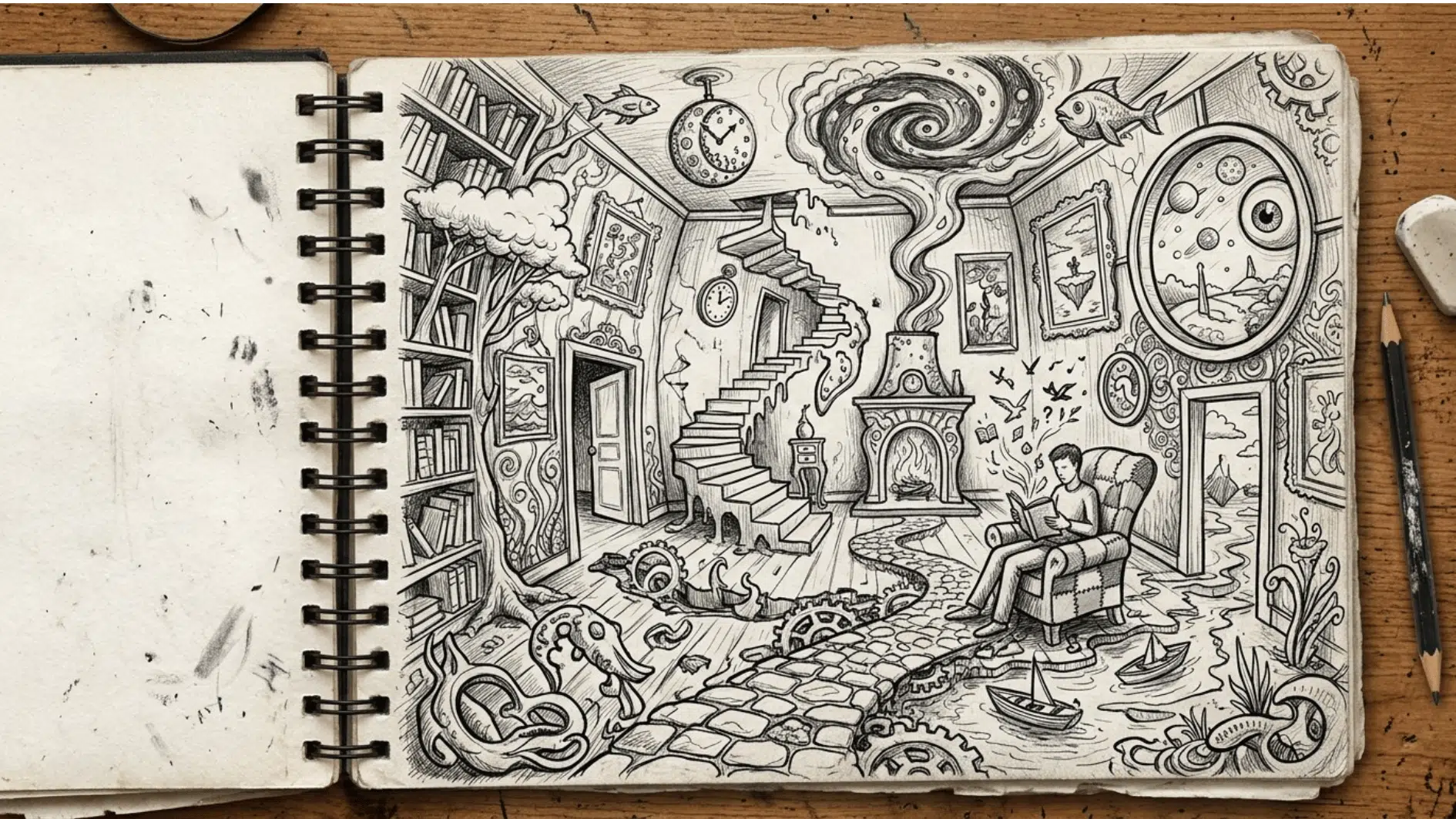
In this project, students design a room where unusual things can happen. They might add floating furniture, giant objects, strange windows, or dreamlike details.
- Materials Needed: Paper, pencil, ruler, colored pencils
- How to Make It: Draw a room and add objects that would not usually belong there.
- Skills Students Build: Imagination, perspective, storytelling
- Creative Twist: Base the room on a dream or memory.
13. Nature Texture Rubbings
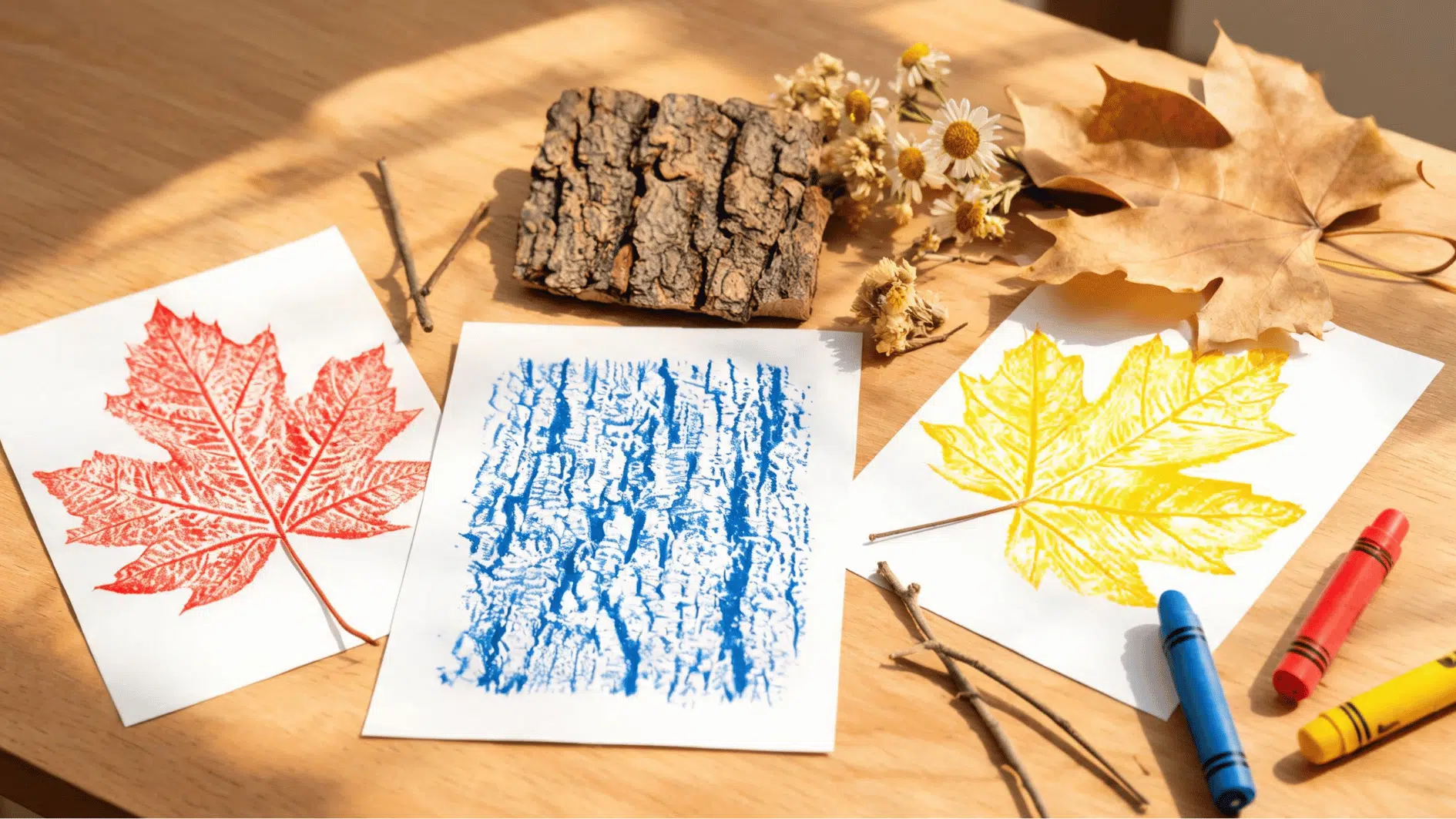
This activity helps students notice textures in leaves, bark, coins, and other objects around them. It is simple, quick, and easy to turn into a larger art piece.
- Materials Needed: Paper, crayons, leaves, textured objects
- How to Make It: Place paper over a texture and rub with crayon to show the pattern.
- Skills Students Build: Observation, texture, pressure control
- Creative Twist: Turn the rubbings into animals or landscapes.
14. Graffiti Word Art
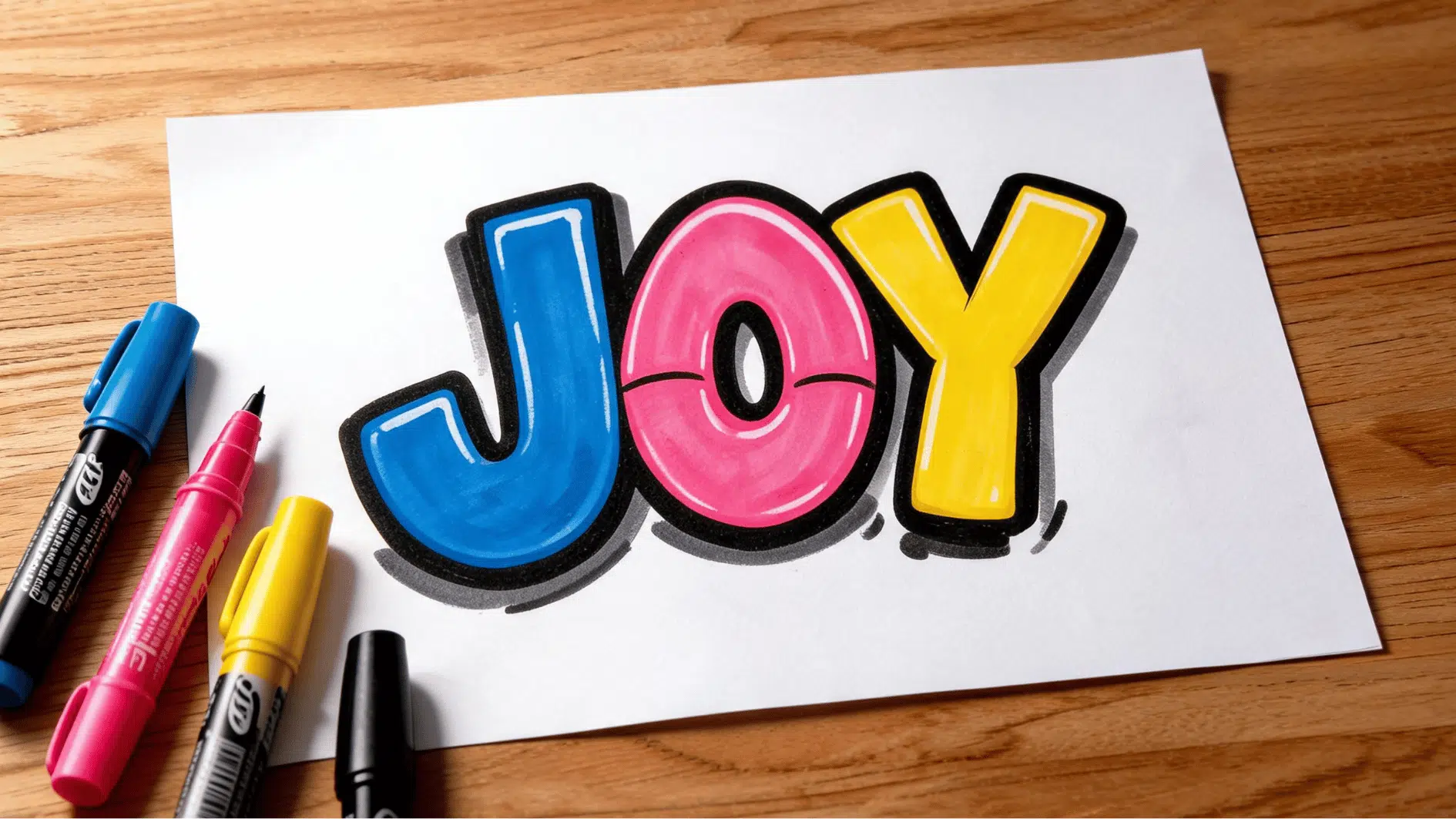
Students choose a positive word and turn it into bold lettering. This project lets them practice shape, outline, shadow, and color while creating something personal.
- Materials Needed: Paper, pencil, markers
- How to Make It: Draw large letters, add outlines, shadows, and color.
- Skills Students Build: Lettering, design, contrast
- Creative Twist: Add symbols that match the word’s meaning.
15. Mixed-Media Landscape
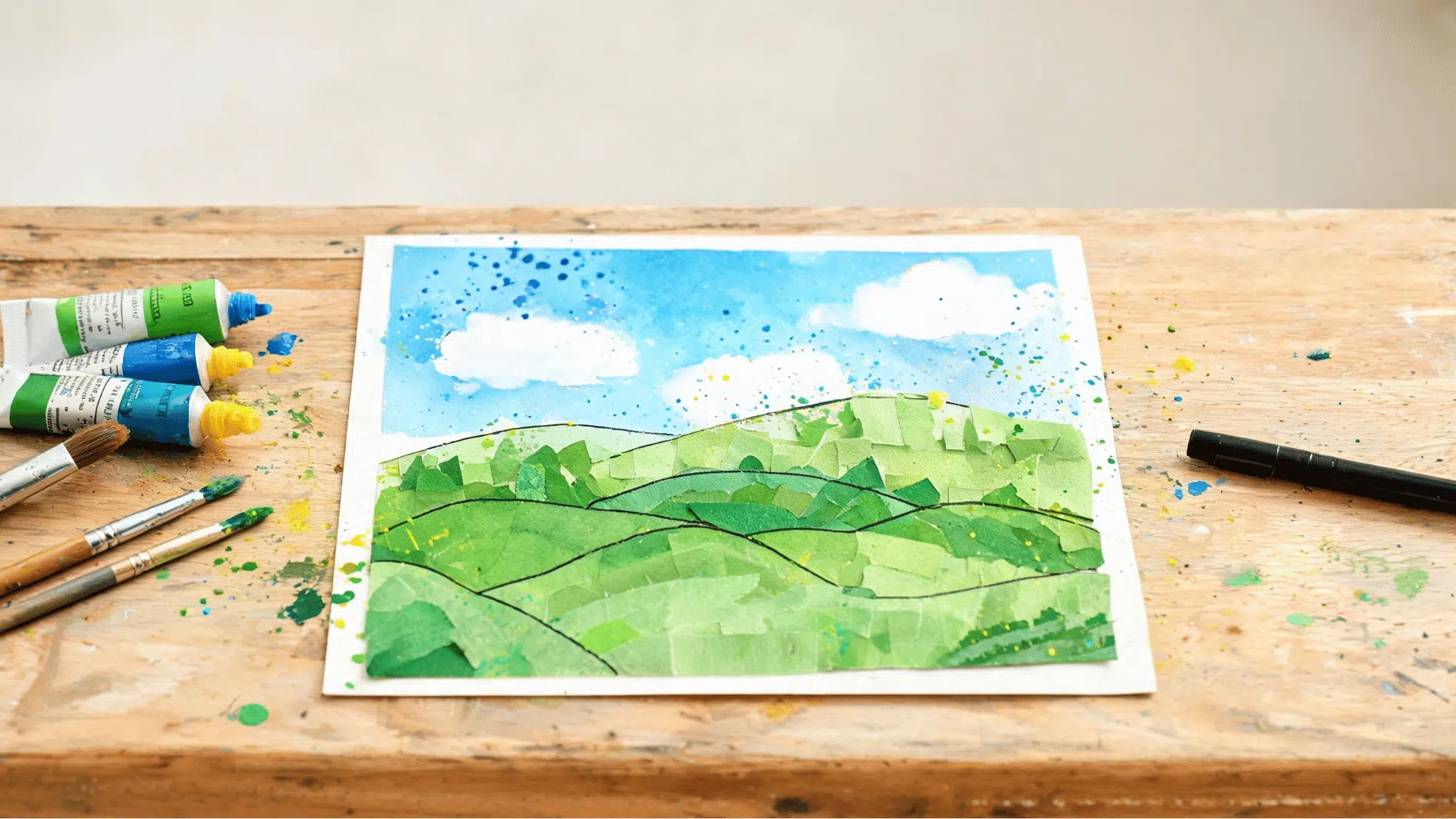
This project lets students combine painting, drawing, paper, and collage into a single artwork. It works well for teaching layers, space, and background details.
Once students understand how to build a composition, knowing how to work with a cohesive color palette can push their landscape from good to genuinely striking.
- Materials Needed: Paper, paint, magazines, glue, markers
- How to Make It: Paint a background, glue paper shapes, and draw details on top.
- Skills Students Build: Layering, space, composition
- Creative Twist: Make the landscape from another planet.
16. Mandala Design
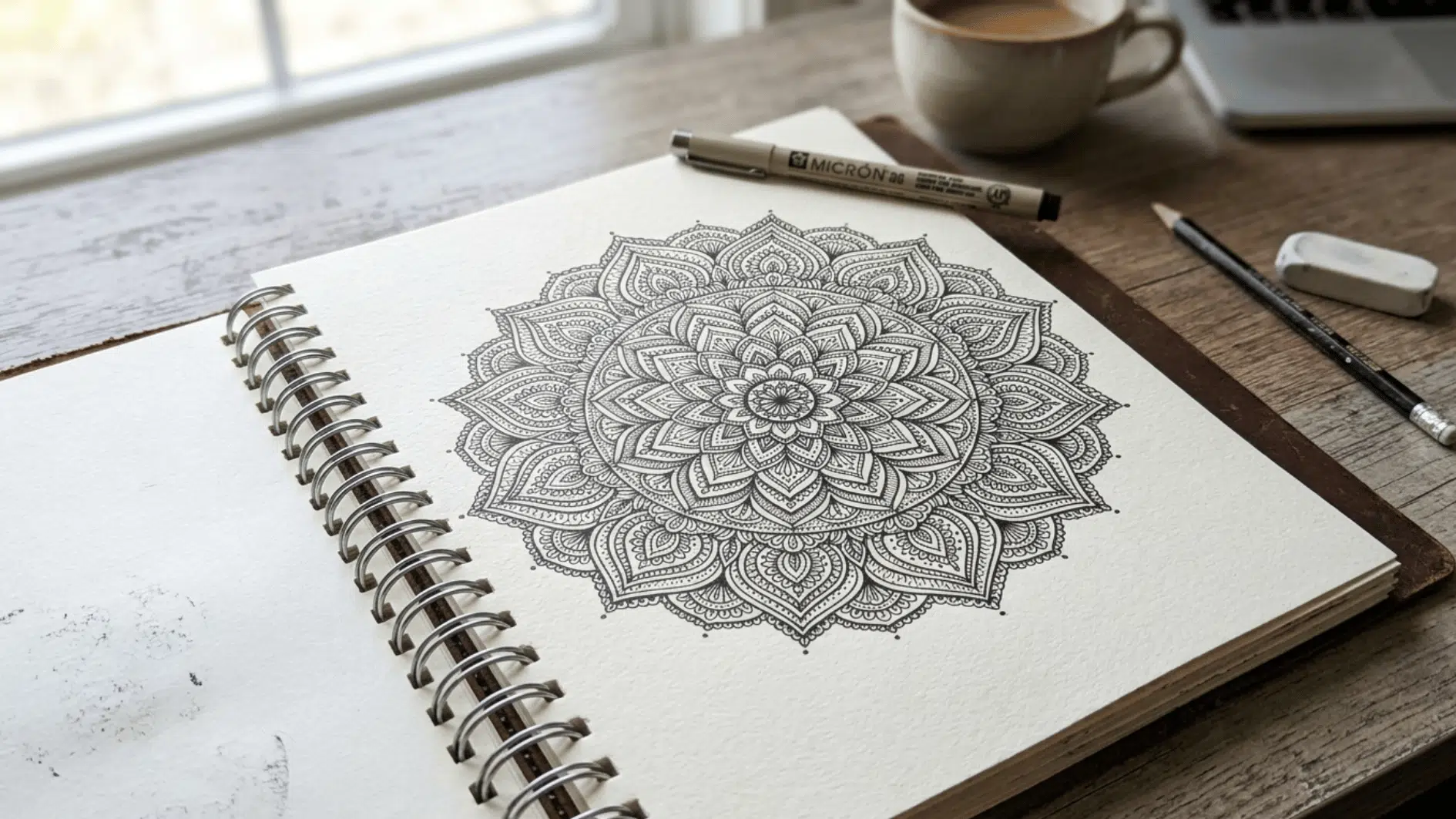
This activity helps students practice balance, pattern, and careful spacing. It can be simple for beginners or more detailed for students who want an extra challenge.
- Materials Needed: Paper, ruler, pencil, markers
- How to Make It: Draw circles, divide them into sections, and repeat shapes around the center.
- Skills Students Build: Symmetry, pattern, focus
- Creative Twist: Create a mandala based on a season.
17. Comic Strip Story
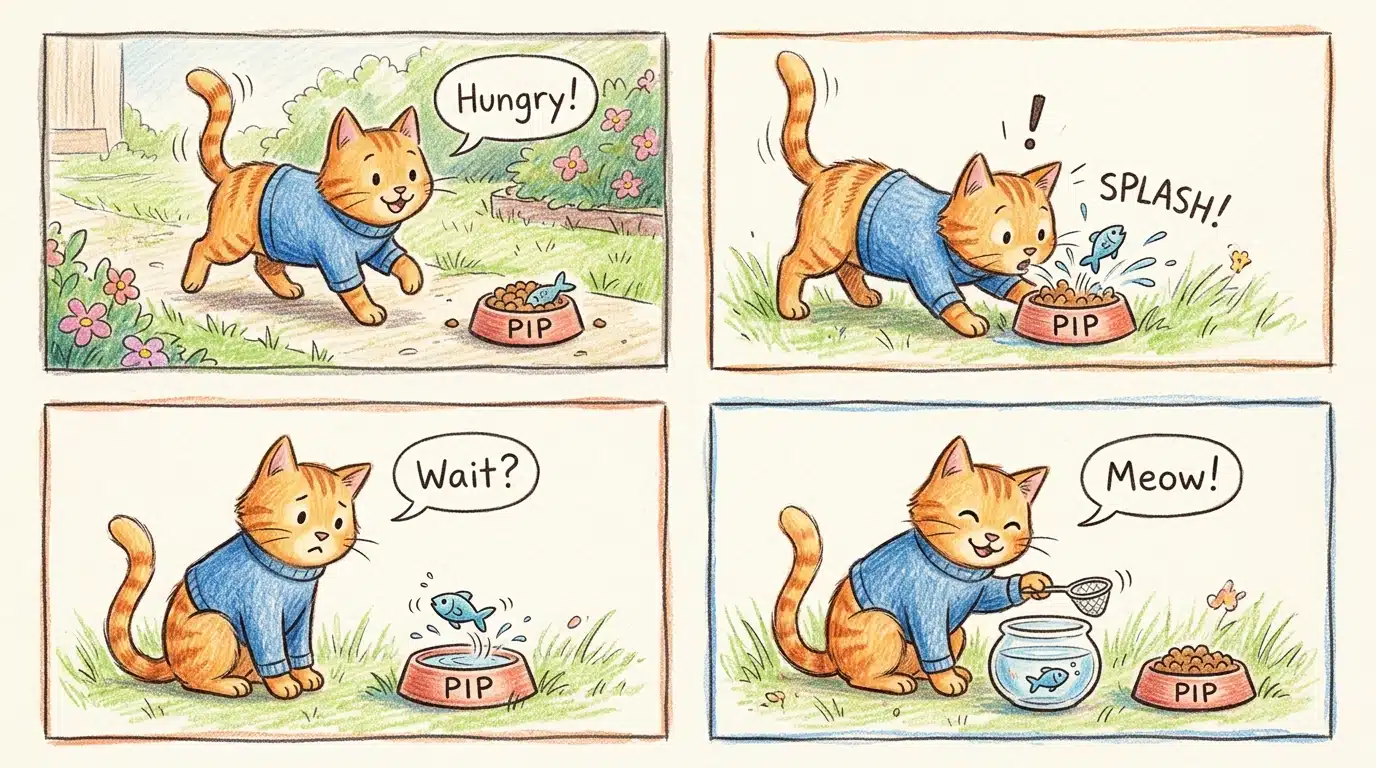
This project lets students tell a short story through drawings. It is useful for students who enjoy characters, humor, action, or small everyday moments.
- Materials Needed: Paper, pencil, ruler, markers
- How to Make It: Divide the page into panels and draw a short story with characters.
- Skills Students Build: Sequencing, storytelling, character design
- Creative Twist: Tell the story without any words.
18. Cardboard Mask Art
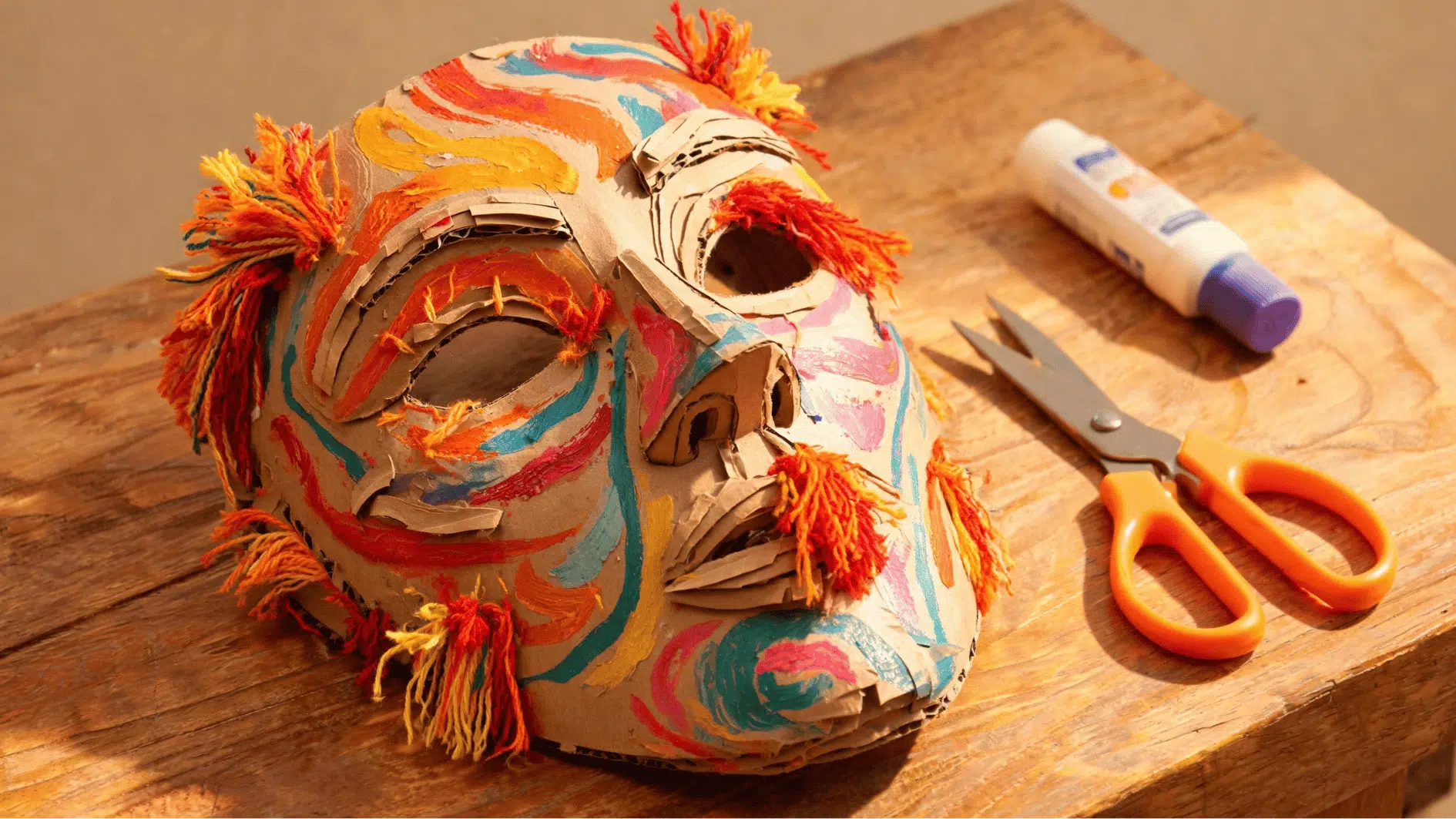
Masks give students a chance to create a character, emotion, or symbol. They can keep the design simple or add raised pieces, color, and texture.
- Materials Needed: Cardboard, scissors, glue, paint
- How to Make It: Cut a mask shape, add features, and paint the design.
- Skills Students Build: Sculpture, symmetry, expression
- Creative Twist: Show two distinct emotions on a single mask.
19. Scratch Art Animal
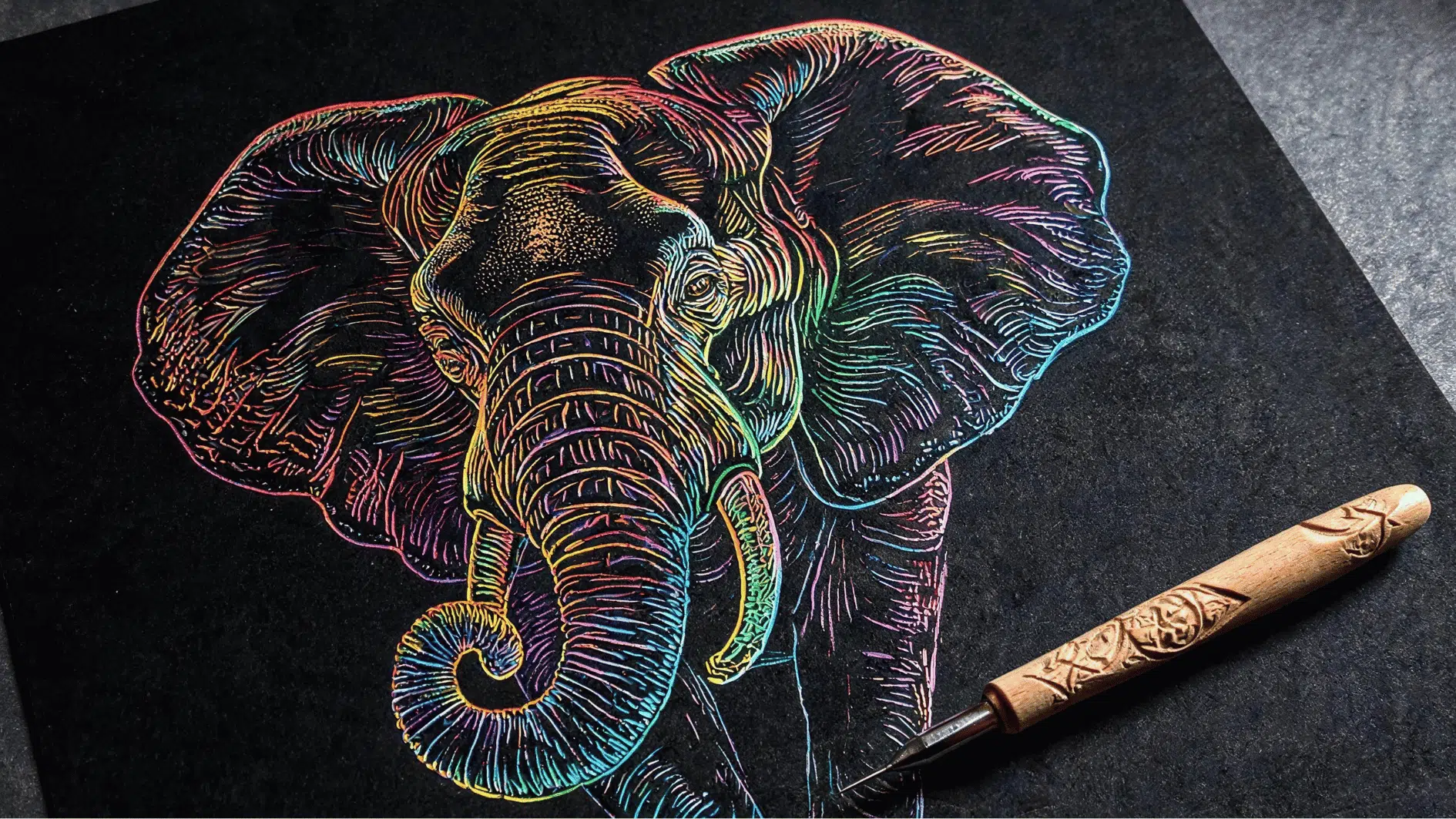
Scratch art feels exciting because students reveal color by removing the dark top layer. Animal designs work well because students can show fur, feathers, scales, or patterns.
- Materials Needed: Scratch paper, wooden stylus
- How to Make It: Sketch an animal lightly, then scratch lines and details into the surface.
- Skills Students Build: Line control, texture, contrast
- Creative Twist: Mix real animal features with made-up ones.
20. Classroom Mural
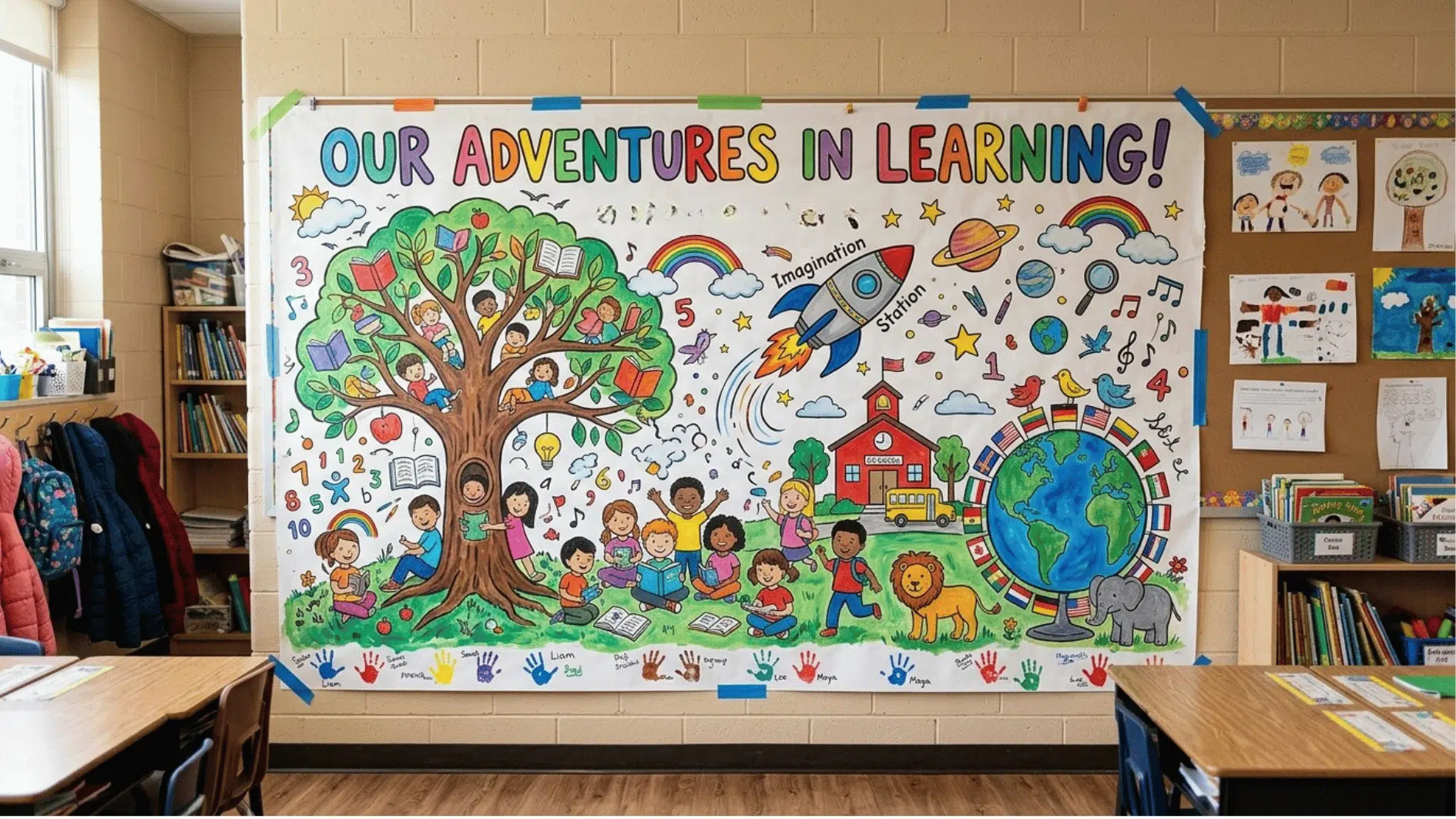
A classroom mural helps students work together on one shared piece. Each student can complete one section while still contributing to a larger design.
- Materials Needed: Large paper, pencils, markers, paint
- How to Make It: Pick a theme, divide the space, and let students create connected sections.
- Skills Students Build: Teamwork, planning, scale
- Creative Twist: Use a school spirit or kindness theme.
21. Found Object Color Wheel
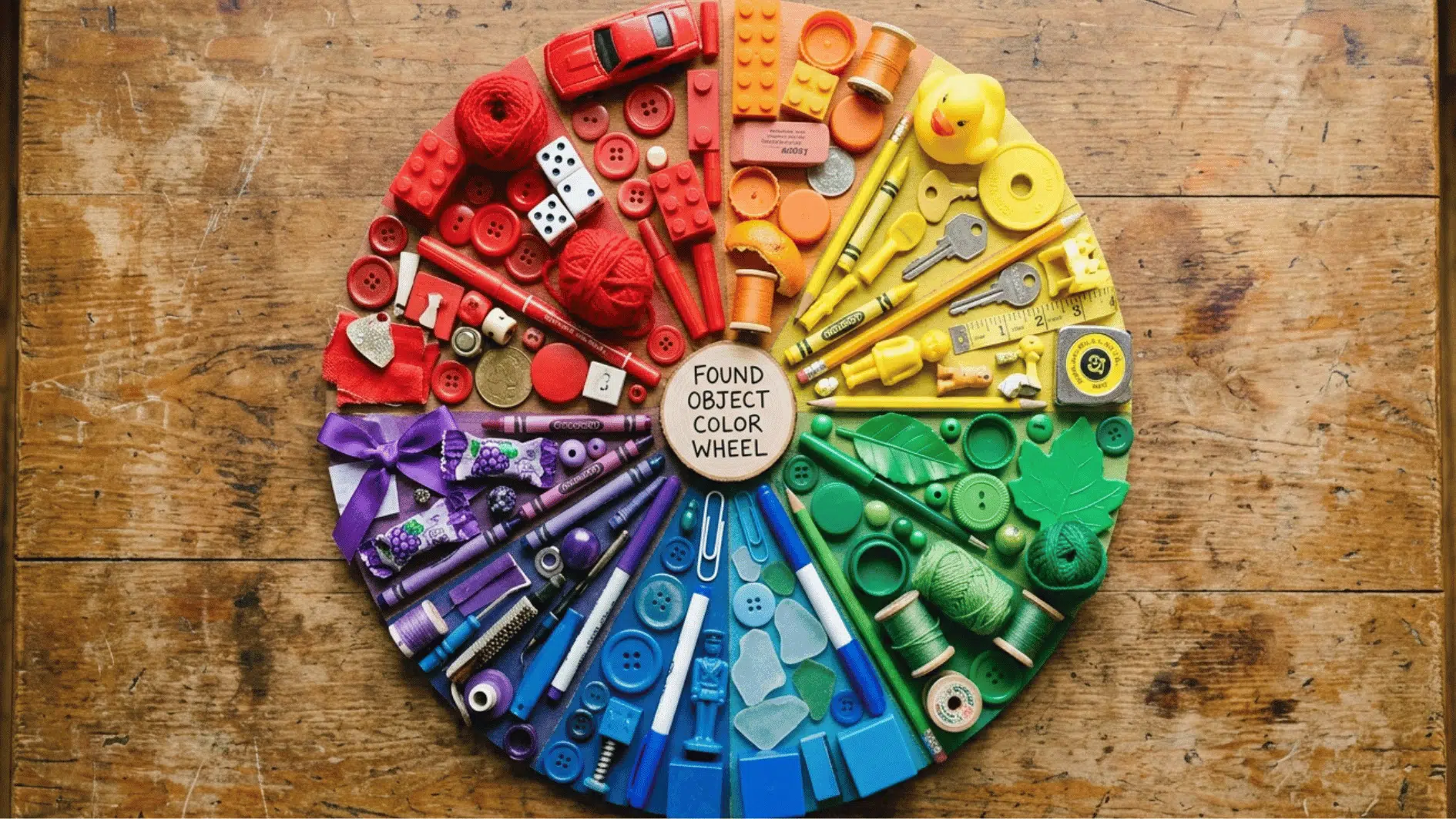
This project makes color theory feel more hands-on. Students collect small classroom items and arrange them by color to create a simple wheel.
- Materials Needed: Small objects, poster board, glue
- How to Make It: Sort objects by color and place them in color wheel order.
- Skills Students Build: Color recognition, sorting, organization
- Creative Twist: Use only items found in the classroom.
Conclusion
Middle school art projects can help students build confidence while having fun. Simple materials are often enough to create meaningful artwork.
The activities above offer something for a range of interests and skill levels. Students can experiment, learn, and share ideas through each project.
Middle school art lessons work best when students have room to make choices. That freedom often leads to original and memorable artwork.
Start with one project that matches your classroom needs. From there, students can continue building new skills through creative practice.
Frequently Asked Questions
How Can Teachers Make Art Lessons More Engaging?
Offer choices, use different materials, and encourage personal expression within each project.
What Supplies Are Useful for Middle School Art Lessons?
Paper, pencils, markers, paint, glue, scissors, clay, and recycled materials are used in many projects.
How Long Should an Art Project Take?
Most projects can be completed in one to three class periods, depending on the level of detail.