What is folk art? It is more than just handmade art. Folk art carries the hidden stories, traditions, and beliefs of communities passed down through generations.
Created by ordinary people, these artworks reflect culture, daily life, and ancient customs in unique ways.
From colorful paintings to symbolic patterns and crafts, folk art holds a timeless charm that feels both personal and mysterious, keeping old traditions alive while connecting people to their cultural roots.
What Is Folk Art?
Folk art is art created by everyday people rather than by professionally trained artists. It reflects local culture, traditions, and daily life.
These artworks are often handmade and passed down through families or communities over many years.
The term “folk” refers to common people and their shared customs.
Folk art includes painting, pottery, weaving, carving, embroidery, and other creative crafts that preserve cultural stories and traditions.
Difference Between Folk Art and Fine Art
Folk art and fine art differ in purpose, style, and training. Folk art is rooted in tradition and community life, while fine art often focuses on personal creativity and formal techniques.
| FOLK ART | FINE ART |
|---|---|
| Learned through tradition | Learned through formal training |
| Functional and cultural | Displayed in galleries or museums |
| Community-focused | Individual expression |
| Reflects daily life | Focuses on artistic concepts |
History and Origins of Folk Art
Folk art has been part of human culture for centuries. It began in early communities as handmade creations used in daily life, celebrations, and traditions.
People used folk art to share stories, express beliefs, and preserve their culture.
Skills and techniques were passed from one generation to the next, helping communities protect their history and identity.
Although industrialization reduced the use of handmade crafts, museums, festivals, and local groups continue to preserve and celebrate folk art today.
Main Characteristics of Folk Art
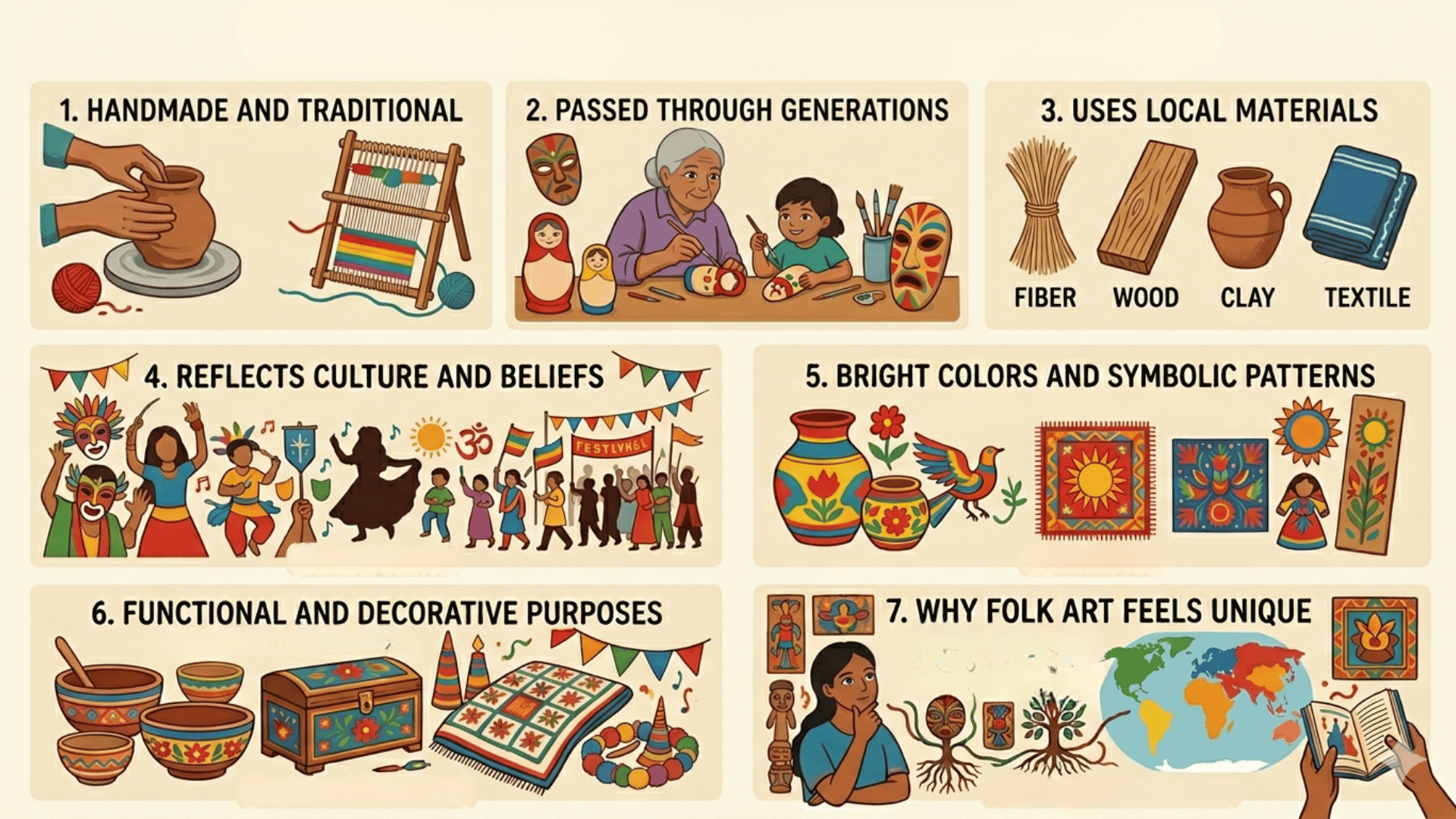
Folk art reflects local culture, traditions, and community life. These handmade artworks preserve stories and skills passed down through generations.
1. Handmade and Traditional
Folk art is often lovingly crafted by hand, using traditional methods instead of modern machines.
Artists learn skills from family or community traditions, making each artwork unique and meaningful. Handmade art shows effort, creativity, and cultural roots.
2. Passed Through Generations
Many folk art styles survive because they are taught from one generation to another. Families and local communities help preserve these artistic traditions and cultural values over time.
Passing down knowledge helps keep traditional art vibrant and alive for many future generations.
3. Uses Local Materials
Folk artists often use materials found in their local environment, such as clay, wood, fabric, natural dyes, and paper.
This gives traditional art a natural and regional identity. Local materials also make the artwork closely connected to everyday life and surroundings.
4. Reflects Culture and Beliefs
Folk art reflects local customs, festivals, spiritual beliefs, and daily life. Many traditional folk paintings and crafts feature symbols, patterns, and stories that reflect cultural heritage.
These beautiful artworks truly celebrate what makes each community unique, allowing everyone to share and cherish their special traditions together.
5. Bright Colors and Symbolic Patterns
Many forms of handmade art use bold colors and decorative patterns to express emotions, beliefs, and traditions.
These designs often hold cultural or spiritual meanings within the community. Bright colors also make folk art visually appealing and easy to recognize.
6. Functional and Decorative Purposes
Folk art is both useful and decorative. People create community art for clothing, pottery, furniture, festivals, religious events, and home decoration while also preserving cultural traditions.
Many items are thoughtfully designed for daily life and feature a unique artistic charm that adds a special touch.
7. Why Folk Art Feels Unique
Folk art creates a strong emotional connection to heritage and identity. Each region develops its own style, making cultural art an important form of storytelling and community expression.
Its traditional techniques and local influences make every artwork feel personal and authentic.
Different Types of Folk Art
Folk art developed differently across cultures, but each style reflects local traditions and community life. These art forms helped preserve stories, beliefs, and cultural identity for generations.
1. Folk Paintings
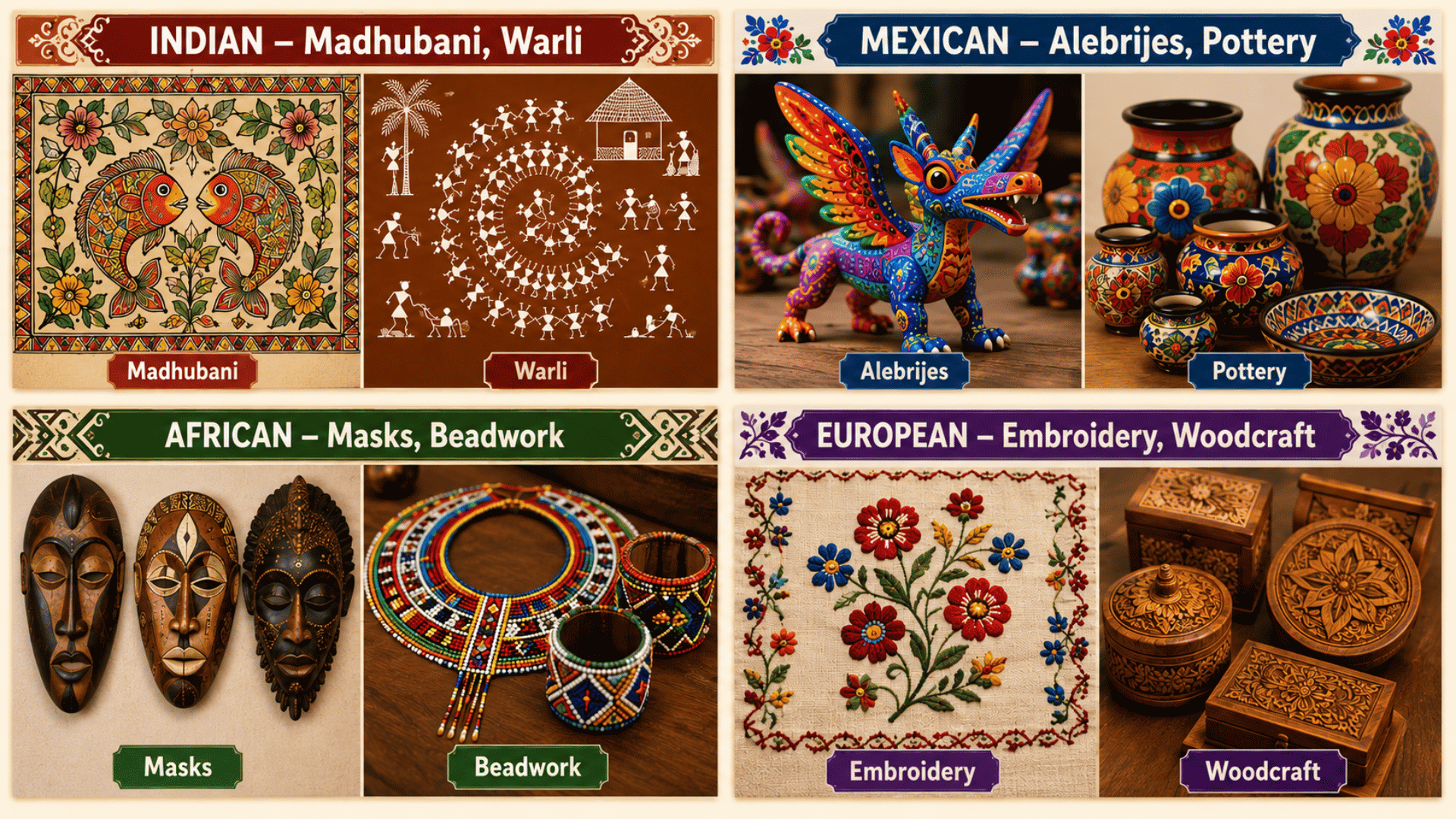
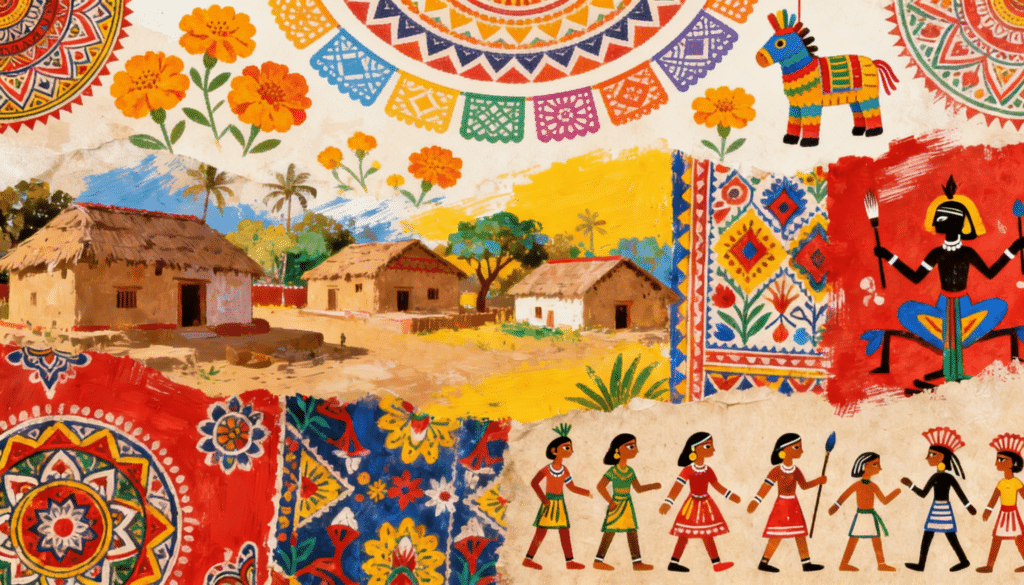
Folk paintings are traditional artworks that reflect local stories, beliefs, and daily life. These paintings are often created using simple techniques and natural colors passed down through generations.
| Culture | Popular Folk Art |
|---|---|
| Indian | Madhubani, Warli |
| Mexican | Alebrijes, pottery |
| African | Masks, beadwork |
| European | Embroidery, woodcraft |
Traditional Mexican folk crafts are among the most widely recognized in the world, celebrated for their bold colors and deep symbolic roots.
Equally rich are Scandinavian folk traditions from Europe, where painted furniture, woodcarving, and embroidery have preserved community stories for centuries.
2. Textile Folk Art
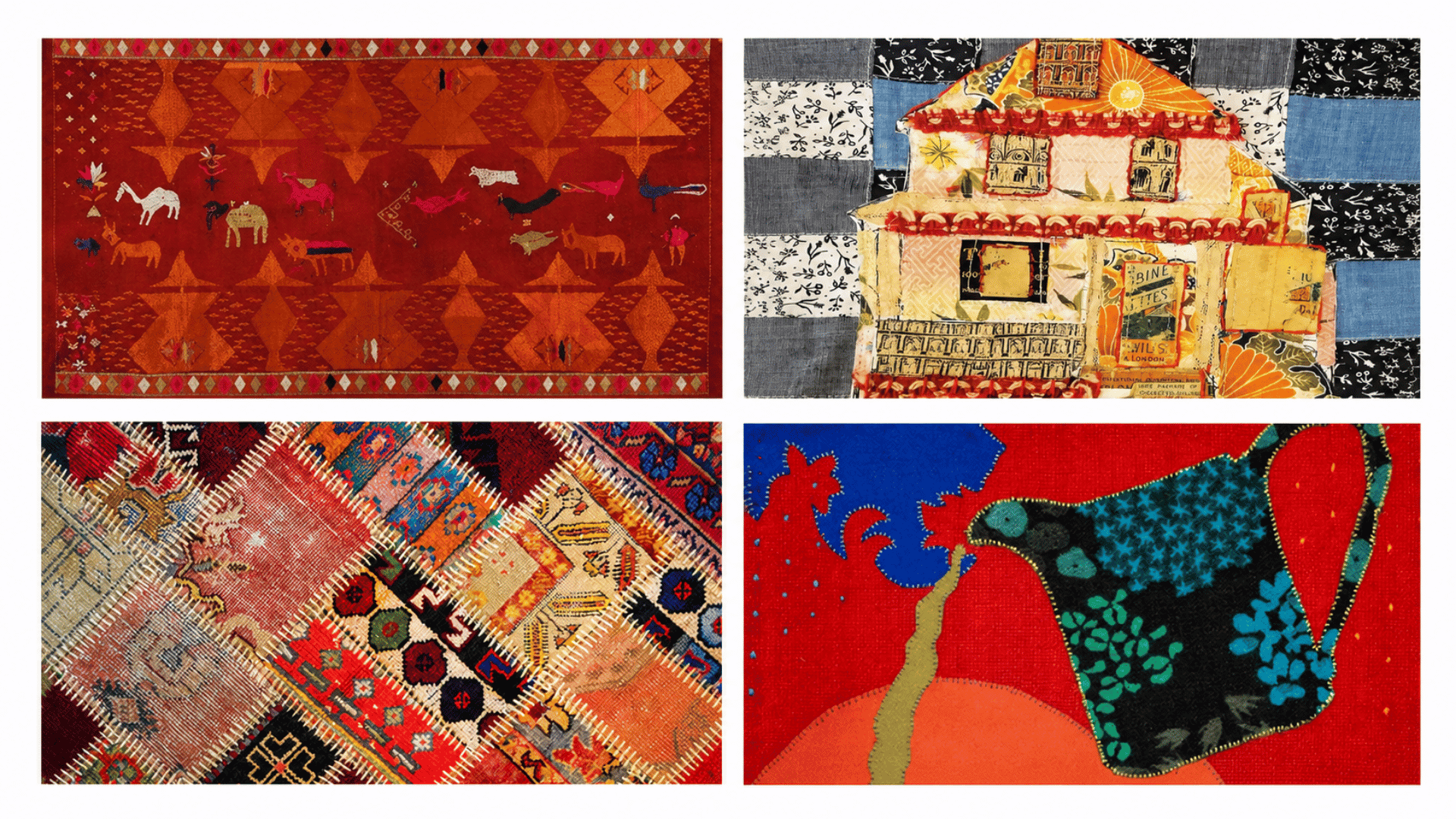
Textile folk art includes handmade fabric creations that reflect cultural traditions and local craftsmanship. These art forms are often used in clothing, decoration, and daily life.
They are created using traditional methods and patterns passed down through generations. Many communities still practice these crafts to preserve their cultural identity.
3. Wood and Clay Crafts
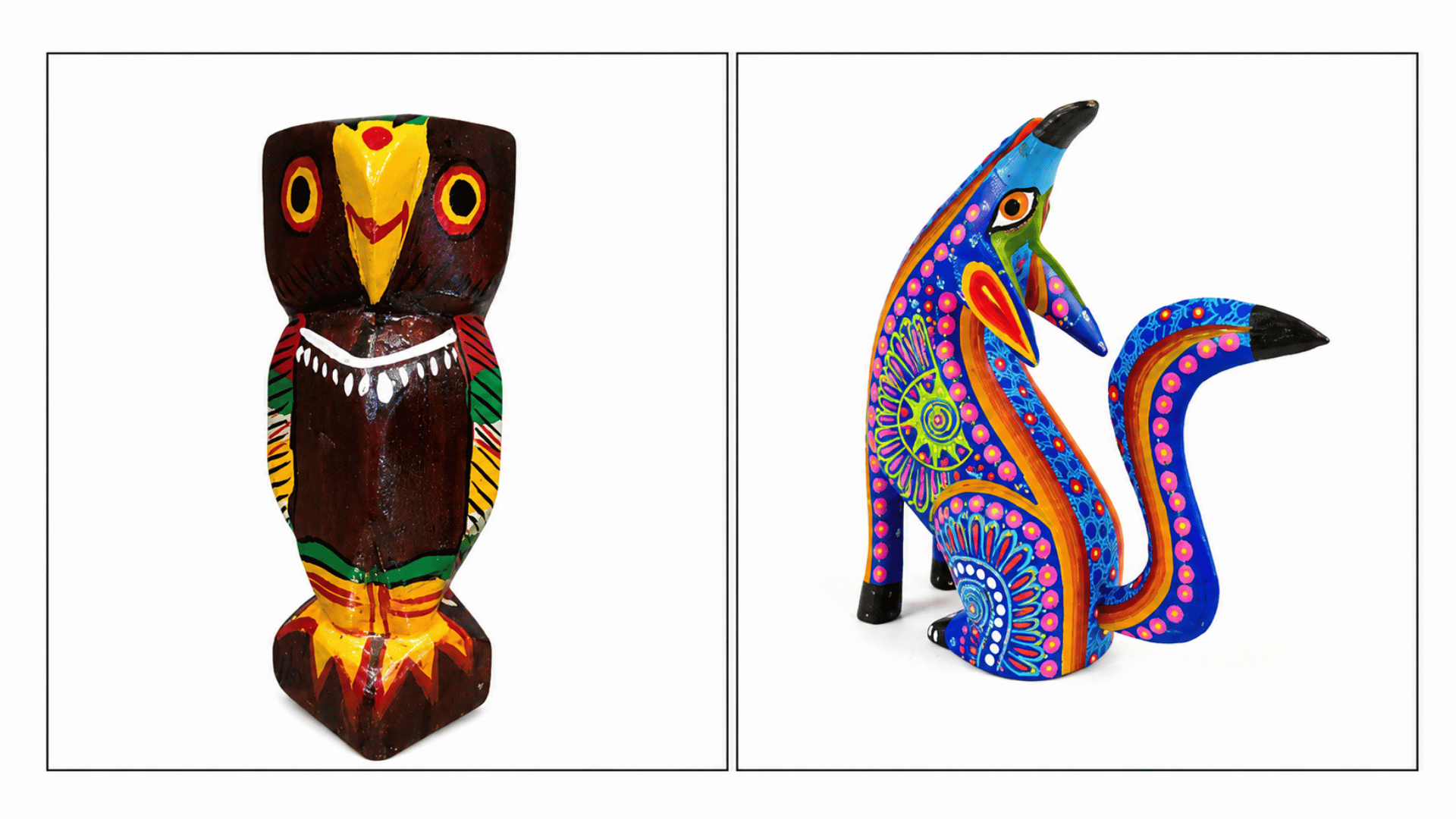
Wood and clay crafts are traditional handmade artworks created for both practical use and cultural expression. They often show the creativity and skills of local communities.
These crafts are commonly shaped into useful objects, decorations, and cultural symbols. Artists use simple tools and natural materials to create detailed designs.
4. Decorative Folk Art
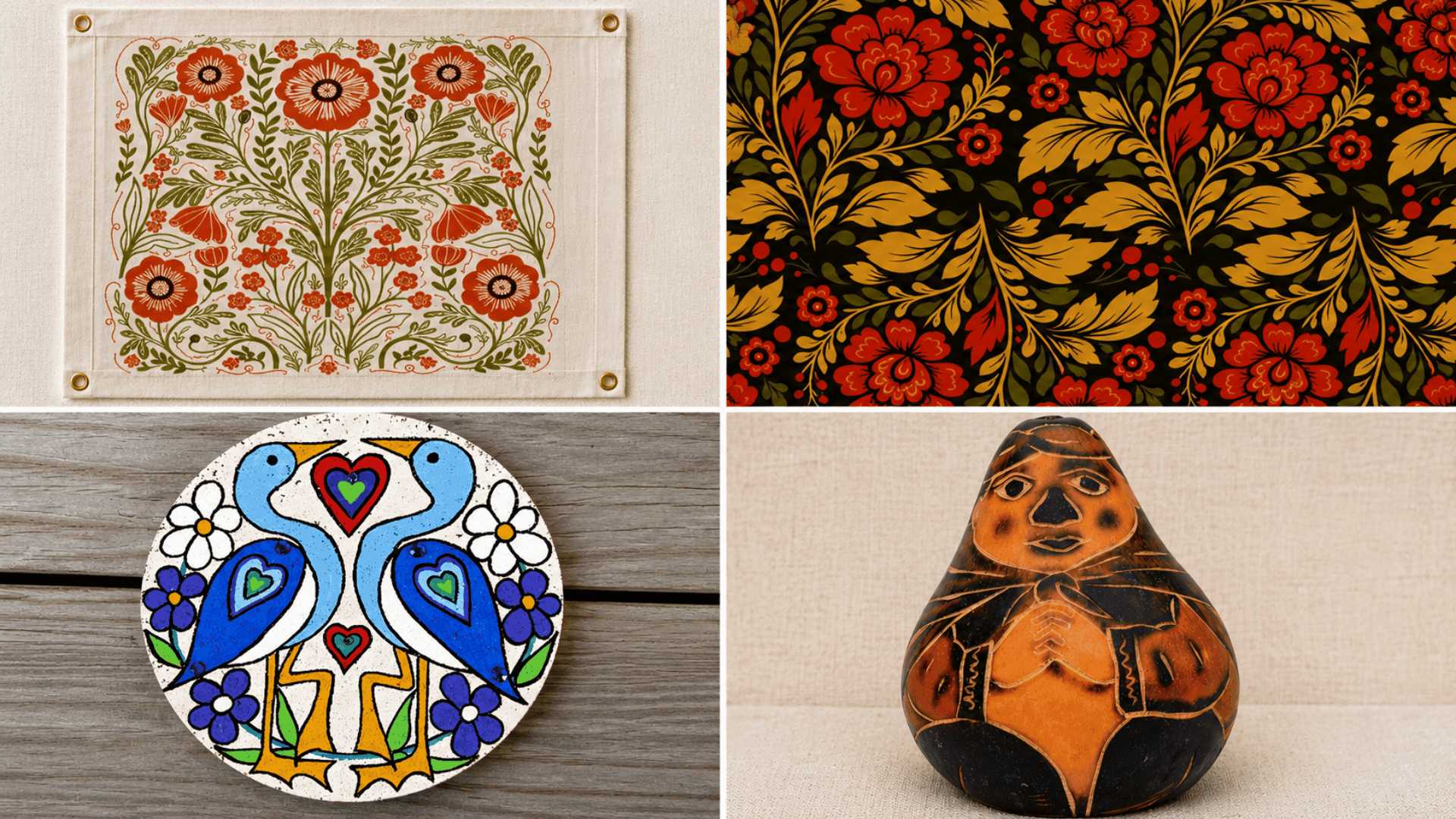
Decorative folk art includes colorful handmade items used during festivals and celebrations, as well as for home decoration. These artworks help preserve cultural traditions and community identity.
Many designs are inspired by nature, beliefs, and local customs. Decorative folk art also adds beauty and meaning to important cultural events.
5. Performing Folk Arts
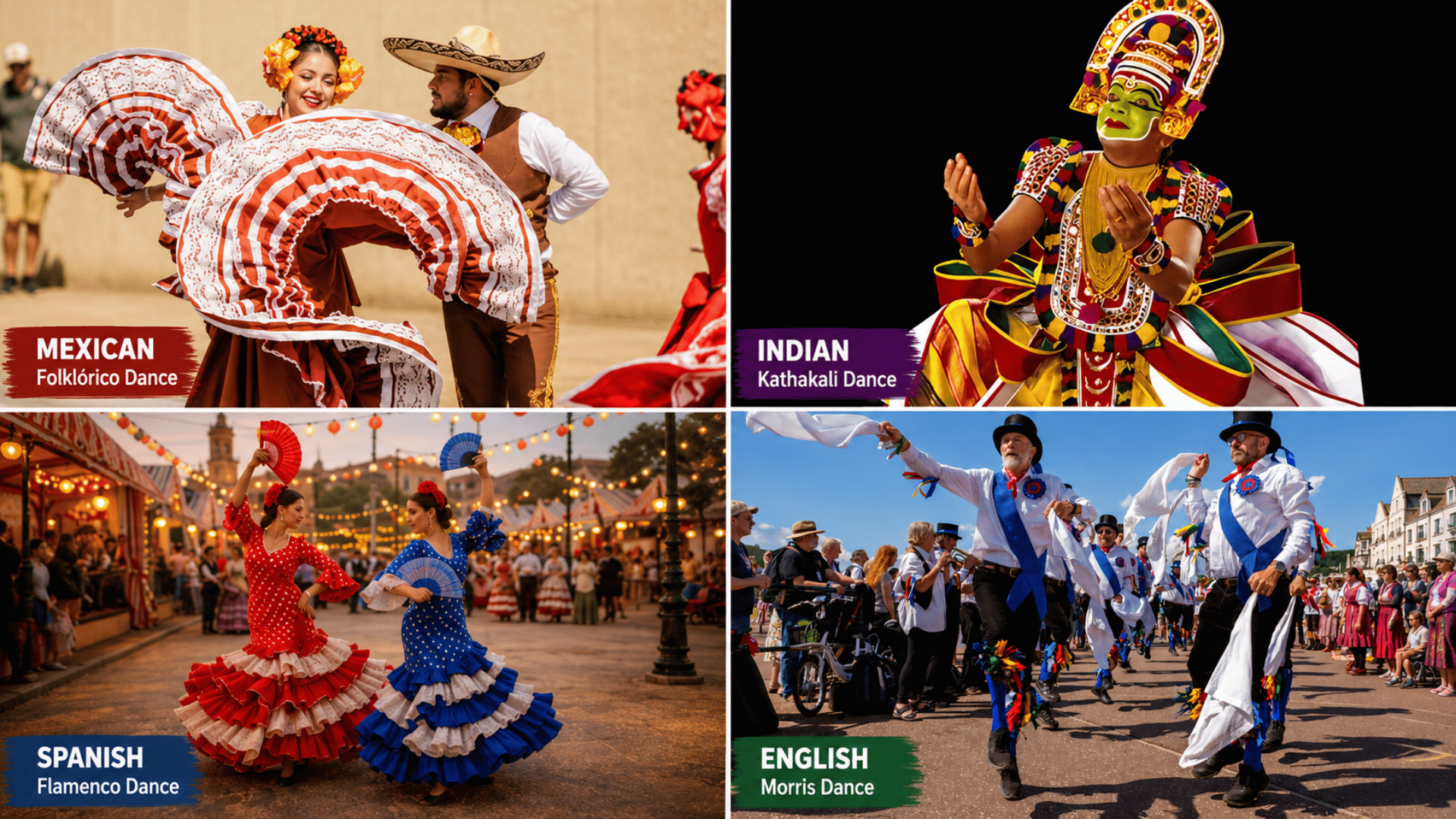
Performing folk arts combine music, dance, and storytelling to entertain and share cultural values. These traditions are usually passed down through generations during festivals and gatherings.
Performances often reflect the history, emotions, and daily life of local communities. They also help keep cultural traditions alive for younger generations.
Importance of Folk Art in Culture and Society
Folk art plays an important role in protecting cultural heritage and preserving traditional stories, customs, and values.
It helps communities stay connected to their history and identity. Folk art also supports local artists by creating economic opportunities and encouraging traditional craftsmanship.
Today, folk art is becoming increasingly popular in modern interior design and fashion for its unique patterns, handmade beauty, and cultural value.
Understanding different painting techniques and traditions can deepen your appreciation for how folk artists developed their own visual language over centuries, independent of formal training.
Museums, exhibitions, and global trends continue to increase interest in folk art around the world.
Folk Art vs Tribal Art
Folk art and tribal art both reflect cultural traditions and community life. Folk art is linked to local communities, while tribal art is primarily associated with indigenous tribes and their customs.
| FEATURE | FOLK ART | TRIBAL ART |
|---|---|---|
| Origin | Community traditions | Indigenous tribes |
| Purpose | Decorative + functional | Ritual + storytelling |
| Style | Regional | Ethnic and symbolic |
How Folk Art Is Preserved Today?
Folk art is preserved through museums, cultural festivals, and government programs that support traditional artists and crafts.
The Smithsonian American Art Museum houses one of the most respected collections of folk and self-taught art in the world, recognizing its essential place in cultural heritage.
Many communities organize events to teach younger generations about cultural heritage. Online marketplaces and social media also help artists share and sell handmade art worldwide.
These digital platforms have given traditional folk art a new audience and helped keep old artistic traditions alive in modern times.
Wrapping It Up
What is folk art? It is more than just handmade art. Folk art carries the hidden stories, traditions, and beliefs of communities passed down through generations.
Created by ordinary people, these artworks reflect culture, daily life, and ancient customs in unique ways.
Folk art, from colorful paintings to symbolic crafts, has a timeless charm that is personal and mysterious, keeping traditions alive and connecting people to their cultural roots.