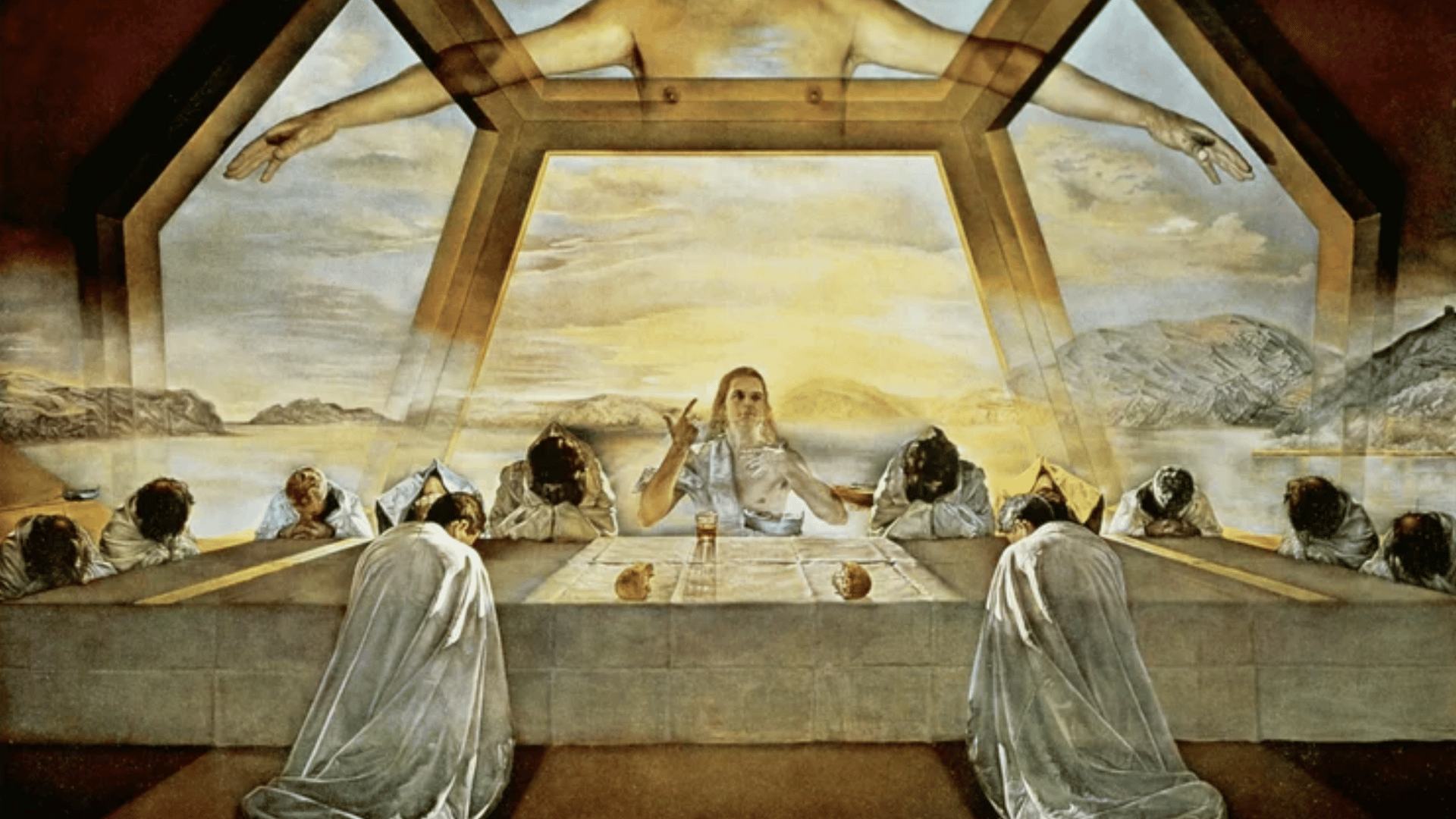
The 20th century was not just a period of change in politics, technology, and culture. It was a full-blown revolution in art.
The rules that artists had followed for centuries were thrown out, painted over, and rebuilt from scratch by a generation of creators who simply refused to color inside the lines.
Their evolution is closely tied to traditions shaped by the Spanish art masters who laid the foundations of early art.
The thirteen artists on this list did not just make great work.
They changed what art was allowed to be. Bold, controversial, and endlessly compelling, their impact is still felt in every gallery, every art school, and every creative mind today. Let’s meet the legends!
Why was The 20th Century Important for Modern Art?
Modern art emphasizes new ideas rather than traditional rules. Artists stopped trying to paint things exactly as they look. Instead, they find abstract shapes, emotions, and imagination.
This shift also connects with the broader influence of famous Hispanic artists who helped redefine cultural identity through art.
It includes styles like Cubism, Surrealism, and Abstract Expressionism. These styles allowed artists to express themselves freely. Modern art is more about meaning than realism.
The 20th century was a time of major change. Wars, technology, and social shifts deeply influenced artists.
Artists experimented with materials, techniques, and ideas. This led to the emergence of completely new art movements. It was a time when creativity truly evolved.
Modern Artists Who Changed Art in the 20th Century
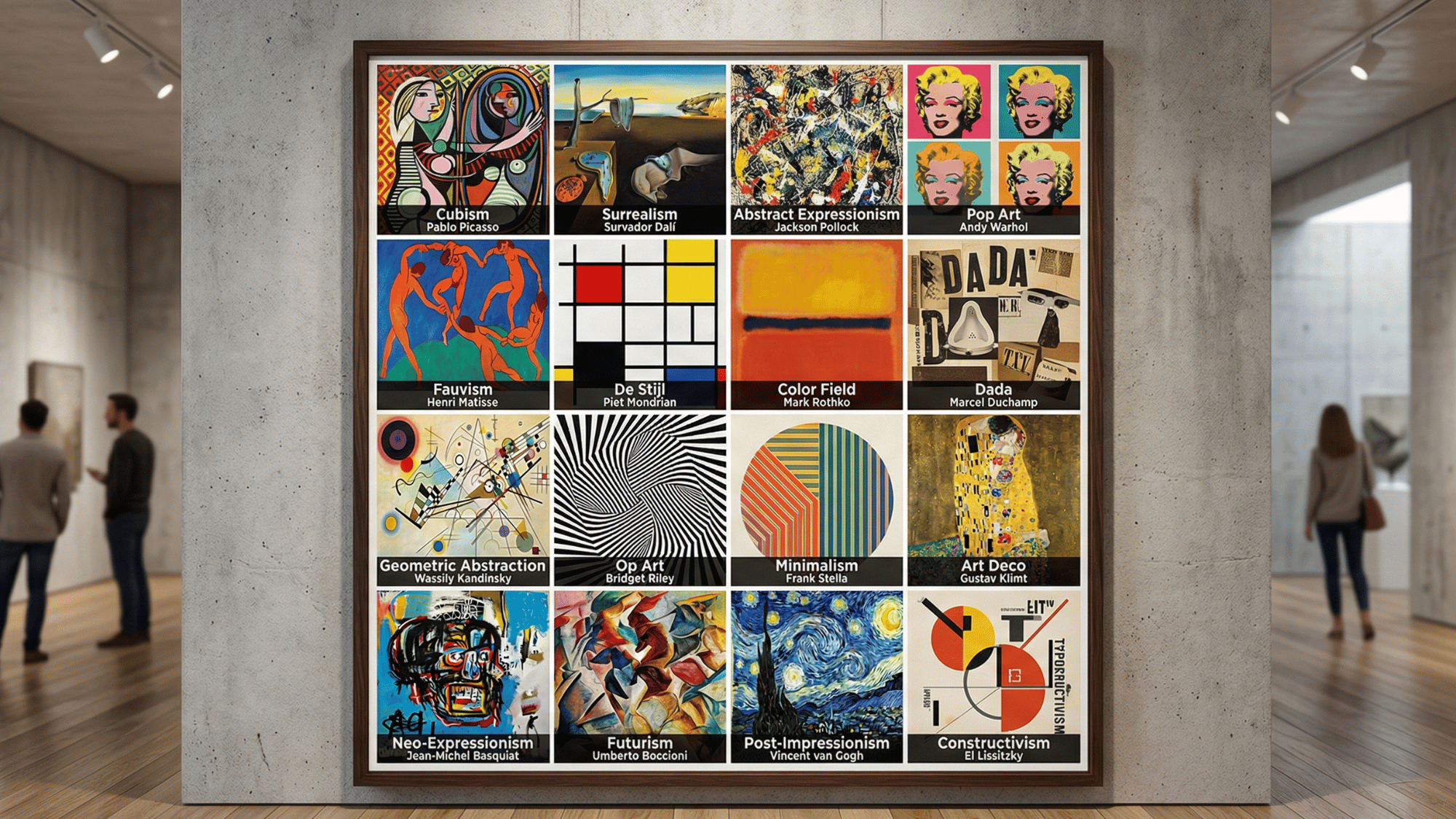
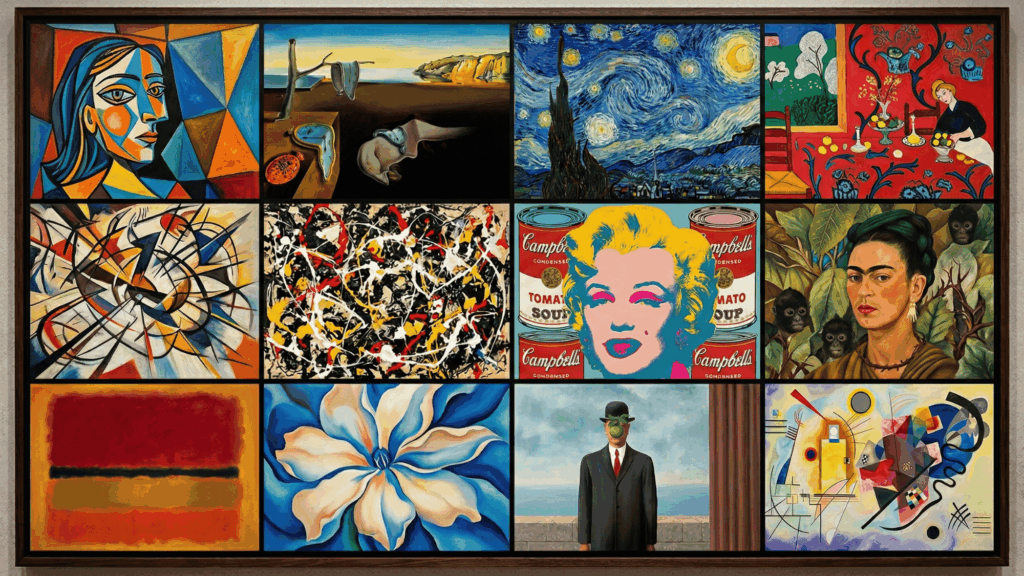
These modern artists changed art forever, shaping the way we see creativity today.
1. Pablo Picasso
Pablo Picasso was one of the most influential artists of the 20th century. He changed art by introducing Cubism, a style that breaks subjects into geometric shapes.
Picasso constantly experimented with new techniques and styles. His creativity pushed the boundaries of modern art. He inspired artists to think differently and challenge traditional rules.
Famous Works: Guernica, Les Demoiselles d’Avignon, The Weeping Woman
2. Salvador Dalí
Salvador Dalí was a famous Surrealist artist known for his dream-like paintings. His work often featured strange, symbolic images that explored the subconscious mind.
Dalí’s style was imaginative and highly detailed. He used unusual concepts to make people think deeply. His art feels mysterious and creative. He helped make surrealism popular worldwide.
Famous Works: The Persistence of Memory, The Elephants, Metamorphosis of Narcissus
3. Vincent van Gogh
Vincent van Gogh is known for his emotional and expressive style. His paintings use bold colors and strong brushstrokes. He focused on nature, people, and everyday life.
His work reflects deep feelings and personal struggles. Though not famous in his lifetime, he later became one of the most admired artists. His style influenced modern art greatly.
Famous Works: Starry Night, Sunflowers, The Bedroom
4. Henri Matisse
Henri Matisse was known for his use of bright colors and simple shapes. He was a leader of the Fauvism movement. His work focused on color as the main element of expression. Matisse believed art should be joyful and calming. His style was bold yet simple. He influenced modern painting and design.
Famous Works: The Dance, Woman with a Hat, Red Room
5. Marcel Duchamp
Marcel Duchamp changed art by focusing on ideas rather than appearance. He introduced “readymades,” turning everyday objects into art.
His work challenged traditional definitions of art. Duchamp believed creativity was about thinking differently. His approach influenced conceptual art. He played a major role in modern art movements.
Famous Works: Fountain, Nude Descending a Staircase, Bicycle Wheel
6. Jackson Pollock
Jackson Pollock was known for his unique drip painting technique. He poured and splashed paint onto the canvas instead of using brushes. His work focused on movement and emotion.
Pollock believed art should be free and expressive. His paintings are abstract and energetic. He became a symbol of modern American art.
Famous Works: Number 1 (Lavender Mist), Blue Poles, Autumn Rhythm
7. Andy Warhol
Andy Warhol was a leading figure in Pop Art. He used images from popular culture, like celebrities and products. His work made art more modern and relatable.
Warhol believed art could come from everyday life. He used repetition and bold colors. He changed how people see commercial art.
Famous Works: Campbell’s Soup Cans, Marilyn Diptych, Eight Elvises
8. Frida Kahlo
Frida Kahlo is known for her emotional self-portraits. Her paintings reflect her life, identity, and pain.
She used strong symbolism in her work. Her art often includes elements of Mexican culture. Kahlo’s style is personal and powerful. She became a global icon of self-expression.
Famous Works: The Two Fridas, The Broken Column, Self-Portrait with Thorn Necklace and Hummingbird
9. Mark Rothko
Mark Rothko was known for his large color field paintings. His work features blocks of color that create deep emotion. He focused on simplicity and feeling.
Rothko believed art should connect with the viewer emotionally. His paintings are calm yet powerful. He influenced abstract art greatly.
Famous Works: No. 61 (Rust and Blue), Orange and Yellow, Black on Maroon
10. Georgia O’Keeffe
Georgia O’Keeffe is known for her paintings of flowers and landscapes. She used bold colors and close-up views. Her work focuses on natural beauty and simplicity.
O’Keeffe’s paintings feel calm and detailed. She played a key role in modern American art. Her style is unique and recognizable.
Famous Works: Jimson Weed, Black Iris, Red Canna
11. René Magritte
René Magritte was a Surrealist artist known for his thought-provoking images. His work looks realistic but includes unusual elements.
Magritte’s paintings make viewers question what they see. His style is simple yet powerful. He influenced modern and conceptual art.
Famous Works: The Son of Man, The Treachery of Images, Golconda
12. Wassily Kandinsky
Wassily Kandinsky is known as a pioneer of abstract art. He believed art should express emotion through color and form. His paintings do not show real objects. Instead, they focus on shapes and movement.
Kandinsky connected art with music and feeling. His work is colorful and expressive.
Famous Works: Composition VII, Yellow-Red-Blue, Improvisation 28
13. Piet Mondrian
Piet Mondrian is known for his simple geometric style. He used straight lines and primary colors. His work focused on balance and harmony. Mondrian believed art should be structured and pure.
Famous Works: Composition with Red, Blue, and Yellow, Broadway Boogie Woogie, Victory Boogie Woogie
Wrapping It Up
The thirteen artists on this list did not set out to simply make beautiful things. They set out to challenge, provoke, and completely reimagine what art could say and how it could say it.
And they succeeded in ways that nobody could have predicted at the time.
The movements they started, the boundaries they pushed, and the conversations they sparked are still very much alive in the art world today.
Every artist working right now owes something to the boldness of this generation. They proved that art is never just decoration; it is a mirror, a weapon, a question, and a revolution all at once.