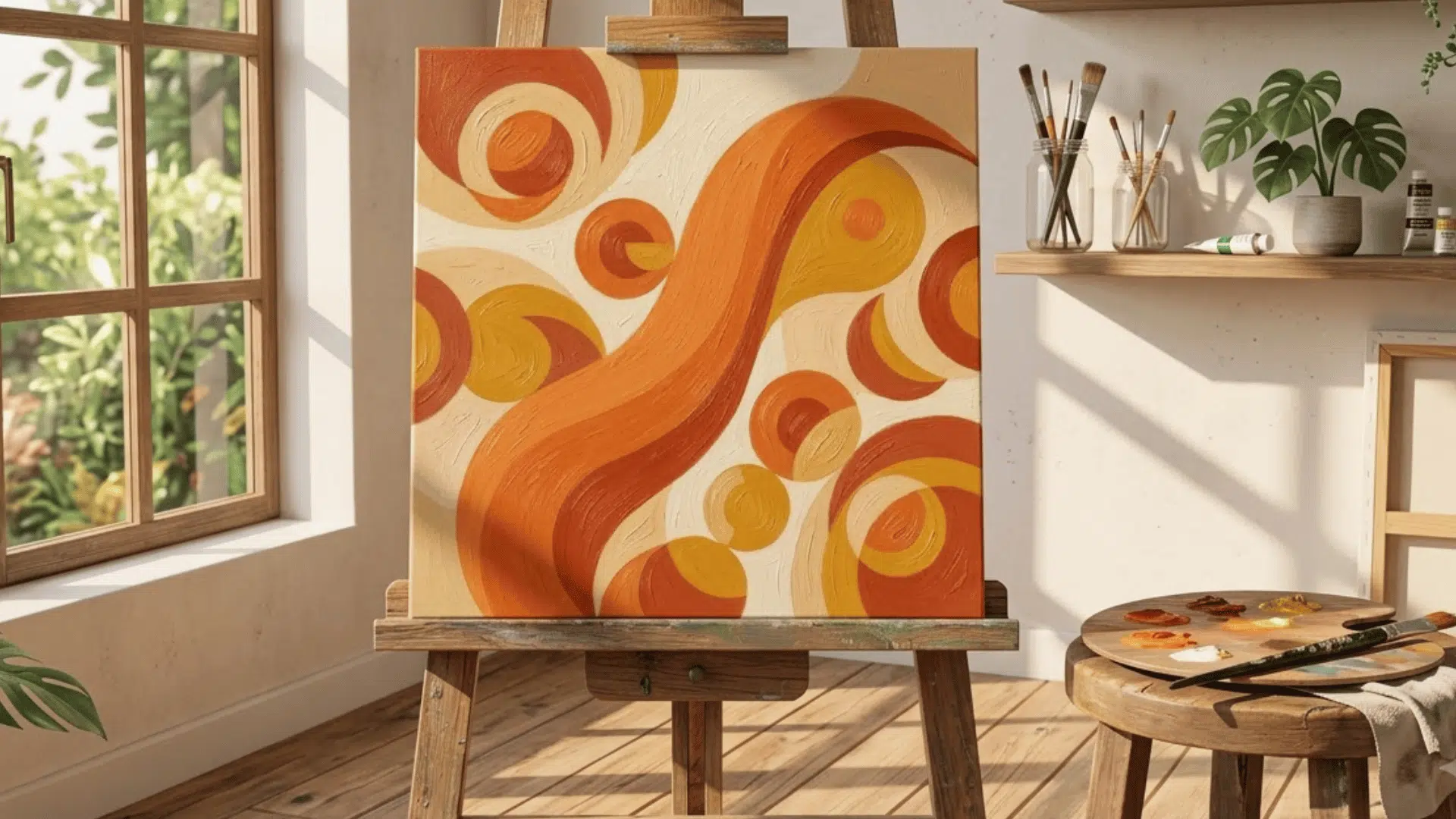
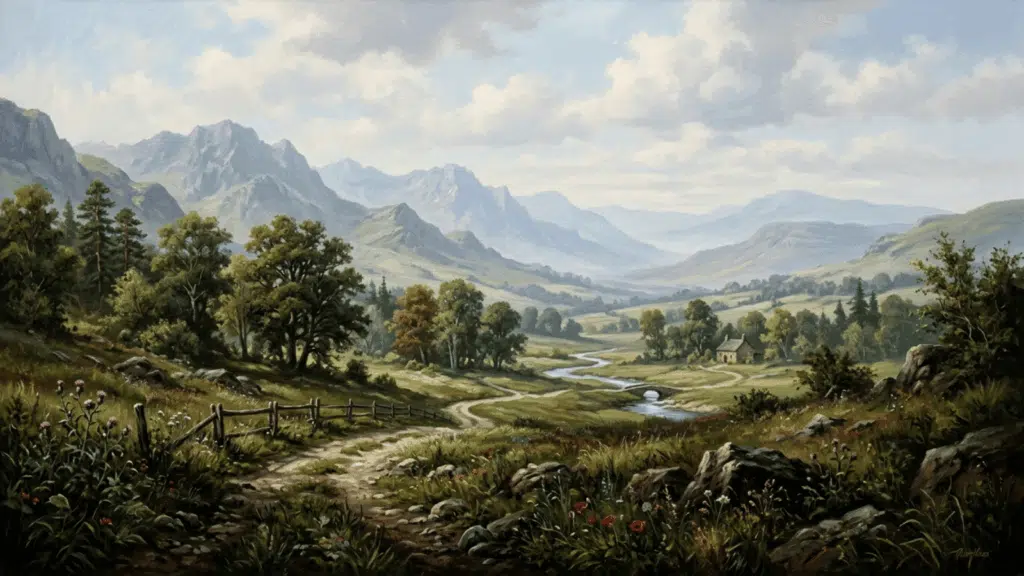
When you start learning about the elements of art: space, you begin to notice how artists create depth, distance, and balance in their work.
Space is what makes a drawing feel open or crowded, realistic or flat, and it plays a huge role in how we experience any artwork.
If you’re looking at a simple sketch or a detailed painting, the way space is used affects how your eye moves and what stands out.
Knowing this element helps you not just create better art, but also see it more clearly.
“Space” Definition in Art
Space in art refers to the area around, between, and within objects in an artwork. It includes both the subject itself and the surrounding empty areas, working together to create a sense of depth, distance, and structure.
It can be used to make elements appear closer or farther away, helping artists organize their composition and guide how viewers interpret what they see.
It Has the Following Functions:
- Creates depth and dimension, making flat surfaces appear more realistic and three-dimensional
- Helps organize elements in a composition so the artwork looks balanced and not cluttered
- Guides the viewer’s eye, drawing attention to key areas and improving overall visual flow
Techniques to Create Space in Art
Artists use a variety of practical techniques to create the illusion of depth and distance on a flat surface.These methods help make objects appear closer or farther away, giving the artwork a more realistic and layered feel.
- Overlapping: When one object is placed in front of another, it overlaps and partially hides it. This clearly shows which object is closer and which is farther away.
- Size and Scale: Larger objects are perceived as being closer to the viewer. Smaller objects appear farther away, even if they are the same size in reality.
- Placement on the Picture Plane: Objects placed lower on the page or canvas appear closer to the viewer. Objects placed higher up seem farther away in the distance.
Types of Space in Art
Space in art can take many forms, depending on how an artist arranges elements and creates depth within a composition.
1. Positive and Negative Space
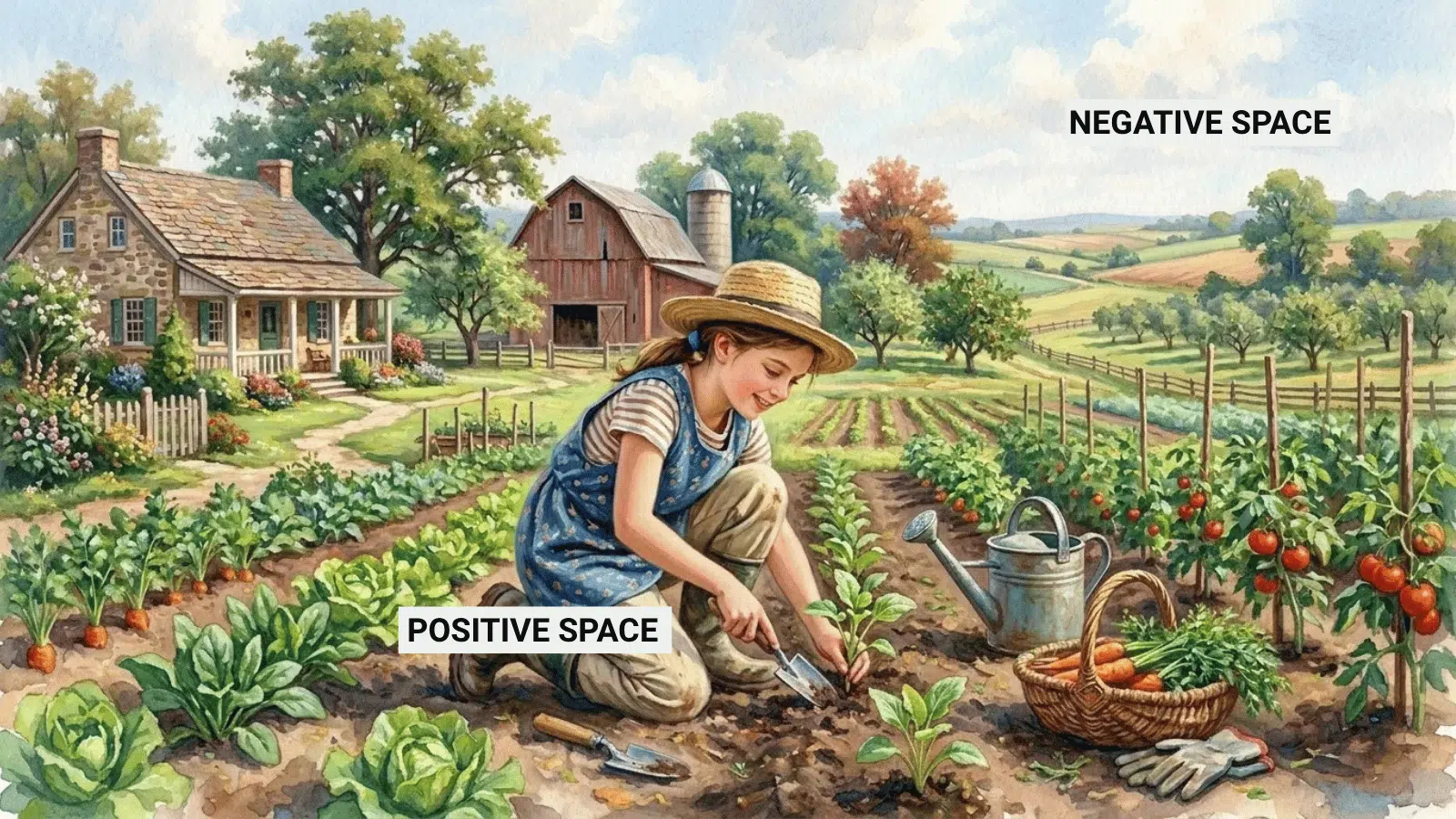
Positive space refers to the main subject or objects in an artwork, the areas that immediately draw your attention.
Negative space is the empty or background area surrounding those objects. While it may seem less important, negative space actually helps define the edges, shapes, and clarity of the subject.
When used well, it creates balance, prevents clutter, and can even form interesting shapes of its own, adding depth and visual interest to the composition.
2. Deep Space and Flat Space
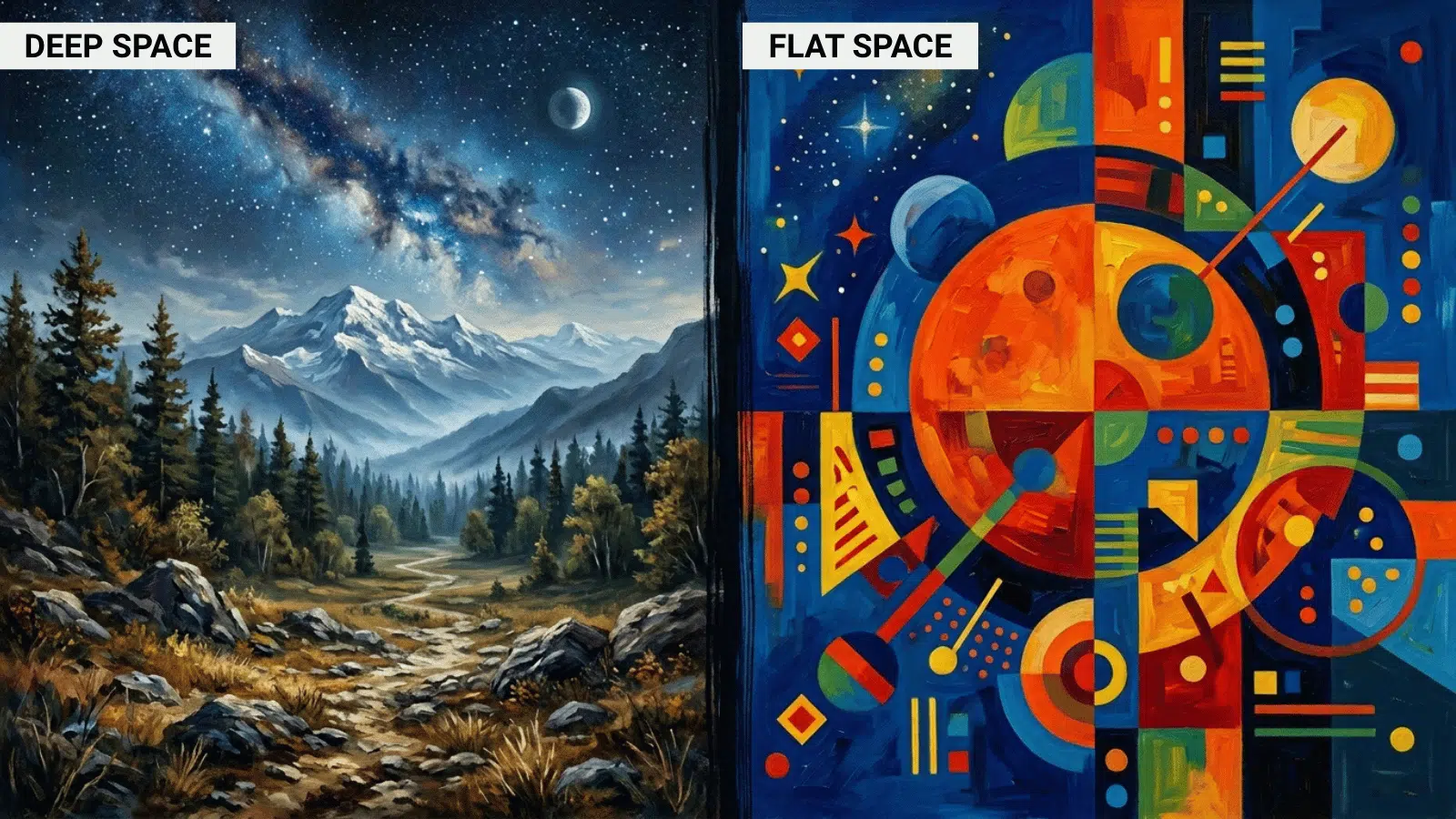
Deep space is used when artists want to create the illusion of distance and three-dimensionality on a flat surface.
This is achieved by showing layers such as foreground, middle ground, and background, making the viewer feel like they can “enter” the scene.
Flat space, on the other hand, reduces or removes this sense of depth, keeping all elements on the same visual plane.
3. Open Space and Closed Space
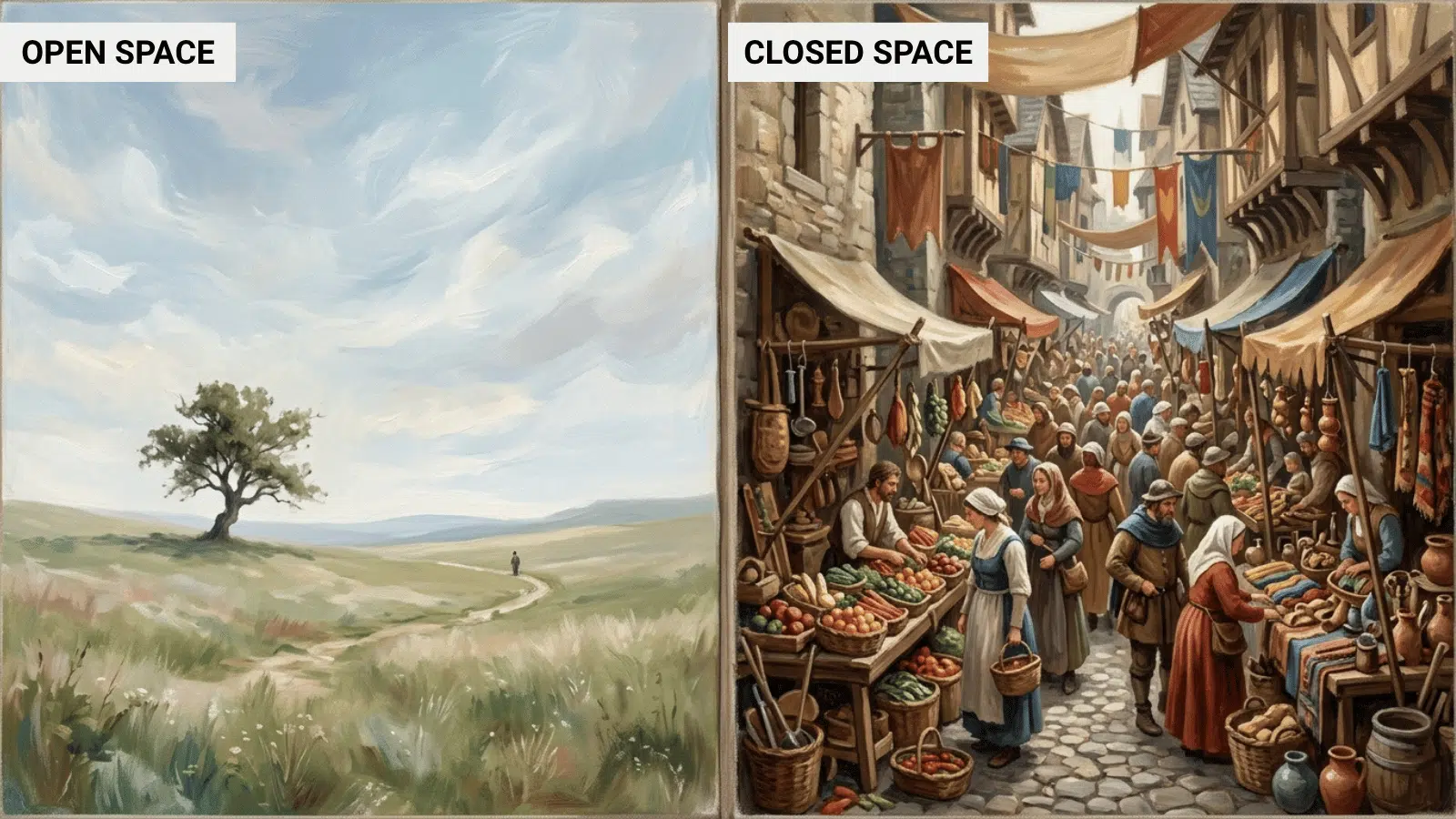
Open space refers to compositions in which elements are spread out, with noticeable gaps between them, creating a sense of freedom, calmness, or simplicity. This type of space allows the viewer’s eye to move easily across the artwork.
Closed space, in contrast, features tightly arranged elements with little space, resulting in a more compact, sometimes intense visual effect.
It can make the composition feel busy, energetic, or focused, depending on how the elements are arranged.
Relationship Between Space, Perspective, and Composition
Space, perspective, and composition are closely connected and work together to shape how an artwork is seen and understood.
Space defines the area within and around objects, while perspective is the technique that organizes that space to create a believable sense of depth and distance.
Perspective, through methods such as linear perspective, atmospheric perspective, and foreshortening, helps place objects accurately in space, making them appear closer or farther away.
Composition then brings everything together by arranging these elements in a balanced and visually engaging way.
Space in Art in Everyday Life
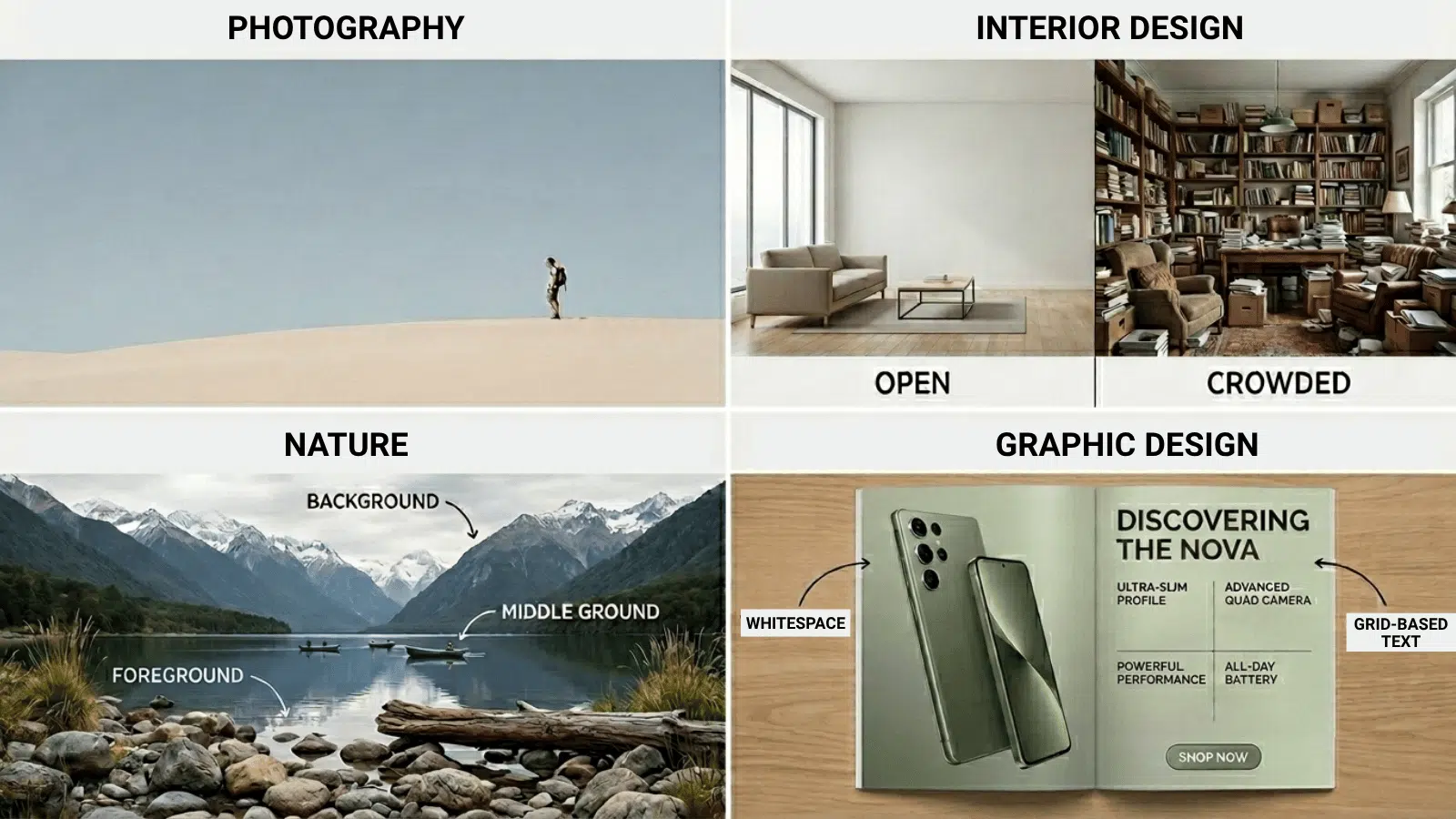
You don’t have to be an artist to notice space in action; it’s something you experience every day. From how photos are framed to how rooms feel, space plays a big role in how things look, feel, and function.
- Photography: In photography, the way a subject is framed, along with the surrounding space, can create balance, highlight the subject, or add depth and storytelling.
- Interior Design: In interior design, open spaces with fewer objects feel calm and spacious, while crowded spaces can feel busy or intense depending on how elements are arranged.
- Nature: Natural landscapes are a great example of space, with clear foreground, middle ground, and background.
- Graphic Design and Layouts: In design, space helps organize content and improve readability. Proper spacing between text and visuals makes designs look clean, balanced, and easier to understand.
Examples of Space in Famous Artworks
Looking at how famous artists use space can make the concept much easier to understand. Different art movements approach space in unique ways, from creating realistic depth to intentionally flattening it for visual effect.
1. Renaissance Art
Source: stephaniestory.com
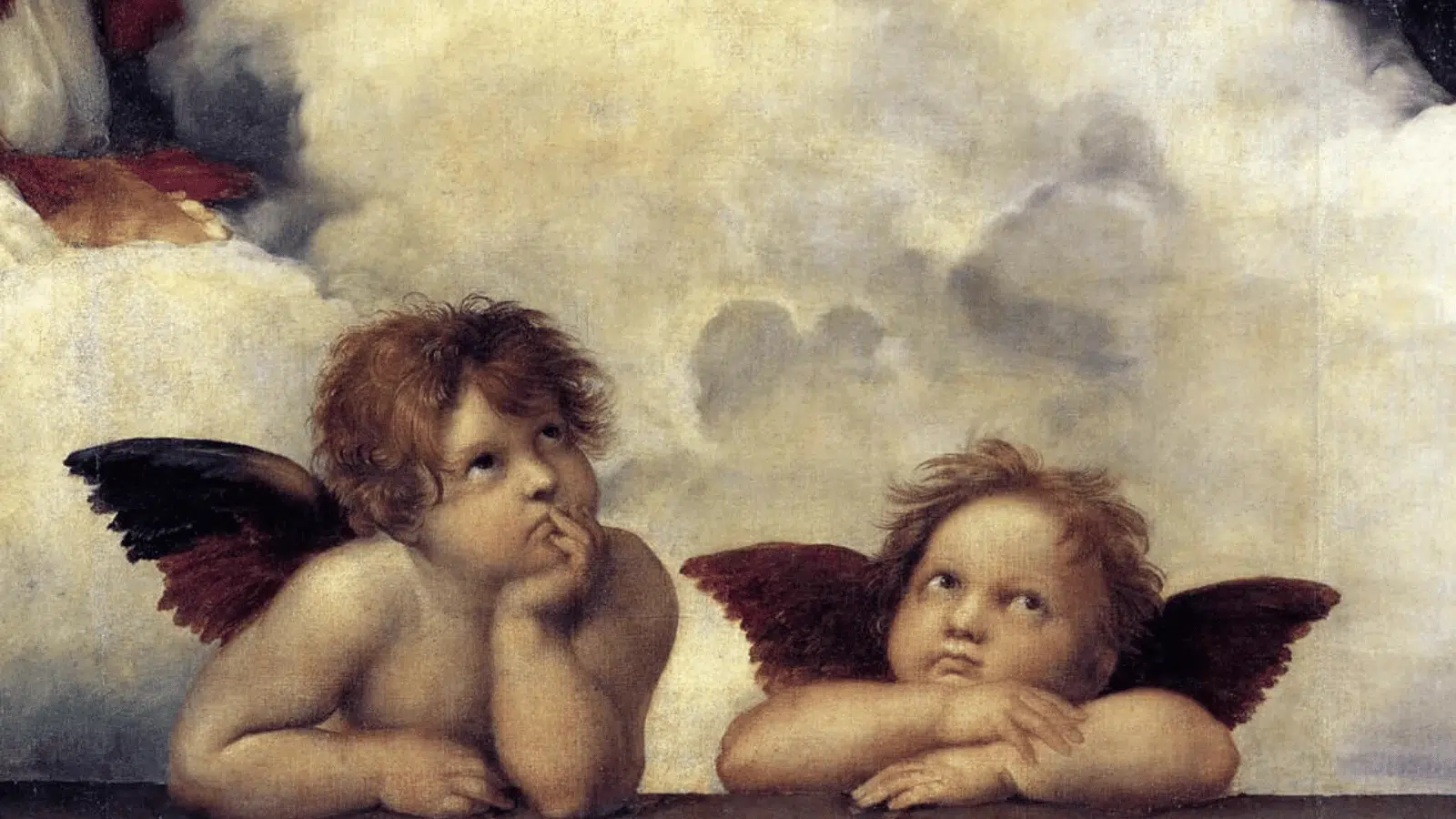
Renaissance artists were known for mastering linear perspective to create the illusion of depth on a flat surface. They used vanishing points and horizon lines to make objects appear to recede into the distance.
Paintings by artists like Leonardo da Vinci and Raphael show clear foreground, middle ground, and background, making the viewer feel like they are looking into a real, three-dimensional scene.
2. Impressionism
Source: claudemonet.com
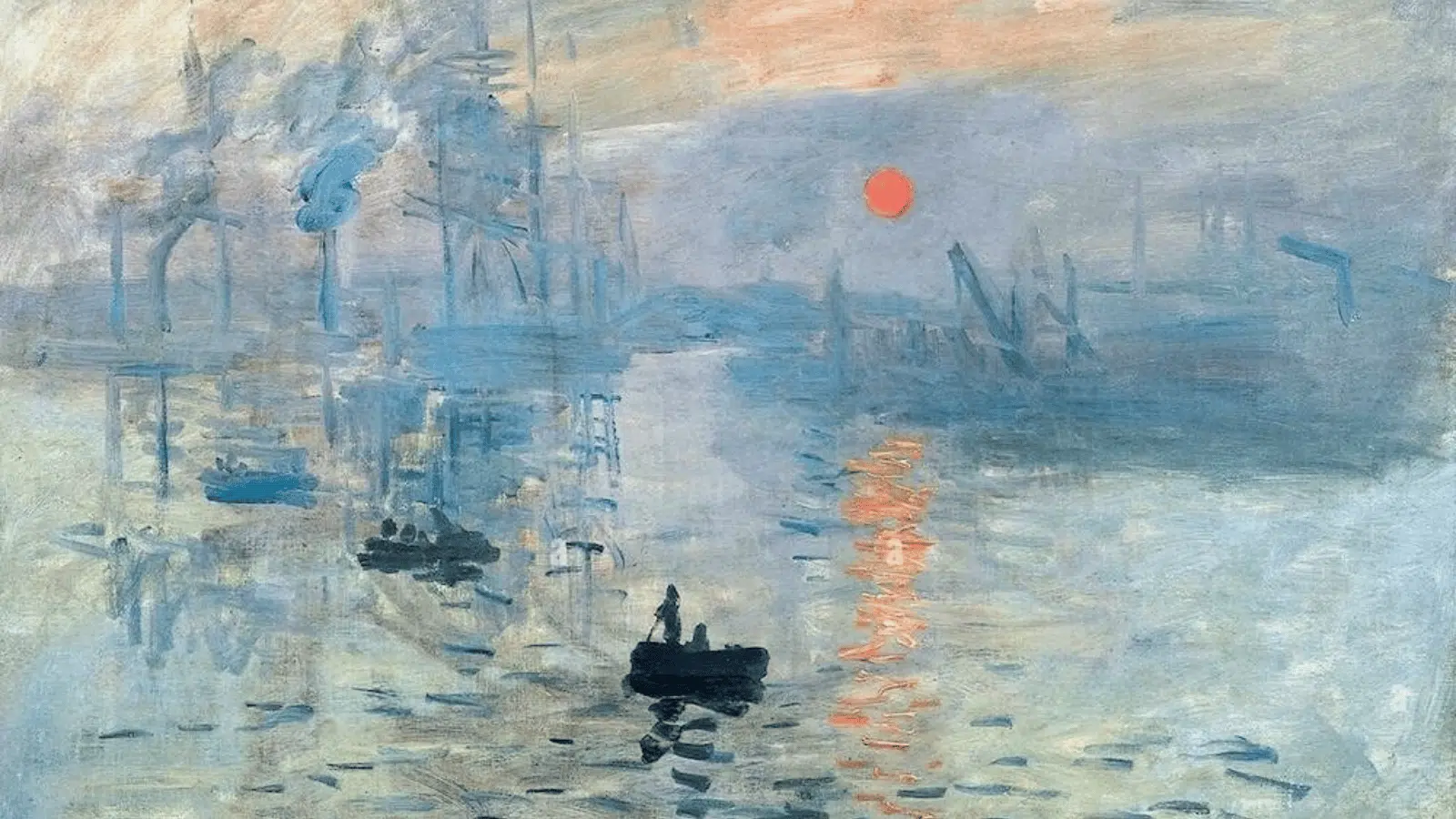
Impressionist artists focused more on light and atmosphere rather than precise detail, using atmospheric perspective to create space.
Instead of sharp lines, they used softer edges and lighter colors for distant objects, making them appear farther away.
Artists like Claude Monet created depth by showing how light, color, and air affect our perception of distance in landscapes.
3. Modern Art
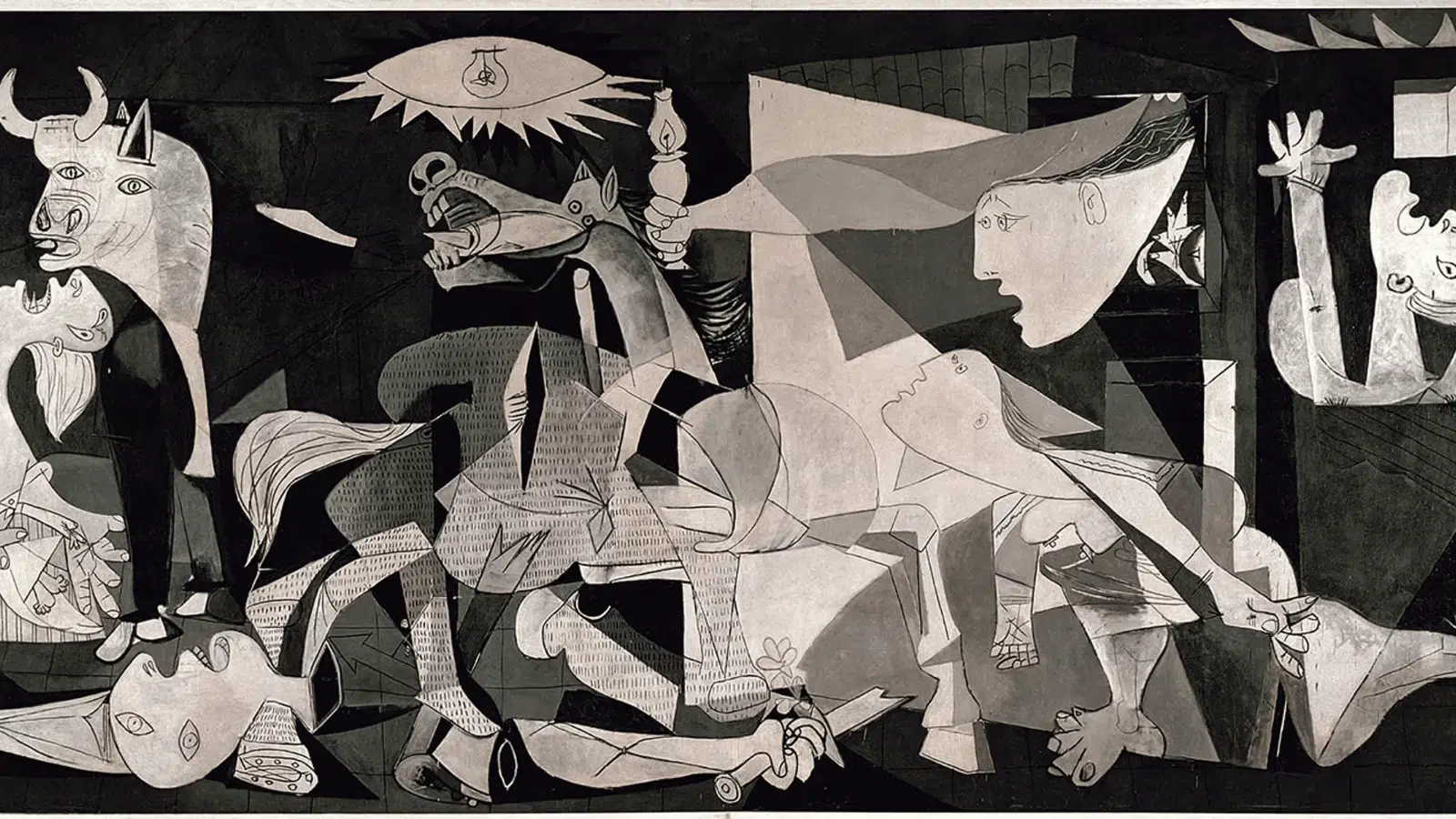
Source: stephaniestory.com
Modern and abstract artists often moved away from realistic depth and cherishd flat or distorted space. Instead of creating a three-dimensional illusion, they placed shapes, colors, and forms on a flat plane.
Artists like Pablo Picasso and Henri Matisse used space creatively to focus on expression, design, and concept rather than realism, giving their work a bold, unique visual style.
4. Baroque Art
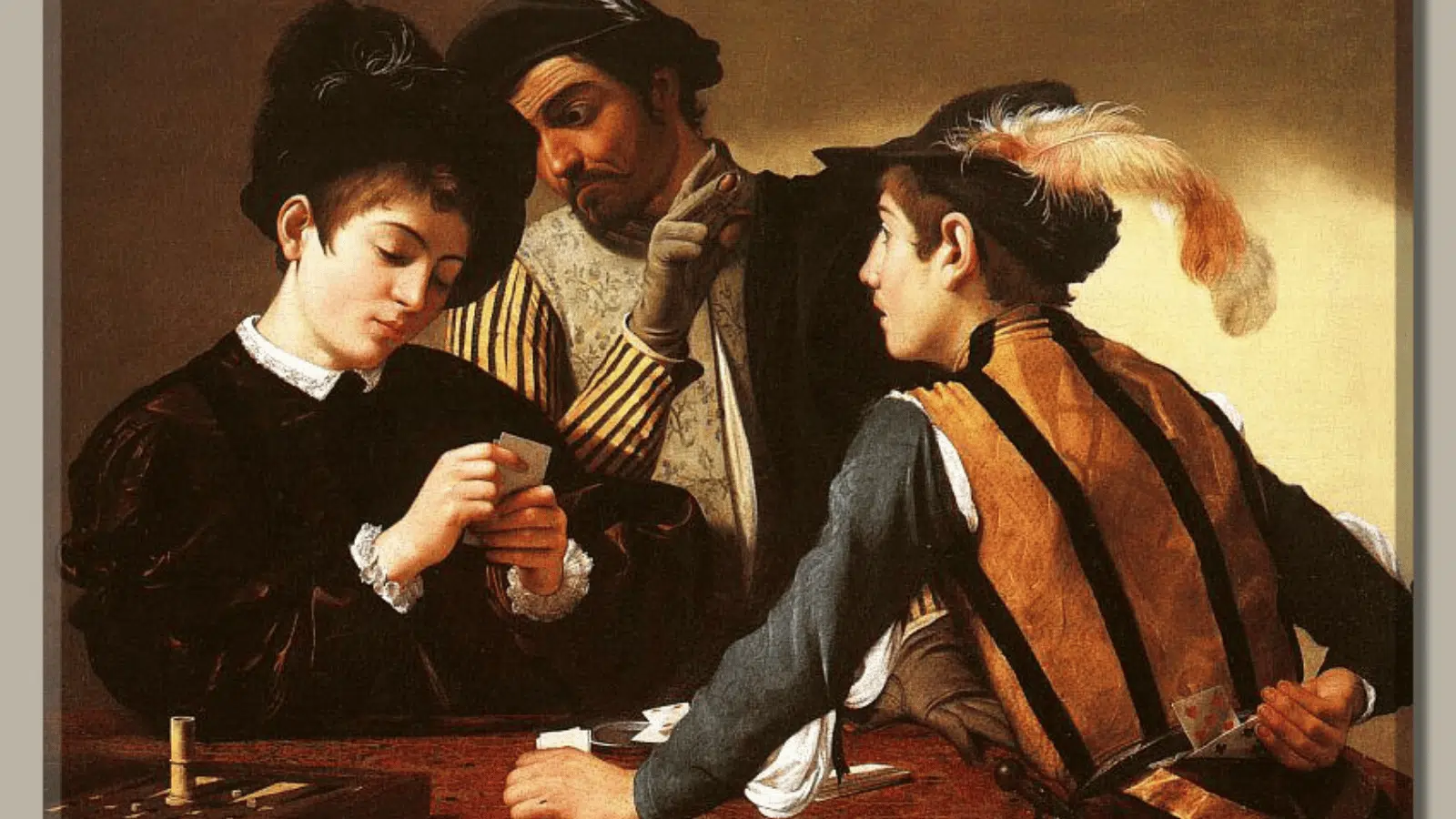
Source: inessa.com
Baroque artists took the use of space a step further by creating dramatic depth and strong contrasts between light and dark, a technique known as chiaroscuro.
They often used deep shadows and bright highlights to pull figures forward and push backgrounds back.
Artists like Caravaggio used space to create intense, theatrical scenes in which subjects seem to emerge from darkness, making the compositions feel dynamic and emotionally powerful.
Tips to Improve Your Use of Space in Art
Improving how you use space in art takes practice and observation, but small, consistent steps can make a big difference in how your work feels and looks.
- Practice Simple Compositions: Start with a few basic objects and focus on how much space you leave between them to create balance and clarity.
- Observe Real Life: Notice how objects appear smaller, lighter, or less detailed as they move farther away in real-world scenes.
- Use Thumbnails: Make quick, small sketches to plan where elements will go and how space will be distributed before starting your final piece.
- Work in Black and White: Removing color helps you clearly see spacing, contrast, and depth without distractions.
- Experiment with Scale: Try making some elements larger and others smaller to create a sense of distance and depth naturally.
- Study Reference Images: Analyze photos or artworks to understand how professionals use space to guide the viewer’s eye.
Conclusion
Understanding one of the seven elements of art: space, helps you move from creating flat images to building depth and clarity in your work.
It shapes how viewers experience your composition, guiding their eye and creating a sense of balance. If you’re drawing, painting, or designing, space plays a key role in making your work feel more natural and engaging.
By practicing simple techniques and observing how space works in everyday life, you gradually develop a stronger visual sense.
Over time, this awareness becomes instinct, allowing you to create compositions that feel more intentional, dynamic, and visually complete.
Frequently Asked Questions
What is 3-Dimensional Space in Art?
Three-dimensional space in art refers to works with height, width, and depth, such as sculptures that can be viewed from all sides. Unlike flat (2D) art, these pieces physically occupy space and create a real sense of form.
What is the Rule of Space in Art?
It is used to create a sense of depth and organize elements within a composition. It includes positive space (objects) and negative space (the empty areas around them), working together.
What are the Three Parts of Space in Art?
In two-dimensional art, space is often divided into foreground, middle ground, and background. These layers help create depth and make the artwork feel more realistic and structured.