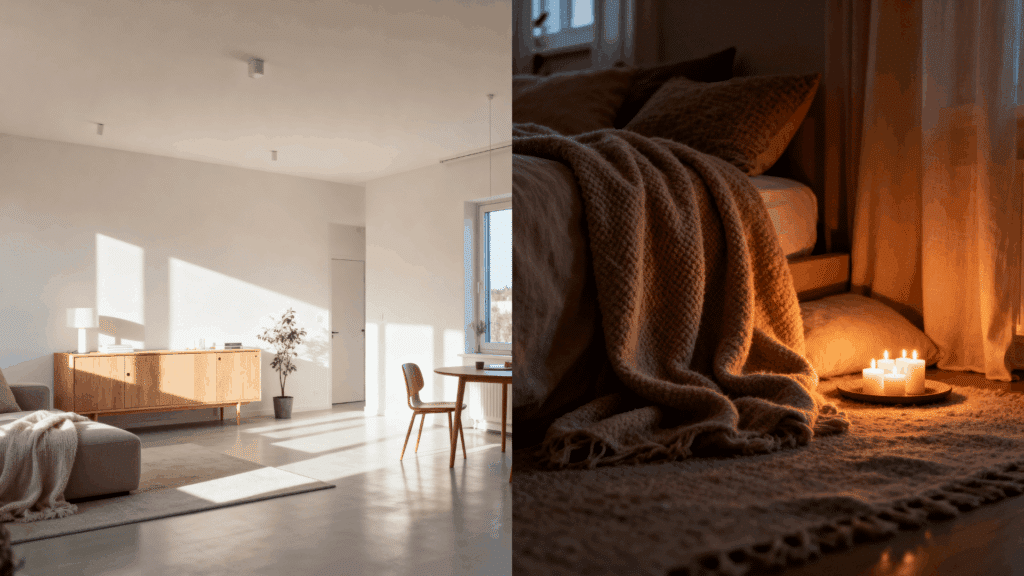
If you have ever loved the look of a clean, minimal home but still wanted it to feel warm and inviting, you are caught between two powerful design worlds.
Scandi vs Hygge are two of the most loved Nordic styles today, and yet they are surprisingly different.
Knowing which style suits your home, and how to blend them together, is the first step toward a space that feels both beautiful and truly yours.
What Is Scandinavian /Scandi Design?
Scandinavian interiors are not just about aesthetics; they reflect deeper cultural roots shaped by environment, traditions, and storytelling.
The quiet tension between order and emotion in Nordic homes can be traced back to beliefs around folklore creatures, where nature was both respected and feared.
This balance between control and unpredictability still shapes how spaces are designed to feel calm, yet deeply connected to their surroundings.
What Is Hygge?
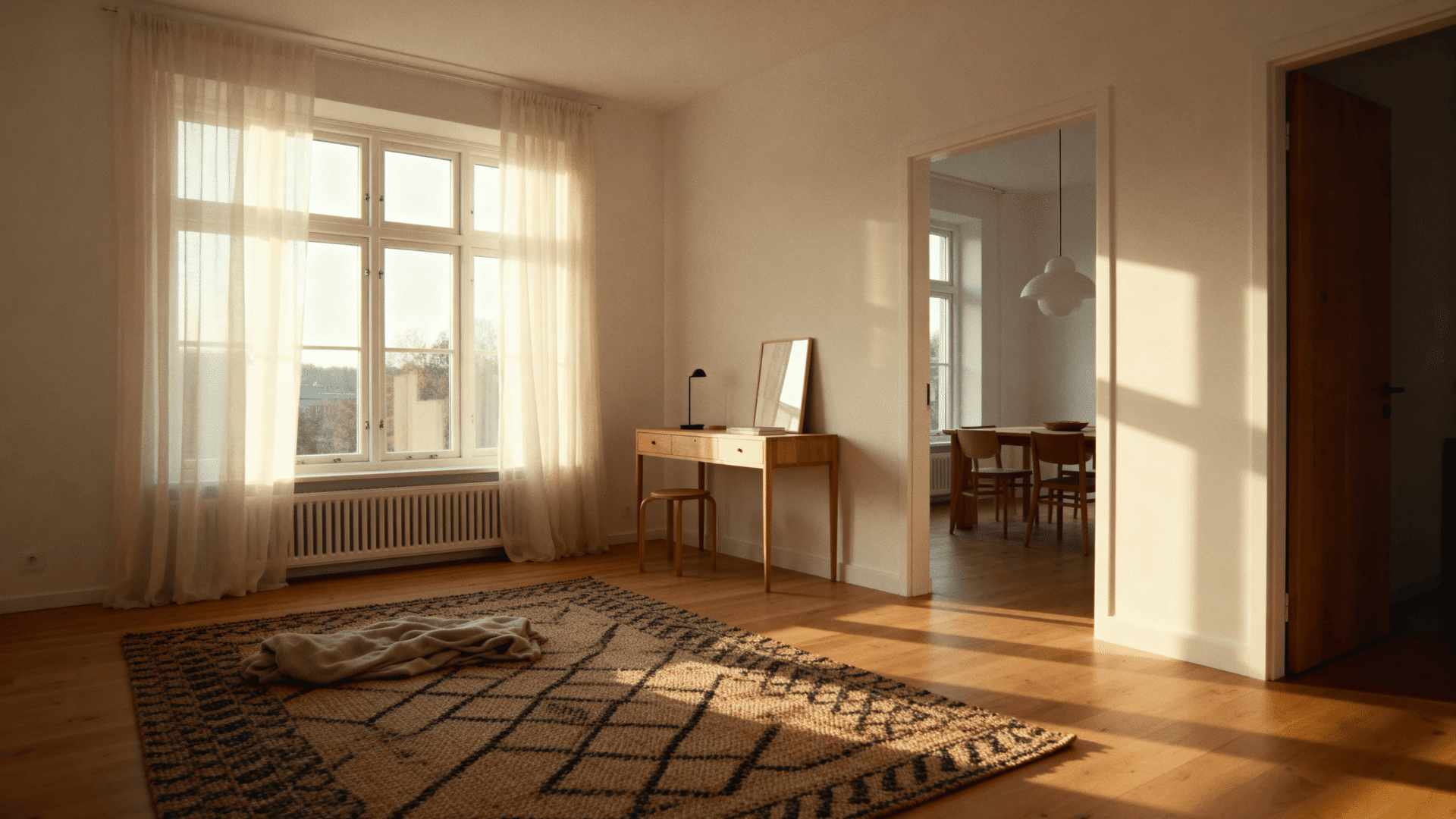
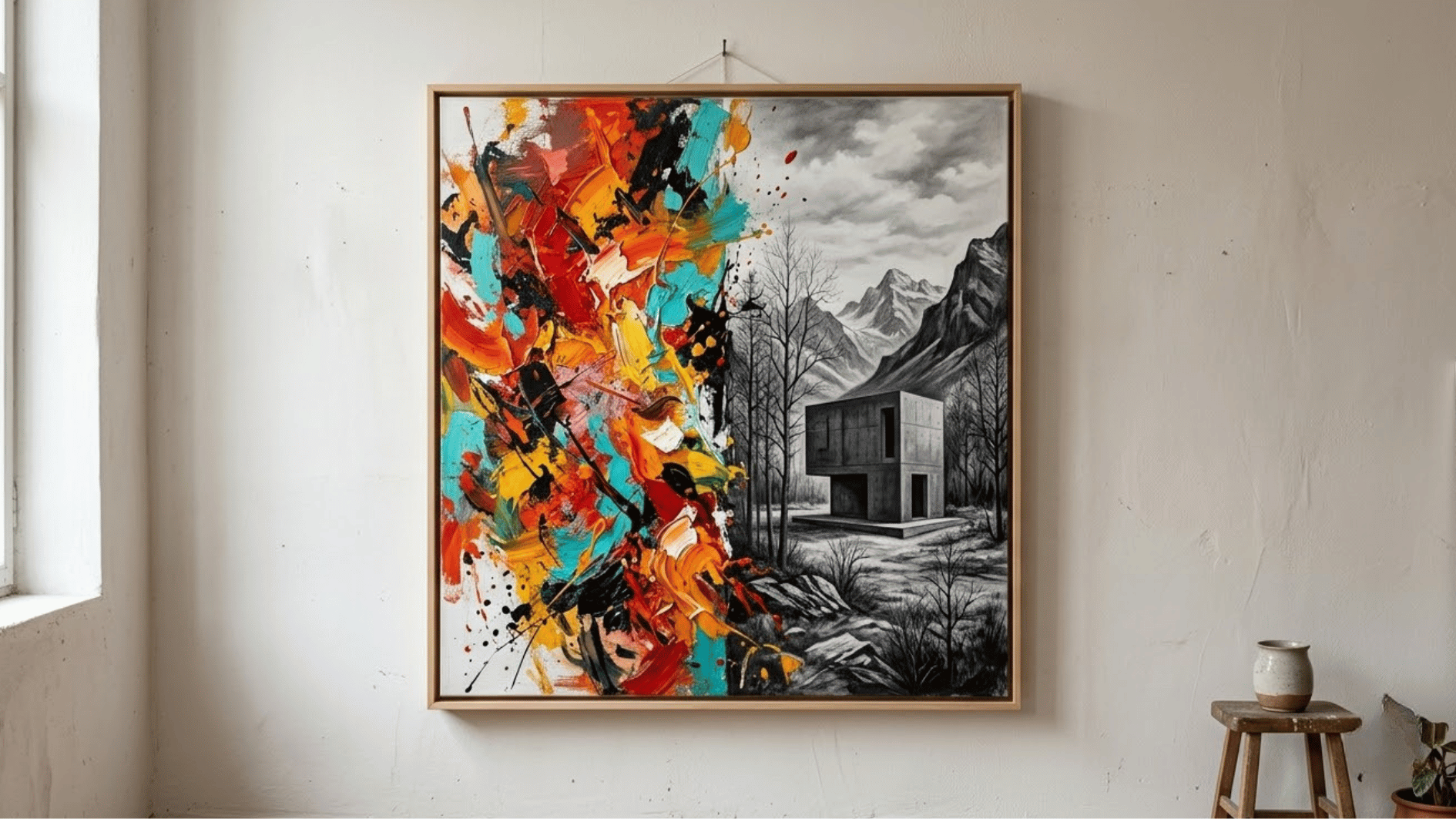
Hygge focuses on emotional comfort, warmth, and everyday rituals, much like how traditional crafts in Nordic folk art reflect deeper cultural values beyond decoration.
While Scandi design focuses on clean structure, Hygge brings emotional warmth, much like traditional art forms embed meaning into daily life.
This becomes clearer when looking at Huichol symbols , where every detail carries spiritual significance.
Scandi vs Hygge: Key Differences
Scandi and Hygge differ in how they approach a space; one is system-driven, the other is feeling-driven. The table below highlights practical distinctions without repeating core definitions.
| ELEMENT | SCANDI STYLE | HYGGE STYLE |
|---|---|---|
| Focus | Structure, order, intentional design | Atmosphere, comfort, emotional warmth |
| Approach | Less but better | More comfort, more feeling. |
| Colors | Cool neutrals, whites, soft greys | Warm tones, creams, earthy shades |
| Textures | Smooth, minimal, restrained | Soft, layered, tactile |
| Lighting | Maximize daylight, subtle fixtures | Low, warm, ambient, candle-heavy |
| Furniture | Clean-lined, space-efficient | Deep seating, relaxed, sink-in comfort |
Can You Combine Scandi and Hygge
Scandi gives your home structure and clean lines. Hygge fills it with warmth, soft textures, and cozy comfort. Together, they create a space that looks good and feels even better.
- Start with a Scandi base, white walls, light wood floors, and minimal furniture with clean lines.
- Layer in Hygge textures, think chunky knit throws, linen cushions, and soft wool rugs.
- Stick to a neutral palette, then add warmth with earthy accents like terracotta, mustard, or sage.
- Swap harsh overhead lights for soft lamps and candles to instantly shift the mood.
- Choose furniture that is both functional and comfortable; a sleek sofa still works with deep, plush cushions.
Best Uses of Scandi Style at Home
Scandi design works beautifully across every room, but it truly shines in spaces where function matters most. Here’s how to apply it:
- Living room: Keep furniture minimal and low-profile. Choose a neutral sofa, a light wood coffee table, and leave plenty of open floor space.
- Kitchen: Stick to clean, handle-free cabinets in white or light grey. Clear countertops and hidden storage keep the space looking sharp.
- Small spaces & studios: Scandi is perfect for apartments. Declutter first, then use multi-functional furniture like storage ottomans or fold-out desks.
- Maximize light: Use sheer curtains or none at all. Light wood tones and white walls bounce natural light around the room.
- Every room rule: If it doesn’t serve a purpose, it doesn’t belong. Less stuff always means more space and calm.
Best Uses of Hygge Style at Home
Hygge is all about creating spaces that feel warm, cozy, and emotionally comforting. From your bedroom to a quiet reading corner, here is how to bring that feeling home:
- Bedroom: Layer your bed with soft linen, wool throws, and extra pillows. Keep lighting warm and dim; a bedside lamp beats harsh overhead light every time.
- Reading corners: Add a deep armchair, a chunky knit blanket, and a small side table for your drink. This is Hygge at its purest.
- Winter styling: Lean into the season by bringing in thicker rugs, heavier curtains, and more candles as temperatures drop.
- Warm lighting everywhere: Swap cool white bulbs for warm ones. Use string lights, lanterns, and candles to create a soft, golden glow.
- Emotional comfort first: Display things that make you happy, family photos, meaningful objects, and plants. Hygge is about feeling at home, not just looking it.
How to Choose Between Scandi vs Hygge for Your Home
Both styles are beautiful, but choose based on your home’s look and feel. Ask yourself: do you want your space to be sharp and structured, or warm and lived-in?
Choose Scandi If
You are someone who prefers clean, minimal spaces where every piece of furniture and decor serves a clear reason, and where clutter and excess simply have no place.
Scandi works especially well in small, modern homes where smart layouts and light maximization matter most.
Choose Hygge If
You want your home to feel cozy, warm, and deeply comfortable. Hygge is perfect if you love soft textures, warm lighting, and spaces that invite you to slow down and truly relax.
Hygge is perfect if you love layered textures, warm lighting, and spaces that invite you to slow down and relax.
Common Mistakes to Avoid
Both Scandi and Hygge are easy to get wrong when you push them too far in one direction. Here are the most common mistakes to watch out for:
- Going too minimal: A Scandi space with zero warmth can feel cold and sterile. Always add a few soft elements, like a rug or a plant, to keep it human.
- Over-layering for Hygge: More blankets and candles do not always mean more cozy. Too much layering quickly turns into clutter.
- Ignoring lighting: Bad lighting can ruin both styles. Harsh white light kills Hygge warmth, and dim lighting makes Scandi spaces feel dull and flat.
- Buying for looks, not function: In Scandi especially, every piece should earn its place. Decorative items with no purpose break the whole concept.
- Mixing too many materials: Stick to two or three complementary materials per room. Too many finishes make a space feel busy and unfinished.
Wrapping It Up
If you have ever loved the look of a clean, minimal home but still wanted it to feel warm and inviting, you are caught between two powerful design worlds.
Scandi vs Hygge are two of the most searched home styles today, and for good reason.
Both feel effortlessly beautiful, yet they are surprisingly different. Knowing how to use them together changes everything.