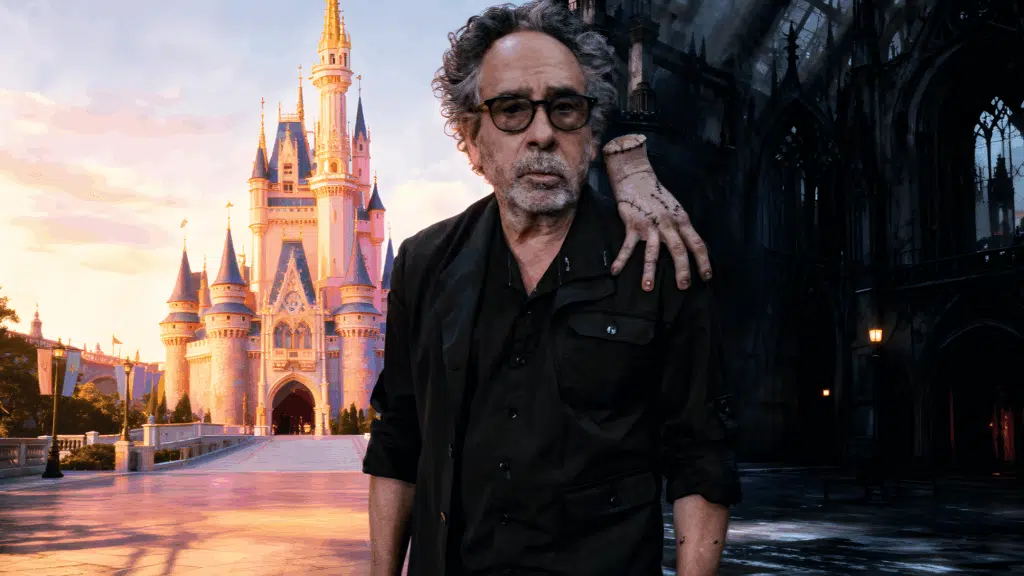
Hollywood has seen some legendary clashes between creative visionaries and powerful studios, but few are quite as enthralling as the story of Tim Burton and Disney.
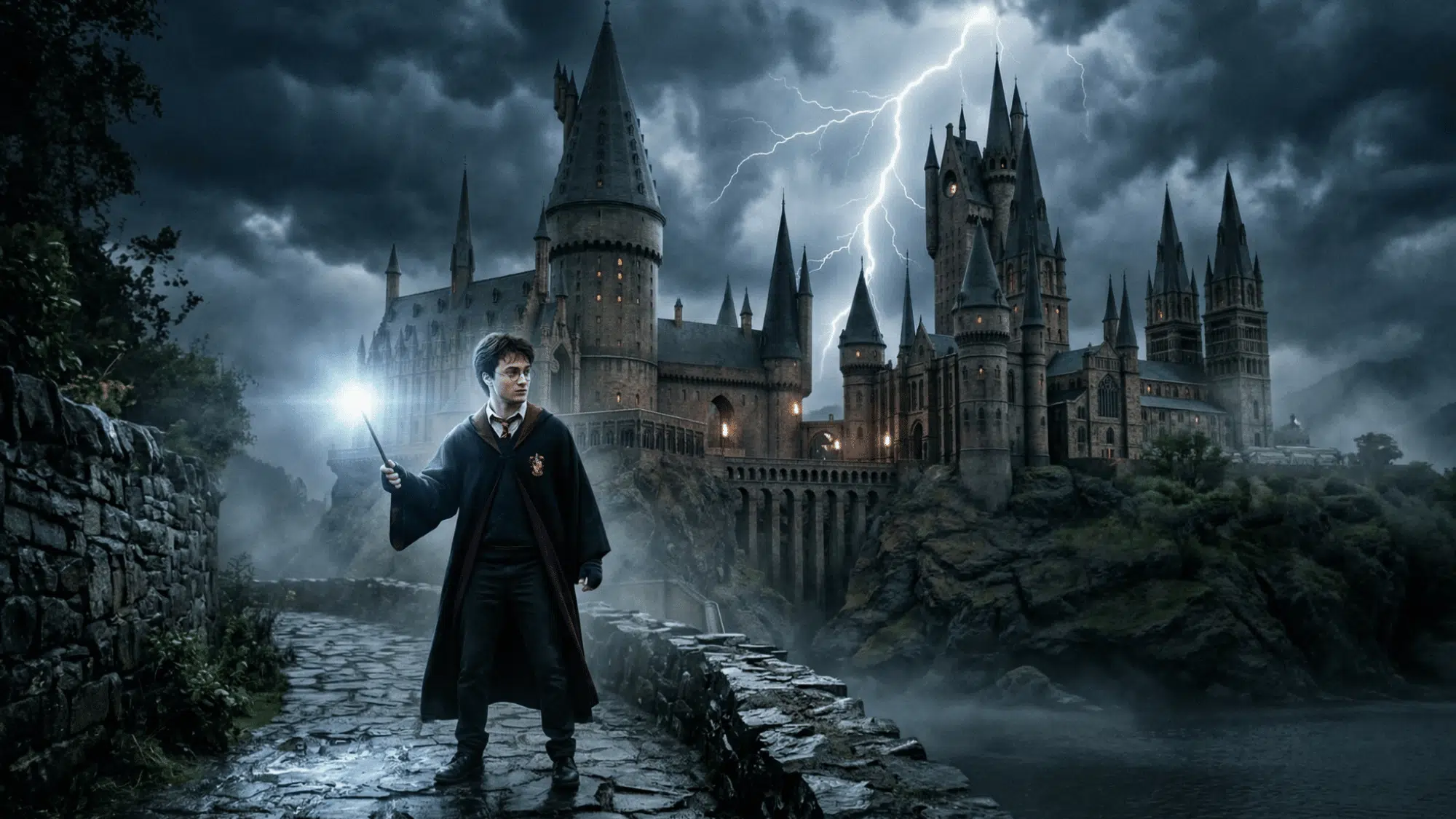
On paper, it seemed like a match made in movie heaven. His signature approach, often associated with Harry Potter gothic, shows clear parallels with darker themes in stories.
But somewhere between Burton’s love for crooked trees, pale faces, and gloriously morbid storylines and Disney’s carefully polished brand, something had to give.
The story of why Disney fired Tim Burton is not just Hollywood gossip. It is a masterclass in what happens when vision and risk collide inside one of the biggest studios on earth!
Who Is Tim Burton, and His Early Days at Disney
Tim Burton is one of the most unique filmmakers in Hollywood, known for his dark and imaginative storytelling.
His creative identity, often discussed in topics like Tim Burton’s diagnosis, reflects a deeply personal and unconventional artistic mindset.
Before he became famous, he began his career at Disney in the early 1980s. Much of his early work and visual direction later became central to the gothic visual style that defines his films today.
He joined the studio as a young animator with a fresh and unusual creative vision. Burton worked on projects like The Fox and the Hound as a concept artist, gaining early industry experience.
Frankenweenie: The Film that Changed Everything
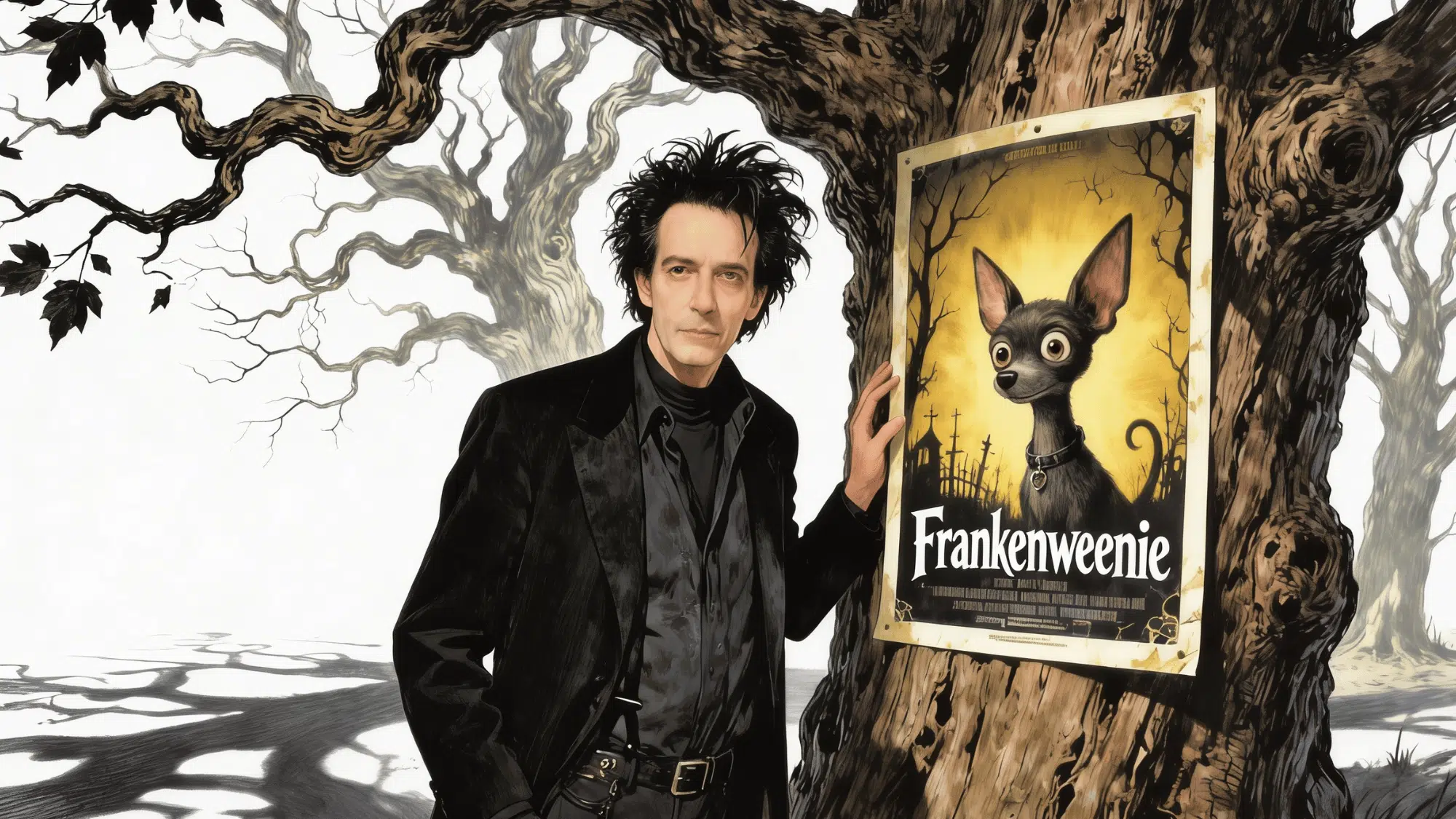
Frankenweenie was the turning point in Tim Burton’s relationship with Disney. The short film told a simple but emotional story about a boy who brings his dead dog back to life.
While it had heart, its dark tone and gothic feel were very different from Disney’s usual output at the time. The film made it clear that Burton’s creative vision did not match the studio’s expectations.
This project ultimately led to his departure and shaped the direction of his future career.
Key Points of The Movie
- The film was released in 1984 as a live-action short
- It was inspired by classic horror stories like Frankenstein
- The tone was darker than that of typical Disney films
- Disney felt it was too intense for young audiences
- It showed Burton’s unique and unconventional style
- The project led directly to his exit from Disney
- It later became a cult favorite and was remade as a feature film in 2012
Was Tim Burton really “Fired” or “Let Go”?
The idea that Tim Burton was “fired” by Disney is often simplified. In reality, it was more of a creative separation than a harsh dismissal.
After Frankenweenie, Disney felt his style didn’t match their family-friendly direction, while Burton needed more freedom to explore his ideas.
The studio didn’t see a clear place for his work at the time. So instead of a dramatic firing, it was more like both sides realizing the partnership wasn’t working.
This kind of split is common in creative industries where vision and expectations don’t align.
Creative Vision Vs Corporate Expectations
Here, the clear difference between Tim Burton’s creative approach and Disney’s business-focused expectations highlights why their partnership did not work at the time.
| Aspect | Tim Burton’s Creative Vision | Disney’s Corporate Expectations |
|---|---|---|
| Story Style | Dark, quirky, and unconventional | Light, safe, and family-friendly |
| Risk Approach | Open to bold and experimental ideas | Focus on low-risk, proven formulas |
| Visual Design | Gothic, unusual, and expressive | Clean, colorful, and traditional |
| Themes | Deep, emotional, sometimes unsettling | Simple, positive, and widely appealing |
| Characters | Odd, complex, and unique | Familiar, relatable, and easy to follow |
| Creative Freedom | High artistic independence | Controlled and brand-focused decisions |
The Irony: Disney Later Cherished Burton’s Style
Years later, Disney’s approach began to change as audience preferences evolved and the studio became more open to different storytelling styles.
They started to recognize the value in Tim Burton’s unique creativity and eventually collaborated with him again on major projects.
Films like The Nightmare Before Christmas and Alice in Wonderland became successful collaborations, proving that his vision could connect with a wide audience.
This shift clearly shows how timing, trends, and audience expectations can completely change how creativity is perceived.
Disney’s Fear of Risk in The 1980s
During the 1980s, Disney was going through a cautious phase and focused heavily on protecting its brand image. The studio preferred safe, predictable stories that would appeal to a wide family audience, especially children.
At the time, anything too dark, unusual, or experimental was seen as a potential risk rather than an opportunity. Disney wanted to avoid projects that might confuse or scare viewers, which limited creative freedom.
As a result, bold ideas like Tim Burton’s were often rejected because they didn’t fit the studio’s traditional formula. This risk-averse mindset played a major role in why Burton’s vision was not accepted.
It also meant that innovative storytelling was often overlooked. In the long run, this approach caused the studio to miss out on fresh creative opportunities.
Lessons from the Disney–Burton Conflict
This situation between Disney and Tim Burton highlights important lessons about creativity, risk, and timing in the entertainment industry.
- Not All Creativity Fits Every System: Unique ideas may not align with structured organizations
- Taking Risks Can Lead to Success: What seems risky today may become valuable later
- Timing Matters in Creative Industries: Ideas can be rejected simply because the market isn’t ready
- Creative Freedom Is Important for Innovation: Restricting ideas can limit potential breakthroughs
- Rejection Can Lead to Better Opportunities: Burton found greater success after leaving Disney
- Companies Evolve Over Time: Disney later accepted the same style it once rejected
- Being Different Is a Strength: Standing out can eventually become your biggest advantage
The Bottom Line
The story of Tim Burton and Disney is about what happens when a genuinely original creative mind runs up against a system that is not quite ready for it.
Disney did not fire Tim Burton because he lacked talent. If anything, it was the opposite. His vision was too bold, too dark, and too unapologetically his own for a studio still figuring out how much risk it was willing to take.
But here is the beautiful irony: the very qualities that got him pushed out of Disney are the exact qualities that made him one of the most iconic filmmakers Hollywood has ever seen.
Sometimes getting fired is just the universe pointing you in the right direction. And for Tim Burton, it clearly was!